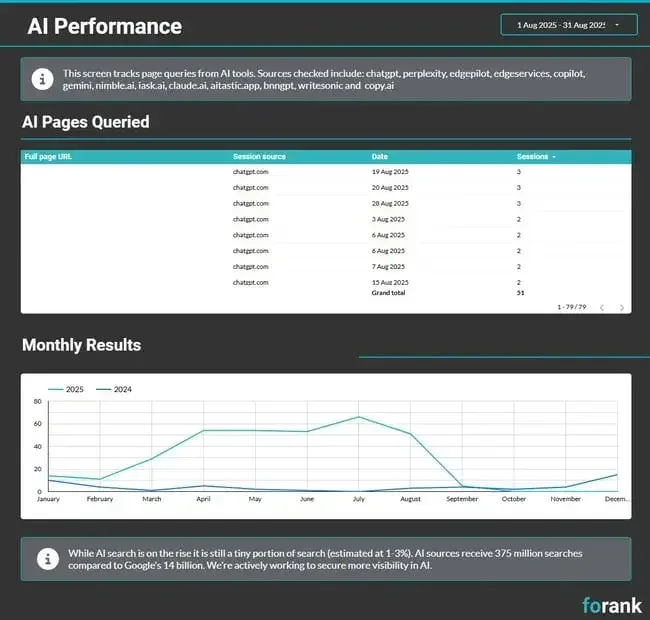
The pervasive rise of artificial intelligence has sparked widespread debate across industries, with many questioning the long-term viability of established digital practices. Among the most frequently scrutinized is Search Engine Optimization (SEO), often perceived as vulnerable to the sweeping changes introduced by AI. However, empirical data paints a compellingly different picture: SEO tools remain an indispensable cornerstone for marketers worldwide. A recent HubSpot survey underscores this resilience, revealing that a significant 27% of marketers identified their website, blog, and SEO efforts as the primary channel for achieving the highest Return on Investment (ROI) this past year. This statistic decisively refutes any premature pronouncements of SEO’s demise, instead highlighting its critical and evolving role in driving business growth.
The Transformative Journey of Search Engine Optimization
The landscape of search engine optimization has undergone continuous metamorphosis since its inception. In its nascent stages, SEO was often characterized by rudimentary tactics such as keyword stuffing and aggressive link building, aimed at manipulating early search algorithms. Over time, as search engines grew more sophisticated, the focus shifted dramatically towards user experience, content quality, and the principles of E-A-T (Expertise, Authoritativeness, Trustworthiness), which later evolved into E-E-A-T (adding Experience). This evolution emphasized creating valuable, relevant, and credible content that genuinely served user intent.

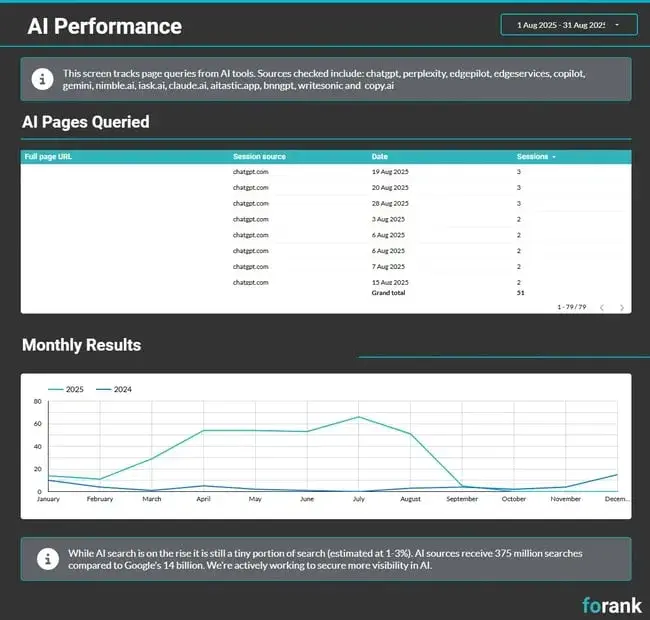
The latest seismic shift arrived with the advent of large language models (LLMs), generative AI, and conversational search capabilities. Platforms like ChatGPT, Perplexity, and Gemini, alongside Google’s own AI Overviews in search results, are fundamentally altering how users access information. Instead of merely presenting a list of links, AI-powered systems now synthesize information from various sources to provide direct answers, summarize content, and engage in dialogue. This development has introduced a new dimension to organic visibility, giving rise to what many term "Answer Engine Optimization" (AEO). While traditional SEO ensures discoverability in organic search results, AEO focuses on optimizing content to be understood, cited, and summarized accurately by AI systems. The interplay between these two facets defines the modern marketer’s challenge: to not only rank well but also to be a trusted source for AI.
Core Pillars of an Effective SEO Strategy and Their Tool Requirements
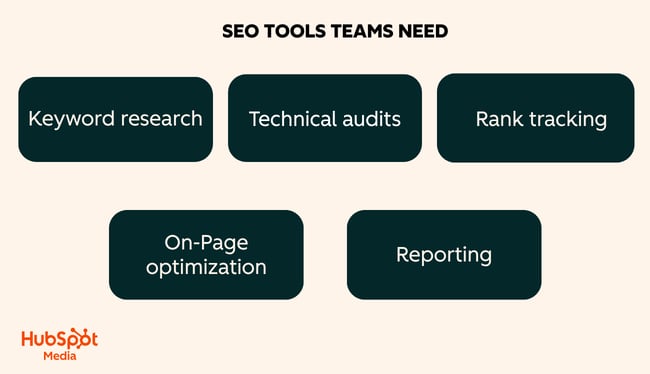
Despite the complexities introduced by AI, the foundational pillars of SEO remain critical, albeit with expanded definitions and enhanced tool support. A comprehensive SEO strategy hinges on five core functions: keyword research, technical audits, on-page optimization, rank tracking, and robust reporting. The right blend of tools ensures that each of these areas is addressed efficiently and effectively.
Keyword Research: Unlocking User Intent in a Conversational World
Keyword research has long been the starting point for almost every SEO initiative, dictating content creation and optimization strategies. In today’s environment, it transcends mere volume analysis to deeply understand user intent—whether a searcher seeks information, comparison, or a direct purchase. SEO tools are indispensable here, providing data on search volume, competition, and crucial related terms that would be prohibitively time-consuming to find manually. They facilitate topic clustering and intent analysis, enabling marketers to build comprehensive content ecosystems rather than isolated pages. With the rise of conversational AI, keyword research is also evolving to encompass more natural language queries and understand the nuances of how users phrase questions to AI agents, necessitating tools that can adapt to these new patterns.
Technical Audits: The Invisible Foundation of Online Visibility
Technical SEO governs the behind-the-scenes factors that determine whether search engines—and increasingly, AI crawlers—can efficiently crawl, index, and comprehend a website. Issues like broken links, duplicate content, slow load times, and indexing errors can severely hinder a site’s performance, regardless of content quality. Technical SEO tools are crucial for scanning vast websites to detect these often-invisible problems. They identify crawl issues, pinpoint Core Web Vitals (such as Largest Contentful Paint, First Input Delay, and Cumulative Layout Shift) problems, and flag schema markup errors. A technically sound website is the bedrock upon which all other SEO efforts can thrive; without it, even the most brilliant content may never reach its intended audience.
On-Page Optimization: Crafting Content for Humans and Algorithms
On-page optimization encompasses all elements directly on a webpage that influence its ranking, including titles, headers, body content, internal links, and image alt text. SEO tools assist in this by scoring content against top-ranking pages, suggesting relevant terms, and highlighting missing elements like meta descriptions. In the age of AI, on-page optimization also heavily relies on demonstrating E-E-A-T. Content must showcase clear expertise and be trustworthy, often requiring expert authorship, supporting data, and clear citations. While AI can assist in drafting, human oversight is paramount to ensure accuracy, nuance, and a distinctive brand voice.
Rank Tracking: Monitoring Performance in a Dynamic SERP
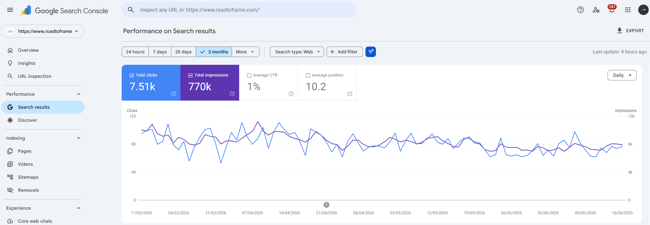
Rank tracking provides a quantifiable measure of a page’s position in search results over time, directly linking SEO efforts to tangible outcomes. SEO tools automate the monitoring of keyword positions, alerting marketers to significant fluctuations before they escalate. Modern rank trackers must account for the increasingly complex Search Engine Results Pages (SERPs), which feature rich snippets, local packs, video carousels, and now, AI Overviews. Tracking across different locations, devices, and SERP features is essential for a holistic view of visibility, as a single average ranking may not tell the full story.
Performance Reporting: Translating SEO into Business Value
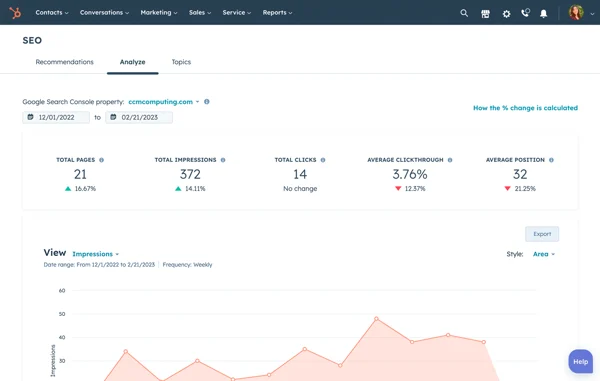
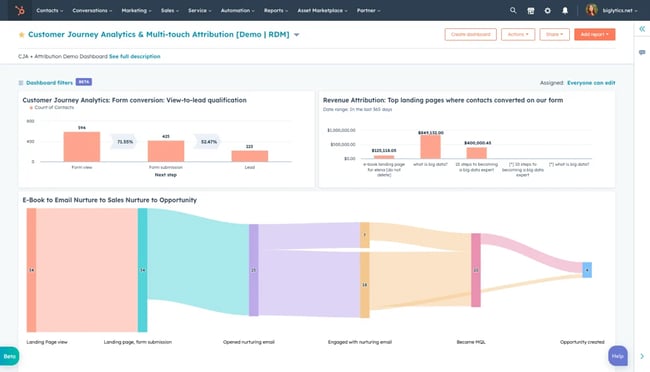
Reporting transforms SEO activity into verifiable evidence of channel effectiveness, crucial for securing continued investment and stakeholder buy-in. SEO tools facilitate this by consolidating traffic, ranking, and conversion data into digestible dashboards. Critically, the best reporting tools bridge the gap between organic performance metrics and core business KPIs like leads, conversions, and ultimately, revenue. In an era where every marketing dollar is scrutinized, consistent, data-driven reporting keeps leadership engaged and patient, demonstrating the long-term, profitable impact of SEO.
Indispensable Free SEO Tools for Every Marketer
For marketers operating on lean budgets or just embarking on their SEO journey, a suite of powerful free tools offers an excellent starting point. These resources provide essential capabilities for auditing, research, and fundamental optimization without requiring any financial outlay.
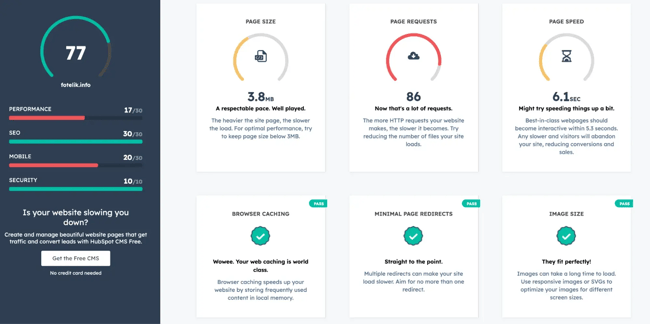
- HubSpot Website Grader: This free auditing tool offers a quick yet comprehensive evaluation of a website across critical categories such as performance, SEO, mobile, and security. By simply entering a URL and email, marketers receive an overall score and actionable recommendations for improvement, presented in clear, non-technical language. This makes it particularly valuable for non-technical teams or small business owners to identify and address issues.
- Google Search Console (GSC): Directly from Google, GSC is an invaluable resource for understanding how a website performs in Google Search. It provides authoritative data on impressions, clicks, average position, indexing status, and crawl errors. Marketers can use it to monitor Core Web Vitals, submit sitemaps, and diagnose security issues. Its direct reporting eliminates guesswork, offering unfiltered insights into Google’s perception of a site.
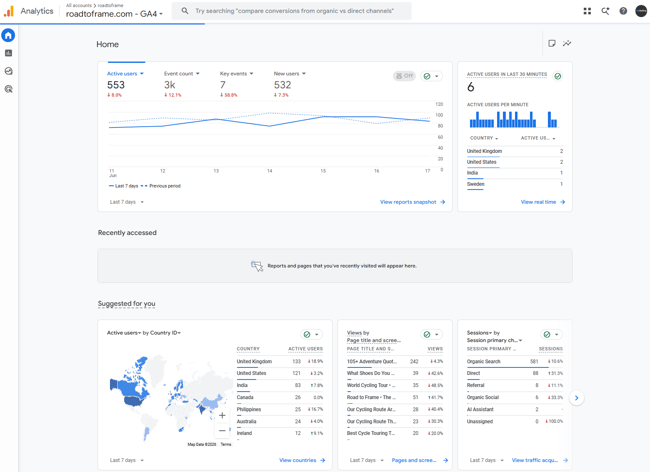
- Google Analytics (GA4): Google’s free analytics platform, now in its GA4 iteration, offers a comprehensive view of user interactions across a website and app. It tracks traffic sources, user behavior patterns, conversions, and engagement metrics. While not exclusively an SEO tool, GA4 provides the broader context of how organic traffic contributes to overall site performance and business objectives. Understanding user flow and content engagement within GA4 is crucial for refining SEO strategies.
- Google Lighthouse & PageSpeed Insights: These tools, integrated into Chrome DevTools and available as a standalone web interface, respectively, assess webpage performance, accessibility, and SEO. Lighthouse provides lab data for a quick audit, while PageSpeed Insights augments this with real-world user data from the Chrome User Experience Report, offering a more reliable picture of actual page performance. They are essential for optimizing site speed, a critical ranking factor and user experience element.
- Data Studio (now Looker Studio): Google’s free data visualization tool enables marketers to pull data from various sources (like GSC and GA4) into customizable, shareable dashboards. This streamlines reporting, allowing for automated updates and the presentation of complex data in an easily digestible format for stakeholders.
- Screaming Frog SEO Spider: This desktop-based crawler simulates how a search engine bot navigates a website, identifying technical issues such as broken links, redirect chains, duplicate content, and missing metadata. While a paid version unlocks full functionality, the free version allows crawls of up to 500 URLs, making it useful for smaller sites or targeted audits by intermediate to advanced SEO practitioners. Its ability to visualize site architecture and integrate with Google APIs for deeper data correlation is highly valued.
Advanced and Specialized SEO Platforms for Growth
As SEO programs mature and scale, the need for integrated, feature-rich platforms becomes apparent. These paid solutions offer comprehensive toolsets, advanced analytics, and often AI-powered functionalities to handle complex SEO workflows.
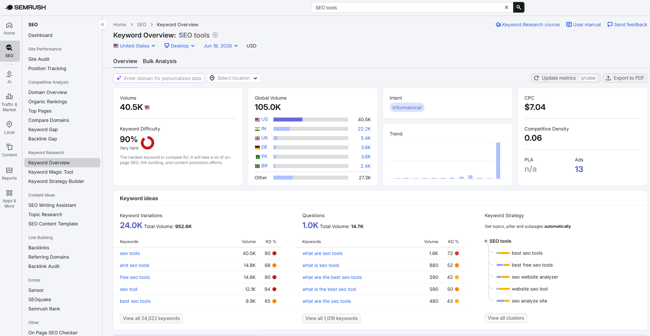
- Semrush: Widely recognized as an all-in-one SEO and marketing platform, Semrush offers extensive capabilities across keyword research, competitive analysis, site auditing, backlink analysis, and content marketing. Its AI-powered features assist in everything from generating content outlines to identifying topic clusters, significantly reducing manual effort. Marketers appreciate its robust data, user-friendly interface, and the breadth of its features, allowing for comprehensive campaign management within a single ecosystem. Pricing typically starts around $139.95/month.
- Ahrefs: Ahrefs is another industry-leading platform particularly renowned for its backlink analysis capabilities, competitive research, and detailed rank tracking. Its Rank Tracker component monitors keyword positions across various devices, locations, and search engines, storing historical data to correlate ranking changes with specific updates or algorithm shifts. Ahrefs provides deep insights into competitors’ strategies, content gaps, and link building opportunities, making it an indispensable tool for advanced SEO strategies. Plans including Rank Tracker start at approximately $129/month.
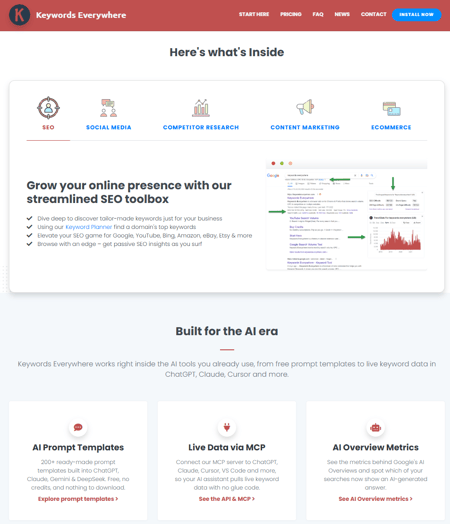
- Keywords Everywhere: This low-cost browser extension offers immediate keyword data (search volume, related terms, trend information) directly on search engine results pages and other content platforms. It’s an incredibly efficient way to conduct quick keyword checks without navigating to a separate tool, offering a practical solution for ad-hoc research. Packages start from an affordable $7/month.
- SurferSEO: Specializing in on-page content optimization, SurferSEO analyzes top-ranking pages for a target keyword and provides actionable recommendations within a live editor. It scores content based on factors like word count, keyword usage, and semantic relevance, guiding writers to create optimized content that aligns with SERP expectations. While powerful, it works best when paired with a savvy writer who can balance optimization scores with content quality and user experience. Plans start at $99/month.
The HubSpot Ecosystem: Integrated SEO, Content, and AI Visibility
For businesses already invested in the HubSpot platform, or those seeking a highly integrated solution, HubSpot offers a unified approach to SEO, content management, and now, AI visibility, all connected to its core CRM.
- Marketing Hub: HubSpot’s Marketing Hub centralizes marketing efforts, including robust SEO features. Its native integration with the CRM allows for unparalleled reporting, tracing organic traffic not just to page views but to actual leads, conversions, and closed revenue. This provides a clear, demonstrable ROI for SEO efforts that is often challenging to achieve with disparate tools.
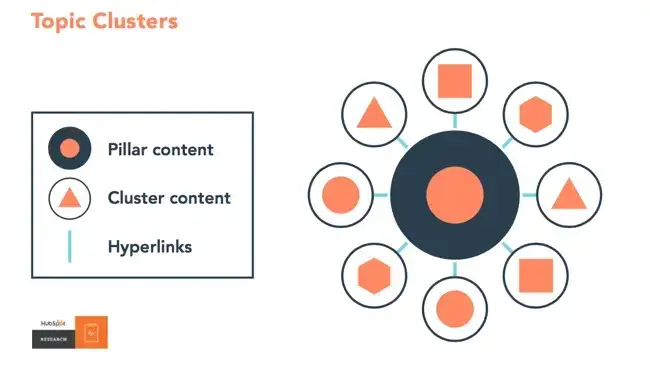
- HubSpot SEO Tool (Topic Clusters): Moving beyond individual keywords, HubSpot’s SEO tool facilitates the creation and management of topic clusters. This strategic approach organizes content around comprehensive pillar pages supported by a network of subtopic content, signaling deep topical authority to search engines and AI. The tool provides search volume and difficulty data for subtopic keywords, enabling efficient content planning and identification of content gaps.
- Content Hub and Breeze Assistant: Content Hub serves as HubSpot’s content management and creation platform. Integrated within it is Breeze, an AI assistant designed to act as a co-pilot rather than a replacement for human writers. Breeze assists with drafting sections, suggesting edits, summarizing research, and repurposing content directly within the editor. This human-in-the-loop approach ensures brand narrative, accuracy, and expertise are maintained, while SEO guidance (keyword usage, internal linking, meta descriptions) is surfaced in real-time during content creation.
- HubSpot SEO Recommendations: This tool scans domains and individual pages to generate prioritized SEO recommendations. Issues are grouped by category and impact, and crucially, assigned to either a "marketer" or "developer" role, clarifying who is responsible for implementation. This intelligent prioritization removes guesswork for non-technical teams and streamlines the remediation process.
Conquering the New Frontier: Tools for AI Search Optimization (AEO)
The shift towards AI-generated answers necessitates a new category of tools focused on Answer Engine Optimization (AEO). These tools help marketers understand how their brand is represented in AI responses and optimize for citation and favorable sentiment.
- AEO Grader: HubSpot’s free AEO Grader is a diagnostic tool that provides a snapshot of a brand’s representation within AI-generated answers from platforms like ChatGPT, Perplexity, and Gemini. By inputting brand details, users receive a composite visibility score (out of 100) broken down across five dimensions: sentiment, presence quality, brand recognition, share of voice, and market position. This tool is excellent for establishing an initial benchmark and understanding key areas for improvement in AI visibility.
- HubSpot AEO: Building on the AEO Grader, HubSpot AEO offers continuous tracking of a brand’s presence across major AI platforms. It monitors a custom set of prompts relevant to the business, reporting on visibility score, sentiment, competitor share of voice, and crucial citation analysis—showing which sources AI systems are referencing. Its integration with HubSpot’s Smart CRM ensures prompt suggestions are tailored to a business’s specific buyer personas, and identified visibility gaps can be directly addressed with content creation or updates within the HubSpot platform. Available in Marketing Hub Professional and Enterprise, or as a standalone product starting at $50/month.
- AirOps: AirOps is a full-stack AI search platform designed to bridge the gap between identifying an AI visibility issue and implementing a solution. It allows marketing teams to analyze content visibility and share of voice across AI engines, and crucially, provides tools to optimize content specifically for AI citation and summarization. For marketers aiming to retain narrative control and ensure their brand is accurately represented in AI-generated answers, AirOps offers sophisticated capabilities. Pricing starts at $200/month.
Strategic Implications and Future Outlook
The enduring relevance of SEO, even in the age of AI, underscores a fundamental truth: digital visibility remains paramount for business success. However, the nature of that visibility is becoming more multifaceted. Marketers must embrace a continuous process of adaptation, recognizing that traditional SEO and AEO are not mutually exclusive but rather complementary disciplines.
The strategic investment in SEO tools should align with a business’s current needs, team size, and growth trajectory. While free tools offer a solid foundation for beginners, scaling operations necessitate more integrated platforms that can handle larger content libraries, multiple markets, and sophisticated reporting requirements.
Crucially, the rise of AI does not diminish the role of human expertise; it elevates it. Strategy, critical interpretation of data, quality control for AI-generated content, and the nuanced understanding of human intent are skills that only human marketers can bring to the table. Tools are powerful enablers, but they are most effective when guided by informed human insight. Measuring true ROI means moving beyond vanity metrics like page views to demonstrably connect organic efforts to pipeline, conversions, and revenue, a task made significantly easier by CRM-integrated SEO platforms.
Conclusion: Empowering Marketers in a Dynamic Digital World
In conclusion, the notion that SEO is under threat from AI is a misinterpretation of an evolving digital landscape. Instead, AI presents both new challenges and unprecedented opportunities for organic visibility. A robust and intelligently curated stack of SEO tools is not merely an advantage; it is an absolute necessity for modern marketers. By strategically selecting tools that cover core functions—from keyword research and technical audits to on-page optimization, rank tracking, and sophisticated reporting—businesses can ensure their content remains discoverable, credible, and impactful across both traditional search engines and emerging AI answer engines. Empowering marketing teams with the right technology, coupled with human expertise, is the key to thriving in this dynamic digital world, transforming organic visibility into a powerful driver of sustainable business growth.