

In a significant expansion of its digital marketing suite, Instapage has announced a series of platform enhancements designed to address the increasing complexities of campaign management and web development for modern marketers. The update introduces a robust campaign scheduling system, a new library of website-specific page templates, and the formal launch of the Instapage Early Access Program. These developments signal a strategic shift for the company, moving beyond traditional single-page landing page optimization toward a more comprehensive, automated web presence management system. As digital advertising costs continue to rise, the ability to rapidly deploy, manage, and optimize high-converting web pages has become a critical differentiator for brands seeking to maximize their return on ad spend (ROAS).
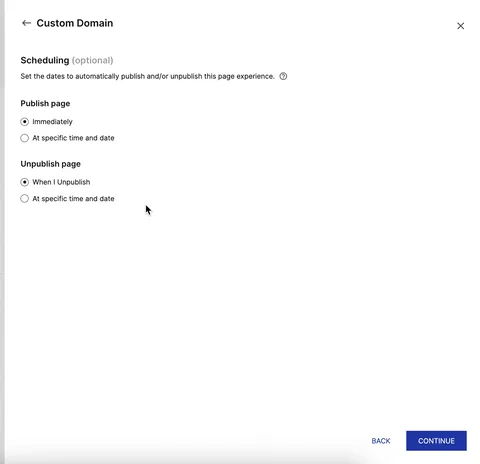
The centerpiece of this update is the new Scheduling feature, which is currently being rolled out to customers on select subscription plans. This tool allows marketing teams to automate the lifecycle of their landing pages by setting specific dates and times for publishing, unpublishing, and updating content. In the high-stakes environment of digital advertising, where seasonal promotions and time-sensitive offers drive a significant portion of revenue, the manual management of page visibility has long been a bottleneck. By providing a "set-and-forget" mechanism, Instapage aims to eliminate the operational risks associated with manual updates, such as missed deadlines or outdated offers remaining live past their expiration.
Industry data suggests that marketing automation is no longer a luxury but a necessity for scaling operations. According to recent market research, the global marketing automation software market is projected to grow at a compound annual growth rate (CAGR) of over 12% through 2030. This growth is driven by the need for efficiency in managing multi-channel campaigns. Instapage’s scheduling tool directly addresses this demand by allowing marketers to synchronize their landing page availability with their broader advertising schedules on platforms like Google Ads and Meta. For instance, a retail brand running a 48-hour flash sale can now program their landing page to go live at midnight and revert to a "sale ended" or "waitlist" page automatically at the conclusion of the event, ensuring a seamless user experience without requiring midnight intervention from staff.
In addition to automation, Instapage is expanding its design capabilities with the introduction of Website Page Templates. While the platform has built its reputation on high-performance landing pages, internal data indicated that a substantial portion of its user base was utilizing the no-code builder to construct full-scale websites. Recognizing this trend, the company has developed a new category of templates specifically tailored for multi-page site structures. These templates cover nine distinct industries, including Real Estate, Beauty, and Consumer Products. Each template is engineered with the same focus on conversion optimization that characterizes Instapage’s landing pages, but with layouts optimized for "About Us," "Services," and "Contact" pages.
This move into website templates reflects a broader trend in the SaaS industry where the lines between landing page builders and Content Management Systems (CMS) are blurring. For small to medium-sized businesses (SMBs), the ability to build a cohesive, professional-grade website using a drag-and-drop interface—without the need for a dedicated web development team—lowers the barrier to entry for digital competition. By providing industry-specific layouts, Instapage reduces the time-to-market for new brands, allowing them to establish a credible online presence in hours rather than weeks.
The chronology of Instapage’s recent product development suggests a rapid acceleration in their release cycle. Over the past several months, the platform has integrated several high-demand features, including interactive Carousels for better visual storytelling, advanced Popups for lead capture, and a completely redesigned Dashboard to improve user navigation. This aggressive roadmap led to the creation of the Instapage Early Access Program (EAP), a community-focused initiative designed to foster a closer relationship between the platform’s developers and its most active users.
The Early Access Program serves a dual purpose. For the users, it provides a competitive advantage by granting early access to cutting-edge tools before they are released to the general public. For Instapage, it creates a robust feedback loop that ensures new features are "battle-tested" in real-world scenarios. Members of the EAP are encouraged to provide qualitative feedback and report technical nuances, which directly influences the final iteration of the product. This collaborative approach to development is increasingly common among top-tier SaaS providers, as it minimizes the risk of launching features that do not align with market needs.
Market analysts observe that the evolution of tools like Instapage is a response to the "Conversion Gap"—the discrepancy between the traffic brands generate through paid media and the number of visitors who actually complete a desired action. Recent benchmarks indicate that the average conversion rate across all industries sits around 2.35%, though the top 10% of companies see conversion rates three to five times higher. Tools that allow for better segmentation, faster page loads, and more relevant content—such as the new templates and scheduling features—are essential for brands looking to break into that top tier.
The introduction of these features also has significant implications for team collaboration. In larger organizations, the disconnect between creative teams, media buyers, and web developers often leads to friction and delayed campaign launches. By centralizing the scheduling and design process within a single, no-code environment, Instapage enables marketing managers to take full ownership of the campaign lifecycle. This reduces the reliance on IT departments for minor updates, thereby freeing up technical resources for more complex backend tasks.
Looking ahead, the integration of these features sets the stage for further innovations in personalization and AI-driven optimization. As marketers gather more data through the Early Access Program, it is expected that Instapage will continue to refine its automation capabilities. The shift toward a more holistic "website" approach, combined with precision scheduling, positions the platform as a central hub for digital growth rather than just a peripheral tool for ad-hoc landing pages.
For existing customers, the new features are accessible through the standard platform interface, with Scheduling being available to those on specialized plans. New users are being offered a 14-day free trial to explore the full suite of tools, including the industry-specific website templates and the new dashboard. As the digital landscape becomes increasingly crowded, the focus on operational efficiency and user experience provided by these updates may prove vital for brands aiming to maintain a competitive edge.
The broader impact of these updates on the marketing technology (MarTech) ecosystem cannot be overstated. By simplifying the technical aspects of web management, Instapage is contributing to the democratization of digital marketing. When sophisticated tools like automated scheduling and high-conversion templates become accessible to non-technical users, the focus of competition shifts from who has the largest development budget to who has the most compelling message and the best understanding of their audience.
In summary, the latest announcement from Instapage represents a multi-pronged approach to solving modern marketing challenges. Through the automation of the Scheduling feature, the diversification of Website Page Templates, and the community-driven Early Access Program, the platform is reinforcing its commitment to conversion-centric design and operational agility. As businesses navigate an era of rapid digital transformation, these tools provide the necessary infrastructure to scale campaigns effectively, engage audiences meaningfully, and ultimately drive higher conversion rates in an increasingly complex online marketplace. The success of these initiatives will likely be measured by the increased productivity of marketing teams and the improved performance of the digital assets they create, as they leverage these new capabilities to turn casual clicks into loyal customers.







