

Adalysis, a leading provider of award-winning Pay-Per-Click (PPC) management software, has been actively engaged in a significant content initiative focused on the critical area of PPC KPI (Key Performance Indicator) monitoring. Over the past several months, the company has been publishing an extensive series of articles dedicated to this subject, aiming to equip digital marketers with the knowledge and tools necessary to effectively track, analyze, and optimize their PPC campaigns. This ongoing series, which has garnered substantial readership, is now being highlighted to ensure a wider audience of industry professionals is aware of its depth and value.
Background and Context: The Evolving Landscape of PPC Management
The digital advertising ecosystem is characterized by its dynamic nature. Constant shifts in platform algorithms, evolving consumer behavior, and an ever-increasing volume of data necessitate a sophisticated approach to campaign management. For PPC professionals, this translates into a continuous need to monitor a multitude of metrics to gauge campaign health, identify opportunities, and mitigate risks. Key Performance Indicators, or KPIs, serve as the compass and the map for navigating this complex terrain. They provide quantifiable measures of success and allow marketers to make data-driven decisions that directly impact return on investment (ROI).
Historically, PPC management often relied on a more rudimentary understanding of performance. Metrics like click-through rates (CTR) and cost-per-click (CPC) were primary indicators. However, as the industry matured and the sophistication of advertising platforms increased, so too did the complexity of what constitutes effective campaign management. The focus has shifted from simply driving clicks to achieving specific business objectives, such as lead generation, sales, or brand awareness. This paradigm shift demands a more granular and analytical approach to KPI monitoring.
Adalysis’s Strategic Content Initiative: A Deep Dive into PPC KPI Monitoring
Adalysis, as a software provider focused on enhancing PPC management, has recognized this critical industry need. Their extensive series on PPC KPI monitoring is a testament to their commitment to providing valuable insights and practical guidance to their user base and the broader digital marketing community. The series aims to move beyond superficial metric tracking and delve into the nuances of understanding why these numbers fluctuate and what actionable insights can be derived from them.

The articles within this series are designed to be a comprehensive resource, covering a wide spectrum of essential KPIs and analytical techniques. They aim to demystify complex data, offering clarity on how to interpret performance trends and make informed adjustments to campaigns. The emphasis is on providing actionable strategies that can lead to tangible improvements in campaign effectiveness and efficiency.
The "Story So Far": A Glimpse into the Series’ Breadth
While the provided content does not detail the specific articles published thus far within the series, the overarching theme of "PPC KPI Monitoring" suggests a methodical progression through key aspects of campaign analysis. A robust series on this topic would typically encompass:
- Foundational KPIs: Understanding core metrics such as Impressions, Clicks, CTR, CPC, Cost, Conversions, Conversion Rate, and Cost Per Acquisition (CPA). The series likely explores not just the definition of these metrics but also their interdependencies and how they collectively paint a picture of campaign performance.
- Advanced Metrics and Segmentation: Moving beyond basic metrics, the series would likely delve into more sophisticated indicators like Return on Ad Spend (ROAS), Customer Lifetime Value (CLV) as it relates to PPC acquisition, and impression share. Furthermore, effective KPI monitoring often involves segmentation by device, location, audience, ad group, and keyword, allowing for a more granular understanding of performance drivers.
- Trend Analysis and Anomaly Detection: A critical aspect of KPI monitoring is the ability to identify trends and anomalies. This involves understanding how metrics change over time, recognizing patterns that indicate success or potential issues, and promptly addressing any unexpected deviations from expected performance.
- Attribution Modeling: In a multi-touch customer journey, understanding which touchpoints contribute to conversions is crucial. The series might explore different attribution models and how they influence the interpretation of KPI data.
- Platform-Specific Considerations: While many KPIs are universal, their interpretation and the strategies for optimizing them can vary significantly across different PPC platforms such as Google Ads, Bing Ads, and social media advertising platforms.
Upcoming Article: "KPI Monitoring & Diagnosis: Why Does the Number of Clicks You Receive Change Over Time?"
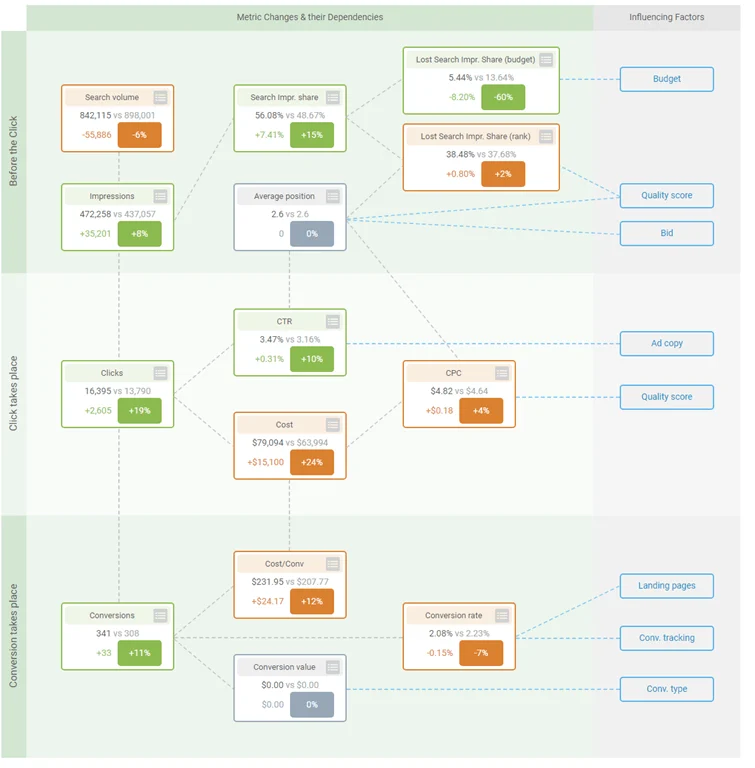
The upcoming article, "KPI Monitoring & Diagnosis: Why Does the Number of Clicks You Receive Change Over Time?", highlights a specific, yet fundamental, challenge in PPC management. Understanding the fluctuations in click volume is paramount for diagnosing campaign performance. This article promises to delve into the multifaceted reasons behind these changes, which can include:
- Budgetary Constraints: Changes in daily or campaign budgets can directly impact the number of ads shown and, consequently, the number of clicks received. Insufficient budgets can lead to ads being paused or shown less frequently, thereby reducing click volume.
- Bidding Strategies: Adjustments to bidding strategies, whether manual or automated, can significantly influence ad position and visibility. A decrease in bids might lead to lower ad rankings and fewer impressions, resulting in fewer clicks. Conversely, an aggressive bidding strategy could increase visibility and clicks, but at a higher cost.
- Competition Levels: The competitive landscape in PPC is constantly shifting. An increase in competitor activity, especially aggressive bidding on shared keywords, can lead to a decrease in impression share and thus click volume for a given advertiser. Conversely, a reduction in competitor bids can open up opportunities.
- Seasonality and Trends: Many industries experience seasonal fluctuations in demand. For example, e-commerce businesses often see a surge in clicks during holiday seasons and a dip in off-peak periods. Broader market trends or news events can also influence search interest and, by extension, click volume.
- Ad Scheduling and Targeting: Changes to ad scheduling (e.g., not showing ads during certain hours or days) or adjustments to targeting parameters (e.g., narrowing or expanding geographic reach, audience exclusions) can directly affect the pool of potential clicks.
- Quality Score and Ad Relevance: Google Ads and other platforms reward advertisers who provide relevant ads and positive user experiences with higher Quality Scores. A decline in Quality Score can lead to lower ad rankings and reduced visibility, impacting click volume.
- Campaign Pauses or Changes: Unforeseen issues, such as issues with website landing pages, tracking errors, or manual account adjustments, can lead to entire campaigns or ad groups being paused, directly halting click acquisition.
- External Factors: Broader economic conditions, major news events, or even significant weather patterns can indirectly influence consumer behavior and search demand, leading to shifts in click volume.
By addressing this specific question, Adalysis aims to provide a diagnostic framework for marketers to systematically investigate why their click numbers are changing, enabling them to take appropriate corrective actions.
Accessing the Series and Subscribing to Adalysis Blog

Adalysis provides clear pathways for interested parties to access the full series and stay updated on future content. The entire series on PPC KPI Monitoring can be found by visiting the Adalysis blog and navigating to the relevant category. For those who wish to receive regular updates directly, a subscription option to the Adalysis blog is available, ensuring they do not miss out on future insights and analyses.
- Full Series Access: https://adalysis.com/blog/category/ppc-management/performance-analyzer/
- Blog Subscription: https://adalysis.com/subscribe-to-adalysis-blog/
Illustrative Visualizations: Demonstrating Depth and Detail
The inclusion of accompanying images within the original announcement serves to visually communicate the depth and detail that Adalysis is bringing to its content. These visualizations, likely screenshots or custom graphics, would offer a tangible glimpse into the platform’s capabilities and the analytical approaches discussed in the articles. Such visuals can range from:
- Dashboards showcasing key PPC metrics: These might highlight trends, comparisons, and performance against benchmarks.
- Data segmentation and filtering interfaces: Demonstrating how users can drill down into specific segments of their data to identify performance drivers.
- Reporting tools illustrating campaign performance: Showcasing how data is presented to facilitate understanding and decision-making.
- Visualizations of data analysis: Such as charts and graphs that depict trends, correlations, or anomalies in performance metrics.
These visual aids are crucial in making complex data more accessible and understandable, reinforcing the practical value of the educational content.
Broader Impact and Implications for the PPC Industry
The commitment by Adalysis to produce such an in-depth and ongoing series on PPC KPI monitoring has several significant implications for the digital marketing industry:
- Elevating Best Practices: By providing comprehensive guidance, Adalysis contributes to raising the bar for PPC management practices across the industry. Marketers who engage with this content are likely to adopt more sophisticated and data-driven approaches.
- Empowering Marketers: The series aims to empower marketers, from novices to seasoned professionals, with the knowledge to better understand and control their campaign performance. This can lead to more effective ad spend and improved ROI for businesses.
- Driving Platform Innovation: The focus on KPI monitoring and analysis also indirectly informs platform development. By highlighting what data is crucial and how it needs to be interpreted, companies like Adalysis can influence the features and reporting capabilities of PPC platforms themselves.
- Fostering Data Literacy: In an era of big data, the ability to interpret and act upon performance metrics is a fundamental skill. This series contributes to the broader goal of increasing data literacy within the marketing profession.
- Reinforcing Adalysis’s Position as a Thought Leader: By consistently producing high-quality, educational content, Adalysis solidifies its reputation as a thought leader and a valuable resource in the PPC management software space. This can attract new users and strengthen relationships with existing ones.
In conclusion, Adalysis’s extensive series on PPC KPI monitoring represents a significant contribution to the ongoing education and advancement of digital marketing professionals. The detailed exploration of performance metrics, coupled with practical diagnostic insights, offers a valuable resource for anyone seeking to optimize their PPC campaigns in an increasingly competitive digital landscape. The upcoming article on click volume fluctuations underscores the series’ commitment to addressing fundamental yet often complex challenges faced by marketers.









