
Google Ads’ video sequence campaigns provide advertisers with a powerful tool to craft compelling narratives by delivering multiple video clips to individual viewers in a precise, predetermined order. While other YouTube advertising formats are widely recognized for their reach and awareness-generating capabilities, sequence campaigns distinguish themselves through their unique ability to orchestrate a viewer’s journey through a series of videos, fostering a deeper level of engagement and comprehension. This strategic sequencing allows businesses to build brand stories, educate consumers, and guide them through a funnel, from initial awareness to final conversion.
At its core, a video sequence campaign leverages a series of ads to tell a cohesive story, with each video building upon the last. Unlike other multi-video ad formats where viewers might encounter ads in a random or user-determined order, sequence campaigns enforce a strict progression. This controlled narrative flow is crucial for complex messaging, product demonstrations, or the phased introduction of new offerings. Google provides six distinct campaign templates, each designed with a specific strategic objective in mind, enabling advertisers to align their video storytelling with their overarching marketing goals. These templates cater to various stages of the customer journey, from sparking initial interest to reinforcing brand messages and driving immediate action.
Setting Up Your Video Sequence Campaign
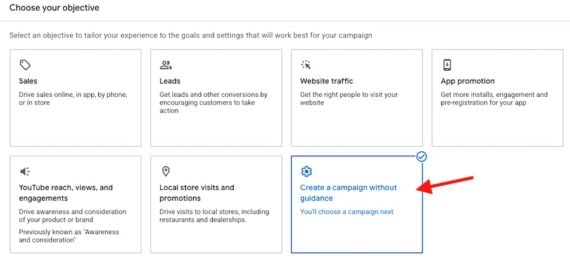
The initial setup for a video sequence campaign begins within the Google Ads platform by selecting the "Create a campaign without guidance" option. From there, advertisers must choose the "Video" campaign type. It is important to note that opting for the "YouTube reach, views, and engagements" objective will not present the ad sequence option. Instead, advertisers must proceed to select the "Ad sequence" subtype. This specific subtype is the gateway to unlocking the structured storytelling capabilities of sequence campaigns.
Once the "Ad sequence" subtype is chosen, advertisers can then configure the core campaign settings. A critical aspect of video sequence campaigns is the bidding strategy and frequency capping. Advertisers are limited to using "target CPM" (Cost Per Mille, or cost per thousand impressions) bidding. This approach focuses on efficiently reaching a broad audience and managing impression costs. Furthermore, to prevent ad fatigue and ensure a positive viewer experience, frequency capping is a mandatory setting. Advertisers can choose to limit how often an individual can see the entire sequence, with options set at once every 7 days or once every 30 days. This control over exposure is vital for maintaining the impact of the sequential messaging.

The Architecture of a Video Sequence
The structure of a video sequence campaign is built around ad groups, where each step in the sequence corresponds to a distinct ad group. For instance, a sequence comprising four video steps will necessitate the creation of four ad groups. Within each ad group, advertisers define the specific video creative, its accompanying text, and the call-to-action (CTA) that will be presented to the viewer at that particular stage of the sequence.
The progression between these video steps is governed by transition rules, offering advertisers granular control over the viewer’s experience. For videos beyond the first in the sequence, transitions can be triggered by one of three user actions: an "impression" (meaning the previous video was displayed), a "view" (meaning the previous video was watched to a certain extent, typically defined by Google’s view-through rate metrics), or a "skip" (meaning the user chose to skip the previous video). For example, the second video in a sequence might be programmed to display only if the first video received an impression. Subsequently, the third video could be set to appear only if the second video was viewed. This ability to customize step transitions allows advertisers to construct sophisticated narratives that adapt to user behavior, creating a more dynamic and engaging viewing experience.
To facilitate the creation of these sequential narratives, Google offers the Asset Studio, a powerful suite of tools within Google Ads. The "Trim videos" option within Asset Studio is particularly useful for sequence campaigns, enabling advertisers to easily shorten existing video assets to fit specific time constraints or to break down longer videos into digestible segments. This tool supports various video formats and durations, making it a versatile resource for content optimization. While Asset Studio also offers AI-powered video creation capabilities, advertisers are advised to use these judiciously, particularly when aiming for a consistent brand voice and narrative flow across a sequence. The ability to precisely edit and repurpose video content is paramount to crafting effective, multi-part ad campaigns that maintain viewer interest.
Illustrative Case Study: Yarbo Robot Lawn Mowers
To illustrate the practical application of video sequence campaigns, consider the hypothetical scenario of Yarbo, a company manufacturing robot lawn mowers. Yarbo’s marketing team aims to implement an "Introduce and reinforce" sequence to educate potential customers about their innovative product and drive them towards purchase.
For the first step of their sequence, Yarbo’s team selects a compelling demo video showcasing the robot mower in action. This video is then trimmed using Google’s Asset Studio into two distinct parts. The first part might focus on the core benefit of the product, featuring a headline such as "Save Time." The accompanying call-to-action could be "Learn more," directing viewers to Yarbo’s homepage where they can gain a broader understanding of the company and its offerings. This initial touchpoint aims to capture the attention of individuals who may be seeking solutions for lawn care and introduce them to the concept of a robot mower.
Following this initial introduction, the second video in the sequence is designed to reinforce the message and encourage immediate action. This video might highlight a current promotional offer, with a headline like "Labor Day Sale." The CTA would then be more direct, such as "Buy now," linking directly to the product page for the robot lawn mower. This phased approach allows Yarbo to first pique interest and establish familiarity with the product before presenting a time-sensitive purchase opportunity. The Yarbo team can further optimize this sequence by A/B testing different headlines, CTAs, and landing pages to identify the combinations that yield the highest engagement and conversion rates.
Alternatively, using the same core demo video, Yarbo could construct an "Engage and differentiate" sequence. This approach would involve breaking down the demo into four shorter, 15-second clips. Each clip would highlight a specific feature or benefit of the robot mower, such as its precision cutting, all-weather durability, smart navigation capabilities, and eco-friendly operation. This sequence aims to progressively educate the viewer on the unique selling propositions of Yarbo’s product, building a comprehensive picture of its value proposition and differentiating it from competitors in the market.
Interpreting Campaign Performance
The primary objective of video ad sequence campaigns is to cultivate demand and foster deep engagement with the brand’s message. Google Ads provides a suite of key metrics to help advertisers assess the performance of these campaigns:
- Impressions: This metric tracks the total number of times the videos within the sequence were displayed to users. It provides an indication of the campaign’s reach.
- Views: This metric measures how many times the videos were watched to completion or for a predefined duration, signifying user engagement with the content.
- Completions: Specifically for sequence campaigns, this metric indicates the number of times a user successfully watched the entire sequence of videos. This is a strong indicator of sustained interest and narrative absorption.
Beyond these core metrics, advertisers can also track traditional performance indicators such as clicks to landing pages and, ultimately, conversions. However, the unique value of sequence campaigns lies in their ability to drive engagement. For instance, a video that is consistently skipped or only partially viewed by a significant portion of the audience may indicate a need for content refinement. A low completion rate for the entire sequence, despite high initial impressions, suggests that the narrative flow or the individual video content might not be compelling enough to hold viewer attention throughout the intended journey. Analyzing these engagement metrics in conjunction with conversion data provides a holistic understanding of the campaign’s effectiveness in not only reaching but also resonating with the target audience.
Broader Implications for Digital Advertising
The advent and refinement of Google Ads’ video sequence campaigns represent a significant evolution in how advertisers can leverage video for strategic communication. By moving beyond one-off video ads, businesses can now construct intricate, multi-stage narratives that mirror the customer’s decision-making process. This capability is particularly relevant in today’s fragmented digital landscape, where capturing and retaining audience attention is increasingly challenging.

The structured approach offered by sequence campaigns allows for a more personalized and contextually relevant advertising experience. As users progress through the sequence, their engagement provides valuable data that can inform future iterations of the campaign. For example, if a particular transition point consistently results in a high drop-off rate, advertisers can infer that the messaging at that stage may need adjustment or that the preceding video did not effectively set the stage. This iterative feedback loop is crucial for optimizing campaign performance and maximizing return on investment.
Furthermore, the ability to control the order of video delivery can be instrumental in building brand loyalty and fostering a deeper connection with consumers. By carefully crafting a narrative that educates, entertains, and persuades, advertisers can guide viewers from passive observers to active participants and, ultimately, to loyal customers. This sophisticated approach to video advertising underscores a broader trend in digital marketing: the shift towards storytelling and building relationships, rather than simply broadcasting messages. As video content continues to dominate online consumption, tools like Google Ads’ video sequence campaigns will undoubtedly play an increasingly vital role in helping businesses cut through the noise and achieve their marketing objectives. The strategic deployment of these campaigns can transform passive viewers into engaged prospects, laying the groundwork for sustained brand growth and customer advocacy.