Iffa Jayyana
The holiday shopping season, traditionally anchored by Black Friday and Cyber Monday, has evolved into an extended period of intense consumer activity, stretching from early November clear through the final week of December. For businesses, this period represents the most critical sales window of the year, where every interaction with a potential customer holds significant weight. In this hyper-competitive landscape, the email subject line emerges as the undisputed gatekeeper, determining whether a meticulously crafted marketing message reaches its intended audience or is lost in the deluge of promotional content. Understanding the intricate psychology behind what compels recipients to open an email, coupled with robust strategies and diligent attention to deliverability, is paramount for unlocking revenue potential during this pivotal time.
The Evolution of Holiday Shopping: A Contextual Overview
Black Friday, historically the day after Thanksgiving, marked the unofficial start of the Christmas shopping season, characterized by physical store crowds and doorbuster deals. Its digital counterpart, Cyber Monday, emerged in the early 2000s to encourage online shopping. Over the past decade, these single-day events have metastasized into "Cyber Week" and, more broadly, an entire "Cyber Month," with deals beginning as early as November 1st and extending beyond Christmas. This prolonged shopping period is a direct response to consumer demand for convenience, extended access to discounts, and the increasing dominance of e-commerce.
The COVID-19 pandemic further accelerated the shift towards online retail, solidifying digital channels as primary shopping destinations. This seismic shift means that consumers are more reliant than ever on email communications for discovering deals, gift ideas, and brand updates. Industry data consistently shows email marketing delivering a significant return on investment (ROI), often cited between $36 to $42 for every $1 spent, making it an indispensable tool for holiday campaigns. However, this high ROI is contingent on messages not just being sent, but crucially, being opened.
The Psychology of the Inbox: Decoding Consumer Behavior
During the holiday season, an average subscriber can receive hundreds, if not thousands, of marketing emails. In this crowded digital space, the decision to open an email is made in milliseconds. It’s not just the subject line that matters; it’s the entire "inbox envelope" experience.
- Sender Name Recognition: Subscribers scan sender names first. A clear, recognizable brand name (e.g., "Your Brand Name" instead of "Marketing Team at YBN" or overly keyword-stuffed alternatives) builds immediate trust and recognition. Brands leveraging BIMI (Brand Indicators for Message Identification) further enhance this by displaying a verified logo next to their subject line, a significant trust signal that can improve open rates by up to 10%.
- Preview Text as an Extension: The preview text (preheader) acts as a secondary subject line, offering a crucial opportunity to expand on the subject line’s message or provide an additional hook. Ignoring this space or allowing it to auto-populate with generic content is a missed opportunity.
- Fear vs. Fun: The Urgency Dilemma: While Fear Of Missing Out (FOMO) tactics like "LAST CHANCE!" or "Deal Ends Soon!" can be effective, their overuse, particularly during Black Friday and Cyber Monday, has led to subscriber fatigue. Consumers are savvier; they anticipate subsequent deals and can become desensitized to constant urgency. Strategic marketing shifts suggest that a touch of whimsy, humor, or positive emotional connection can differentiate a brand and foster a more enduring relationship, rather than relying solely on transactional fear.
- Story Over Pure Sales: Even amidst a season driven by discounts, consumers connect with brands that offer more than just a price cut. Recalling why a subscriber engaged with the brand in the first place—be it for unique products, ethical practices, or inspiring content—and weaving that narrative into the email’s promise can elevate an email beyond a mere sales pitch. This approach resonates deeper and builds loyalty.
- The Nuance of Personalization: While personalization generally boosts engagement (with marketers reporting a 20% revenue increase from personalized subject lines and segmented campaigns driving 760% more revenue than unsegmented ones), its application during the holidays requires nuance. As email marketing expert Chad S. White points out, holiday shoppers are often buying gifts for others, not themselves. This limits the direct applicability of past purchase data for tailoring gift-related subject lines. While using a recipient’s first name can still add a friendly touch, focusing on gift-giving language ("For the perfect gift," "Find something for everyone") for segments identified as gift-buyers can be more effective than trying to personalize based on individual preferences. However, for self-purchase opportunities or post-holiday engagement, granular personalization based on zero- and first-party data remains a powerful tool.
Strategic Approaches to Crafting Compelling Subject Lines
To cut through the noise, marketers must adopt a multi-faceted approach to subject line creation, adhering to fundamental best practices while embracing creativity and strategic timing.
- Be Concise: In a cluttered inbox, brevity is king. Subject lines should aim for no more than nine words and approximately 60 characters. This ensures the full message is visible on most devices and email clients, preventing truncation and immediate disinterest.
- Prioritize Segmentation: Tailoring subject lines to specific audience segments dramatically improves open and conversion rates. Segments could be based on past purchase behavior (e.g., loyal customers vs. new subscribers), engagement levels, or inferred intent (e.g., gift-givers vs. self-purchasers).
- Genuine Urgency and Intrigue: While avoiding heavy-handed FOMO, genuine scarcity (e.g., "Limited stock," "Only X hours left for free shipping") or an intriguing question can effectively prompt opens. The key is authenticity; consumers quickly learn to distrust fabricated urgency.
- Multi-Channel Consistency: Email campaigns should not operate in a vacuum. A cohesive, multi-channel strategy—integrating messaging across social media, paid ads, and website copy—reinforces brand identity and campaign offers. A shared campaign brief outlining send cadence, discount structures, segmentation plans, visual direction, and triggered emails (like abandoned cart reminders) ensures a unified customer experience.
- Prepare Subscribers with Teasers: The holiday shopping season begins early. Teasing upcoming offers as early as November 1st can build anticipation and prime subscribers to actively look for a brand’s emails amidst the Black Friday rush. Messages like "Early access starts soon!" or "Something big is coming…" can create a sense of exclusivity and excitement.
- Strategic Use of Emojis: Emojis can significantly increase open rates by adding visual appeal and helping an email stand out. However, they must be used judiciously. Stick to one or two emojis per subject line that align with the brand’s tone and message. Crucially, emojis should enhance the message, not replace words, ensuring accessibility for all users and avoiding potential misinterpretation or spam triggers. Avoid ubiquitous emojis like the red siren or alarm clock, opting instead for unique, brand-relevant icons.
- Embrace Creativity, Ditch Clichés: In an era of AI-generated content, generic or cliché subject lines fall flat. Differentiation is key. Marketers should front-load the most important information in their subject lines, recognizing that recipients are scanning rapidly. Injecting humor, curiosity, or a unique brand voice can capture attention more effectively than a standard "Huge Sale!"
Navigating the Holiday Email Marketing Timeline with Targeted Subject Lines
The holiday season is not a monolithic event but a series of distinct phases, each requiring tailored subject line strategies.
- Early Season / Teasers (Early November): Build anticipation.
- "Get Ready: Our Holiday Deals Are Coming!"
- "🤫 Psst… A Sneak Peek at Our Holiday Sale!"
- "Mark Your Calendars: Holiday Savings Ahead!"
- "Be the First: Exclusive Early Access Coming Soon"
- Black Friday & Cyber Monday Peak (Late November): Highlight deals with balanced urgency.
- "Black Friday Is HERE! Up to 50% Off Everything"
- "Cyber Monday Madness: Don’t Miss These Online Deals!"
- "⚡️ Flash Sale: Limited Stock, Unbeatable Prices!"
- "Your Holiday Shopping Just Got Easier: BFCM Deals Inside!"
- Mid-December / Gift Guides: Focus on solutions for gift-giving.
- "Still Searching? Your Perfect Gift Guide Is Here!"
- "Gifts for Everyone on Your List (Even the Hard-to-Buy-For!)"
- "Last Call for Christmas Delivery! Shop Now!"
- "Treat Yourself (or Someone Else!) with These Holiday Finds"
- Last-Minute Shopping (Late December): Target procrastinators with clear solutions.
- "Panic-Free Gifting: Digital Gift Cards & Express Shipping!"
- "Oh No! Almost Out of Time? We’ve Got You Covered!"
- "Still Need a Gift? Our Top Picks for Instant Delivery"
- "Don’t Miss Out! Final Day for Holiday Savings"
- Post-Holiday Engagement (Late December / Early January): Offer value beyond sales, focus on new beginnings or returns.
- "Happy New Year! Your Fresh Start Savings Are Here"
- "Did You Get What You Really Wanted? Shop Our Post-Holiday Sale!"
- "New Arrivals Just Dropped! Start 2024 Fresh"
- "Time to Treat Yourself: Post-Holiday Indulgences"
The Unseen Guardian: Why Email Deliverability is Paramount
Even the most ingeniously crafted subject line, backed by a perfectly segmented campaign and compelling offers, is rendered useless if the email never reaches the recipient’s inbox. This is where deliverability becomes as critical as the subject line itself. Deliverability refers to a brand’s ability to successfully land emails in the primary inbox, rather than being flagged as spam, relegated to a promotions tab, or outright blocked by Mailbox Providers (MBPs) like Gmail, Outlook, and Yahoo.
Poor deliverability directly impacts email ROI. When emails consistently land in spam folders, it signals to MBPs that the sender might be engaging in undesirable practices, leading to a damaged sender reputation. A poor sender reputation creates a vicious cycle: more emails land in spam, further eroding reputation, and so on. This translates into lost opportunities, reduced engagement, and ultimately, significant revenue loss.
Key factors influencing deliverability include:
- Sender Reputation: A score assigned by MBPs based on factors like spam complaints, bounce rates, engagement rates (opens, clicks), and sending volume/consistency.
- Authentication: Implementing protocols like SPF, DKIM, and DMARC proves that emails are legitimately from the claimed sender, reducing the likelihood of spoofing and phishing. BIMI further builds on this by visually verifying the sender’s logo.
- List Hygiene: Regularly cleaning email lists to remove inactive subscribers, hard bounces, and spam traps is essential for maintaining a healthy sender reputation. Sending to disengaged recipients signals to MBPs that the content isn’t valuable, increasing spam placement risk.
- Content Quality: While not directly related to subject lines, the content of the email itself (e.g., image-to-text ratio, use of spammy keywords, broken links) can influence deliverability.
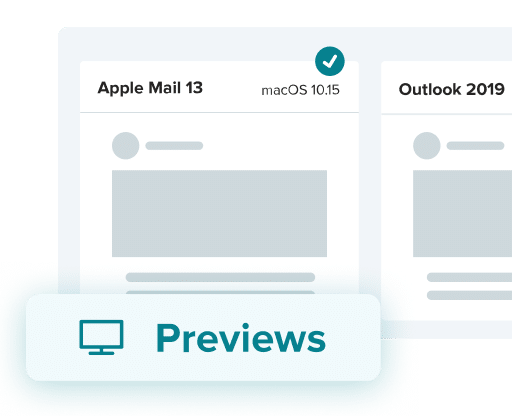
Monitoring and managing deliverability effectively requires specialized expertise and technology. Platforms like Validity Engage, for instance, offer tools for testing, monitoring, and optimizing email programs. They allow marketers to preview emails across various clients, identify potential issues before sending, and gain insights into inbox placement rates, thereby ensuring that those perfectly crafted subject lines actually make it to their intended destination. Without a robust deliverability strategy, even the most creative and strategic subject line efforts are wasted.
Conclusion: A Holistic Approach to Holiday Email Success
The holiday shopping season remains an unparalleled opportunity for businesses to connect with customers and drive significant revenue. In an increasingly crowded digital landscape, the humble email subject line has been elevated to a critical strategic asset, serving as the first, and often only, chance to capture a subscriber’s attention.
Success in this arena demands a holistic approach: understanding the evolving psychology of holiday shoppers, moving beyond simplistic urgency tactics, and embracing creativity and segmentation. However, even the most brilliant subject line is impotent without the foundational assurance of strong email deliverability. By meticulously crafting compelling subject lines, strategically timing campaigns, and vigilantly managing sender reputation, businesses can ensure their holiday messages not only stand out but also land where they matter most: in the inbox, ready to convert. The brands that master this intricate dance between captivating content and technical reliability will undoubtedly emerge as the true winners of the holiday season.



 Asro