International merchants seeking to penetrate the lucrative U.S. market are increasingly looking beyond the traditional Amazon-first strategy, with emerging channels like branded ecommerce websites and the rapidly expanding TikTok Shop offering compelling alternatives. This shift signifies a dynamic evolution in digital commerce, driven by evolving consumer behavior, the power of social media virality, and a growing demand for authentic, creator-driven content. While Amazon remains a dominant force, particularly for search-driven product discovery, a new ecosystem is emerging that rewards agility, authenticity, and a deep understanding of niche communities.
The conventional wisdom for many international brands entering the U.S. has been to prioritize Amazon. This approach is understandable; the e-commerce giant offers unparalleled reach, a well-established customer base, and robust logistical infrastructure. However, this reliance on a single, highly competitive marketplace can present significant challenges. Brands often find themselves competing on price, struggling to differentiate their offerings amidst a sea of similar products, and facing high advertising costs to gain visibility.
A compelling case study illustrating this evolving landscape involves a U.S. launch by a specialized hair-care brand. Established in 2021, the brand initially opted for a multi-channel approach, leveraging Instagram for its visual appeal, Shopify for direct-to-consumer sales, and importantly, the nascent TikTok Shop. Their average order value was set at $59, a price point that typically appeals to consumers seeking value and visible results. For the initial two years, the company’s strategy focused on a combination of tactics: providing products to micro-influencers and specialized creators, investing in paid advertising campaigns, and establishing affiliate marketing programs. Despite these efforts, the brand experienced what could be described as a period of slow, incremental growth, failing to achieve significant traction or sales breakthroughs.
The turning point for this hair-care brand arrived not through meticulous planning or a guaranteed return on investment, but through the unpredictable power of viral content. A single product video, shared on TikTok, unexpectedly captured the platform’s algorithm and the audience’s attention, leading to an astonishing 50-fold increase in sales. This sudden surge propelled the brand’s annual revenue beyond the $1 million mark, a significant achievement that quickly attracted the interest of major distributors and signaled a successful market entry.
This dramatic turnaround highlights the entrepreneurial spirit that can thrive in the digital age, albeit with inherent unpredictability. The success was not a matter of pure chance, but a confluence of factors that enabled the brand to capitalize on a moment of viral opportunity. Crucially, the brand had maintained a commitment to perseverance, investing in the necessary infrastructure to convert the sudden influx of interest into actual sales. This included a functional ecommerce platform and a network of dozens of small creators who were consistently posting content, building a foundational audience and establishing brand presence. When the viral video hit, the groundwork was already laid to effectively capture the surge in demand.
The Strategic Advantage of Localized Creators
A particularly insightful and often overlooked tactic employed by this hair-care brand was the deliberate matching of creators to specific linguistic and cultural communities. Recognizing the diverse linguistic landscape of the U.S., the brand strategically partnered with Spanish-speaking creators to engage Spanish-speaking audiences and similarly connected Russian- and Ukrainian-speaking creators with their respective communities.
This approach is highly effective because of how social media platforms, particularly TikTok, operate. The platform’s sophisticated algorithms are designed to serve content to users based on their viewing habits, engagement, and inferred interests, including their preferred language. By segmenting their creator outreach, the brand was able to tap into these distinct linguistic silos, ensuring their message resonated more deeply with specific demographic groups. This localization is a powerful differentiator in a market as diverse as the United States, where a one-size-fits-all marketing strategy can easily falter.

The brand’s decision to focus on smaller, niche creators rather than mainstream celebrities also proved to be a strategic advantage. Niche creators are generally more accessible, more flexible in their content creation, and their endorsements often carry a greater sense of authenticity. Their recommendations are perceived by audiences not as paid advertisements, but as genuine advice from a trusted friend, a specialist, or in this instance, an expert in hair care or an esthetician. This allows brands to simultaneously engage a multitude of creators, testing different approaches and messages to identify what resonates best with their target audiences.
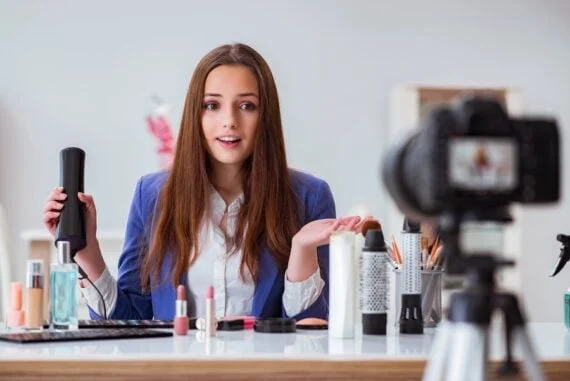
This strategy is particularly potent within the beauty and personal care sector, which has emerged as TikTok Shop’s largest category. Consumers in this segment are actively seeking visible results on real people, a demand that creator-led content is uniquely positioned to fulfill. The visual nature of these products, combined with the personal testimonials of creators, creates a compelling narrative that drives purchase decisions.
TikTok’s role extends beyond being a direct sales channel. It also functions as a powerful demand generator for external stores, both online and offline. While live shopping events can directly spur on-platform sales, other forms of content can effectively drive traffic to branded websites or even physical retail locations. This "halo effect" is a significant, often underestimated, benefit. Anecdotal evidence suggests that hundreds of thousands of views on TikTok can translate into thousands of additional branded searches on platforms like Amazon, as consumers who discover a product on their feed are motivated to seek it out through traditional search channels. This symbiotic relationship between social media discovery and search-based purchasing highlights how different channels can effectively complement each other, rather than operate in isolation.
Identifying the Optimal Channel: A Nuanced Approach
The success of this hair-care brand does not negate the enduring importance of Amazon, especially for consumable goods that consumers typically discover through direct search queries. For products addressing a specific need or a recurring purchase, Amazon’s search-driven ecosystem remains paramount. Shoppers often go to Amazon with a clear intent to buy a particular item, making it an ideal platform for such categories.
However, when considering the "best" channel for a new U.S. market launch, the answer is increasingly nuanced and depends heavily on the product’s discoverability and how consumers are likely to engage with it. Products that can visually demonstrate a tangible, desirable result on camera, especially at an accessible price point, are exceptionally well-suited for platforms like TikTok. Conversely, products that require a deeper explanation of expertise, technical specifications, or are part of a more considered purchase decision might find a more receptive audience on Amazon or a brand’s own ecommerce site.
The ideal scenario often involves a strategic integration of these channels. For instance, a brand might leverage TikTok to build brand awareness, generate excitement, and drive initial discovery, while simultaneously using Amazon to capture demand from consumers actively searching for such solutions. This multi-pronged approach allows brands to maximize their reach and cater to different stages of the consumer journey.
In the case of the $59 hair-care product, the optimal channel was demonstrably TikTok. After a two-year period of persistent, albeit unglamorous, market testing and content creation, the brand experienced an "overnight success" – a testament to the power of understanding evolving consumer behavior and embracing new digital frontiers. This journey underscores that while planning is essential, adaptability and the willingness to experiment with emerging platforms are critical for sustained growth in today’s competitive e-commerce landscape.
The implications of this shift are significant for international businesses. It suggests a need to move beyond a singular focus on established marketplaces and to actively explore and invest in channels that align with their product category and target audience’s consumption habits. The rise of creator-driven commerce and platforms like TikTok Shop offers a powerful avenue for brands to build authentic connections, foster community, and achieve rapid growth, provided they are willing to invest the time, resources, and strategic thinking required to navigate these dynamic digital spaces. The data points to a future where a diversified digital strategy, encompassing both discovery-led and search-led channels, will be key to unlocking success for international brands entering the U.S. market. The ability to adapt to algorithm changes, cultivate genuine creator relationships, and build robust conversion infrastructure will be paramount in transforming viral moments into sustainable business growth.