

The global digital advertising market has reached a critical inflection point where high platform adoption no longer guarantees high returns on investment. A comprehensive survey of 1,440 marketing professionals conducted by Instapage reveals a stark disparity between platform popularity and performance. While 87% of marketers continue to utilize Google and Meta Ads as their primary channels, only 44% identify Google as their top-performing platform, with an even lower 25% citing Facebook. This disconnect highlights a fundamental shift in the industry: the primary driver of profitability in 2026 is no longer the platform itself, but the efficacy of the post-click experience.

As the cost of digital real estate continues to climb, businesses are facing an increasingly expensive acquisition environment. Industry data indicates that the average cost per lead (CPL) rose from $66.69 in 2024 to $70.11 in 2025. Despite these rising costs, many organizations continue to struggle with technical inefficiencies. A recurring issue in mobile advertising is page load latency; current research demonstrates that a mere one-second delay in mobile page loading can reduce conversion rates by up to 20%. With the average mobile landing page still taking approximately four seconds to load, marketers are effectively paying a premium for clicks that bounce before a brand message can even be delivered.
The Foundation of Modern Media Buying: Google and Meta
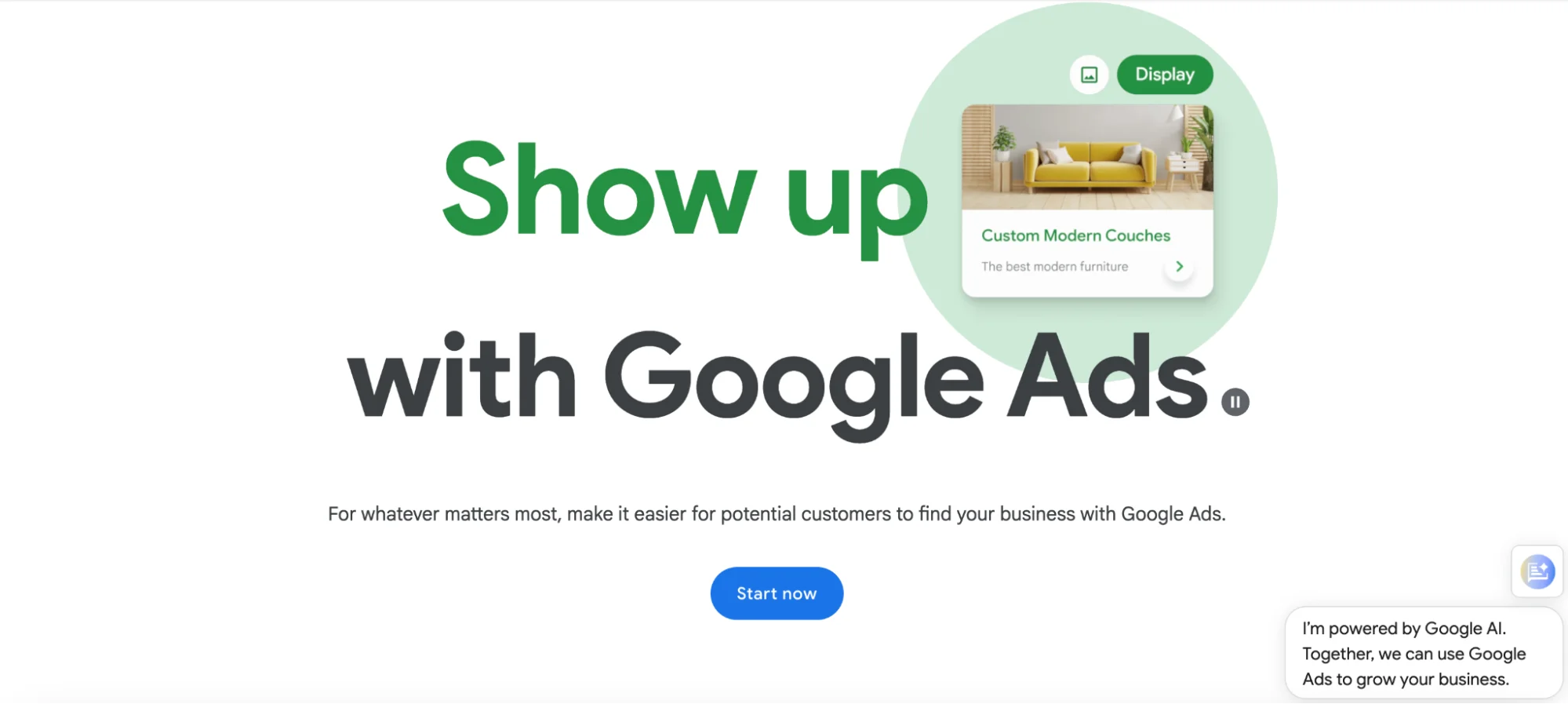
Google Ads remains the cornerstone of high-intent digital marketing. By capturing users at the exact moment of search, Google provides access to over 90% of global search traffic. The platform’s ecosystem includes Search, Display, YouTube, Shopping, and Local ads, each serving a distinct stage of the buyer’s journey. Market analysts note that Google’s "Quality Score" continues to be the most influential metric for advertisers, as it directly determines ad positioning and cost-per-click (CPC) based on the relevance of the ad to the landing page content.
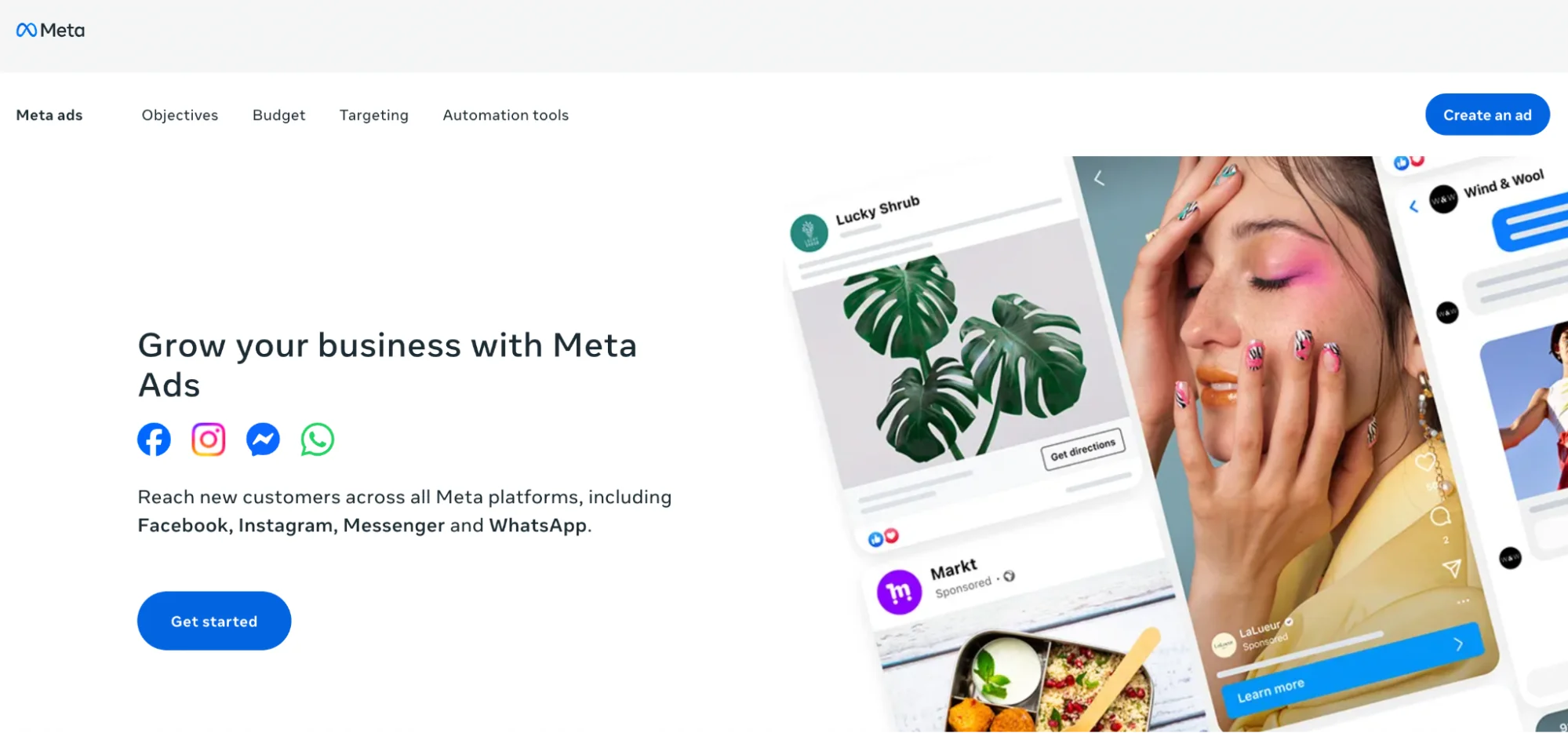
Meta Ads, encompassing Facebook and Instagram, maintains its dominance through sophisticated audience targeting. Despite the challenges posed by iOS privacy changes and the shift away from pixel-based tracking, Meta has pivoted toward Advantage+ automation and broader audience modeling. While 80% of marketers utilize Instagram for its visual reach, only 9% report it as their most profitable channel. This suggests that while Meta is unrivaled for brand awareness and top-of-funnel discovery, it requires a highly refined post-click strategy to convert passive scrollers into active customers.
The Emergence of TikTok and the Shift in Creative Strategy
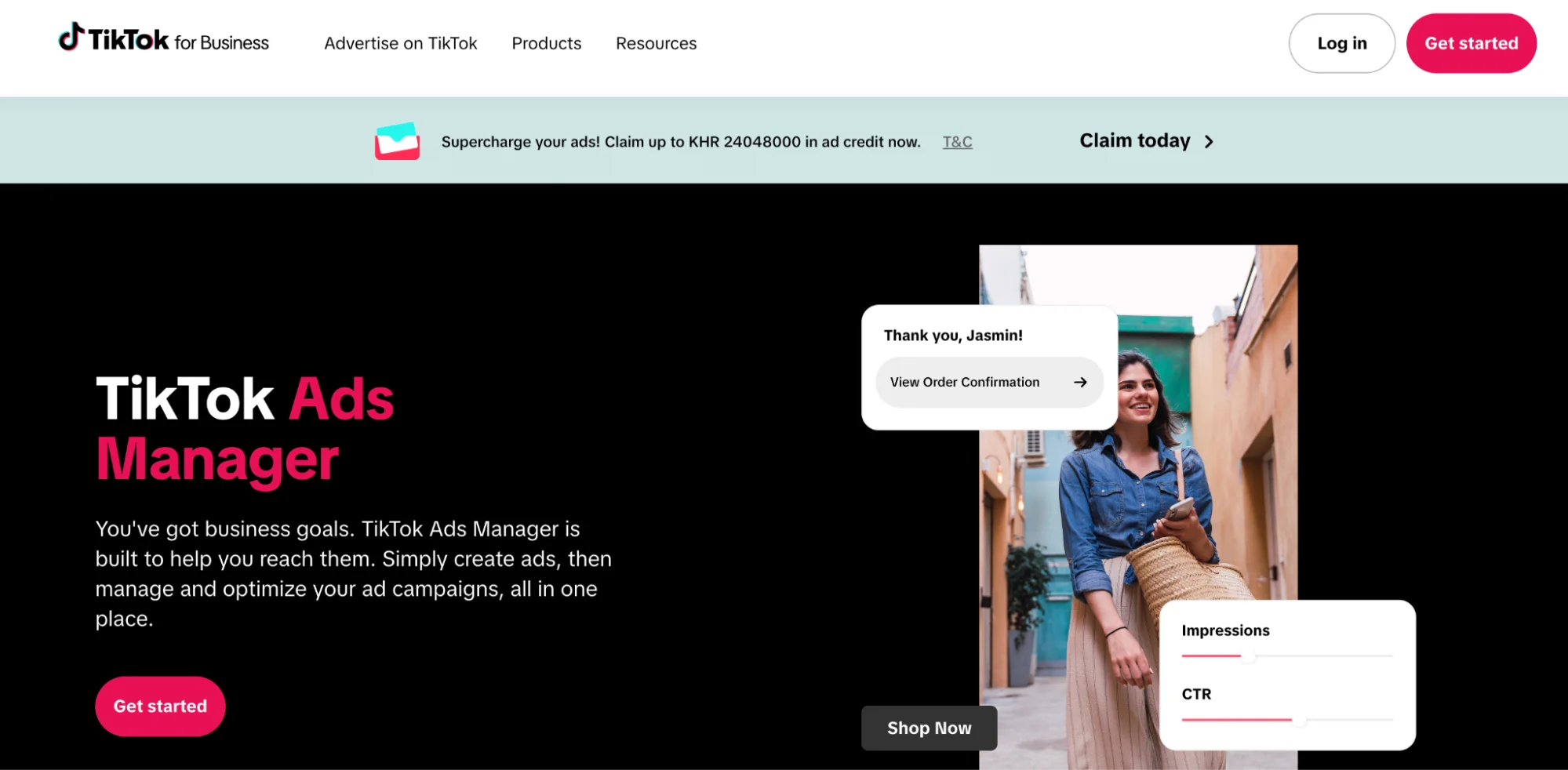
One of the most significant trends moving into 2026 is the rapid adoption of TikTok Ads. The Instapage survey found that 25% of marketers intend to integrate TikTok into their advertising mix in the immediate future. TikTok’s algorithm, which prioritizes engagement over follower count, offers a unique opportunity for newer brands to achieve organic-style reach through paid campaigns.
However, industry experts warn that traditional, high-production advertisements often fail on this platform. The "native-first" approach is essential; content must mirror the user-generated style of the platform to avoid being bypassed by the audience. This shift represents a broader movement in digital advertising where "authenticity" serves as a more effective conversion catalyst than "polish."
Strategic Alternatives: Microsoft, LinkedIn, and Pinterest
Beyond the "Big Three," several platforms offer strategic advantages for specific market segments. Microsoft Advertising, which covers Bing, Yahoo, and AOL, is frequently cited as a high-value alternative to Google. Research suggests that Microsoft’s CPCs can be 30% to 50% lower than Google’s for identical keywords. This platform is particularly effective for reaching older, higher-income demographics and B2B audiences who utilize Windows-based enterprise environments.
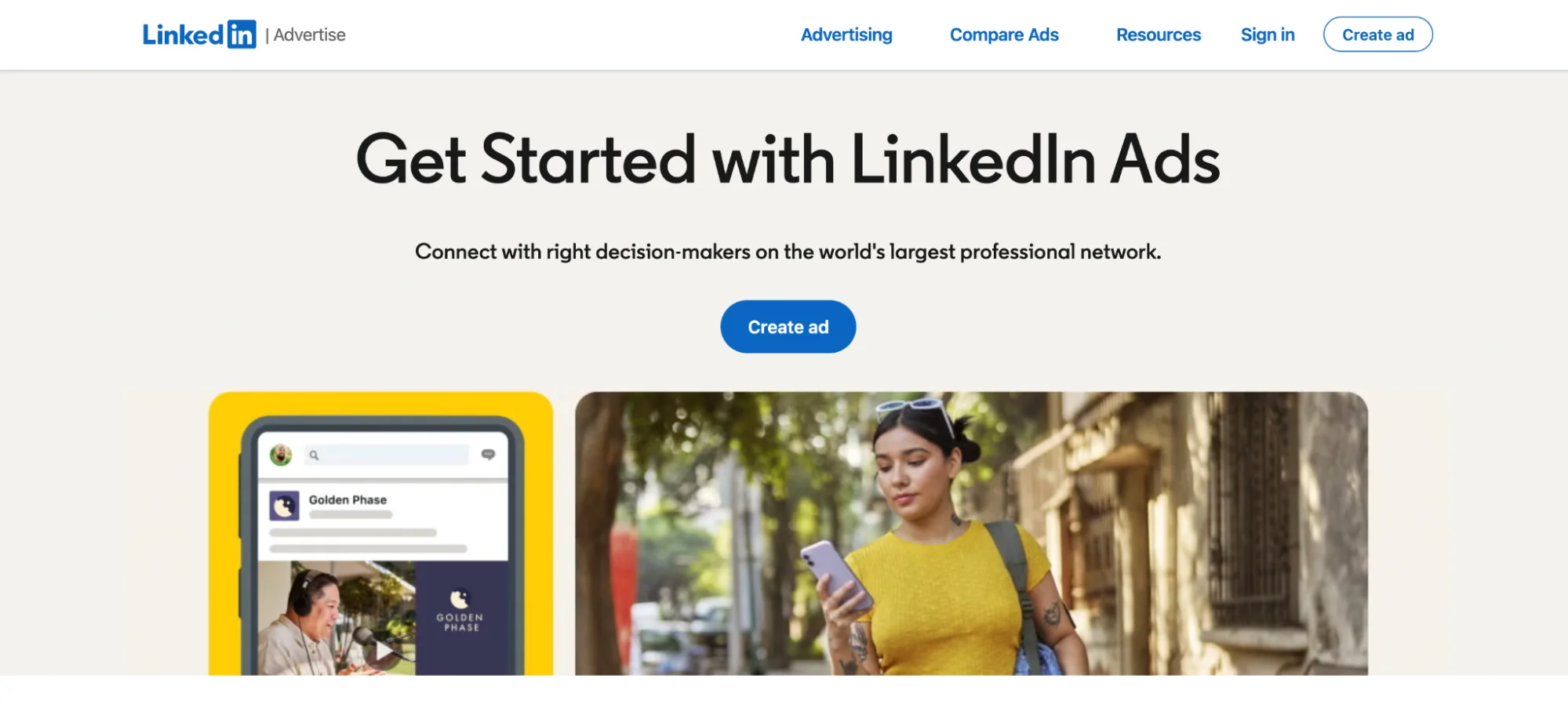
For B2B lead generation, LinkedIn Ads remains the undisputed leader. Its ability to target users based on job title, company size, and industry seniority allows for a level of precision that consumer-focused social networks cannot match. While the CPC on LinkedIn is traditionally higher, the quality of leads and the average contract value (ACV) often justify the investment for enterprise software and professional service firms.
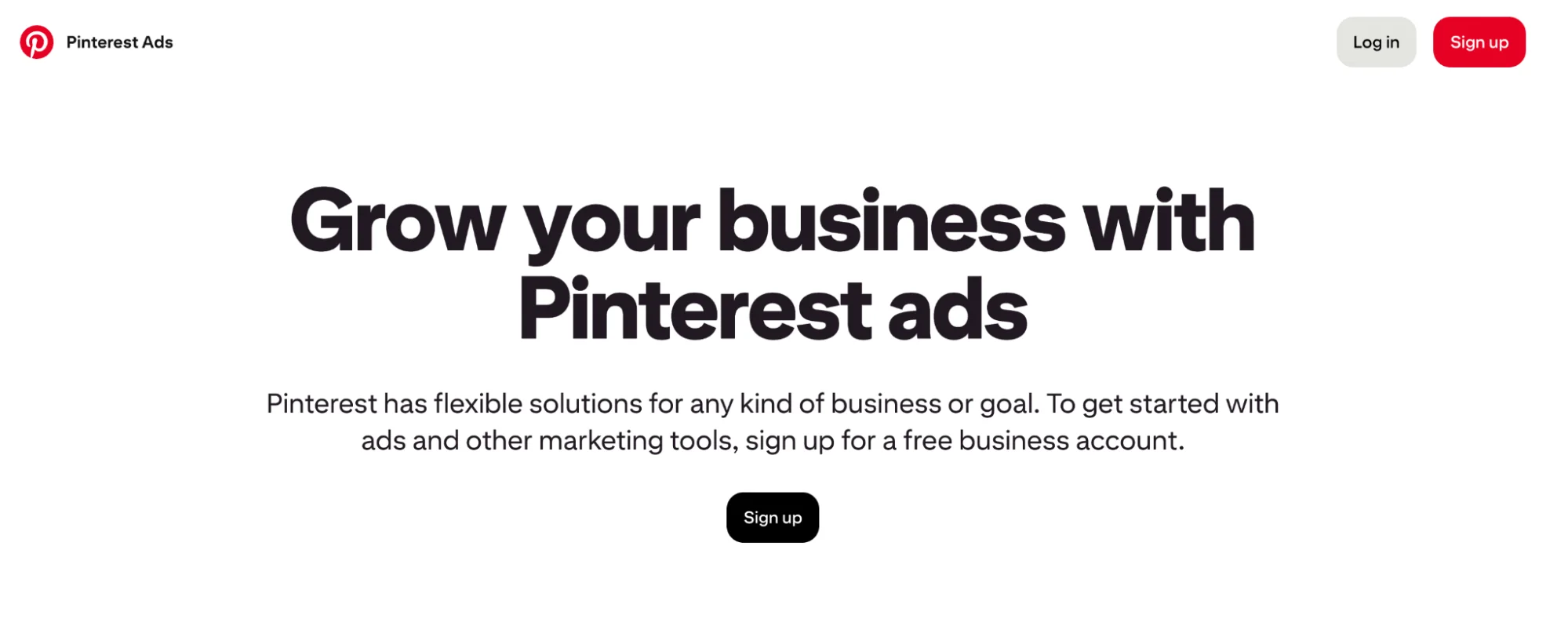
Pinterest Ads occupies a unique niche in the discovery phase of the consumer journey. Because users utilize Pinterest for planning—weddings, home renovations, and fashion—the platform captures intent long before a final purchase decision is made. This "long-tail" impact means that Promoted Pins often continue to generate traffic and conversions months after the initial spend has concluded.
Retail Media and the Rise of Amazon Ads
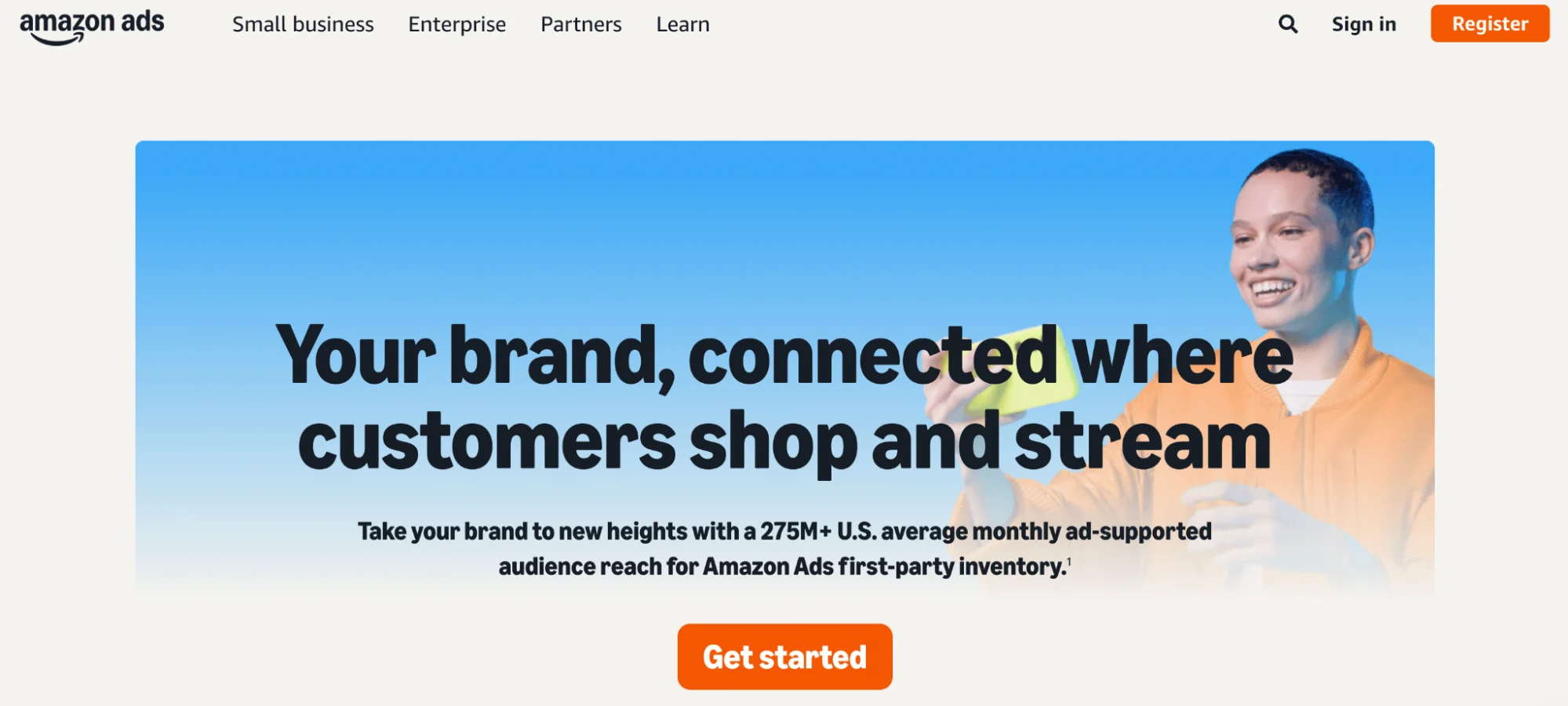
The growth of retail media has been led by Amazon Ads, which allows brands to reach shoppers at the absolute bottom of the funnel. Amazon reports that advertisers typically see a 34% growth in sales within the first four weeks of launching a Sponsored Products campaign. The platform’s strength lies in its closed-loop reporting; because the search and the purchase happen on the same site, attribution is significantly more accurate than on social or search platforms.
The Privacy Revolution: 2026 Compliance and First-Party Data
The digital advertising landscape of 2026 is defined by a rigorous transition toward privacy-first marketing. With Google Chrome’s phasing out of third-party cookies and the global adoption of regulations like GDPR (Europe) and CCPA (California), the methodology of tracking has fundamentally changed.
Market participants are now forced to rely on first-party data—information collected directly from their own audiences. This has led to the rise of:
- Consent Management Platforms (CMP): Essential tools for documenting user permission for data collection.
- Server-Side Tracking: Moving tracking away from the browser to improve data accuracy and security.
- Conversion APIs (CAPI): Direct server-to-server connections that allow platforms like Meta to receive conversion data without relying on browser-based pixels.
Failure to adapt to these privacy standards not only risks regulatory penalties but also results in "signal loss," where ad platforms lose the ability to optimize campaigns effectively because they cannot see which clicks resulted in sales.
The Post-Click Gap: Where Budgets Are Lost
The most critical finding for 2026 is that ROAS (Return on Ad Spend) is won or lost after the click. Many organizations suffer from "message mismatch," a phenomenon where the promise made in an advertisement does not align with the content of the landing page. If an ad offers a "20% discount" but the landing page focuses on "Award-Winning Service," the resulting cognitive dissonance leads to immediate bounces.
Furthermore, the use of generic homepages as ad destinations continues to dilute marketing budgets. Homepages are designed for exploration, containing navigation menus, "About Us" sections, and multiple competing calls to action. In contrast, dedicated landing pages are designed for a single purpose. Data shows that dedicated, message-matched landing pages can achieve conversion rates as high as 16%, compared to the 2-4% industry average for generic website pages.
Analysis of Implications for the Future
As we look toward the remainder of 2026, the competitive advantage in digital advertising will belong to those who treat the post-click experience with the same rigor as their ad targeting. The automation of ad buying through AI—such as Google’s Performance Max and Meta’s Advantage+—has democratized the "click." Since the platforms are now better at finding the audience, the human element of marketing must focus on the "conversion."
The successful marketing stack of 2026 requires three pillars:
- Diversified Media Buying: Using a mix of high-intent search (Google/Microsoft) and high-reach social (Meta/TikTok).
- First-Party Data Strategy: Building robust email lists and using server-side tracking to maintain data integrity.
- Continuous Experimentation: Utilizing A/B testing on landing pages to refine headlines, offers, and social proof.
In summary, while the platforms provide the audience, the business provides the experience. The rising cost of leads in 2025 and 2026 necessitates a shift from volume-based advertising to precision-based conversion. Organizations that bridge the gap between the ad click and the final conversion through speed, relevance, and personalization will be the ones to thrive in an increasingly crowded digital marketplace. For small businesses and enterprises alike, the mandate is clear: focus on the quality of the destination as much as the source of the traffic.







