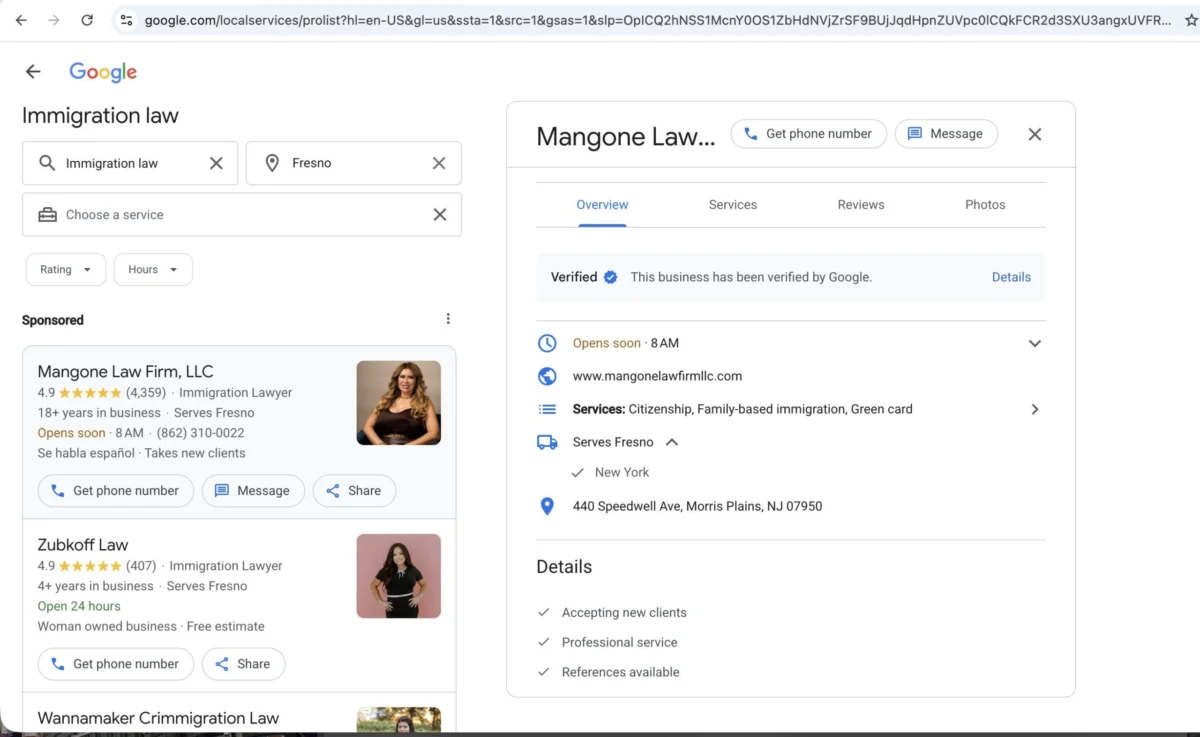
The global search business, long synonymous with Google’s formidable dominance, is currently undergoing an unprecedented period of radical transformation. In recent weeks, a confluence of strategic maneuvers by technology giants has signaled a definitive shift in the competitive landscape, profoundly altering how brands connect with consumers and how digital advertising budgets are allocated. Google, the undisputed leader, has rolled out its advanced AI Mode to billions of users, fundamentally reshaping the search experience. Concurrently, Meta has been quietly accelerating its plans for an AI-driven search product across its vast social ecosystem, while TikTok has aggressively expanded its burgeoning search advertising business. These parallel developments collectively mark a critical turning point for brands, marketing agencies, content publishers, and anyone whose business relies on the intricate mechanisms of online discovery and consumer intent.
Google’s AI Mode: Prioritizing Direct Answers Over Traditional Clicks
For Google, the past several months have served as a clear demonstration of its resolute commitment to integrating artificial intelligence into the core of its product offerings, primarily to fortify its long-held market position. The company’s much-anticipated AI Mode, powered by its sophisticated Gemini large language model, has now been deployed globally. This significant update places conversational AI summaries directly at the apex of search results pages, fundamentally changing the traditional display of ten blue links. Users are now empowered to engage with Google in a manner akin to a chat assistant, enabling them to pose follow-up questions, refine their queries, and obtain comprehensive, synthesized answers without the necessity of navigating away from the initial search page.
This strategic pivot is largely beneficial for users seeking rapid, contextually rich answers to their queries, streamlining the information retrieval process. However, for the vast ecosystem of publishers, content creators, and digital marketers, the implications are considerably more complex and, in some respects, challenging. Early analytical data, gathered since the wider rollout of AI Mode (initially previewed as Search Generative Experience, or SGE), indicates a discernible and, in some instances, sharp decline in click-through rates (CTRs) for websites that traditionally ranked below the newly introduced AI overviews. Reports from various analytics platforms suggest that these CTRs have plummeted by over 50% in certain categories. This phenomenon, often referred to as the "zero-click" dynamic, where users find their answers directly on the search results page without visiting an external site, is not entirely novel. It has been a growing trend for years with features like featured snippets and knowledge panels. However, the pervasive and comprehensive nature of AI Mode is dramatically accelerating this trend, presenting an existential challenge to business models reliant on organic traffic from Google.
Despite these concerns from the publishing sector, Google has consistently maintained that advertisers have little to fear from this evolution. The company’s strategy involves intricately weaving advertisements directly into these AI-generated answers. Shopping placements and conventional search ads are now appearing within the AI summaries themselves, rather than being confined to the periphery or separate ad blocks. Furthermore, Google has introduced AI Max, an innovative campaign type designed to leverage artificial intelligence to dynamically match creative assets with user intent, effectively minimizing reliance on explicit keyword targeting. This development signals a significant rewriting of the long-established rules of Search Engine Marketing (SEM). Advertisers who have participated in early testing phases of AI Max campaigns have reported double-digit performance lifts, indicating enhanced efficiency and return on investment. Nevertheless, this enhanced performance comes at a cost: a greater surrender of control to Google’s proprietary "black box" algorithms, which manage campaign optimization with less direct input from marketers.
The overarching message emanating from Google is unequivocally clear: in its envisioned AI-first search environment, visibility and success will depend less on traditional organic ranking positions and more on the algorithm’s sophisticated determination to surface a brand or piece of content directly within its synthesized AI answer. This necessitates a profound re-evaluation of content strategy, technical SEO, and advertising approaches to align with the new algorithmic preferences.
Meta’s Ambition: Building an AI-Powered Discovery Engine Within its Walled Gardens
While Google actively fortifies its foundational search business with advanced AI, other tech behemoths like Meta and TikTok are aggressively pursuing strategies to capture a share of the burgeoning discovery and intent market. Meta, a company that has long articulated its ambition to automate and enhance advertising across its sprawling family of applications, is now discreetly testing AI-powered search capabilities across its flagship platforms, Instagram and Facebook. Industry sources, including agency executives with direct insight into these developments, indicate that Meta is systematically laying the groundwork for a robust AI-driven search product. The primary objectives are twofold: to significantly improve user discovery of content, products, and services within its apps, and simultaneously to create entirely new, highly valuable advertising inventory.
Evidence of this strategic push is already visible. Instagram’s search functionality, for instance, has undergone noticeable improvements in recent months, offering more relevant and comprehensive results. This enhanced experience is widely considered a precursor to the broader, more sophisticated AI-powered search capabilities that Meta intends to roll out. The ultimate strategic goal for Meta is to consolidate and retain users—and, critically, their associated advertising dollars—within its expansive ecosystem, preventing them from migrating to external search engines for discovery. By transforming its social platforms into primary discovery engines, Meta aims to offer a compelling alternative to traditional search, leveraging its rich trove of user data and social graphs to deliver highly personalized and effective results. This move is particularly significant given Meta’s vast global user base, which represents an enormous latent potential for an integrated search and discovery experience.
TikTok’s Ascent: Monetizing Micro-Moments of Intent with Search Ads
TikTok, the immensely popular short-form video platform, is adopting a more direct and impactful approach to challenging the traditional search paradigm. Its burgeoning search ads business has rapidly emerged as a significant growth engine for the company. Recognizing the growing trend of users, particularly younger demographics, turning to TikTok for specific information, product recommendations, and how-to guides, the platform has enabled brands to target high-intent queries with keyword-based advertising campaigns. These ads are seamlessly integrated directly within TikTok’s search results pages, appearing organically alongside video content.
Feedback from marketing agencies highlights a substantial surge in adoption rates for TikTok’s search ads, with some reporting that usage has doubled in the last few months alone. Brands leveraging these campaigns are frequently observing lower Cost Per Acquisition (CPA) metrics and significantly higher engagement rates when TikTok search ads are strategically combined with upper-funnel social media spending. This suggests a powerful synergy where initial brand awareness or interest generated through broader social campaigns is effectively converted into direct intent and action via TikTok search. Crucially, these campaigns are not solely driving conversions within the TikTok ecosystem. Emerging data indicates that successful TikTok search campaigns also appear to positively influence Google search performance downstream, leading to increased brand searches and conversions on traditional search engines. This finding challenges the conventional wisdom of channel cannibalization, suggesting instead that TikTok and Google can operate as complementary channels, feeding into and enhancing each other’s performance for a holistic marketing strategy.
For Generation Z, in particular, the journey of discovering new information, products, or trends is increasingly commencing directly on platforms like TikTok or Instagram, rather than the default Google search bar. This profound shift in user behavior signifies that for modern brands, the concept of "search" is no longer an exclusive synonym for Google. It has evolved into a distributed, multi-platform endeavor that demands a more nuanced and diversified marketing approach.
Big Tech’s Unified Strategy: Owning Discovery and Monetizing with AI
Underpinning these seemingly disparate moves by Google, Meta, and TikTok is a shared, overarching strategic imperative among these technology giants: to assert ownership over the critical "discovery moment" in the consumer journey and to effectively monetize this moment through the pervasive application of artificial intelligence. This competition is not merely about incremental market share; it is a fundamental battle for the future of online information access, consumer intent capture, and digital advertising revenue.
Chronology of the Shifting Landscape:
- Early 2023: Google intensifies development of its Search Generative Experience (SGE), integrating its nascent Gemini AI model. Limited public previews begin, offering an early glimpse into AI-powered search summaries.
- Mid-2023: Meta begins more rigorous internal testing of AI-powered search functionalities across Instagram and Facebook, with subtle improvements noted in user-facing search results on Instagram. Reports emerge of Meta actively discussing new ad inventory opportunities with agencies.
- Late 2023: TikTok significantly expands its search ads offering, making keyword-based targeting widely available to advertisers and ramping up sales efforts, leading to increased adoption rates.
- Q1 2024: Google officially rolls out AI Mode (the consumer-facing evolution of SGE) to a broad global user base, solidifying conversational AI as a prominent feature in mainstream search results. Concurrently, AI Max campaign types are introduced for advertisers.
- Ongoing: All three platforms continue to refine their AI models and integrate them deeper into their respective discovery and advertising mechanisms, signaling an accelerated race for market dominance in the AI-driven search era.
Supporting Data and Market Context:
Google’s search market share has historically hovered around 90-92% globally, a testament to its long-standing dominance. However, the rise of "vertical search" on platforms like Amazon (for products), YouTube (for videos), and now TikTok/Instagram (for discovery and trends) has been steadily chipping away at this. A 2022 internal Google study, later leaked, revealed that nearly 40% of Gen Z users were already turning to TikTok or Instagram for search, a figure that is likely higher now. This behavioral shift underpins the urgency for Google to innovate and for Meta and TikTok to capitalize. The global digital advertising market, projected to exceed $700 billion by 2025, sees a significant portion allocated to search advertising. The battle to redefine search is therefore a battle for hundreds of billions of dollars in advertising revenue. Industry analysts like Statista have highlighted the consistent growth of social commerce, further blurring the lines between social media, search, and direct purchasing, thereby increasing the value proposition for platforms that can integrate these functions seamlessly.
Official Responses and Industry Reactions (Inferred):
- Google’s Stance: "Our AI Mode is designed to deliver a more helpful, intuitive, and efficient search experience for billions of users worldwide. We are committed to supporting our vibrant ecosystem of publishers and advertisers by evolving our platform to meet user needs, offering new opportunities for visibility and performance within this AI-first paradigm." (Inferred from public statements regarding SGE and AI advertising).
- Meta’s Stance: "We are continuously investing in AI to enhance discovery across our platforms, making it easier for people to find content, communities, and products they love. This also creates powerful new opportunities for businesses to connect with high-intent audiences within our apps, driving measurable value." (Inferred from Meta’s broader AI and commerce strategy announcements).
- TikTok’s Stance: "TikTok has become a trusted source for discovery and inspiration, particularly for younger generations. Our expanding search ads business empowers brands to tap into this organic intent, driving real results both on and off platform, and proving the complementary power of social and search." (Inferred from TikTok’s business development and advertiser outreach).
- Industry Analyst Perspective: "This isn’t just an update; it’s a paradigm shift. Google is playing offense to defend its core, while Meta and TikTok are playing aggressive defense to capture emerging user behavior. Marketers who ignore these tectonic shifts risk being left behind. The era of universal search optimization is over; we’re entering a highly fragmented, AI-driven landscape where platform-specific strategies are paramount." (Inferred from common analyst commentary on these developments).
What This Means for Marketers: A New Playbook for Discovery and Intent
For brands and marketing professionals, these profound shifts in the search ecosystem demand a comprehensive rethink of both strategic approaches and measurement methodologies. The traditional, largely centralized search landscape is rapidly fragmenting, and fundamental user behavior patterns are demonstrably changing.
- Embrace Multi-Platform Search Strategy: The era of exclusively optimizing for Google is over. Brands must develop integrated search strategies that account for Google’s AI Mode, Meta’s evolving discovery engine, and TikTok’s growing search ad business. This includes dedicated content strategies, keyword research, and ad placements tailored to the unique algorithms and user contexts of each platform.
- Rethink Content for AI Summaries and Vertical Search: For Google’s AI Mode, content must be structured not just for traditional SEO but also for clarity, conciseness, and authority, making it easily digestible for AI summarization. For social platforms, content needs to be highly engaging, visually rich, and often video-first, catering to discovery algorithms and short attention spans. Publishers must consider new monetization models beyond traditional ad impressions if zero-click search continues to rise.
- Adapt to AI-Driven Advertising: With Google’s AI Max and Meta’s automated ad solutions, marketers must become adept at managing campaigns where AI plays a more central role in targeting and optimization. This requires a shift from granular keyword control to providing robust creative assets and clear business objectives, trusting the AI to find the optimal audience. Understanding how to "train" these AI models with effective inputs will be crucial.
- Diversify Measurement and Attribution: Traditional last-click attribution models, heavily biased towards Google, will become increasingly insufficient. Marketers need to implement sophisticated multi-touch attribution models that account for the complex, non-linear customer journeys that now span social platforms, traditional search, and direct engagement. Measuring brand lift, upper-funnel discovery metrics, and cross-channel impact will be vital.
- Focus on Brand Authority and Direct Engagement: As AI aggregates information, brand authority and trust will become even more critical. Brands that are consistently cited as reliable sources or that actively cultivate direct relationships with their audience will fare better. Building communities and fostering direct engagement on platforms like TikTok and Instagram can create a loyal following less dependent on external search engines.
- Experimentation and Agility are Key: The pace of change is accelerating. Marketers must adopt a culture of continuous experimentation, testing new ad formats, content types, and measurement approaches across platforms. Agility in adapting to algorithmic updates and shifts in user behavior will be a defining characteristic of successful marketing teams.
Broader Impact and Implications:
The long-term implications of these shifts extend beyond marketing tactics. For consumers, the promise is faster, more relevant, and more personalized information retrieval. However, there are also concerns about information bubbles, algorithmic bias, and the potential erosion of diverse content sources if AI summaries reduce traffic to smaller publishers. For the broader digital economy, this signals a further consolidation of power among a few tech giants, who are increasingly controlling not just access to information but also the very mechanisms of discovery and commerce. This could lead to heightened regulatory scrutiny regarding competition and data privacy.
Why the Future of Search Will Reward Those Who Adapt
The future of search is undeniably a distributed, AI-driven experience that spans multiple platforms, each vying for a piece of the user’s attention and intent. For Google, the paramount challenge lies in continuing to innovate at a rapid pace with AI, enhancing user experience without alienating its vast ecosystem of content publishers and advertisers who have been foundational to its success. The delicate balance between delivering direct answers and driving traffic to external sites remains a central tension. Meanwhile, for Meta and TikTok, the immense prize is to successfully transform their colossal user bases—currently engaged primarily in social interaction and entertainment—into powerful intent engines that can effectively siphon away significant portions of traditional search advertising budgets.
The landscape is no longer a monolithic entity but a dynamic, interconnected web of AI-powered discovery points. The brands, agencies, and publishers that not only understand these seismic shifts but actively adapt their strategies, embrace new technologies, and prioritize multi-platform engagement will be the ones that thrive in this exhilarating, yet challenging, new era of digital search. The ability to pivot quickly, innovate constantly, and maintain a deep understanding of evolving consumer behavior will be the ultimate differentiator in this high-stakes race for discovery and monetization.