


Since its introduction in 2016, Google Local Services Ads (LSAs) have become an indispensable tool for service-based businesses seeking to connect with local customers. These ads enable businesses to prominently display their professional services to individuals searching locally, facilitating direct booking through the Google platform. A key advantage of LSAs has been their pay-per-lead model, ensuring advertisers only incur costs when a potential customer initiates contact. While these core functionalities are set to remain, Google has announced a significant shift: LSAs are migrating into the Google Ads interface and will be managed through Performance Max (PMax) campaigns with a new pay-per-lead goal. This transition, slated for gradual rollout, aims to consolidate ad management and enhance campaign efficiency.
The Evolution of Local Services Ads: Integration and Enhanced Management
For years, businesses operating within over 80 eligible service categories have utilized a dedicated Local Search Advertising dashboard to manage their LSAs. This process involved verifying their business through their Google Business Profile and then running ads that appeared exclusively in Google Search and Google Maps results. The user experience was designed to be seamless, allowing potential customers to book services or request quotes directly from the ad without navigating away to a landing page, thereby reducing friction for both parties. The pay-per-lead model further incentivized businesses by ensuring payment only upon a completed lead action.
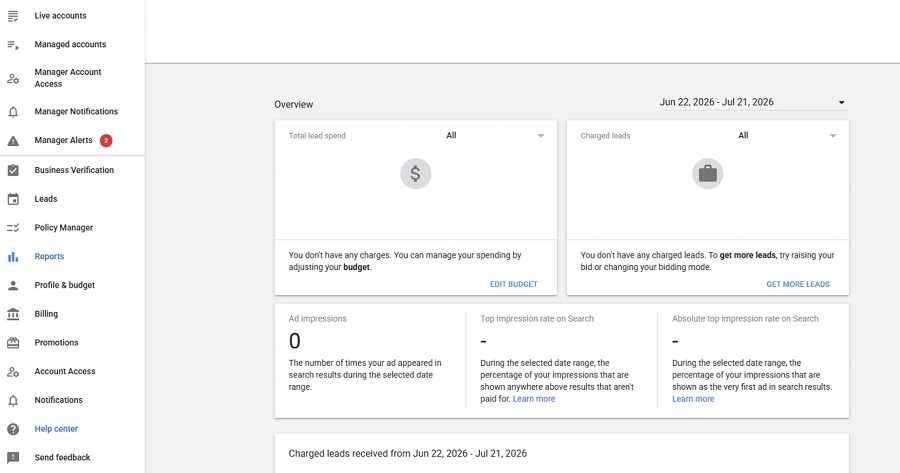
The impending change, as detailed in a recent Google announcement, signifies a move away from this standalone dashboard. LSAs will now be integrated directly into the familiar Google Ads interface. This integration means the separate LSA dashboard will be sunsetted by 2027. More significantly, LSAs will no longer exist as independent campaign types. Instead, they will be managed through Performance Max (PMax) campaigns, specifically configured with a new pay-per-lead objective. This necessitates the setup of a PMax campaign with this specialized goal to run LSAs moving forward.

While traditional PMax campaigns are known for their broad reach across various Google properties and their pay-per-click (PPC) billing, the new pay-per-lead PMax campaigns for LSAs will maintain their focus solely on Google Search and Maps, mirroring the eligible placements of the current LSA format. This consolidation is expected to streamline campaign management for advertisers, eliminating the need to navigate between separate platforms.
Key Changes and Enduring Features of the LSA Update:
The transition brings several notable modifications to how LSAs are managed and configured:
- Integration into Google Ads: LSAs will now reside within the Google Ads platform, replacing the standalone Local Search Advertising dashboard.
- Performance Max Framework: LSAs will operate exclusively through Performance Max campaigns, leveraging a new pay-per-lead goal.
- Consolidated Management: Advertisers will manage their LSAs alongside other Google Ads campaigns within a single interface.
- Pay-Per-Lead Objective: The core pay-per-lead billing model remains, ensuring cost-efficiency for businesses.
- Placement Continuity: LSAs will continue to appear exclusively on Google Search and Google Maps.
- Google Verified Badge: The prominent Google Verified badge will continue to be displayed for eligible businesses that meet the verification criteria.
Crucially, several aspects of the LSA experience will remain consistent:
- Pay-Per-Lead Model: Advertisers will still be charged only for qualified leads generated through their ads.
- Eligible Verticals: LSAs will continue to be available for businesses within the defined 80+ service categories.
- Google Business Profile Verification: A verified Google Business Profile will remain a prerequisite for running LSAs.
- Direct Booking Functionality: Users will still be able to book services or request quotes directly through the ad interface.
Timeline and Impact of the PMax LSA Migration
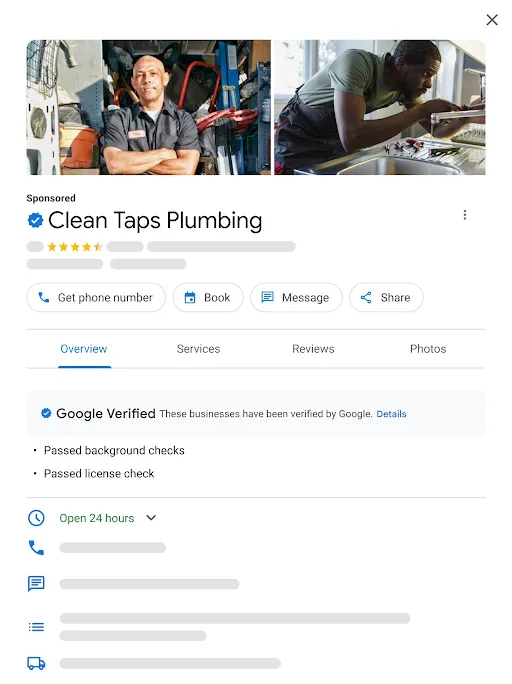
The migration of Local Services Ads to Performance Max pay-per-lead campaigns is a phased process designed to minimize disruption for advertisers. Google has indicated that the rollout will occur gradually, with specific timelines varying by industry. While initial phases are expected to commence by early August 2026, the complete transition for all accounts is projected to conclude by the end of 2027.
Businesses will receive advance notification of their migration date. Approximately 14 days prior to the scheduled transfer, administrators of the relevant Google Business Profile accounts will receive email alerts. Additionally, a notification banner will appear within the current LSA dashboard, providing a timely reminder. This proactive communication strategy aims to ensure advertisers are well-informed and prepared for the transition.
Rationale Behind the Consolidation: Streamlining for Efficiency
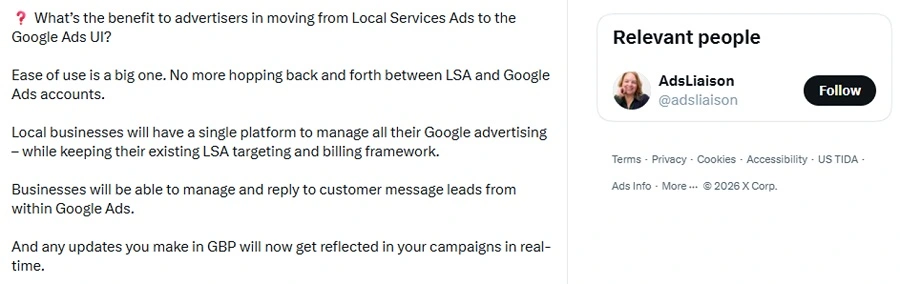
The decision to integrate LSAs into Google Ads, specifically within the PMax framework, is driven by a desire to simplify ad management for businesses. Ginny Marvin, Google Ads Product Liaison, highlighted this benefit on X (formerly Twitter), stating, "No more hopping back and forth between LSA and Google Ads accounts." This consolidation is anticipated to enhance operational efficiency, allowing businesses to manage all their Google advertising efforts from a single, unified platform.
For many advertisers, this move represents a welcome evolution, bringing a highly effective lead generation tool into the broader Google Ads ecosystem. The ability to manage LSAs alongside other campaign types within the same interface is expected to reduce complexity and improve the overall user experience for advertisers.
Navigating the Transition: What Businesses Need to Know
For businesses currently running LSA campaigns, Google will facilitate an automatic transfer of their existing campaign setups to Google Ads. This includes the seamless migration of targeted locations, service types, business categories, budget limits, ad schedules, and business photos, requiring no manual input from the advertiser. Upon migration, the legacy Local Services Dashboard will become inaccessible, with users directed to the Google Ads interface upon login.
Key Actions for Existing LSA Advertisers:
- Download Historical Reports: Before migration, it is strongly advised to download current LSA campaign reports to preserve historical data. Google provides instructions for manually saving these reports.
- Optimize Google Business Profile: Ensure the Google Business Profile is updated and optimized. Changes made here will automatically sync with the new PMax campaigns, ensuring the ads reflect accurate business information.
- Await Notification: Businesses will be notified via email and dashboard banners about their specific migration date.
- Automatic Migration: Allow Google’s system to automatically transfer the LSA campaigns to Google Ads.
- Access in Google Ads: After migration, locate the new PMax campaigns, which will contain the transferred LSA content and settings, within the Google Ads campaign overview. While bidding strategies and budget allocations might adjust based on the previous setup, the core campaign elements will be preserved.
- Performance Stabilization: Be aware that while most transferred LSAs begin running immediately post-migration, it can take up to two weeks for the process to fully complete and campaign performance to stabilize.
Setting Up New LSAs: The Evolving Process
For businesses that do not currently run LSA campaigns, the process of setting up new ones is temporarily managed through a dedicated portal. Until the capability is integrated directly into Google Ads, new LSA campaigns and local business profiles can be initiated via g.co/localservices. Google has stated that the ability to create new campaigns with pay-per-lead goals directly within Google Ads is pending and will become available at a later stage.
Preparing for the Future of Local Advertising:
To future-proof local advertising strategies, service-based businesses are encouraged to:
- Maintain Up-to-Date Google Business Profiles: This is crucial as it directly influences LSA performance and ensures accurate syncing with Google Ads.
- Monitor Performance: Regularly review campaign performance within the Google Ads interface after migration to identify any optimization opportunities.
- Stay Informed: Keep abreast of Google’s updates and announcements regarding Performance Max and local advertising tools.
Frequently Asked Questions About the LSA Update
The transition to PMax-powered LSAs has prompted several common questions from businesses:
-
What is happening to the Google Local Services Ads dashboard?
The current Google Local Services Ads dashboard will be fully sunsetted by 2027. All historical data within the dashboard will need to be downloaded prior to its closure.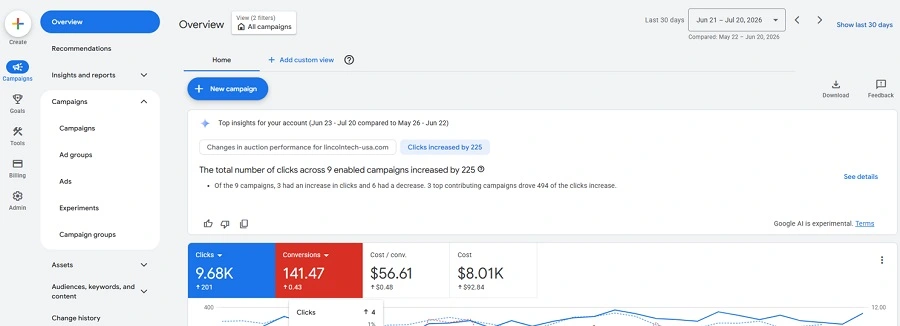
-
Which industries are most affected by this update?
Only service-based businesses eligible for Local Services Ads will be impacted. This includes a wide range of professions such as plumbers, electricians, HVAC technicians, locksmiths, and many others. -
Do I need to re-verify my business for LSAs on Google Ads?
No, if your business is already verified through Google Business Profile, re-verification will not be necessary after your LSA campaigns have transitioned to PMax. -
Will my PMax LSAs still display a Google Verified badge?
Yes, the Google Verified badge will continue to be a prominent feature for eligible businesses in select verticals, provided they meet the ongoing business registration and representative checks. -
Where will my PMax Local Services Ads be displayed?
Despite the broad reach of standard PMax campaigns, pay-per-lead PMax LSAs will continue to be exclusively displayed on Google Search and Google Maps. -
Can I access historical data from the LSA dashboard after the update?
Historical campaign performance reports must be downloaded from the current LSA dashboard before it is sunsetted. However, past customer lead details, including contact information and call recordings, will automatically transfer to Google Ads and be accessible within the Lead Manager interface.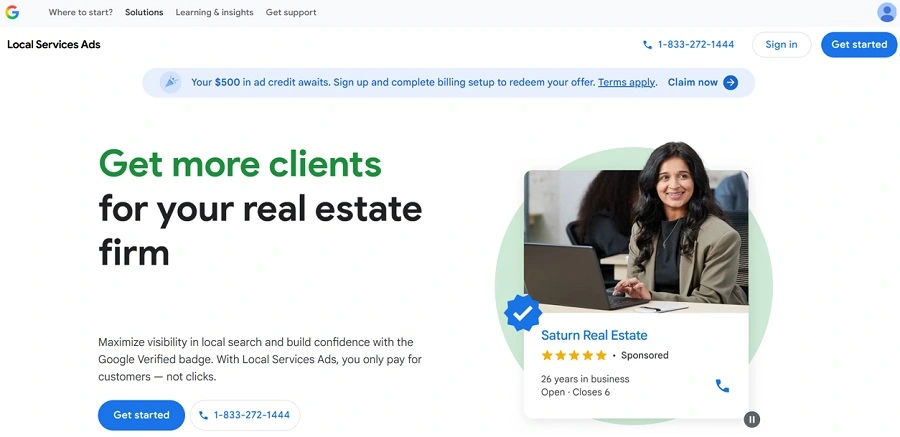
-
How will I know when my business’s LSA campaigns are migrating to Google Ads?
Advance notification will be provided through email alerts and a banner within the current LSA dashboard. The rollout is phased, with all accounts expected to be migrated by the end of 2027. -
Can I still manage my Google Business Profile independently?
Yes, you can continue to access, edit, and update your Google Business Profile directly through your Google Business Profile account. Changes made there will automatically sync to your Google Ads account, ensuring your PMax LSAs remain current. -
Do I need to take any specific action to prepare my LSAs for the transition?
The migration process is automatic, so no direct action is required from advertisers. However, it is recommended to review your campaign settings before and after the transition to ensure everything has transferred as expected. -
Should I start running LSAs if I’m not currently?
For businesses in eligible industries that focus on lead generation, adopting LSAs through pay-per-lead PMax campaigns is highly recommended. LSAs offer a cost-effective way to generate leads, stand out in search results, and simplify the customer conversion process.
Navigating the Future of Local Service Advertising

The upcoming integration of Local Services Ads into Google Ads Performance Max campaigns represents a significant but manageable evolution for service-based businesses. By understanding the changes, preparing accordingly, and leveraging the streamlined management capabilities, businesses can continue to effectively reach local customers and drive growth. The core value proposition of LSAs—connecting with local searchers and paying per lead—remains intact, now presented within a more unified and powerful advertising ecosystem. As Google continues to refine its advertising platforms, staying informed and adaptable will be key for maximizing the benefits of these evolving tools.









