rifanmuazin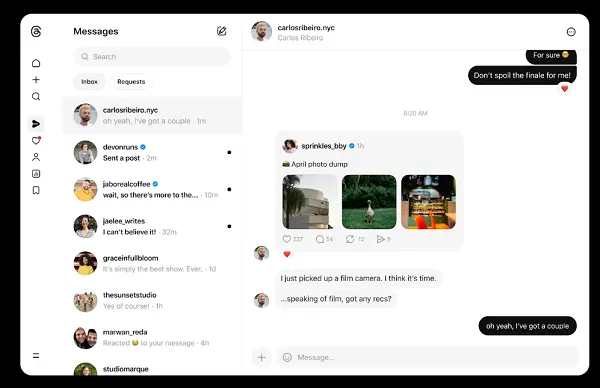
Threads, Meta’s text-based social networking platform, has officially rolled out its direct messaging (DM) functionality to its desktop version, a highly anticipated update that promises to significantly enhance user interaction and streamline professional workflows. This expansion follows an initial preview last month and marks a pivotal moment in the app’s evolution, addressing what the company identified as its most requested feature since DMs were first introduced to the mobile application in July of the previous year. The move provides users with another crucial avenue for private communication within the app, reflecting a broader strategic recalibration within Meta regarding its messaging ecosystem.
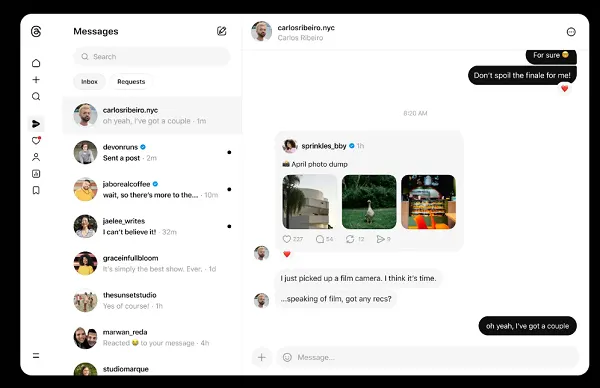
The desktop integration positions Threads’ messaging capabilities directly into the left sidebar of the web interface, accessible through a distinct message icon within the function listing. This placement is intuitive for users accustomed to similar layouts on other social media platforms and productivity applications, ensuring ease of discovery and accessibility. For the growing cohort of users who engage with Threads primarily through desktop environments, particularly those managing brand presence, community interactions, or public relations, this update is more than a convenience; it is a fundamental enhancement to their operational efficiency. The ability to compose more detailed responses, manage multiple conversations simultaneously, and integrate Threads communications seamlessly into a broader digital workflow without constant switching between devices represents a substantial improvement.
A Chronology of Threads’ Messaging Evolution
Threads debuted in July 2023, rapidly garnering attention as a potential competitor to X (formerly Twitter). Initially, the platform launched without a direct messaging feature, a notable omission given the ubiquity of DMs across contemporary social networks. This absence was initially perplexing to many users and industry observers, especially considering Meta’s deep expertise in messaging with platforms like WhatsApp, Messenger, and Instagram Direct.
The first significant step in addressing this gap came in July 2023, when Threads introduced DMs to its mobile application. This initial rollout, while mobile-centric, validated user demand for private communication channels within the app. It allowed users to engage in one-on-one conversations, share content privately, and foster more intimate connections beyond the public feed. However, the limitation to mobile devices meant that power users and professionals, who often rely on desktop interfaces for more intensive tasks, were still at a disadvantage.
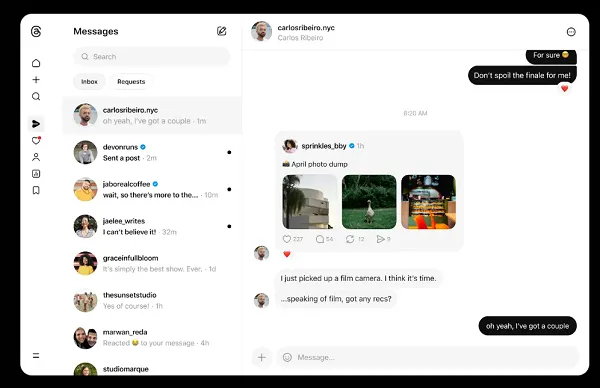
The company began previewing the desktop DM feature in the month prior to its official launch, signaling its commitment to a multi-platform experience. This phased approach allowed for testing and refinement, ensuring a stable and user-friendly release. The official launch now completes this crucial integration, offering a consistent and comprehensive messaging experience across both mobile and desktop environments. This trajectory underscores Threads’ responsive development strategy, prioritizing user feedback and iterating rapidly to build a more complete platform.
Enhanced Functionality for Social Media Professionals
The introduction of desktop DMs is particularly impactful for social media managers, digital marketers, and customer service teams. In today’s digital landscape, direct messaging has evolved from a simple personal communication tool into a vital component of brand engagement and customer relationship management. Brands leverage DMs for various purposes, including:
- Customer Support: Addressing inquiries, resolving issues, and providing personalized assistance.
- Community Management: Engaging with loyal followers, managing user-generated content, and fostering brand advocacy.
- Partnerships and Collaborations: Coordinating with influencers, media partners, and other businesses.
- Lead Generation and Sales: Responding to product inquiries and guiding potential customers through the sales funnel.
- Crisis Management: Addressing sensitive issues privately and managing public perception.
Before the desktop DM integration, managing these aspects on Threads would have necessitated constant switching to a mobile device, a cumbersome and inefficient process for professionals often juggling multiple platforms and accounts. The ability to access DMs from a desktop allows for:
- Improved Efficiency: Professionals can type faster, manage multiple threads concurrently, and utilize desktop tools for research or content creation without interruption.
- More Comprehensive Responses: The desktop interface facilitates crafting detailed, well-researched, and grammatically precise messages, crucial for professional communication.
- Better Integration with Workflow Tools: Desktop access allows for easier copying and pasting of information, linking to external resources, and integrating Threads communication with CRM systems, content calendars, or analytics dashboards.
- Enhanced Team Collaboration: Teams can more easily monitor and respond to DMs collectively, ensuring consistent messaging and faster response times.
This functionality is critical for Threads to attract and retain professional users, making it a more viable platform for business use alongside its consumer-facing appeal. It positions Threads not just as a casual microblogging site but as a comprehensive communication channel for brands and individuals alike.
Meta’s Evolving Messaging Strategy: A Strategic Recalibration
The journey of Threads’ direct messaging feature is deeply intertwined with Meta’s broader, and at times contentious, messaging strategy. For several years, Meta pursued an ambitious goal of integrating its disparate messaging platforms—WhatsApp, Messenger, and Instagram Direct—into a single, unified backend system, often referred to as a "universal inbox." The vision was to allow users to communicate seamlessly across these applications, irrespective of which app their contacts were using.

This integration effort was not solely driven by a desire for enhanced user experience. A significant underlying factor was an ongoing antitrust investigation by the U.S. Federal Trade Commission (FTC) into Meta’s acquisitions of WhatsApp in 2014 and Instagram in 2012. Critics and regulators argued that these acquisitions stifled competition, and there was a real possibility that Meta could be forced to divest these highly successful platforms. The strategic rationale behind the messaging integration was, in part, to "weld" these assets together so inextricably that a forced divestiture would become practically impossible or at least extraordinarily complex, thereby complicating any regulatory breakup attempts.
However, Meta achieved a significant legal victory in its case against the FTC last year, which largely alleviated the immediate threat of divestiture. This legal triumph seemingly prompted a strategic pivot within Meta. With the pressure to merge its messaging assets reduced, the company appears to have gained more freedom to allow individual apps, like Threads, to develop unique messaging functionalities tailored to their specific user bases and platform dynamics.
Threads Chief Connor Hayes succinctly articulated the rationale behind the platform’s messaging focus, stating, "We built messaging because conversation doesn’t stop at the feed. While there’s nothing better than a good conversation in the replies, we know you all like to sidebar in DMs." This statement highlights a recognition that public interactions on the feed often naturally lead to more private, in-depth discussions, underscoring the intrinsic value of DMs for fostering deeper connections and continued engagement. The decision to invest in Threads’ native DM capabilities, rather than solely relying on a cross-platform integrated system, signals a renewed emphasis on app-specific features and user-driven development.
Innovation within Threads DMs
Even before the desktop rollout, Threads has been experimenting with innovative features within its direct messaging environment, showcasing a commitment to making DMs more dynamic and engaging. Examples include:
- Games in DMs: For instance, Threads introduced a basketball mini-game within DMs, particularly notable around events like the NBA All-Star Weekend. This gamification adds an element of fun and interactivity, encouraging users to spend more time within the messaging interface.
- DM Links within Threads Updates: The platform has also tested simplified DM connections directly within public Threads posts, allowing users to easily initiate a private conversation based on content they see in their feed. This streamlines the transition from public discussion to private dialogue.
These experiments suggest that Meta is not just adding basic DM functionality to Threads but is actively exploring ways to differentiate and enrich the private messaging experience within the app. This could pave the way for more unique features in the future, potentially including enhanced media sharing, voice and video messaging, group chat functionalities, and even specialized business tools integrated directly into the DM interface. The strategic freedom gained post-FTC ruling provides fertile ground for such innovations.
Broader Market Context and Competitive Landscape
The introduction of desktop DMs for Threads arrives in a highly competitive social media landscape. Platforms like X, Instagram, Facebook, and LinkedIn all offer robust desktop messaging solutions, which users and professionals have come to expect. For Threads to effectively compete and capture market share, offering a comparable and even superior desktop experience is paramount.
Threads has demonstrated impressive growth since its launch, reportedly reaching over 150 million monthly active users, although precise and consistently updated figures are sometimes difficult to ascertain. This rapid adoption underscores a significant appetite for an alternative text-based platform. However, sustained engagement and long-term user retention depend not only on the core feed experience but also on comprehensive features that cater to diverse user needs, including private communication.
The move to desktop DMs is also a response to evolving user behavior. While mobile remains dominant for casual browsing, a significant portion of social media consumption and interaction, especially for professional tasks, occurs on desktop computers. By ensuring feature parity across platforms, Threads enhances its utility and stickiness. It also helps to differentiate it from newer, more niche text-based platforms like Bluesky or Mastodon, which may not yet offer such comprehensive cross-platform functionality.
Implications and Future Outlook
The launch of desktop DMs on Threads carries several significant implications for the platform’s future and Meta’s broader strategy:
- Increased User Engagement and Retention: By providing a complete messaging experience, Threads is likely to see an increase in overall user engagement. Users are more likely to stay within the app if they can conduct all their communication there, rather than switching to other platforms for private chats. This also contributes to higher retention rates.
- Stronger Appeal to Professional Users: The enhanced desktop functionality makes Threads a more attractive proposition for businesses, marketers, and creators who manage their online presence and engage with audiences professionally. This could lead to a broader range of high-quality content and more brand investment on the platform.
- Validation of User-Centric Development: The fact that desktop DMs were the "most requested feature" and its subsequent rollout reinforces Meta’s commitment to listening to its user base. This builds trust and encourages continued user feedback, fostering a sense of community ownership over the platform’s direction.
- Foundation for Future Monetization: While Threads is not heavily monetized yet, robust messaging capabilities often serve as a foundation for future business features, such as direct shopping, customer service automation, or premium communication tools.
- Continued Divergence in Meta’s Ecosystem: This development further solidifies the idea that Meta is allowing its individual apps more autonomy in their feature development, moving away from a rigid, universal integration model. This could mean more unique features for each app, potentially fostering greater innovation but also creating a more fragmented user experience across Meta’s family of apps.
In conclusion, Threads’ desktop direct messaging feature is a crucial and timely update that addresses a core user demand and significantly elevates the platform’s utility. By empowering both casual users and social media professionals with robust private communication tools on their preferred desktop interface, Threads strengthens its position in the competitive social media landscape. This strategic move, underpinned by a recalibration of Meta’s long-term messaging strategy, signals a commitment to user-centric development and opens the door for even more innovative features as Threads continues to evolve. The ability to "sidebar in DMs" on desktop ensures that conversations, both personal and professional, can now truly flow seamlessly within the Threads ecosystem.