rifanmuazin
In an era defined by overwhelming digital communication, the ability to cut through inbox clutter and elicit a response has become a critical skill for professionals across all sectors. With billions of emails exchanged daily, crucial messages often get lost or overlooked, leading to missed opportunities in sales, partnerships, recruitment, and customer service. This challenge has elevated the "email bump" from a simple follow-up to a strategic imperative – a polite, professional nudge designed to bring a previous message back to the recipient’s attention. Mastering this technique involves a delicate balance of timing, tone, and content, underpinned by a deep understanding of email etiquette and, increasingly, supported by sophisticated automation tools.
Understanding the Email Bump: A Strategic Necessity
At its core, a bump email is a concise follow-up message sent within an existing email thread. Its primary purpose is to gently remind the recipient of a prior communication, effectively "bumping" the thread to the top of their inbox. This tactic is not merely about persistence; it’s about acknowledging the reality of modern work life, where busy professionals may genuinely miss or momentarily set aside important emails amidst a deluge of notifications and tasks. The strategic application of a bump email can revive stalled conversations, re-engage prospects, and ultimately recover potentially lost opportunities.
The necessity of bump emails stems from the sheer volume of digital correspondence. According to Statista, the number of global email users is projected to reach over 4.5 billion by 2024, with an estimated 361.6 billion emails sent and received each day. In such a crowded digital landscape, even well-crafted initial messages can easily be buried. Research from sources like Snov.io indicates that a single follow-up can significantly increase response rates, sometimes by as much as 49%, highlighting the tangible benefits of a timely nudge. However, this effectiveness is contingent on adherence to best practices, as excessive or poorly executed bumps can swiftly transform into spam, damaging sender reputation and fostering recipient annoyance.
The Delicate Art of Timing: When to Send a Bump
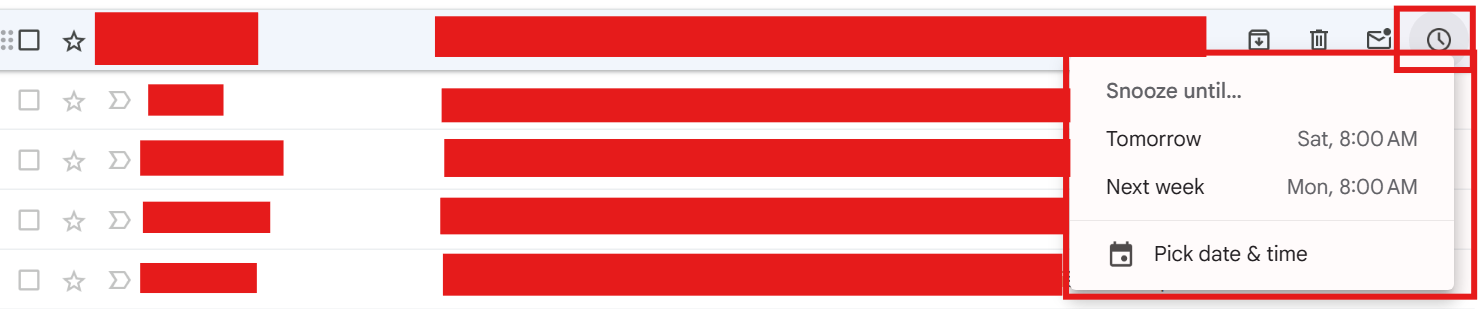
One of the most critical elements in a successful bump email strategy is timing. Sending a follow-up too soon can appear pushy or impatient, while waiting too long risks the conversation becoming irrelevant. Industry experts generally recommend a waiting period of two to five business days before sending the first bump email. This timeframe allows the recipient ample opportunity to process the initial message, consider its implications, and respond without feeling rushed. It acknowledges their potential workload and respects their time, fostering a positive perception of the sender.
For subsequent follow-ups, if the first bump goes unanswered, the waiting period should typically be extended. A gap of five to seven business days between the first and second bump conveys continued respect for the recipient’s schedule. This gradual approach helps maintain professionalism and avoids the perception of harassment. Crucially, the consensus among communication strategists is to limit follow-up sequences to two or, at most, three bump emails. Beyond this, the likelihood of a positive response diminishes sharply, while the risk of being marked as spam or causing recipient frustration increases exponentially. Data suggests that while a fourth bump email might still yield a marginal response, it also correlates with a higher spam rate (around 1.6%) and unsubscribe rate (2%), underscoring the importance of knowing when to disengage.
Specific scenarios may dictate slight variations in timing. For time-sensitive matters, slightly shorter intervals might be justified, but always with a clear explanation of the urgency. In contrast, for initial cold outreach or highly strategic partnership proposals, a more patient approach is often warranted to build rapport without appearing overly demanding.
Crafting the Professional Bump: Subject Lines and Body Content
The effectiveness of a bump email hinges on its content and presentation. Both the subject line and the body of the message must be concise, clear, and professional, designed to re-engage without sounding aggressive or entitled.
Subject Line Strategy:
A compelling subject line is the gateway to a re-opened email. It should be:

- Clear and Concise: Immediately convey the email’s purpose.
- Reference Previous Communication: Link directly to the original thread, often by simply replying to it, which automatically includes "Re:" or "Fwd:".
- Add Value (Optional but Recommended): Briefly hint at new information or a benefit.
Effective subject line examples include:
- "Following up on [Topic/Proposal Name]"
- "Quick question about [Previous Discussion Point]"
- "Checking in: [Project Name]"
- "Further thoughts on [Original Email Subject]"
- "Is now a better time to discuss [Benefit/Solution]?"
Vague subject lines like "Just checking in" or aggressive ones such as "Urgent: Respond now!" are counterproductive, leading to confusion or defensiveness.
Body Content Best Practices:
The body of a bump email should be brief, providing just enough context to jog the recipient’s memory and a clear path forward.
- Provide Quick Context: Briefly remind the recipient of the previous message’s core topic. Avoid making them search for the original email.
- Reiterate Value: Remind them of the benefit or purpose of the original communication. This is an opportunity to add a new piece of information, a relevant resource, or a fresh perspective.
- Maintain a Polite and Professional Tone: Avoid language that implies blame, guilt, or impatience. Phrases like "As per my last email" can often come across as passive-aggressive.
- Simple Call to Action (CTA): Make it easy for the recipient to respond. Ask a specific, low-friction question that requires minimal effort. Examples include: "Do you have any questions I can clarify?" "Would you be available for a brief call next week?" or "Let me know if you’re still interested."
- Offer an Exit Ramp: Especially for later bumps, politely suggest that if there’s no interest, you’ll cease further communication. This respects their decision and protects your sender reputation.
Dos and Don’ts of Tone and Phrasing:
| Polite Phrasing | Pushy Phrasing |
|---|---|
| "Just checking in on the proposal we discussed." | "Why haven’t you replied to my proposal yet?" |
| "I know you’re busy, so no rush on this." | "I need an answer by the end of the day." |
| "Let me know if you need any more details." | "You need to confirm this right now." |
| "I hope this finds you well." | (No polite opening, straight to demand) |
| "If this isn’t a good time, please let me know." | "I’ll assume you’re not interested if I don’t hear back." |
Common Mistakes to Avoid:
Even with good intentions, bump emails can backfire. Key mistakes include:
- Excessive Frequency: Too many bumps too quickly.
- Aggressive or Guilt-Tripping Tone: Using language that makes the recipient feel bad for not responding.
- Long-Winded Messages: The bump should be brief; a wall of text will likely be ignored.
- Lack of Value: Simply repeating the original message without adding new context or value.
- Unclear Call to Action: Making the recipient guess what you want them to do next.
Leveraging Technology: The Power of Automated Bump Emails
While manual bumping is suitable for one-off personal correspondence, scaling follow-ups for marketing, sales, and e-commerce campaigns demands automation. Tools like Omnisend have revolutionized this process, allowing businesses to create sophisticated workflows that send personalized, timely bump emails without manual intervention.
The Advantages of Automation:
- Efficiency: Automates repetitive tasks, freeing up valuable time for strategic work.
- Consistency: Ensures follow-ups are sent at optimal intervals, every time.
- Scalability: Manages thousands of follow-ups across a large customer base effortlessly.
- Personalization: Integrates customer data to tailor messages, significantly boosting engagement.
- Improved ROI: Automated sequences often outperform manual efforts, with platforms like Omnisend reporting an average return of $79 for every $1 spent for their customers.
Automated Bump Emails in Action: Specific Use Cases
1. E-commerce Marketing Scenarios:
For online retailers, automated bump emails are indispensable for revenue recovery and customer loyalty. Omnisend, integrating with platforms like Shopify, WooCommerce, and BigCommerce, enables highly effective workflows:
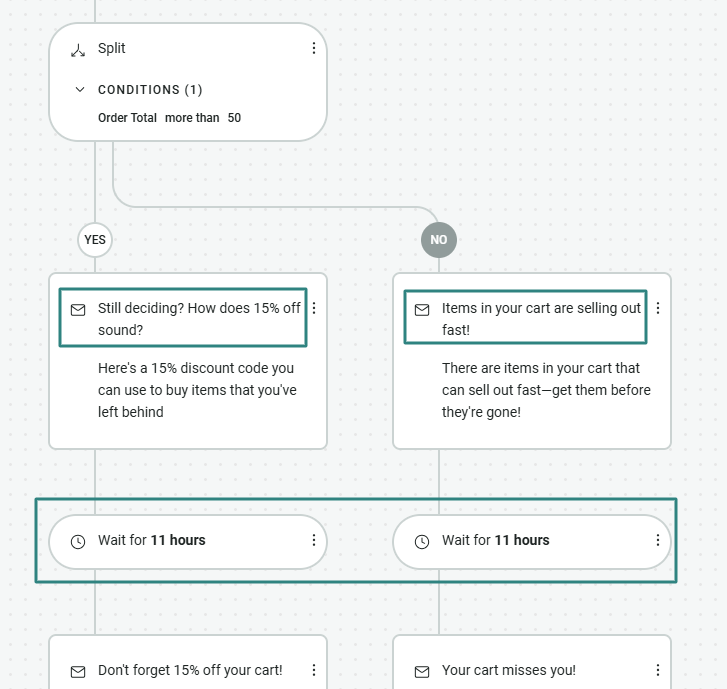
- Abandoned Cart Reminders: These are arguably the most critical. When a shopper adds items to their cart but doesn’t complete the purchase, automated bumps can remind them of their selections, offer incentives (e.g., a small discount), or highlight scarcity. A typical workflow might involve an initial reminder after 1 hour, a second after 12-24 hours, and a final one after 48-72 hours. These emails aim to recover lost sales, with studies showing they can convert up to 10-15% of abandoned carts.
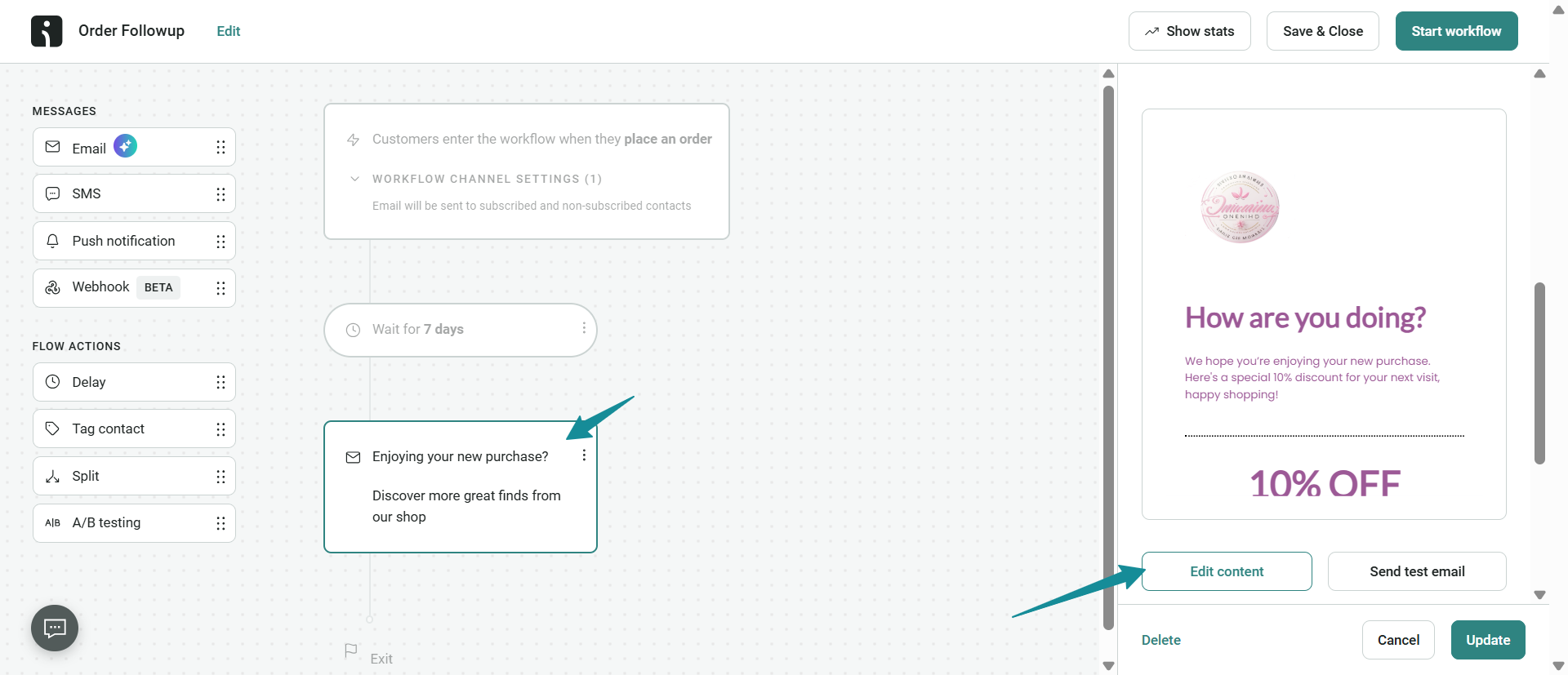
- Post-Purchase Review Requests: Sent a few days or weeks after delivery, these bumps encourage customers to leave reviews, building social proof and fostering a sense of community.
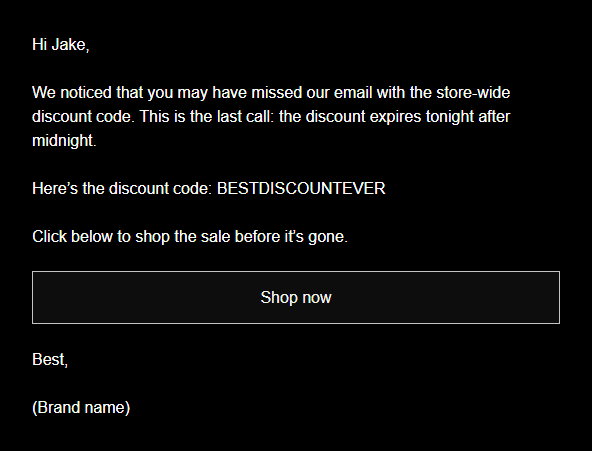
- Promotional Re-sends: For customers who didn’t open or click on an initial promotional email, a re-send with a tweaked subject line or slightly different offer can capture attention and drive conversions. For example, reminding a customer about an expiring discount code.
2. Sales, PR, and Partnership Outreach Bumps:
In B2B contexts, automated sequences can maintain brand familiarity and nurture leads over time. For cold outreach, the value-add in each bump is crucial. Examples include:
- Sharing New Resources: "Following up on our discussion about [problem], I thought you might find this article/case study relevant."
- Highlighting Success Stories: "We recently helped [similar company] achieve [specific metric]. I’d be thrilled to explore how we could do the same for you."
- Offering a Refined Proposal: "Based on our last interaction, I’ve refined the proposal to focus specifically on [your key pain point]."
These bumps help establish credibility and demonstrate continued interest without demanding an immediate response, allowing recipients to engage on their own terms.
3. Customer Support and Service Follow-ups:
Automated check-ins after a support interaction or a significant purchase demonstrate exceptional customer service. These bumps can:
- Confirm Resolution: "Just checking in to ensure your issue with [ticket number] was fully resolved."
- Prevent Negative Reviews: By proactively addressing potential lingering issues, businesses can head off dissatisfaction.
- Gather Feedback: "We’d appreciate your feedback on your recent support experience."
Combining these emails with SMS marketing for critical updates further ensures that customers receive timely information through their preferred channels.
Implementing Automation: Workflows, Segmentation, and Personalization
Modern marketing automation platforms enable businesses to transform their bump email templates into dynamic, multi-stage workflows.
- Workflow Design: Visually construct sequences with specific triggers (e.g., "cart abandoned," "email not opened"), timing delays, and decision splits (e.g., "if order value > $50, offer 15% discount; else, highlight scarcity").
- Segmentation: Target specific groups of customers based on their behavior, demographics, or purchase history. For instance, sending a different abandoned cart message to first-time buyers versus loyal customers.
- Advanced Personalization: Beyond just inserting a first name, automation allows for dynamic content based on browsing history, previous purchases, or engagement level. This hyper-personalization makes each bump feel relevant and individual, significantly increasing response and conversion rates. As Omnisend’s Conversion Specialist, Andrius Šeršniovas, notes, "Automation combined with personalization consistently outperforms one-off manual bumps by ensuring the right message reaches the right person at the perfect time."
Measuring Success and Optimizing Your Bump Strategy
Continuous improvement is vital for any communication strategy. Automated platforms provide robust analytics to track the performance of bump emails, allowing for data-driven optimization.
Core Metrics to Track:
- Open Rate: Indicates how effective your subject lines are at capturing attention.
- Click-Through Rate (CTR): Measures engagement with the content and the call to action.
- Response Rate: The ultimate indicator of whether your bump achieved its primary goal.
- Conversion Rate: For e-commerce or sales, this tracks how many bumps led to a desired action (e.g., purchase, demo booking).
- Unsubscribe/Spam Complaint Rate: Critical for monitoring brand health and ensuring you’re not overdoing it. High rates here signal a need for immediate adjustment.
A/B Testing for Optimization:
A/B testing is crucial for refining bump email performance. Marketers can test:
- Subject Lines: Different phrasing, emojis, length.
- Timing: Varying delay intervals between bumps.
- Content: Different CTAs, value propositions, or visual elements.
- Sender Name: Testing if a specific sender name improves open rates.
By continually experimenting and analyzing the results, businesses can iterate their bump strategy, double down on what works, and eliminate ineffective approaches. This iterative process, supported by comprehensive reporting dashboards, ensures that every email bump consistently drives value and strengthens relationships.
Conclusion
In the cacophony of modern digital communication, the strategic use of an email bump is no longer a courtesy but a necessity. It represents a professional and polite method to re-engage recipients, recover lost opportunities, and maintain critical dialogues. Mastering this art requires a keen understanding of appropriate timing, respectful tone, and concise, value-driven content. While manual bumps are effective for individual interactions, the demands of large-scale marketing and sales operations necessitate the adoption of automation platforms. Tools like Omnisend empower businesses to implement sophisticated, personalized, and data-driven bump email workflows, ensuring messages reach the right audience at the optimal moment. By balancing persistence with professionalism and continuously optimizing based on performance metrics, organizations can navigate the complexities of inbox overload, build stronger relationships, and consistently achieve their communication objectives in the digital age.


 Ammar Sabilarrohman
 Asro
Asro