Sagoh
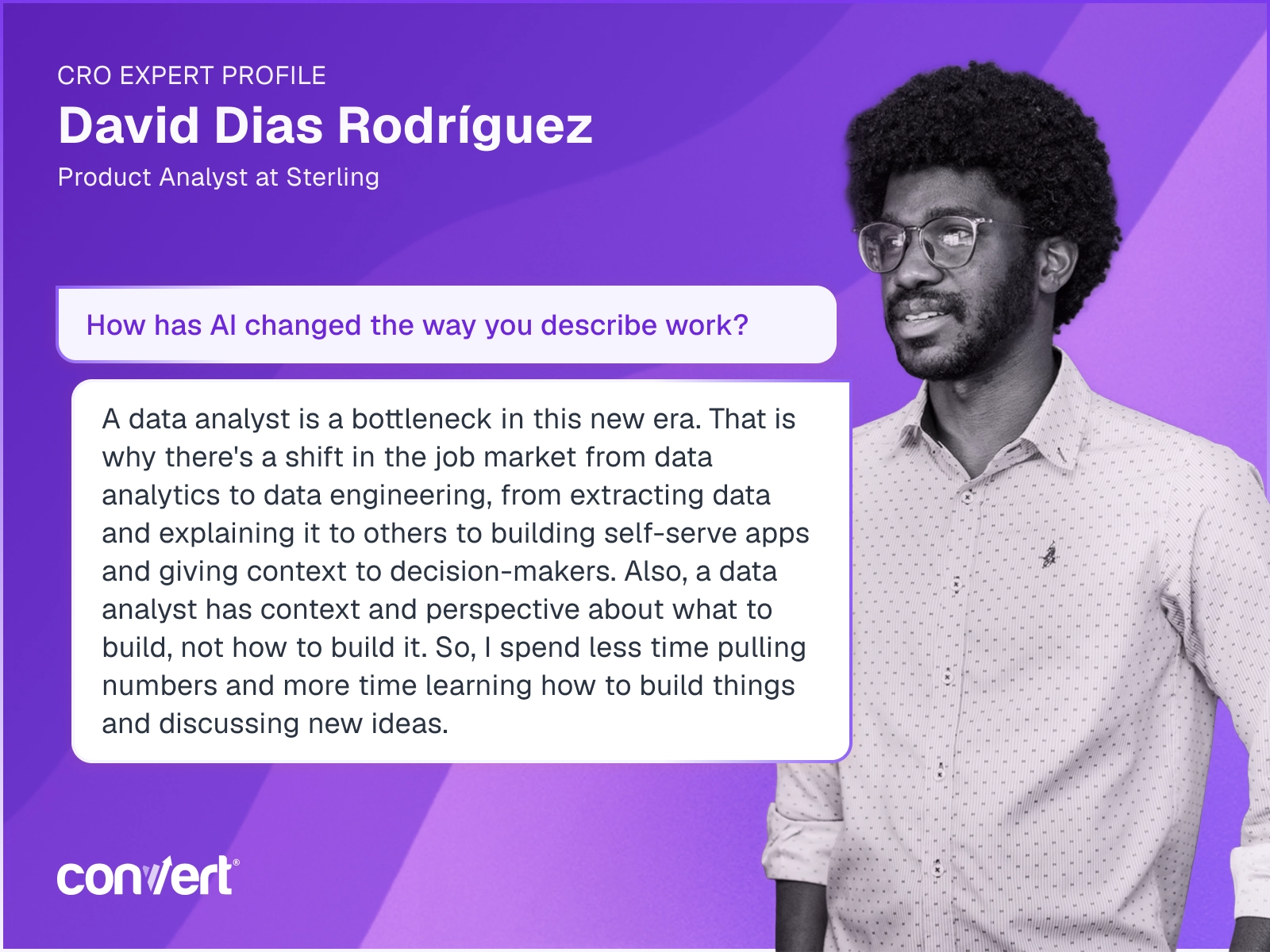
The landscape of digital product development is undergoing a seismic shift as the traditional boundaries between data analysis, software engineering, and artificial intelligence begin to blur. David Dias Rodríguez, a prominent Product Analyst at Sterling and a key contributor to the ongoing Testing Mind Map series, recently shared a comprehensive overview of his professional methodology, highlighting how evidence-based decision-making is replacing intuition-led strategies in the tech industry. As organizations move away from "risky" product releases toward rigorous validation frameworks, the role of the analyst is evolving from a mere provider of reports to a strategic architect of automated systems.
The Genesis of a Validation-First Mindset
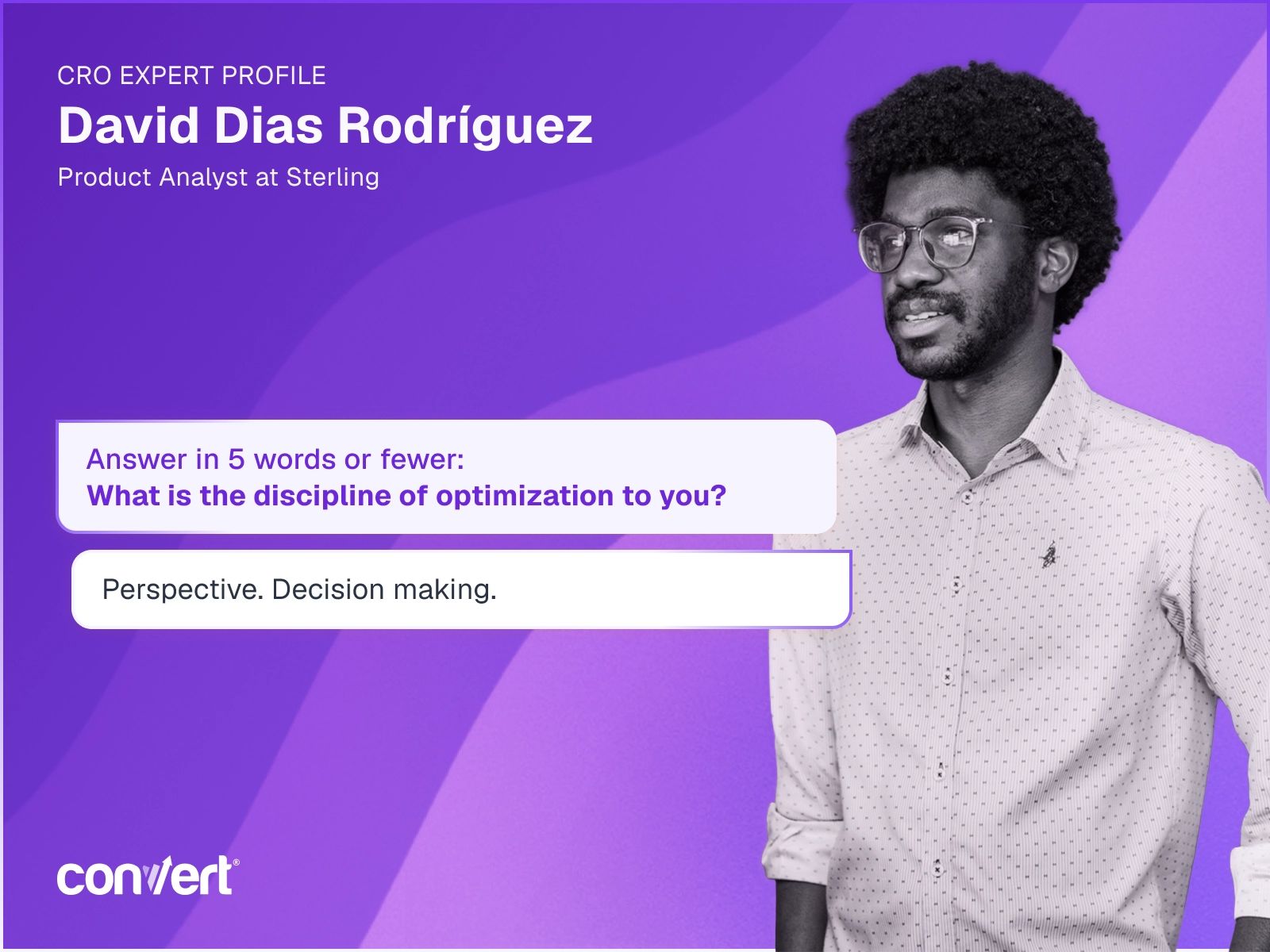
The journey toward a disciplined approach to optimization often begins with the recognition of systemic risk. For Rodríguez, this realization occurred during his tenure at a betting company, where the product development lifecycle relied heavily on individual pitches and subjective approval from Product Managers. In such environments, changes to product metrics were often pursued based on conviction rather than empirical evidence—a practice Rodríguez identified as inherently unstable. This lack of a structured validation process served as the primary catalyst for his transition into the specialized field of experimentation.

To bridge the gap between intuition and impact, Rodríguez turned to the operational blueprints of industry leaders. By studying the experimentation cultures of Duolingo, Spotify, and Netflix, he adopted a methodology where every product feature is treated as a hypothesis to be tested. These companies have famously pioneered "experimentation platforms" that allow for thousands of simultaneous tests, ensuring that user experience (UX) improvements are driven by actual behavior rather than internal assumptions. This shift in perspective transformed his view of optimization from a technical task into what he describes as the most rewarding discipline of his career.
Chronology of the AI Integration in Workflows
The integration of Artificial Intelligence (AI) into the experimentation workflow represents a significant turning point in Rodríguez’s methodology. His stance on the technology has evolved rapidly over a short period, reflecting a broader industry trend toward AI adoption.
- June 2023: Initial Skepticism. During his time at a stock image company, Rodríguez remained cautious about the utility of AI outside of image generation. While AI was beginning to excel in visual creativity, its application in complex data analysis and product strategy remained unproven.
- Late 2023: The Pivot to Adoption. By the end of the year, the rapid advancement of Large Language Models (LLMs) and automated coding assistants made it clear that AI would become a fundamental pillar of the optimization workflow.
- 2024: Full-Scale Implementation. Currently, AI is no longer a peripheral tool but a core component of Rodríguez’s operations at Tably.es and his broader analytical work. It is used for diverse tasks ranging from search engine optimization (SEO) to the verification of copyright metadata.
Automating the Experimentation Lifecycle
Rodríguez identifies several critical areas where AI has streamlined execution, effectively commoditizing tasks that previously required significant manual labor. At Tably.es, a platform dealing with artists and digital content, AI is utilized to manage the complexities of content metadata and platform growth.

SEO and Technical Development
AI has significantly lowered the barrier to entry for technical mastery. Rodríguez utilizes AI to generate server-side code following the validation of new features, accelerating the transition from a successful test to full production. In the realm of SEO, AI-driven workflows assist in identifying high-intent "long-tail" keywords by analyzing vast logs from Google Search Console. This allows for the creation of targeted educational content that aligns with specific user search patterns.
Content Verification and Rights Management
For platforms managing creative intellectual property, the onboarding of artists involves significant administrative overhead. Rodríguez has implemented automated pipelines where AI cross-references catalog metadata to ensure accurate attribution. This process is vital for maintaining the integrity of royalty payouts from digital downloads, a task that historically required extensive human oversight to prevent fraud and errors.
Data-Driven Discovery
Beyond execution, AI is used as a discovery tool. By analyzing large-scale query logs, the technology can spot emerging trends in user interest, such as specific demands for educational sheet music. This proactive approach to data allows product teams to build features that meet latent demand before competitors can react.
Case Study: Market Validation Through Pricing and Model Testing
One of the most instructive examples of Rodríguez’s approach to experimentation involves a 2021 project for a physiotherapy company. The organization sought to expand its business model by introducing an AI-driven online physiotherapy vertical. Rather than investing heavily in the development of the technology first, Rodríguez designed an experiment to test the value proposition itself.
The test measured user interest by offering "online physiotherapy" as an option alongside traditional in-person services. The metrics focused on the selection ratio and the actual purchase completion rate. The results provided a clear, albeit counter-intuitive, signal: users overwhelmingly preferred in-person treatment despite the convenience of the online proposal.
This experiment highlights a critical principle in optimization: the most valuable tests often result in "losing" variations that prevent companies from wasting capital on undesirable products. While Rodríguez notes that the same test might yield different results in the post-pandemic, AI-saturated market of 2024, the 2021 data provided the necessary evidence to pivot away from a costly mistake.
The Structural Shift: From Data Analytics to Data Engineering
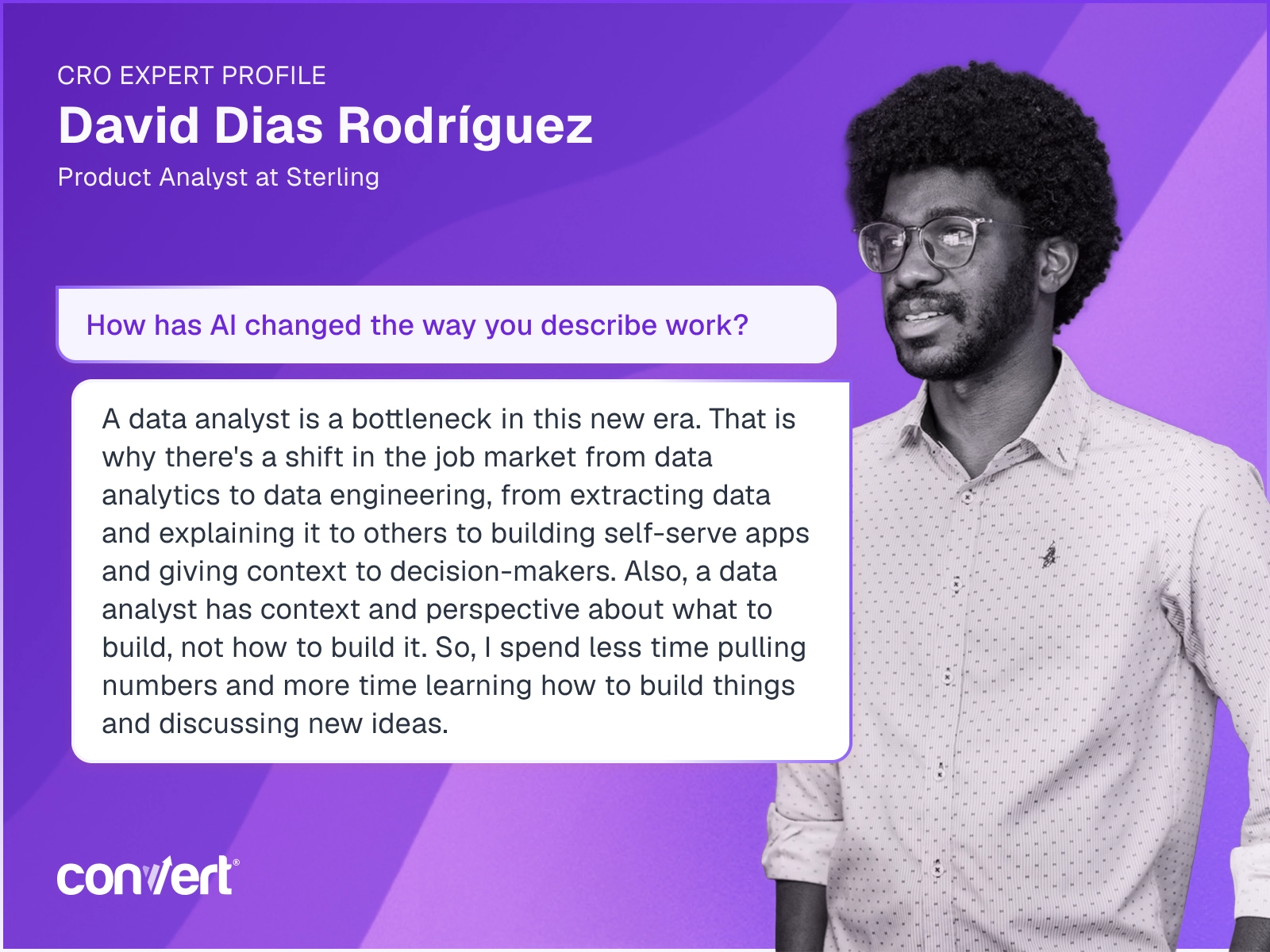
As AI takes over repetitive tasks such as data extraction and basic visualization, the professional identity of the "Data Analyst" is undergoing a profound transformation. Rodríguez observes that in many modern organizations, traditional analysts can become bottlenecks if they focus solely on pulling numbers for others.
The industry is currently seeing a migration toward "Data Engineering" and the creation of self-serve analytics applications. In this new paradigm, the analyst’s goal is to build the infrastructure that allows decision-makers to access context-rich data independently. This shift allows professionals like Rodríguez to spend less time on manual data retrieval and more time on high-level strategy, product architecture, and the discussion of innovative ideas.
Supporting market data reinforces this observation. According to recent industry reports, demand for data engineers has outpaced that for data analysts in several tech hubs, as companies prioritize the "plumbing" of AI and automated systems over manual reporting. The modern analyst must now possess a blend of statistical knowledge, software development skills, and business acumen.

Broader Implications for the Optimization Industry
The insights provided by David Dias Rodríguez reflect a maturing industry where the "heroics" of individual testers are being replaced by robust, automated systems. The commoditization of execution through AI means that the competitive advantage of a company no longer lies in its ability to run a test, but in its ability to ask the right questions and interpret the results within a broader business context.
Furthermore, the emphasis on "Written By Human" content—as evidenced by the badge on Rodríguez’s latest playbook—suggests a growing tension between automated efficiency and the need for human judgment. While AI can handle the "how" of building and testing, the "why" remains the domain of the human analyst.
The future of product experimentation will likely be defined by three key pillars:

- Velocity: AI will continue to shorten the time between hypothesis and results.
- Autonomy: Self-serve platforms will democratize data access across non-technical departments.
- Validation: Pricing and business model testing will become standard practice before a single line of production code is written.
Conclusion
David Dias Rodríguez’s contribution to the Testing Mind Map series serves as a roadmap for the modern product analyst. By moving past the "tidy" version of experimentation and embracing the messy reality of production and AI integration, Rodríguez demonstrates that the discipline of optimization is as much about cultural change as it is about technical proficiency. As he continues his work at Sterling and Tably.es, his focus remains on building the systems that allow data to speak clearly, ensuring that the next generation of digital products is built on the firm ground of evidence rather than the shifting sands of conviction.


 Jia Lissa
 Raul Delapena Setiawan