
 rifanmuazin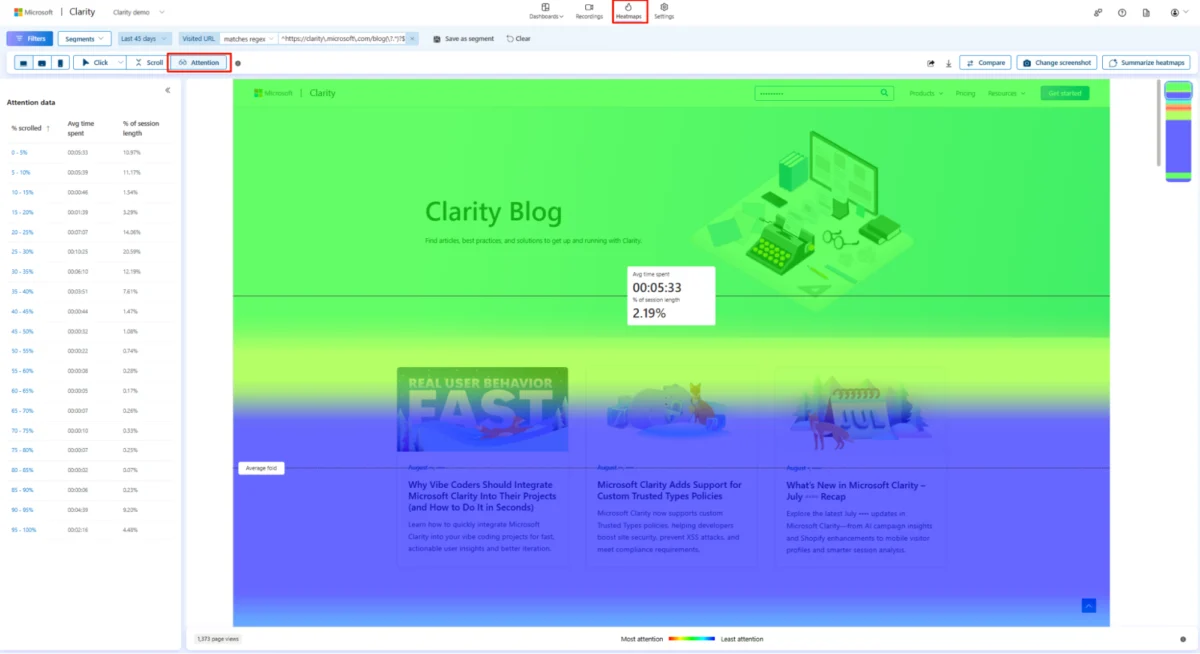
The global digital experience monitoring market has undergone a significant transformation over the last decade, transitioning from basic pageview metrics to deep behavioral analytics. At the forefront of this evolution are two prominent platforms: Crazy Egg, a pioneer in the heatmap space founded in 2006, and Microsoft Clarity, a disruptive free utility launched in 2020. While both platforms are designed to provide transparency into how users interact with websites, they cater to distinct operational philosophies and business requirements. Crazy Egg positions itself as an all-in-one conversion rate optimization (CRO) suite, whereas Microsoft Clarity serves as a high-volume behavioral data engine. This report examines the technical specifications, strategic advantages, and market implications of both tools to assist organizations in selecting the appropriate infrastructure for their digital growth.
Historical Context and Market Evolution
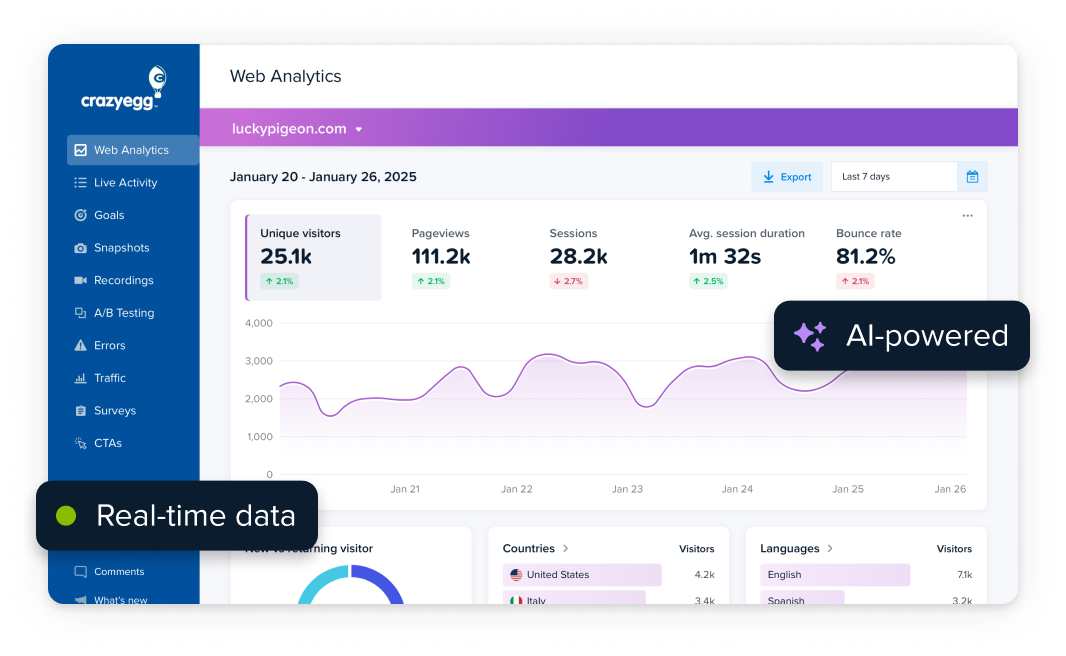
To understand the current competition between Crazy Egg and Microsoft Clarity, one must look at the chronology of the user experience (UX) industry. When Crazy Egg was launched by Hiten Shah and Neil Patel in the mid-2000s, the concept of "visualizing" a click was revolutionary. Before this, marketers relied almost exclusively on tabular data from early versions of Google Analytics. Crazy Egg’s introduction of the "Confetti Map" allowed for the first time a granular view of user intent by segmenting clicks by referral source and search terms.
Conversely, Microsoft Clarity entered the market during a period of data democratization. Launched in late 2020, Clarity was Microsoft’s response to the growing demand for privacy-compliant, high-scale session recording tools that could integrate seamlessly with the Bing and Azure ecosystems. By making the tool entirely free, Microsoft challenged the traditional SaaS subscription model, forcing established players like Crazy Egg to innovate beyond simple data visualization and toward actionable experimentation.
Technical Analysis of Heatmapping Capabilities
Heatmaps remain the foundational feature for both platforms, yet their technical execution varies significantly. Both tools offer standard click, scroll, and move maps, but their utility diverges when it comes to data segmentation and engagement depth.
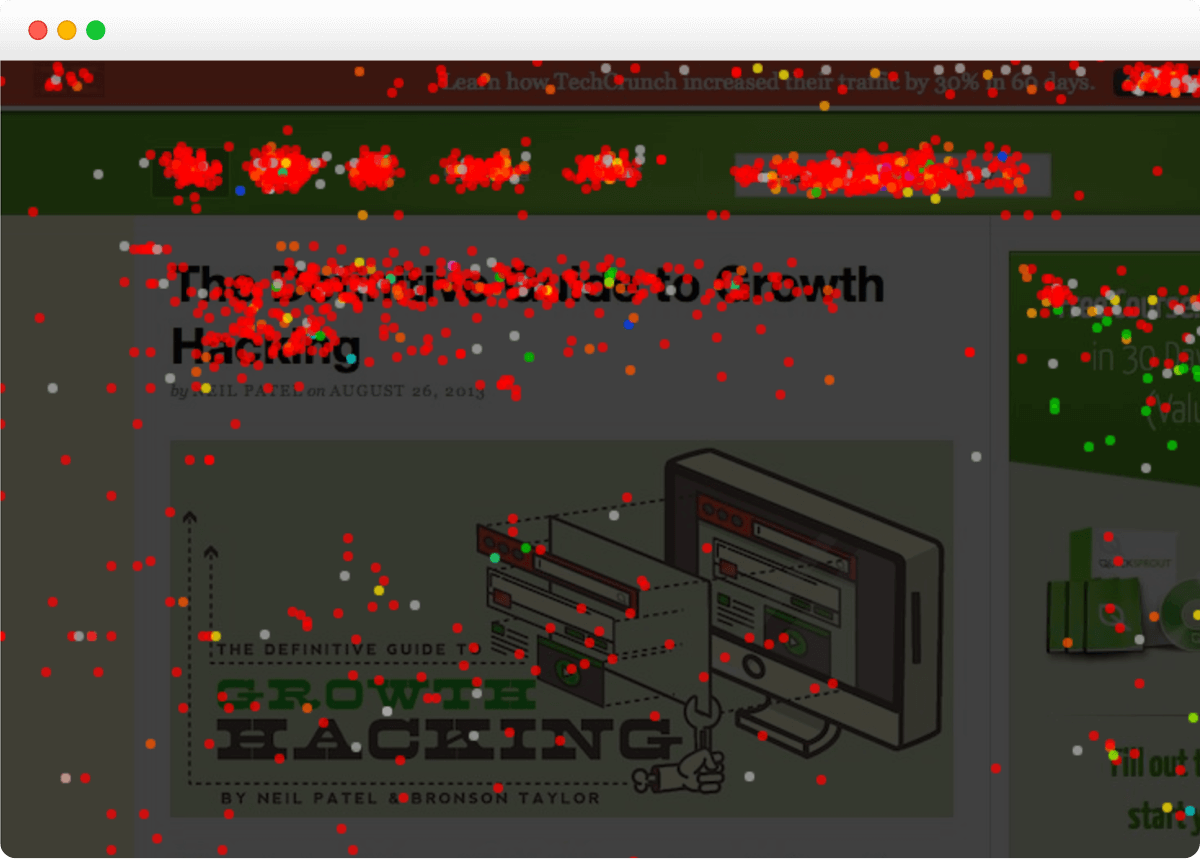
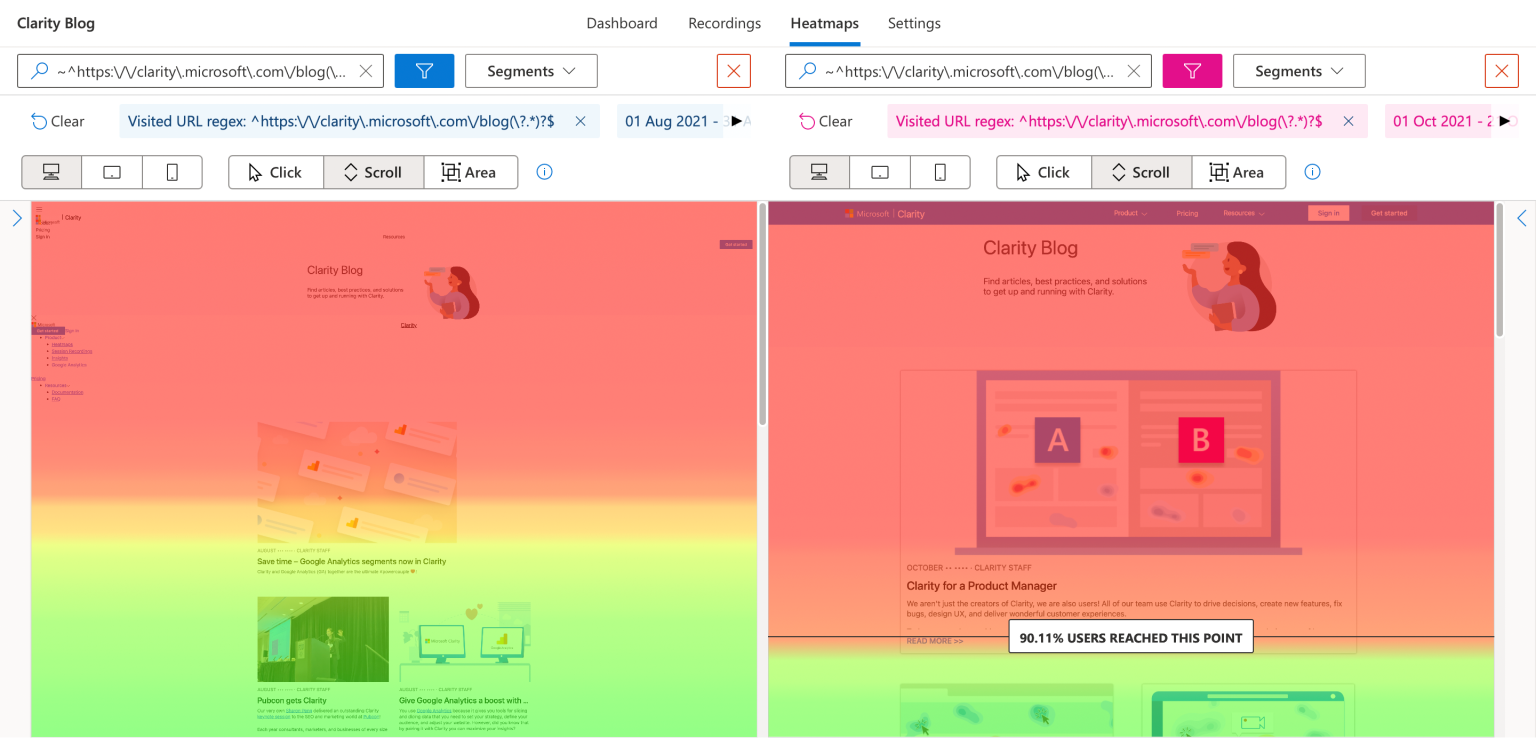
Crazy Egg’s competitive edge lies in its proprietary Confetti Map. Unlike standard heatmaps that show aggregate "hot" and "cold" zones, the Confetti Map provides individual data points for every click, which can be filtered by over 20 variables, including UTM parameters, device type, and geographical location. This allows a marketer to distinguish, for example, how a visitor from a Facebook ad interacts with a landing page compared to a visitor from an organic Google search.
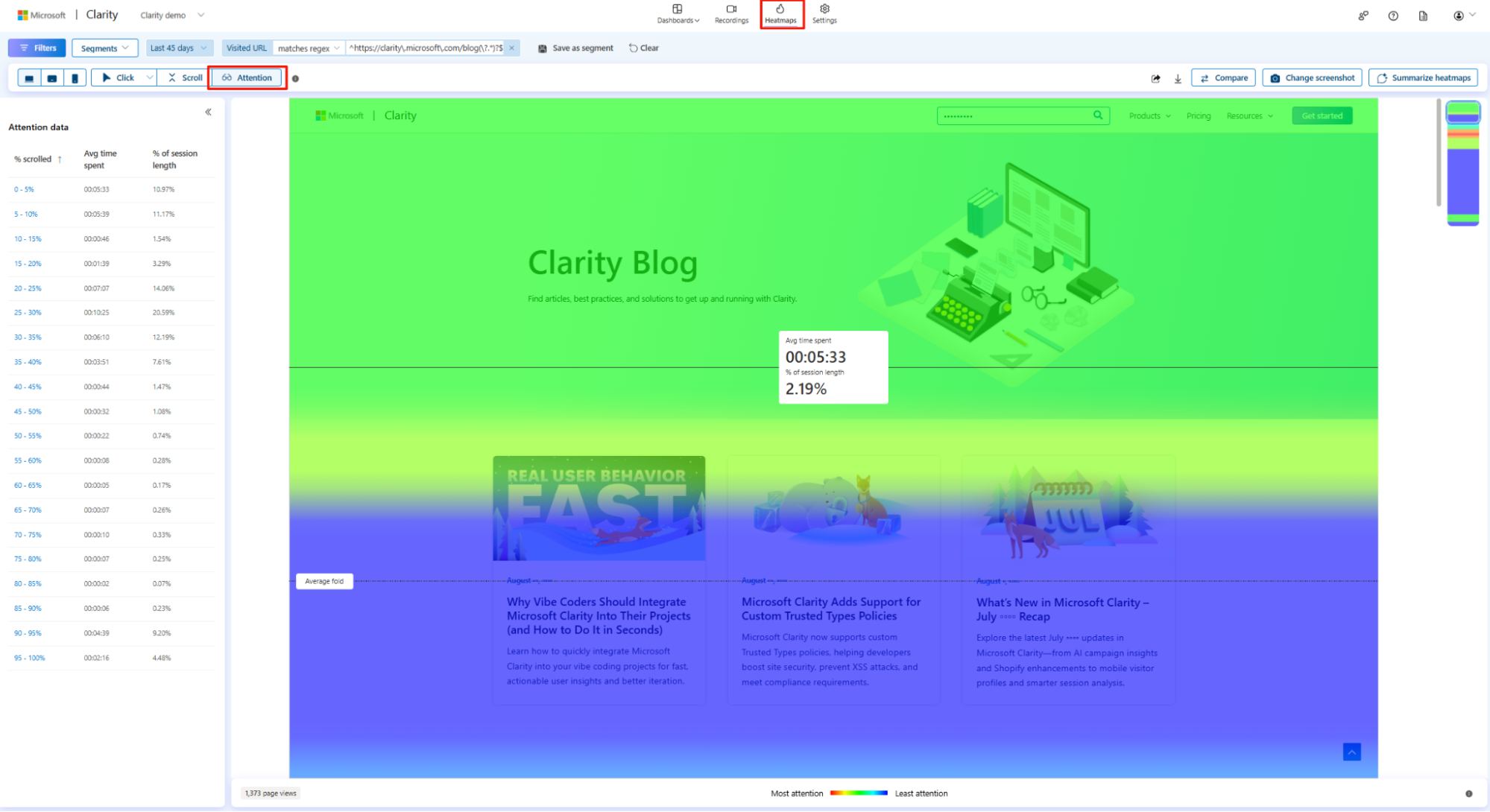
Microsoft Clarity, while lacking a direct equivalent to the Confetti Map, introduces "Attention Maps." These maps measure the "depth of engagement" by calculating the time spent on specific sections of a page relative to the rest of the content. This is particularly valuable for content publishers and long-form sales pages, as it identifies which paragraphs or images are actually being consumed versus those that are merely scrolled past.
Session Recording and Data Retention Strategies
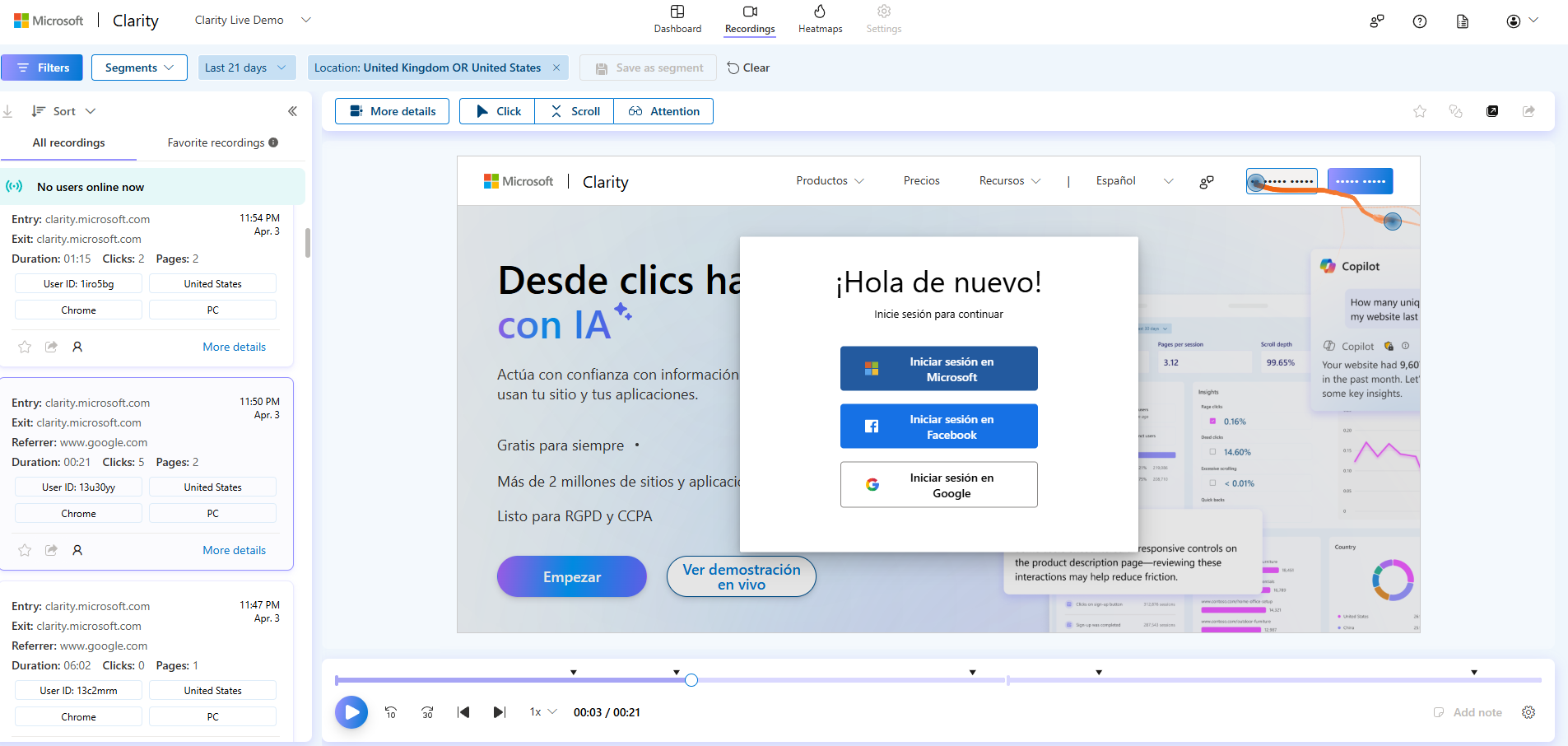
The methodology for session recordings represents one of the most stark differences between the two providers. Microsoft Clarity is built for scale; it offers a "no sampling" policy, allowing for up to 100,000 session recordings per day per project. This makes it an ideal choice for high-traffic enterprise sites where statistical significance requires massive datasets. However, this volume comes at a cost of longevity, as Clarity typically retains standard recordings for only 30 days.
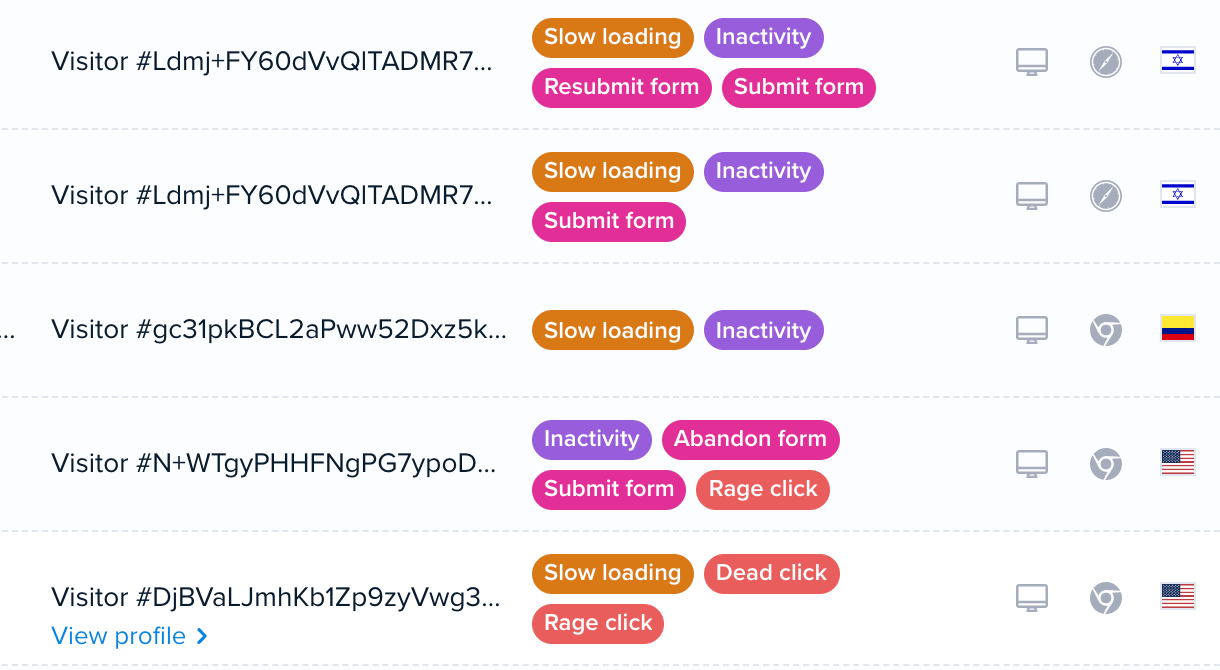
Crazy Egg adopts a "quality over quantity" approach. While it caps recordings based on the user’s subscription tier—ranging from 50 to 10,000 recordings per month—it offers significantly longer retention periods. On higher-tier plans, recordings are stored for up to two years. For businesses with long sales cycles or those conducting year-over-year seasonal audits, the ability to revisit user behavior from 18 months prior is a critical advantage. Furthermore, Crazy Egg’s recordings are automatically tagged with behavioral signals such as "rage clicks" and "dead clicks," as well as e-commerce events like "checkout start," allowing for faster triage of UX friction.
Error Tracking and Technical Debugging Workflows
In recent years, the intersection of marketing and DevOps has become more pronounced. Both Crazy Egg and Microsoft Clarity have integrated JavaScript error tracking to help teams identify when technical bugs interfere with the conversion funnel.
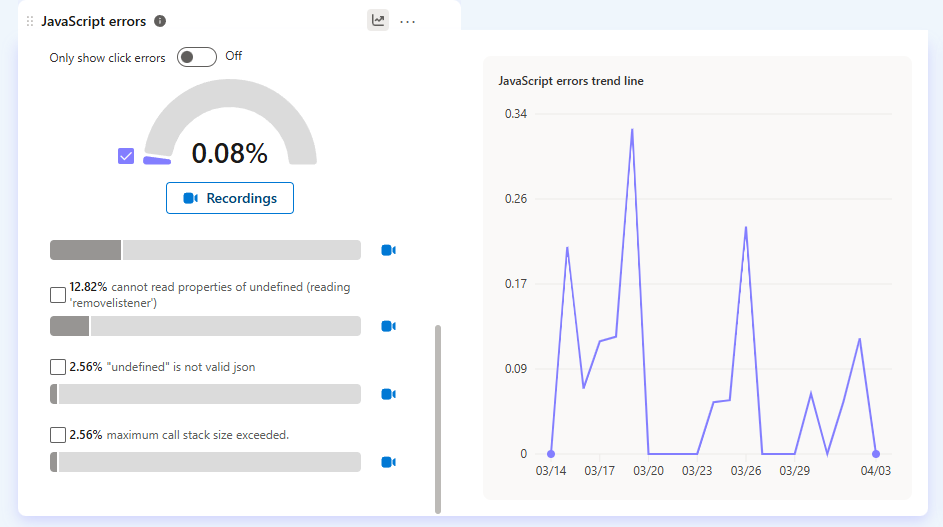
Microsoft Clarity provides a functional dashboard that aggregates JS errors, showing the total count and a trend line. This is useful for identifying a sudden spike in errors following a new code deployment. However, it functions primarily as an alert system rather than a debugging tool.
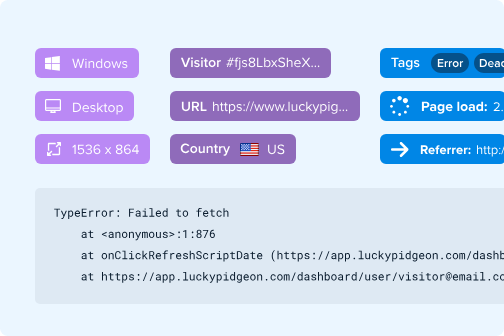
Crazy Egg provides a more robust, developer-centric workflow. Its error tracking feature includes full stack traces, which allow engineers to see exactly which line of code failed. Crucially, these errors are linked directly to the session recording of the impacted user. This enables a "visual reproduction" of the bug, eliminating the need for developers to manually attempt to recreate the conditions under which a crash occurred. The platform also includes a "resolve/ignore" triage system, effectively serving as a lightweight bug-tracking suite.
The Role of Artificial Intelligence in Behavioral Analysis
The integration of Generative AI and machine learning has become a primary battleground for UX tools in 2024. Microsoft has leveraged its partnership with OpenAI to integrate "Copilot" into Clarity. This AI assistant can summarize dozens of session recordings into a single paragraph of text, highlighting common themes such as "users are struggling with the login button" or "most visitors ignore the secondary CTA." It also features a conversational interface where users can ask natural language questions about their data.
Crazy Egg utilizes AI for proactive insights. Rather than waiting for a user to ask a question, Crazy Egg’s AI scans heatmaps and web analytics to surface "Top Insights." For instance, it might notify a user that "Mobile visitors from California are converting at a 40% lower rate than the site average due to a layout shift." While it lacks a conversational chat interface within the platform, Crazy Egg allows users to export heatmap data directly into external LLMs like ChatGPT or Gemini for deeper, custom analysis.
Conversion Funnels and the Experimentation Gap
The most significant strategic difference between the two platforms is what happens after the data is analyzed. Microsoft Clarity is an observational tool; it shows what is happening but provides no native way to fix it. To act on insights found in Clarity, a user must employ a third-party A/B testing tool.
Crazy Egg, by contrast, is an action-oriented platform. It includes a native A/B testing engine with a visual editor, allowing marketers to modify page elements—such as headlines, images, or button colors—and launch an experiment without writing code. This creates a closed-loop system where a user identifies a problem in a heatmap, formulates a hypothesis, and launches a test in the same interface. Additionally, Crazy Egg offers built-in survey tools and "overlay" CTA pop-ups, further expanding its utility as a conversion tool.
Economic Implications and Total Cost of Ownership
From a budgetary perspective, Microsoft Clarity is an anomaly in the SaaS market. By offering all features for free with no limits, Microsoft has effectively commoditized basic behavioral tracking. For small businesses, startups, or non-profits with limited budgets, Clarity provides a level of insight that was previously cost-prohibitive.
Crazy Egg follows a traditional tiered pricing model, starting at approximately $29 per month (billed annually). While this represents a financial commitment, proponents argue that the "Total Cost of Ownership" is lower for organizations that would otherwise need to pay for separate A/B testing (e.g., Optimizely), survey (e.g., Typeform), and error-tracking (e.g., Sentry) tools. For mid-market and enterprise teams, the consolidation of these tools into a single subscription often results in significant cost savings and reduced "tool sprawl."
Broader Impact and Industry Implications
The competition between Crazy Egg and Microsoft Clarity reflects a broader trend in the software industry: the move toward integrated "Experience Platforms." Industry analysts suggest that as privacy regulations like GDPR and CCPA become more stringent, the value of first-party behavioral data will only increase.
Microsoft’s decision to keep Clarity free suggests that the tech giant views behavioral data as a way to bolster its other services, such as Microsoft Advertising and Azure. Meanwhile, Crazy Egg’s focus on the "all-in-one" model suggests a future where UX tools are expected to be proactive partners in business growth, rather than passive data repositories.
Final Verdict and Strategic Recommendation
The choice between Crazy Egg and Microsoft Clarity ultimately depends on the maturity of the organization’s optimization program.
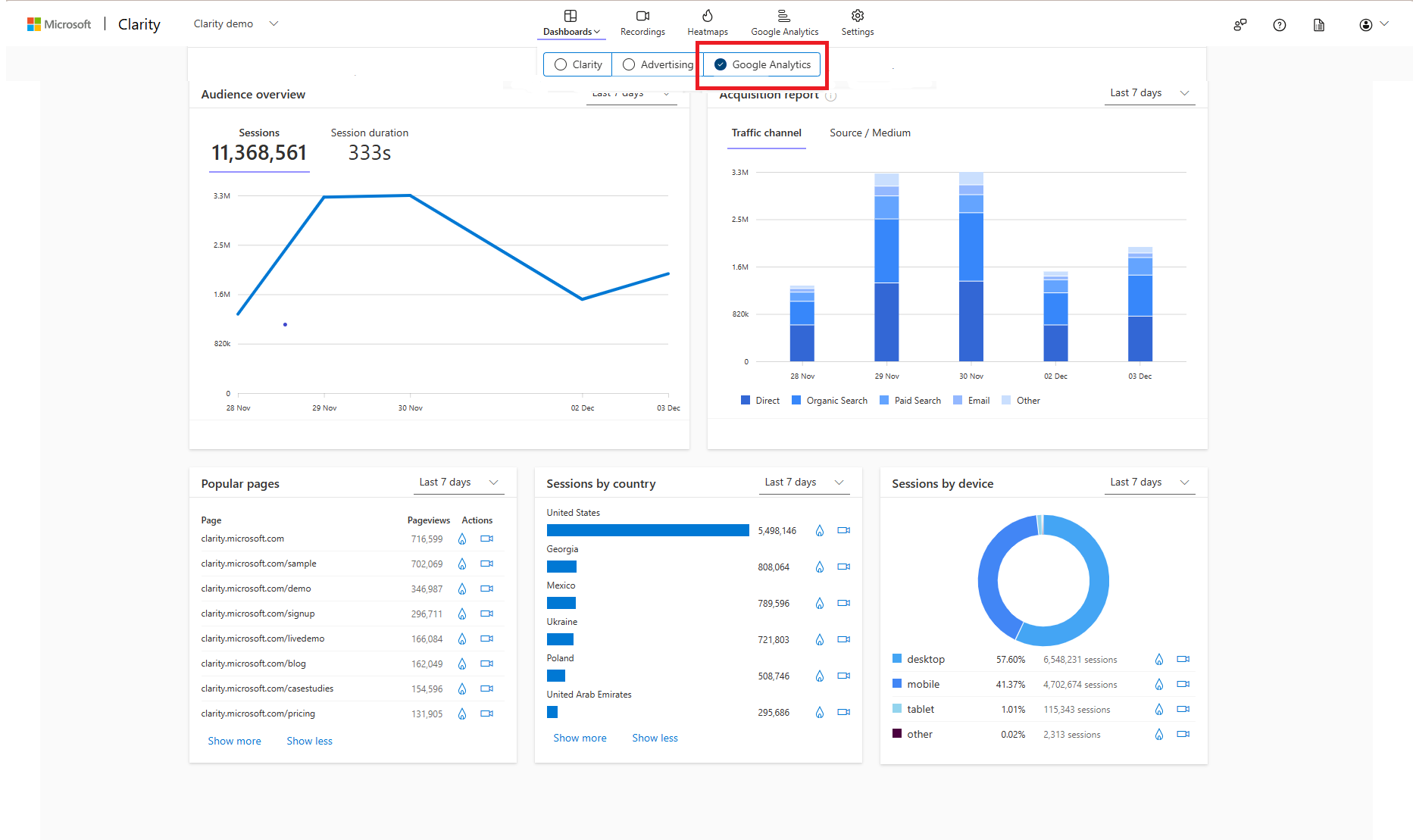
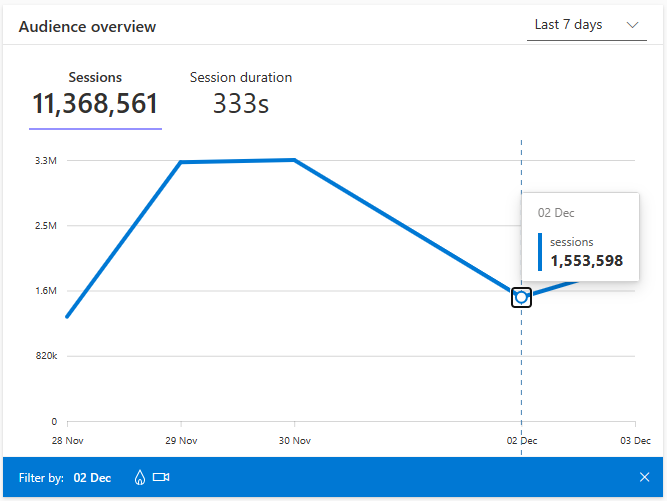
For organizations that require a high-volume, cost-free solution to monitor general site health and identify glaring UX issues, Microsoft Clarity is the undisputed leader. Its integration with GA4 and its "Copilot" AI summaries make it an excellent choice for teams that need quick answers without a financial hurdle.
For marketing teams, CRO specialists, and product managers who are tasked with actively increasing conversion rates and revenue, Crazy Egg offers a more comprehensive toolkit. The ability to segment data via Confetti Maps, debug code with stack traces, and immediately launch A/B tests based on those findings provides a streamlined workflow that a collection of free, disconnected tools cannot match.
As the digital landscape becomes increasingly competitive, the ability to not just see, but to understand and react to user behavior will be the defining factor in online success. Both Crazy Egg and Microsoft Clarity provide the "eyes" for this journey; the difference lies in the "hands" they provide to shape the final destination.








