The landscape of digital marketing is undergoing a fundamental shift as organizations move away from traditional, one-off A/B testing in favor of a continuous, data-driven approach known as iterative testing. While conventional testing often concludes after a single experiment, iterative testing establishes a perpetual cycle of measurement and refinement, treating marketing assets as evolving entities rather than static campaigns. This methodology, rooted in software development and agile product management, aims to address the volatility of modern consumer behavior and the increasing pressure on marketing budgets to deliver predictable returns on investment (ROI).
Industry analysts note that the traditional "big bang" approach to marketing launches—where massive resources are poured into a single, untested creative direction—is becoming increasingly unsustainable. Instead, the focus has shifted toward making small, evidence-based improvements that compound over time. This transition reflects a broader trend in the business world toward "growth hacking" and conversion rate optimization (CRO), where the goal is to plug "slow leaks" in the sales funnel rather than swinging for unlikely "home runs."
The Strategic Shift: From Experiments to Ecosystems
Iterative testing is defined as a process of repeatedly testing, measuring, and refining marketing assets based on sequential results. Unlike traditional A/B testing, which often seeks a definitive "winner" between two variants before moving on to a different project, iterative testing uses the insights from one test to inform the hypothesis of the next.
Historically, this approach was the domain of product development teams using "Lean" methodologies. However, as digital advertising costs rise and organic reach fluctuates, marketing departments have adopted these principles to maintain a competitive edge. The core objective is to reduce wasted spend by validating ideas on a small scale before committing significant capital. By identifying what resonates with users in real-time, firms can adapt to shifting market conditions—such as seasonal trends or competitor maneuvers—far faster than those relying on quarterly review cycles.
A Chronological Framework for Iterative Implementation
The transition to an iterative testing model typically follows a structured six-step lifecycle. This framework is designed to prioritize speed and actionable data over exhaustive, long-term studies that may be obsolete by the time they are completed.

Phase 1: Hypothesis Formulation
The process begins with the development of a focused hypothesis. Marketing experts emphasize that testing too many variables simultaneously—such as changing a headline, a hero image, and a call-to-action (CTA) all at once—renders the results inconclusive. Instead, successful iterations focus on a single, measurable change. For example, a firm might hypothesize that "simplifying the language on a landing page to a 6th-grade reading level will increase sign-ups among mobile users."
Phase 2: Strategic Prioritization
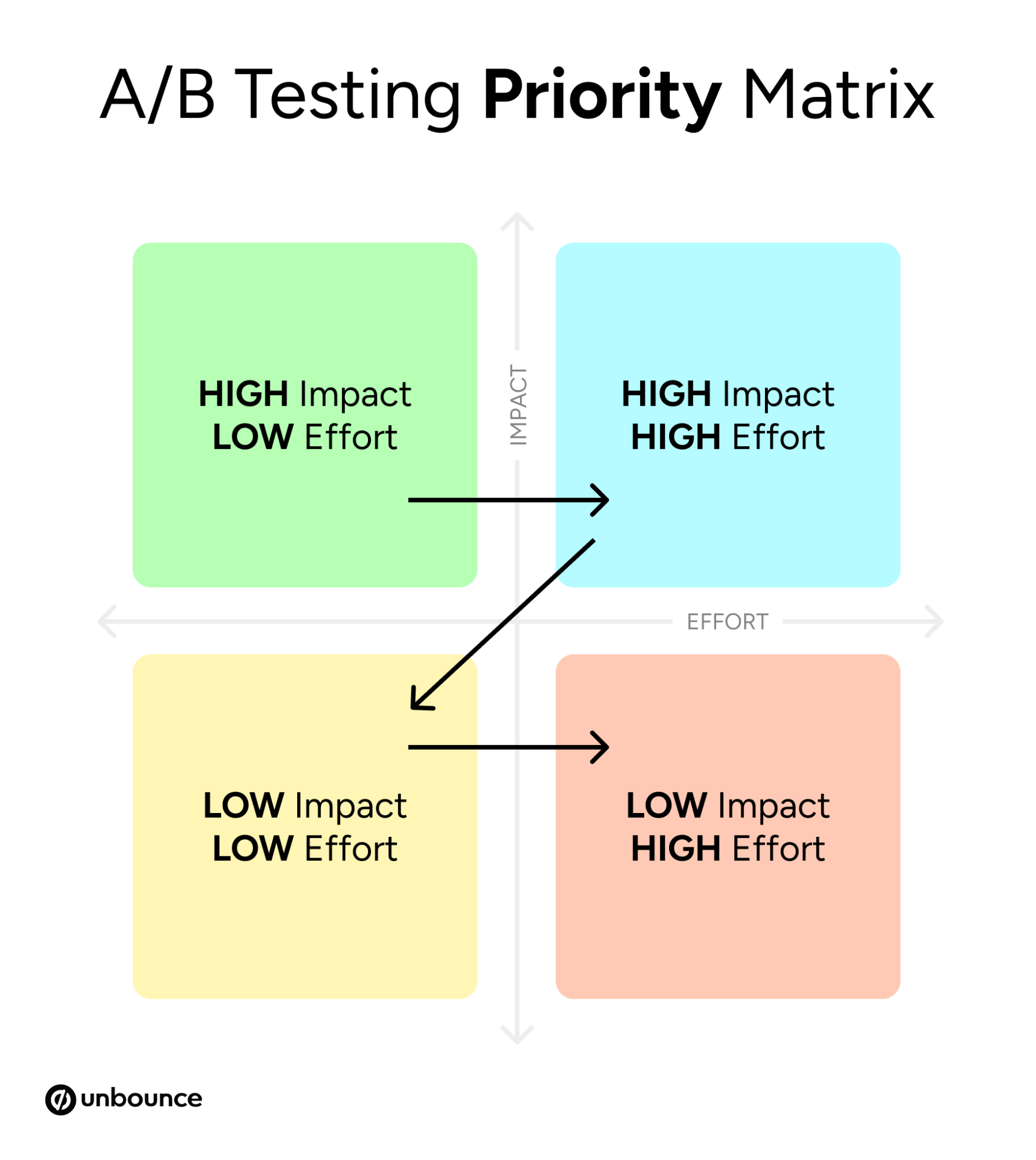
Not all tests offer the same potential for impact. Organizations often utilize a 2×2 prioritization matrix, weighing "Potential Impact" against "Level of Effort." High-impact, low-effort changes—often referred to as "quick wins"—are prioritized to build organizational momentum and prove the value of the testing program to stakeholders.
Phase 3: Development of Minimal Testable Variations
In an iterative model, the goal is to create a "Minimum Viable Test." This involves making clean, isolated changes to a control version. Modern testing platforms allow marketing teams to duplicate pages and modify specific elements without extensive reliance on web development teams, thereby reducing the "time-to-market" for each experiment.
Phase 4: Data Collection and Statistical Validation
Once a test is live, the focus shifts to gathering a statistically significant sample size. Industry standards suggest that a test should run for at least two full business cycles (usually two weeks) to account for daily and weekly fluctuations in user behavior. Analysts warn against "early peeking," where teams conclude a test prematurely based on initial trends that may not hold up over a larger data set.
Phase 5: Deep-Dive Analysis
The analysis phase goes beyond identifying a "winner." It seeks to extract broader psychological insights. If a variant featuring "social proof" (such as customer testimonials) outperforms the control, the insight is not just that testimonials work, but that the target audience currently values peer validation over technical specifications.
Phase 6: Scaling and Future Iteration
Successful results are not just implemented; they are scaled across other channels. A winning headline on a landing page might be adapted for email subject lines or social media advertisements. Simultaneously, the "winner" becomes the new "control" for the next round of testing, beginning the cycle anew.

Supporting Data: The Science of Conversion
Recent data highlights why iterative testing is becoming a necessity for digital-first companies. According to the 2024 Conversion Benchmark Report, there is a stark correlation between content complexity and user engagement. The report found that landing pages written at a 5th-to-7th-grade reading level convert at a rate of 11.1%—more than double the conversion rate of pages written with professional-level complexity.
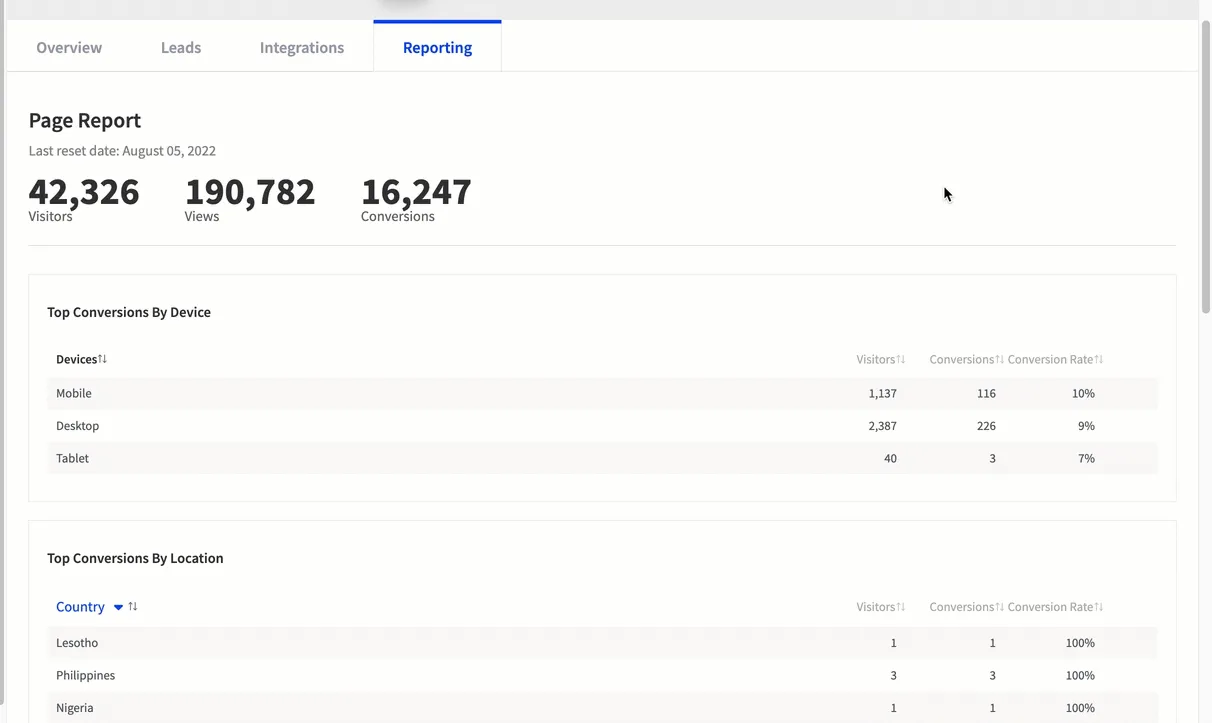
Furthermore, the data underscores a growing disconnect between user habits and technical performance. While approximately 83% of landing page visits now occur on mobile devices, desktop sessions still convert 8% better on average. This discrepancy suggests that many organizations have yet to optimize their mobile experiences through iterative testing, likely due to "technical debt" or a failure to adapt messaging for smaller screens and shorter attention spans.
Additional research indicates that landing pages with high word complexity show a -24.3% negative correlation with conversion rates. For marketing teams, these statistics provide a baseline for hypotheses, but iterative testing is required to determine if these general trends apply to specific niche audiences.
Stakeholder Perspectives and Organizational Impact
The move toward iterative testing has drawn reactions from various sectors of the business community. Data scientists argue that the methodology brings a much-needed level of rigor to marketing, which has historically been viewed as a more "creative" and less "scientific" discipline. By grounding decisions in p-values and confidence intervals, marketing teams can better justify their budgets to Chief Financial Officers (CFOs).
On the other hand, some creative directors have expressed concern that an over-reliance on testing might stifle "bold" brand moves. However, proponents of the iterative model argue that testing does not replace creativity; rather, it provides a safety net for it. "Iterative testing allows us to be more creative because the risk of failure is mitigated," says one industry consultant. "We can test a radical new brand voice on 5% of our traffic before rolling it out to the other 95%."
From a customer experience (CX) perspective, iterative testing is seen as a way to build empathy. By constantly monitoring how users interact with a site, companies can identify friction points—such as confusing form fields or slow-loading images—and resolve them before they lead to significant churn.
Broader Implications and the Role of Automation
Looking ahead, the integration of artificial intelligence (AI) and machine learning is expected to accelerate the iterative testing cycle. Tools like "Smart Traffic" are already beginning to automate the process by routing visitors to the page variant where they are most likely to convert, based on their location, device, and past behavior. This "automated iteration" allows for optimization to begin after as few as 50 visits, a significant improvement over traditional methods that required thousands of data points.
The broader implication for the workforce is a shift in required skills. Marketers are increasingly expected to be "T-shaped" professionals—possessing a broad understanding of various disciplines (copywriting, design, psychology) but with deep expertise in data analysis and experimental design.
As the digital marketplace becomes more crowded, the ability to learn and adapt faster than the competition may become the single most important factor in a brand’s survival. Iterative testing provides the framework for this adaptation, transforming marketing from a series of high-stakes gambles into a predictable, scientific engine for growth. The transition represents more than just a change in tools; it is a change in philosophy—one that prioritizes progress over perfection and evidence over intuition. Organizations that fail to adopt these iterative principles risk being left behind by more agile competitors who are refining their strategies every hour of every day.


 Asro
Asro
 Dwi Wanna