

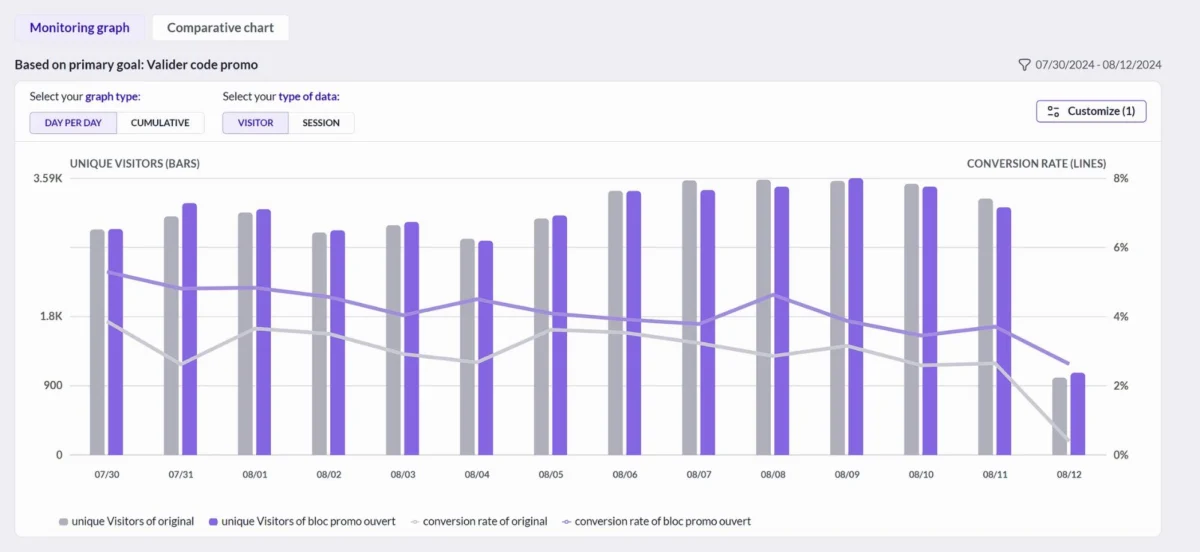
The landscape of digital experimentation and user experience (UX) optimization has undergone a significant transformation as of early 2026. For enterprise growth teams and digital marketers, the choice between specialized testing frameworks and comprehensive behavioral suites has become a pivotal decision for operational efficiency. Two primary contenders, Crazy Egg and AB Tasty, represent diverging philosophies in the Conversion Rate Optimization (CRO) sector. While Crazy Egg has doubled down on an integrated, "full-cycle" approach that combines behavioral analytics with native testing, AB Tasty has shifted its focus toward deep-tier experimentation and server-side feature management, particularly following its landmark merger with VWO under the Wingify corporate banner in January 2026.
The 2026 CRO Market Context: Consolidation and AI Integration
To understand the current state of these tools, one must look at the industry timeline. For much of the early 2020s, the CRO market was fragmented, with teams often forced to stitch together heatmapping tools, session recording software, and separate A/B testing engines. However, the 2026 merger of AB Tasty and VWO marked a definitive shift toward enterprise consolidation. This merger was driven by a need to compete with the rapid advancement of "agentic" AI—tools that do not just report data but actively suggest and implement changes.
Crazy Egg has responded to this market shift by maintaining a transparent, accessible pricing model while integrating advanced AI protocols like the Model Context Protocol (MCP). This allows teams to query their behavioral data directly through external Large Language Models (LLMs) such as Claude or ChatGPT. In contrast, the newly formed Wingify entity (encompassing AB Tasty) has focused on "Wandz," a proprietary AI layer designed to handle complex, multi-variable experiments for high-traffic enterprise environments.
Feature Architecture: Comprehensive Monitoring vs. Deep Testing
The core differentiator between the two platforms lies in their architectural scope. Crazy Egg is designed as a self-contained ecosystem for the entire optimization cycle: tracking traffic, identifying friction points via heatmaps, forming hypotheses, and executing tests. AB Tasty, conversely, operates on the assumption that the user already possesses a robust analytics stack (such as GA4 or Mixpanel) and requires a sophisticated engine to execute complex testing scenarios.
Behavioral Insights and Heatmapping
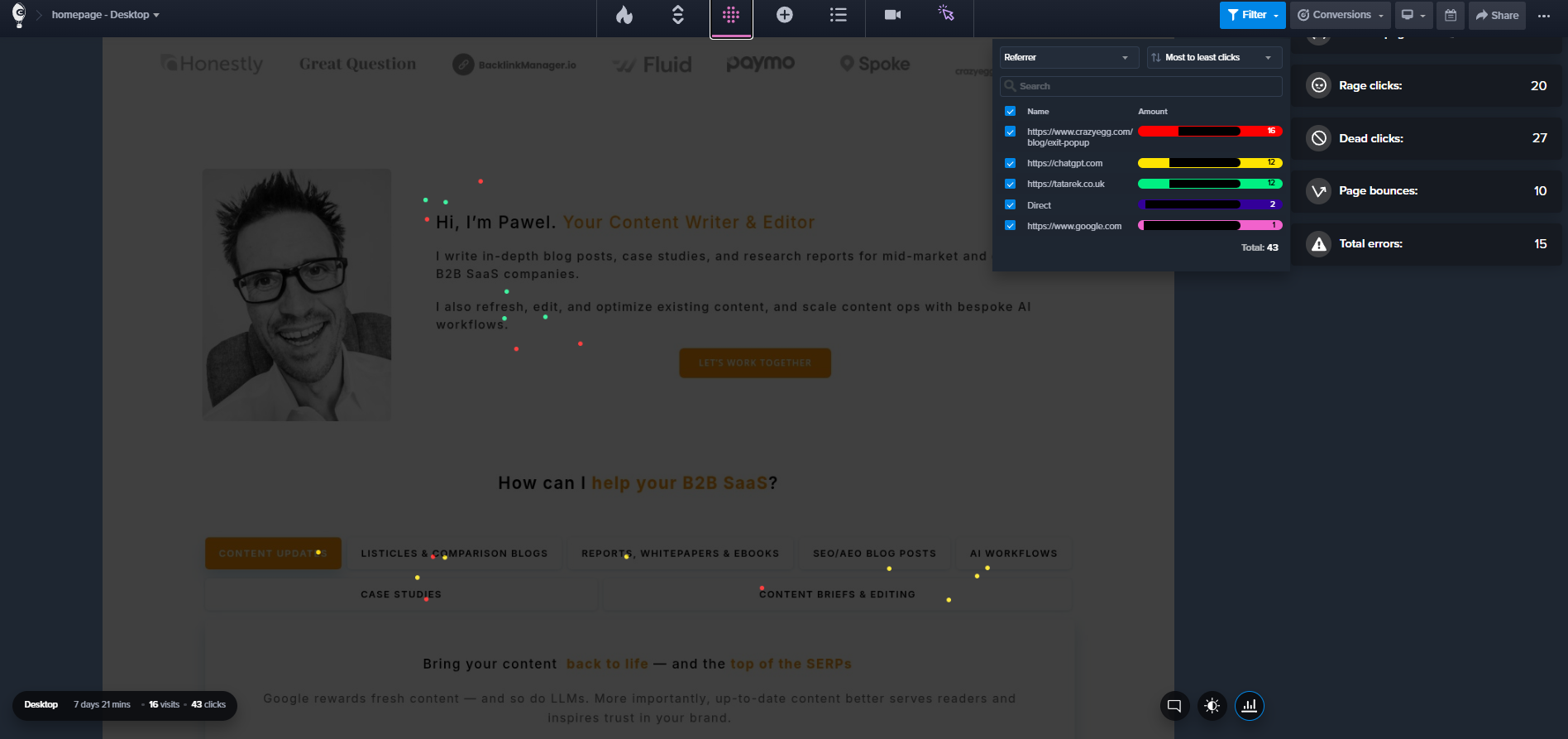
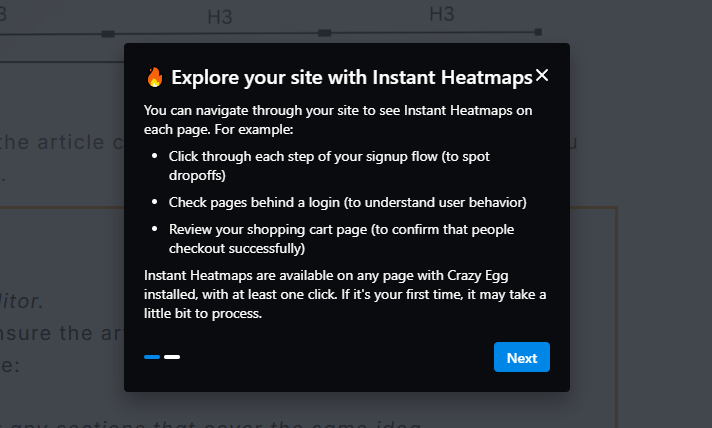
A fundamental requirement for any optimization program is understanding user intent. Crazy Egg provides five distinct types of heatmaps—click, scroll, confetti, overlay, and list maps—natively within all paid plans. A significant 2026 addition is "Instant Heatmaps," which utilize a low-latency tracking code to generate visual reports across an entire site without manual page-by-page configuration.
AB Tasty does not offer a standalone heatmap module. Instead, it utilizes "EmotionsAI," a system that processes behavioral signals like mouse velocity and hesitation internally to segment users. While powerful for automated personalization, it lacks the visual transparency that many UX designers require to manually inspect page friction. For visual heatmaps, AB Tasty users must integrate third-party tools such as Contentsquare or Microsoft Clarity, adding to the total cost of ownership.
Session Recordings and Error Tracking
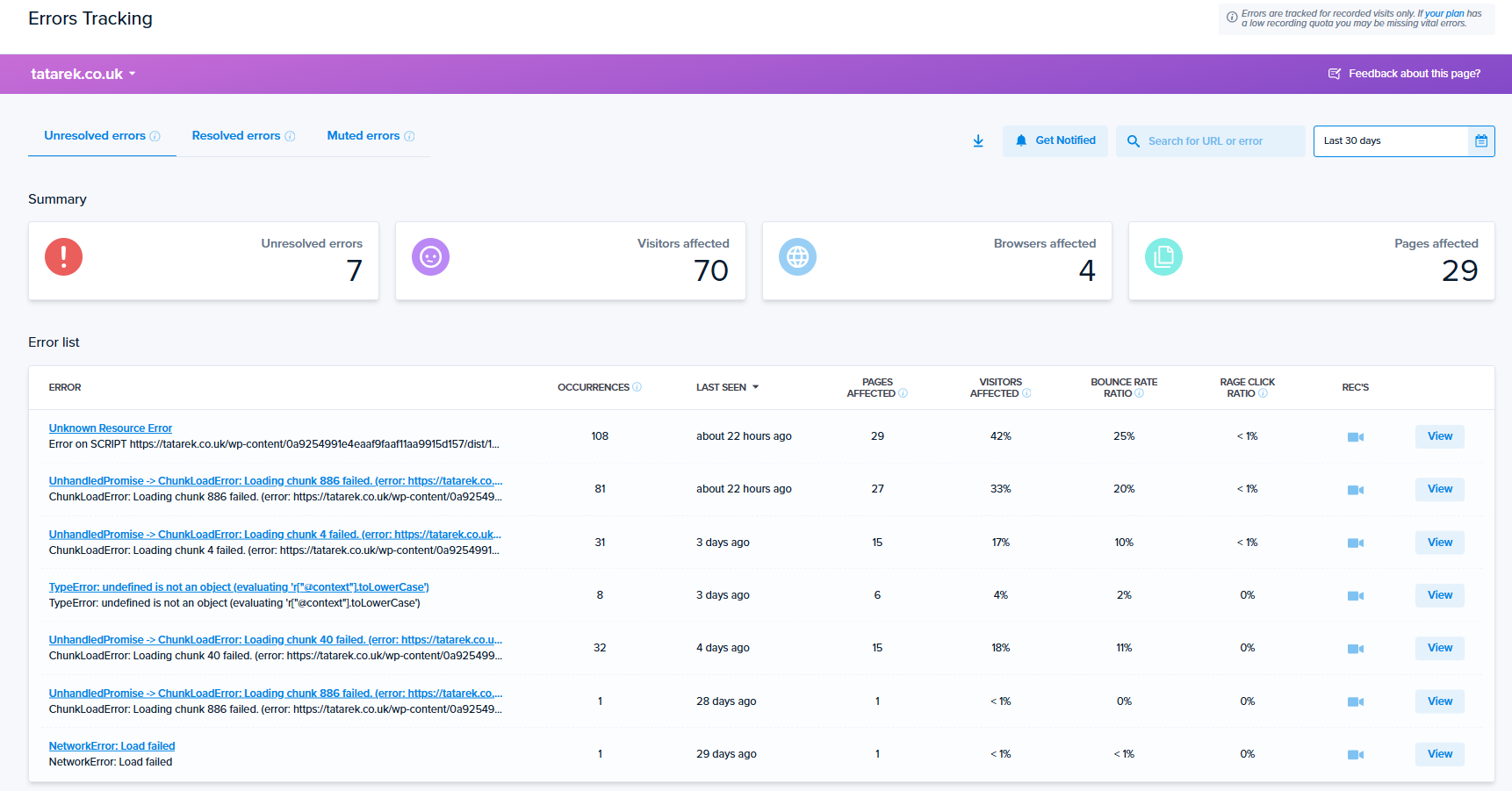
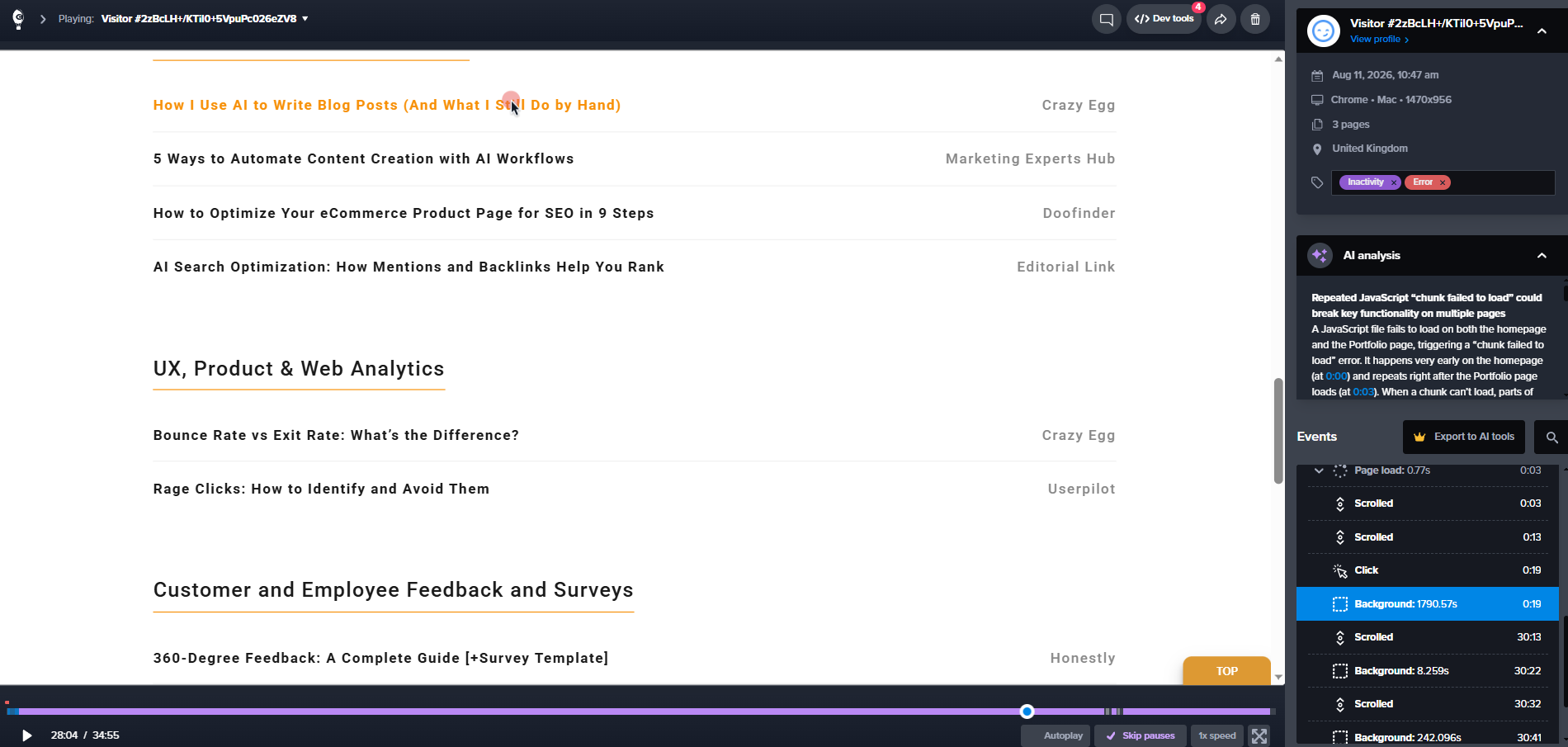
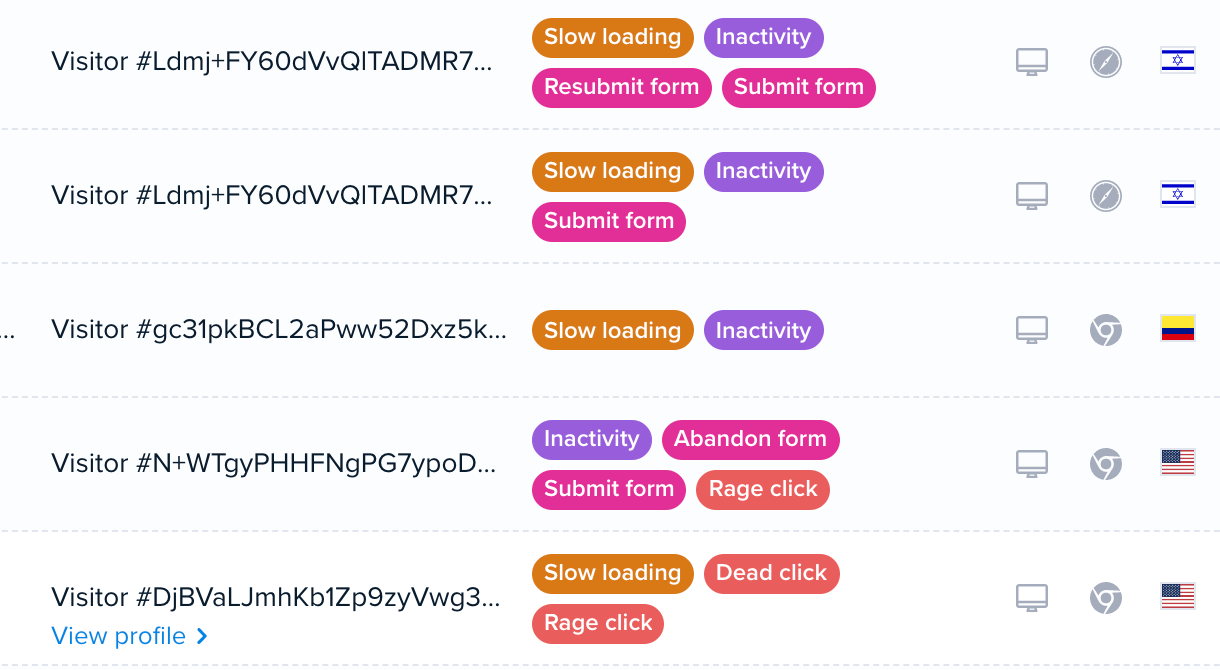
In the realm of qualitative data, session recordings are essential for witnessing the "why" behind user drop-offs. Crazy Egg includes native session recordings auto-tagged with over 13 event types, including rage clicks and slow-loading elements. Crucially, it integrates JavaScript (JS) error tracking directly into these recordings. When a JS error occurs, a developer can watch the specific session where the bug manifested, providing context that a standard stack trace cannot.
AB Tasty lacks a native session replay module and live JS error capture. Its strategy relies on its integration ecosystem. While it connects seamlessly with FullStory and LogRocket, the lack of a native triage workflow for errors means that teams must jump between different interfaces to correlate technical bugs with lost conversions.
Chronology of Experimentation Capabilities
The evolution of testing methodologies has seen both platforms expand their toolkits, though for different user profiles.
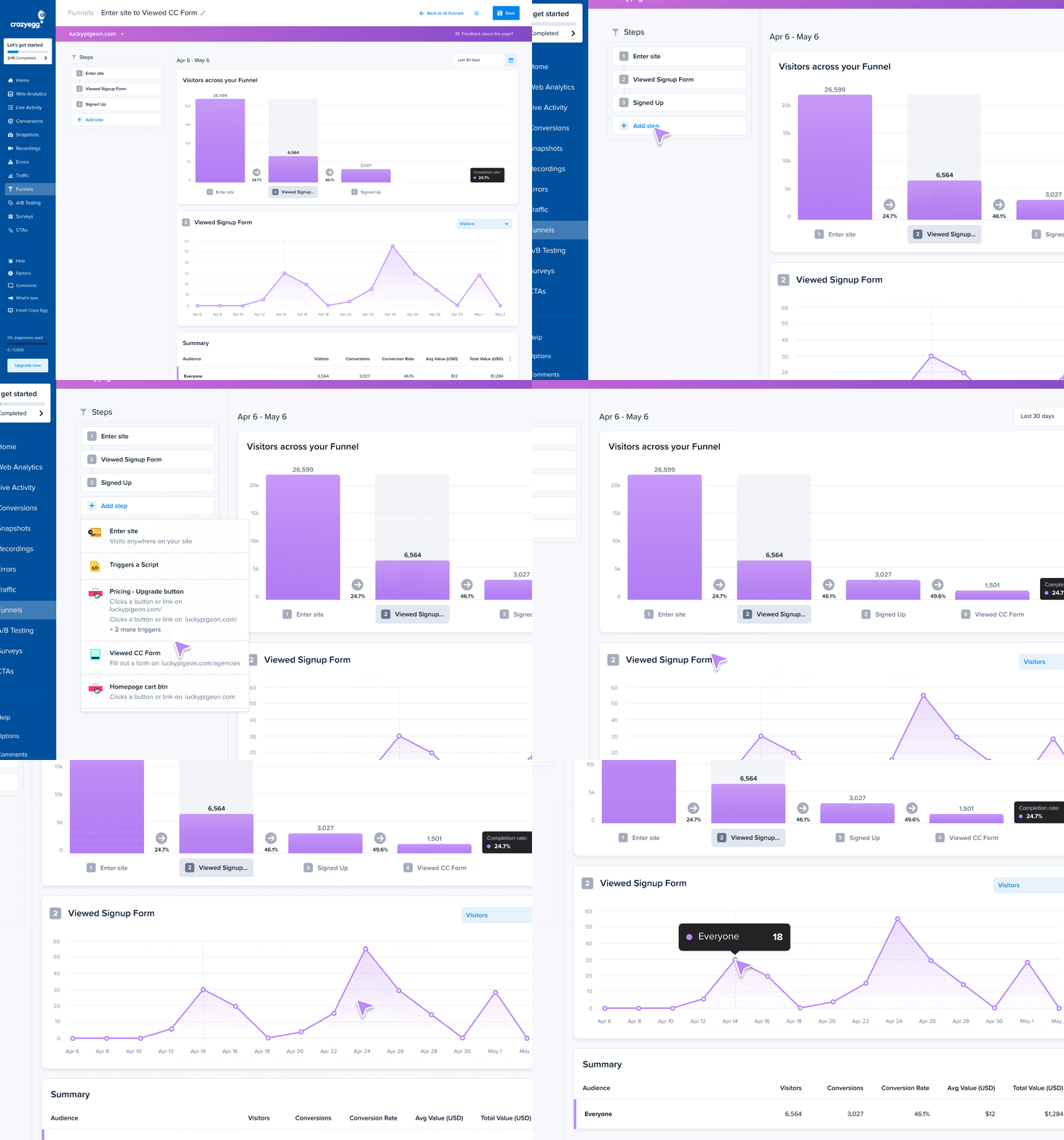
Crazy Egg’s Workflow Integration
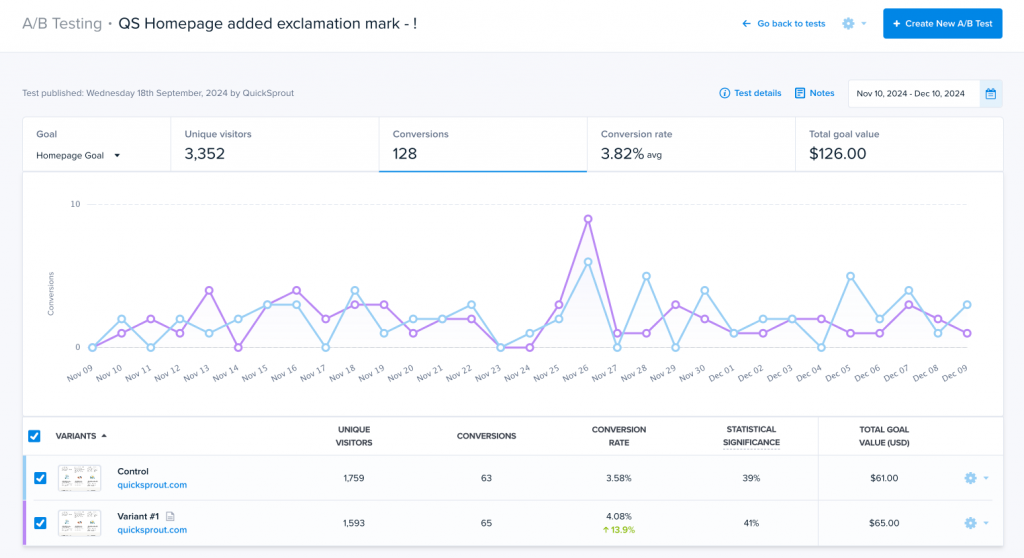
Crazy Egg’s A/B testing engine is built for speed and ease of use. It features a visual editor for front-end changes, split URL testing, and a Multi-Armed Bandit (MAB) algorithm. The MAB is particularly useful for ecommerce teams, as it automatically shifts traffic toward the winning variant in real-time, minimizing the "cost" of running a losing test. A unique advantage in Crazy Egg is that every test variant automatically generates its own heatmap and recording set, allowing teams to see exactly how behavior changed between Version A and Version B.
AB Tasty’s Enterprise Depth
Following the 2026 restructuring, AB Tasty has solidified its position as the preferred choice for complex experimentation. It supports multivariate testing (MVT), which allows for the testing of multiple variables simultaneously—a feature Crazy Egg currently lacks. Furthermore, AB Tasty provides "Mutually Exclusive Experiments," a critical feature for high-traffic sites running dozens of tests at once. This ensures that a user enrolled in a checkout test is not simultaneously enrolled in a homepage test, which would otherwise contaminate the data.
Beyond the web layer, AB Tasty offers server-side testing and feature flags. This allows product engineering teams to test backend logic or roll out new features to specific percentages of the user base, a capability that extends beyond marketing into product development.
The AI Frontier: MCP vs. Wandz
The integration of Artificial Intelligence has become the primary battleground for CRO tools in 2026.
Crazy Egg has adopted an "open AI" philosophy. By implementing the Model Context Protocol (MCP), Crazy Egg allows users to connect their data to their preferred LLM. This enables "agentic workflows" where a user can ask Claude or ChatGPT to "analyze the heatmaps from last week and draft three A/B test hypotheses based on the friction found in the checkout funnel." Additionally, Crazy Egg is rolling out "Tasks," an automated loop that sets up reports, analyzes results, and drafts page variants with minimal human intervention.
AB Tasty’s "Wandz" AI layer, built from the combined intellectual property of Evi and VWO’s Copilot, is a more "closed-loop" proprietary system. It focuses on predictive analysis, synthetic testing (simulating user behavior before a test goes live), and "Autopilot" modes for personalization. The Wandz Advanced tier includes behavioral-data MCP, but this is positioned as an upmarket add-on rather than a core feature of the lower tiers.
Economic Implications: A Comparative Analysis of ROI
The financial commitment required for these tools varies drastically, reflecting their target markets.
Crazy Egg Pricing
Crazy Egg maintains a transparent, tiered subscription model. Its "Pro" plan, the most popular for mid-market companies, is priced at $249 per month, supporting 500,000 tracked pageviews and 5,000 recordings. Even at the Enterprise level, which supports 1,000,000 pageviews and includes SAML SSO and live onboarding, the annual cost remains approximately $7,188. This "sticker price" approach is designed for teams that require budget predictability without the need for lengthy sales negotiations.
AB Tasty Pricing
AB Tasty employs a quote-based enterprise model. Industry data from early 2026 suggests that for a comparable 1,000,000 sessions per month, an AB Tasty contract can range from $80,000 to over $150,000 per year. This significant price gap is justified by its inclusion of server-side testing, advanced personalization widgets (like social proof banners and urgency timers), and dedicated Customer Success Managers (CSMs) for every account.
Market Reactions and Industry Impact
Industry analysts have noted that the Wingify rebranding (merging AB Tasty and VWO) has created a "powerhouse" for the Fortune 500, but it has also left a gap for agile growth teams who find the new enterprise structures overly complex. Reactions from Chief Marketing Officers (CMOs) suggest that while AB Tasty’s predictive intent engine (AdaptiveCX) is world-class for anonymous user personalization, the total cost of ownership—when including the necessary third-party analytics and recording tools—can be a barrier for all but the largest organizations.
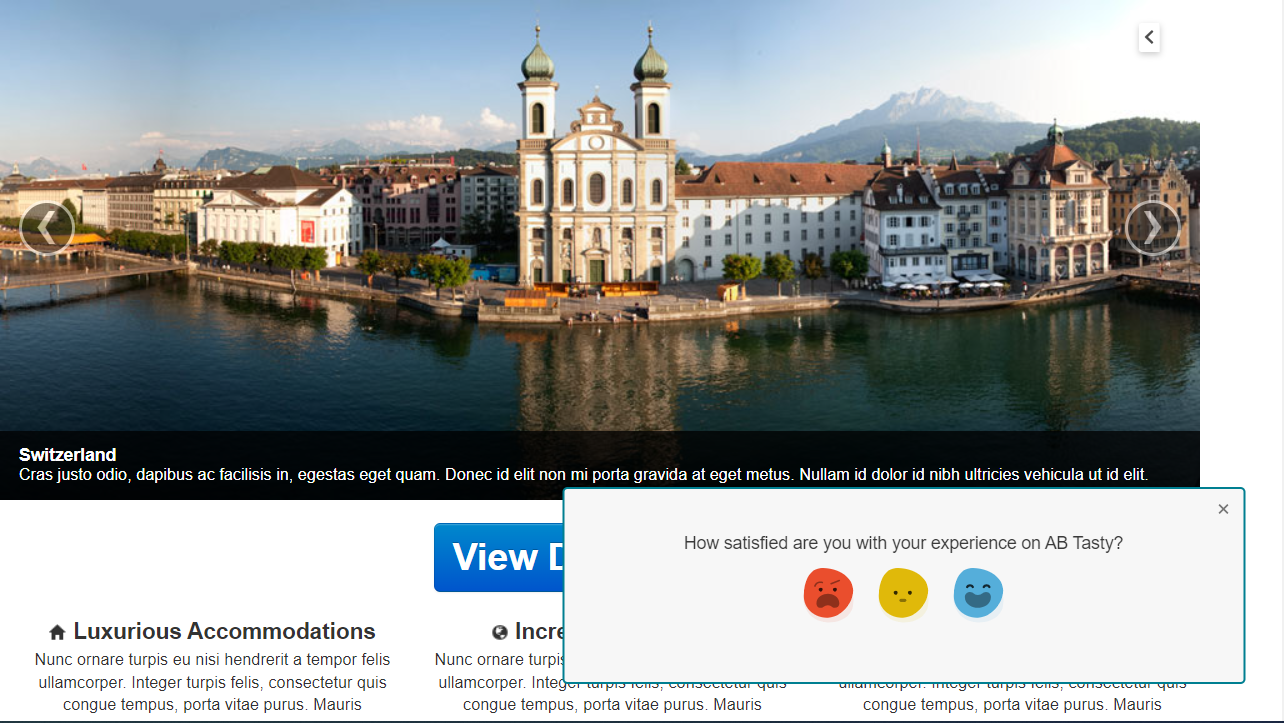
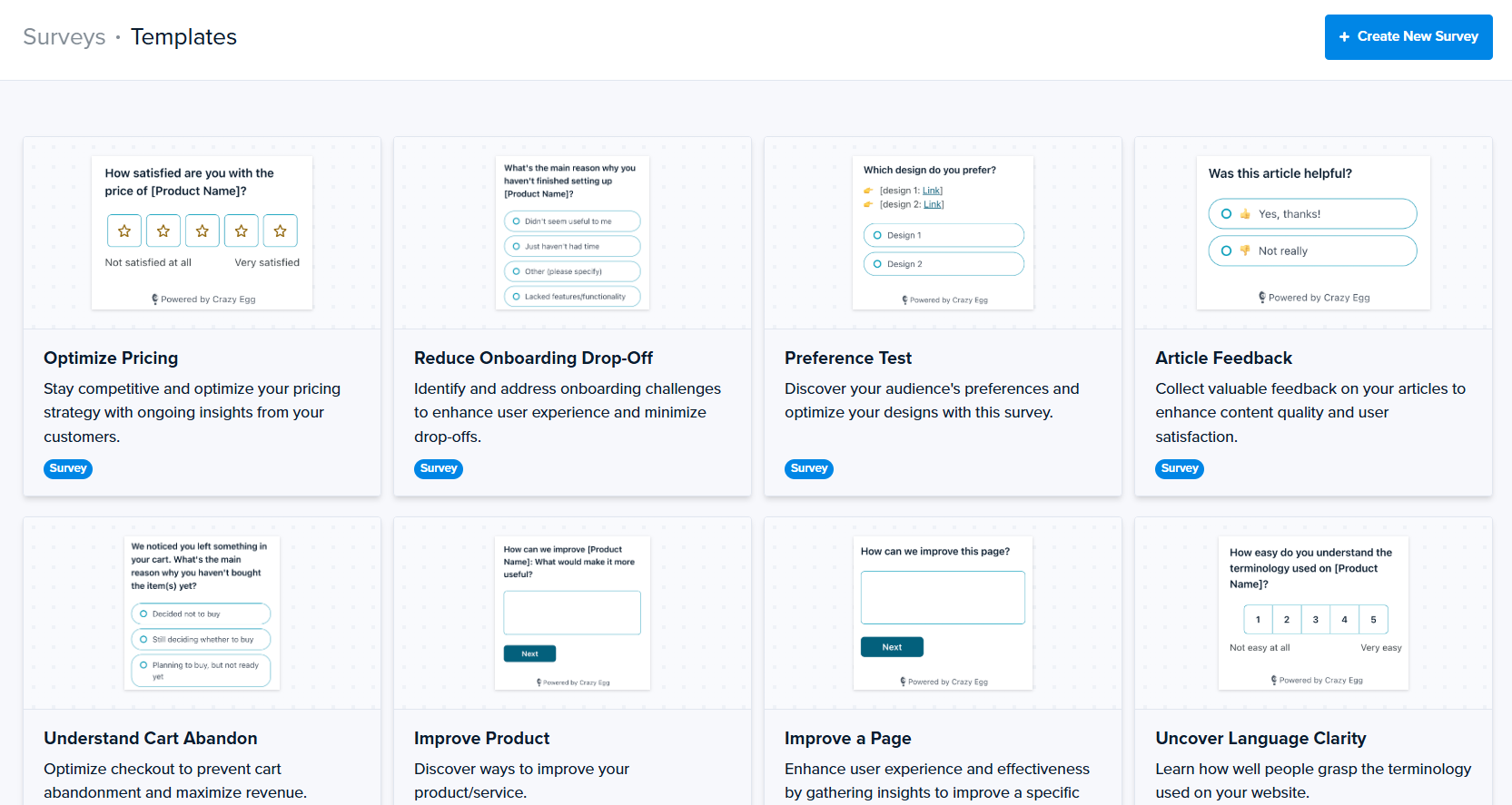
Conversely, Crazy Egg’s decision to include surveys, heatmaps, and recordings as standard features has been met with approval from agencies and startups. The ability to link a survey response directly to a session recording is cited by UX researchers as a "game-changer" for identifying the specific moments of frustration that lead to negative Net Promoter Scores (NPS).
Broader Implications for Digital Strategy
The choice between Crazy Egg and AB Tasty ultimately reflects an organization’s digital maturity and resource allocation.
Organizations that choose AB Tasty are typically those with a high volume of traffic and a dedicated team of data scientists and engineers who can leverage multivariate testing and server-side rollouts. These teams prioritize depth of testing over the breadth of behavioral tools, often because they already invest heavily in high-end analytics suites like Adobe Analytics.
Organizations that choose Crazy Egg are typically looking for operational speed and a "single source of truth." By having heatmaps, recordings, surveys, and A/B testing in one dashboard, they reduce the "data silos" that often slow down optimization cycles. The competitive pricing also allows these teams to allocate more of their budget to creative development and ad spend rather than software overhead.
Final Verdict
As the 2026 fiscal year progresses, the distinction remains clear. AB Tasty is the robust, enterprise-grade engine for high-stakes experimentation within a complex, multi-tool stack. Crazy Egg is the comprehensive, agile platform for teams that want a full-cycle optimization workflow in a single, cost-effective package. For those facing an upcoming renewal with AB Tasty or VWO under the new Wingify structure, the decision will likely hinge on whether they require the specialized multivariate depth of the former or the integrated behavioral clarity of the latter. Regardless of the choice, the integration of AI and the shift toward agentic data analysis ensure that both platforms will continue to define the boundaries of user experience for years to come.







