
 rifanmuazin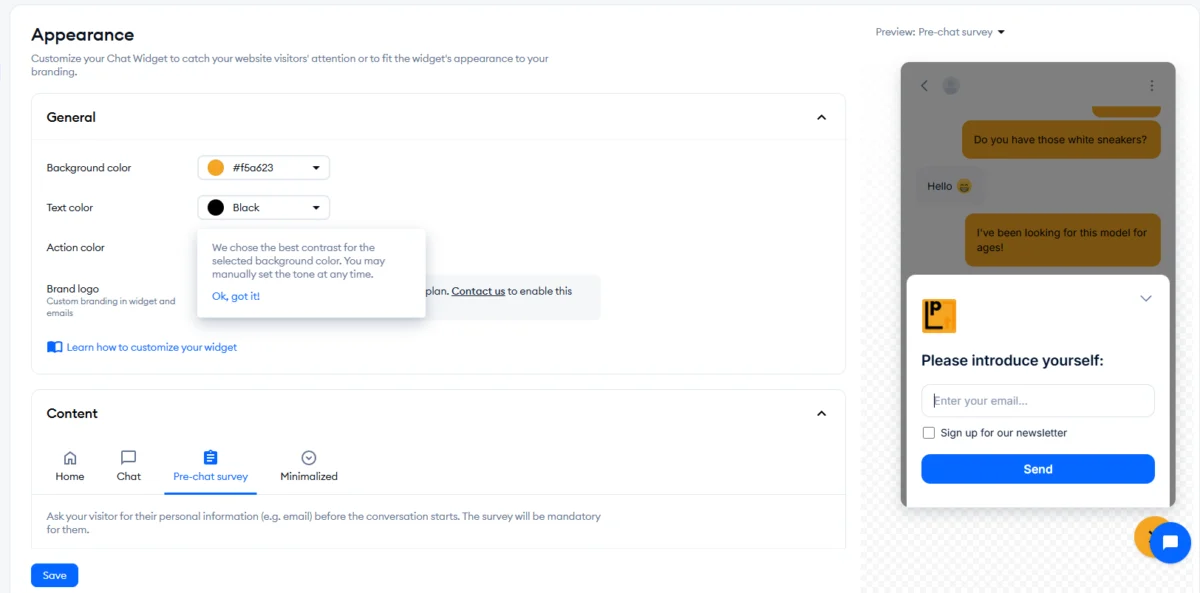
The digital marketing landscape has undergone a seismic shift as businesses move away from static lead capture forms toward dynamic, real-time conversational interfaces. Live chat lead generation, once a secondary support tool, has emerged as a primary driver for customer acquisition, particularly in sectors defined by high-consideration purchases and urgency-driven services. By utilizing real-time dialogue between human agents or sophisticated AI and website visitors, companies are now able to qualify prospects at the exact moment of peak interest. This transition reflects a broader trend in “conversational marketing,” where the immediacy of response serves as a critical differentiator in an increasingly crowded marketplace.
The Shift from Static Forms to Conversational Commerce
For over two decades, the standard for online lead generation was the static web form. However, recent consumer behavior data suggests a growing “form fatigue” among users. According to industry benchmarks, the average conversion rate for a standard landing page form hovers between 2% and 5%. In contrast, businesses implementing proactive live chat strategies report engagement rates significantly higher, as the medium allows for the immediate resolution of objections.

The traditional flow of live chat has evolved. Previously, it functioned as a passive “help desk” feature. Today, it is a proactive sales engine. A visitor arrives on a high-value page, such as a pricing or demo request section. Instead of waiting for the visitor to seek help, the system identifies intent signals—such as dwell time or scroll depth—and initiates a conversation. A human agent or a pre-qualifying bot then asks targeted questions to gauge intent and capture contact information, seamlessly passing the qualified lead to a sales representative for immediate follow-up.
Behavioral Triggering: The End of the Universal Timer
One of the most significant advancements in modern live chat strategy is the abandonment of time-based triggers. For years, the prevailing wisdom suggested firing a chat window five to thirty seconds after a page loaded. Modern analytics, however, show that this often results in “interruption marketing,” where the user dismisses the widget as an annoying pop-up before they have had the chance to consume the page content.
The current industry standard has shifted toward behavioral triggering. By monitoring intent signals, businesses can engage visitors when they are most likely to require assistance. Key signals include:
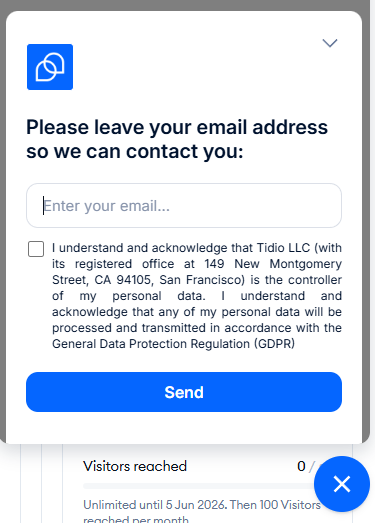
- Deep Scrolling: Indicating the visitor is reading through technical specifications or long-form guides.
- Repeat Visits: Identifying a “warm” prospect returning to compare options.
- Pricing Page Dwell Time: Signaling a visitor is in the final stages of the consideration phase.
- Multi-Product Comparison: Suggesting a high-intent buyer evaluating specific features.
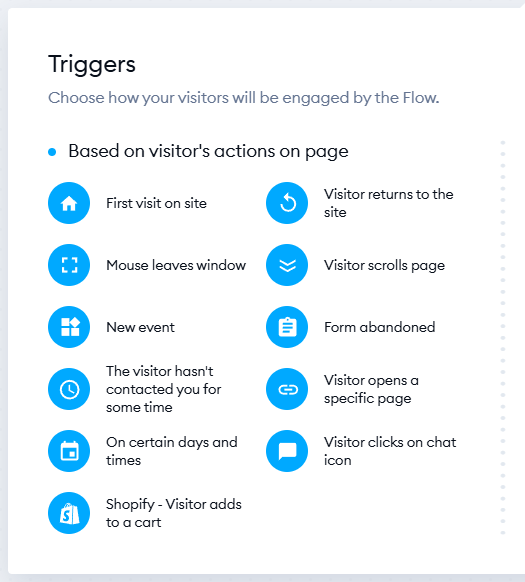
Marketing analysts suggest using heatmaps and session recording tools to identify the specific “conversion points” on a website. By aligning chat triggers with these high-engagement zones, businesses can increase the relevance of the interaction, leading to higher quality lead capture.
Design and Accessibility: The Mobile-First Imperative
As mobile traffic continues to dominate global web usage, the design of the chat widget has become a crucial factor in lead generation success. A widget that obscures content or is difficult to navigate on a smartphone can actively drive potential leads away. Professional UX designers now recommend a “mobile-first” approach to chat interface design.
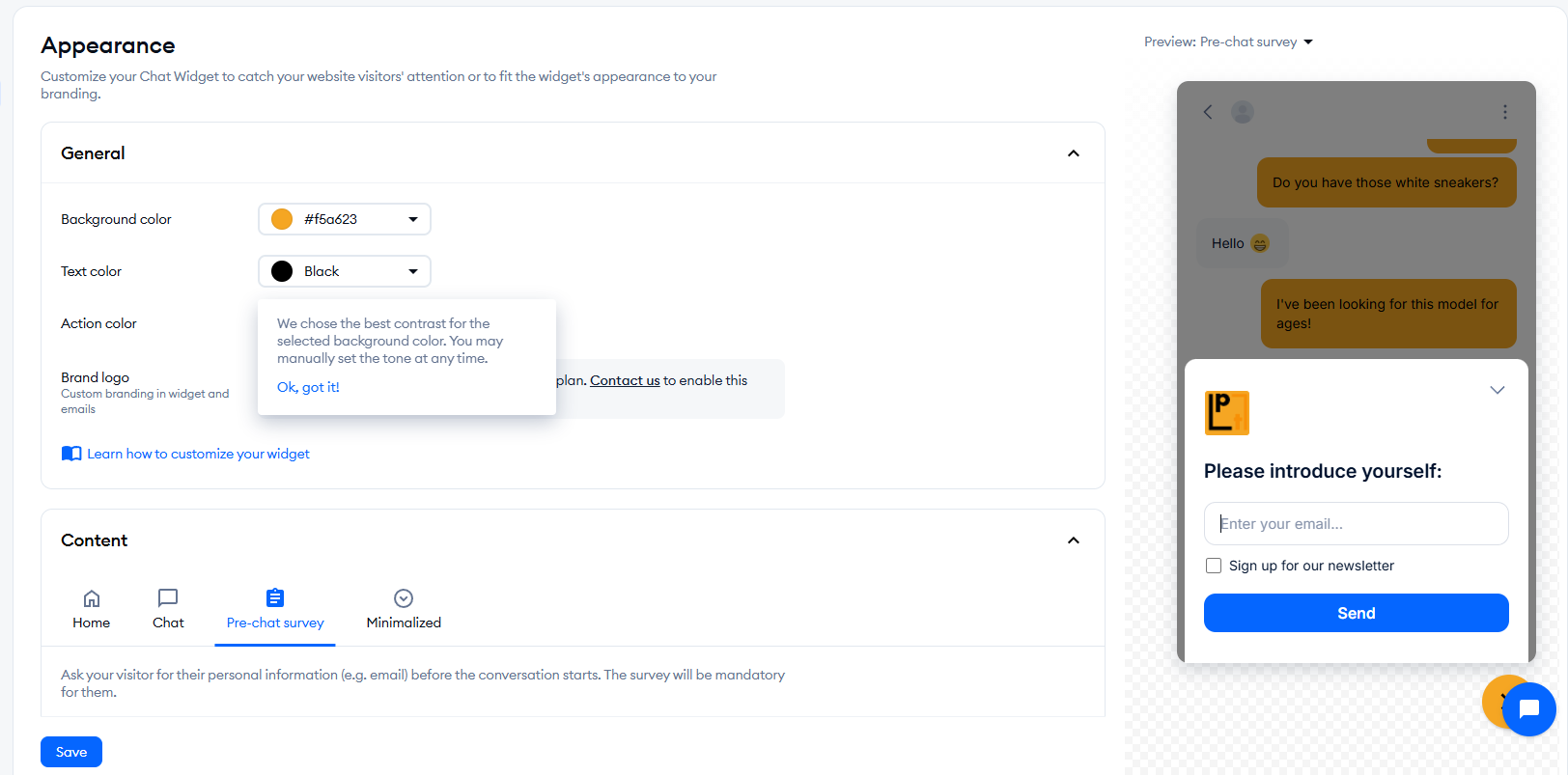
Standard best practices have evolved to include high-contrast colors that stand out against the site’s background and entry points that are at least 60 pixels in size to accommodate “thumb reach” on mobile devices. While the bottom-right corner remains the desktop standard, many developers are moving toward a sticky bottom-center “pill” for mobile users. Furthermore, the use of “labeled pills”—buttons that explicitly state “Chat with Sales” or “Ask a Question”—has proven more effective than bare icons, as they reduce the cognitive load on the visitor by clearly defining the tool’s purpose.
Contextual Openers and Personalization
The “one-size-fits-all” greeting—”Hi, how can I help you?”—is rapidly being replaced by contextual openers. Data from conversational marketing platforms indicates that personalized greetings based on the specific page a visitor is viewing can increase response rates by up to 30%.
For instance, a visitor on a technical “Features” page might be greeted with: “Need help seeing how our API integrates with your current stack?” Meanwhile, a visitor on a “Pricing” page might see: “Would you like a custom quote based on your team size?” This level of relevance demonstrates that the brand understands the user’s journey, building immediate trust.
The Criticality of Response Time
In the current digital economy, speed is the ultimate currency. A 2024 report by LiveChat highlighted that the average response time for top-performing companies is now approximately 35 seconds. The “golden window” for lead conversion is widely considered to be under one minute. Research suggests that the likelihood of qualifying a lead decreases by 10 times if the initial response takes longer than five minutes.
To manage these expectations without overwhelming staff, organizations are adopting several technical solutions:
- Desktop and Mobile Notifications: Ensuring agents are alerted the moment a chat is initiated, regardless of their device.
- Canned Responses: Using pre-written templates for common questions to shave seconds off the initial reply time.
- Peek-at-Message Features: Allowing agents to see what a visitor is typing in real-time, enabling them to prepare an answer before the user even hits “send.”
The Hybrid Model: Chatbots as the Front Line
The debate between human-led chat and AI-driven bots has largely been settled in favor of a hybrid approach. While human agents excel at building trust and handling complex, high-stakes negotiations, they are expensive to staff 24/7. Conversely, chatbots offer instant scalability and constant availability but often lack the empathy required to close a sale.
The most effective lead generation operations now use chatbots as a “front line” to qualify leads. The bot handles the initial data collection—asking for name, company size, and specific pain points—before determining if the lead meets the criteria for a human handoff. This ensures that expensive sales representatives are only spending their time on high-value conversations. If a visitor does not meet the “qualified” threshold, the bot can route them to a knowledge base or an email nurture sequence.
Funnel Recovery and Exit-Intent Strategies
One of the most potent applications of live chat is in the recovery of abandoned forms and carts. Cart abandonment remains a multi-trillion-dollar problem for global e-commerce, with average rates hovering around 70%. Exit-intent chat triggers, which detect when a user’s cursor moves toward the browser’s “close” button or address bar, offer a final opportunity to save the sale.
By offering immediate assistance—such as “Stuck on a shipping question?” or “Need a one-time discount code to finish your order?”—businesses can address the friction points that cause abandonment in real-time. This is particularly effective on desktop, where cursor movement is easily tracked. On mobile, developers are increasingly using “inactivity timers” or “scroll-up” triggers to achieve similar results.
Beyond the Chat Box: WhatsApp, SMS, and Omnichannel Reach
The definition of “live chat” is expanding beyond the traditional website widget to include third-party messaging apps like WhatsApp and SMS. This shift is driven by a desire for “persistent” conversations. Unlike a website widget, which disappears when the tab is closed, a WhatsApp or SMS thread remains on the user’s phone, allowing for long-term nurturing.
Integrating these channels also provides a “frictionless” lead capture mechanism. Because the user’s phone number is verified through the app, the business captures a high-quality contact point the moment the first message is sent. However, this strategy requires strict adherence to regional privacy laws. For example, Meta recently implemented a temporary pause on marketing-category template messages to US phone numbers via WhatsApp, highlighting the need for businesses to stay agile regarding regulatory changes.
Account-Based Marketing (ABM) and B2B Precision
For B2B organizations targeting specific enterprise accounts, live chat has become a surgical tool for Account-Based Marketing. Using visitor-identification technology, companies can detect when an anonymous visitor from a “target account” list (e.g., a Fortune 500 company) lands on their site.
When such a visitor is detected, the system can trigger a high-priority alert to the dedicated account manager and fire a tailored chat greeting. Experts caution against “over-personalization” in these instances; mentioning the visitor’s company name immediately can sometimes feel invasive. Instead, savvy marketers recommend using the account data to subtly adjust the tone of the conversation and offer resources specifically relevant to that industry or company size.

Broader Impact and the Future of Conversational AI
The future of live chat lead generation is inextricably linked to the advancement of Large Language Models (LLMs) and Generative AI. We are entering an era where AI agents can engage in nuanced, human-like reasoning, moving beyond simple “if-then” scripts. This allows for even deeper lead qualification and the ability to answer complex technical questions without human intervention.
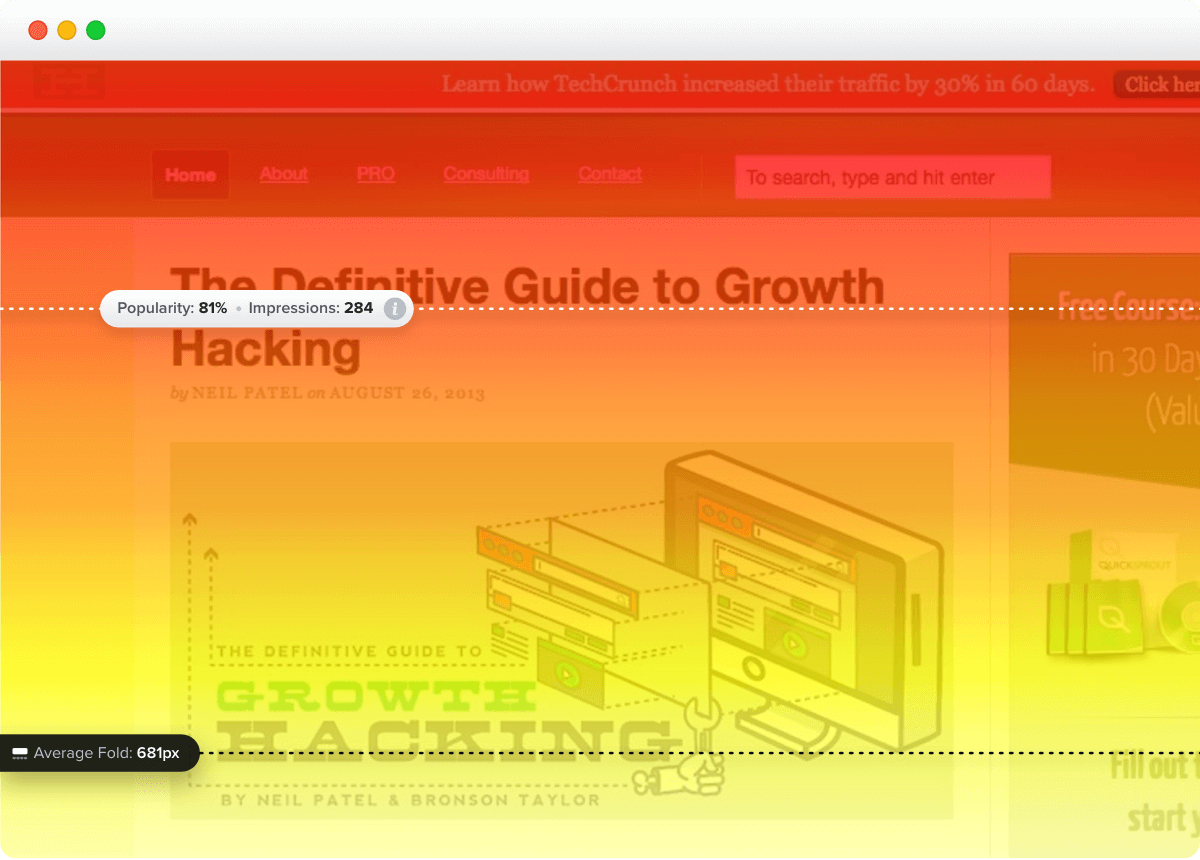
However, the rise of AI-driven lead generation also brings challenges regarding data privacy and transparency. Regulations like the GDPR in Europe and CCPA in California require businesses to be transparent about how they collect and store chat transcripts. As AI becomes more integrated, companies must ensure that their “conversational” data is handled with the same level of security as traditional CRM data.
In conclusion, live chat is no longer just a support feature; it is a sophisticated sales and marketing channel that requires strategic design, behavioral insight, and a balance between automated efficiency and human empathy. As consumer expectations for “instant gratification” continue to rise, the businesses that master the art of real-time conversational engagement will be the ones that dominate the lead generation landscape in the years to come.








