
 rifanmuazin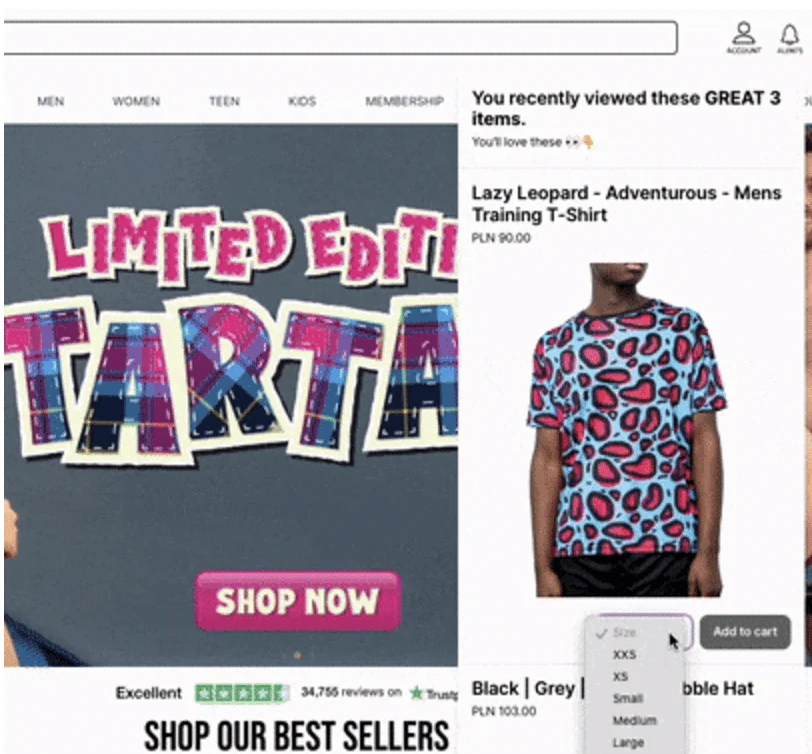
AI conversion rate optimization, commonly referred to as AI CRO, represents the integration of machine learning and automated data processing into the traditional framework of digital marketing and user experience design. In an era where digital storefronts are increasingly saturated, the ability to anticipate user needs before they are explicitly stated has become the primary differentiator between market leaders and their competitors. By automating the collection and analysis of vast datasets, artificial intelligence allows businesses to identify conversion friction points with unprecedented speed, prioritize testing cycles, and deliver hyper-personalized experiences that directly influence revenue per visitor and trial-to-paid conversion rates.
The transition from traditional CRO to AI-enhanced methodologies marks a significant shift in the digital landscape. Historically, conversion rate optimization relied heavily on manual analysis, heuristic reviews, and sequential A/B testing—a process that was often slow, labor-intensive, and limited by the bandwidth of human analysts. AI disrupts this model by spotting complex patterns in behavioral data that are virtually impossible for human eyes to detect in real-time. Rather than replacing a brand’s overarching strategy, AI serves as an accelerant, improving the quality of execution and the speed of insight generation across the entire customer journey.

The Evolution of Optimization: A Chronology of Progress
The journey toward AI-driven optimization has moved through several distinct phases over the last two decades. In the early 2000s, optimization was largely reactive, focusing on basic web analytics and simple changes to call-to-action buttons. By the 2010s, the rise of specialized SaaS tools allowed for more robust A/B and multivariate testing, yet these still required significant manual oversight to set up, monitor, and interpret.
Starting around 2018, the integration of machine learning began to take hold. This period saw the introduction of predictive modeling and automated segmentation. Today, the industry has entered the era of “Generative and Autonomous CRO,” where AI not only analyzes data but also generates creative variations, adjusts pricing dynamically, and interacts with users via sophisticated natural language processing. Market analysts suggest that the global AI in marketing market, valued at approximately $15 billion in 2021, is projected to reach over $100 billion by 2030, with CRO tools representing a substantial portion of this growth.
The Core Pillars of AI-Enhanced Personalization
Personalization has evolved from a luxury to a baseline consumer expectation. According to recent industry reports, over 70% of consumers expect brands to provide personalized interactions, and nearly 80% are more likely to make a purchase when offered a tailored experience. AI-powered personalization engines facilitate this by analyzing real-time behavior, including page views, hover patterns, and past purchase history.
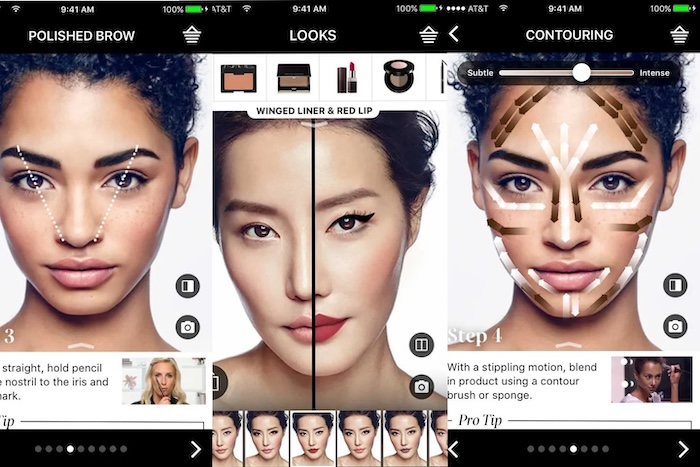
A prime example of this technology in action is found in the beauty retail giant Sephora. The company utilizes AI to recommend products based on a complex matrix of customer preferences, skin types, and previous interactions. Their “Virtual Artist” tool leverages augmented reality and AI to allow customers to “try on” makeup virtually. This reduces the friction of uncertainty in the purchasing process, significantly increasing the likelihood of conversion.
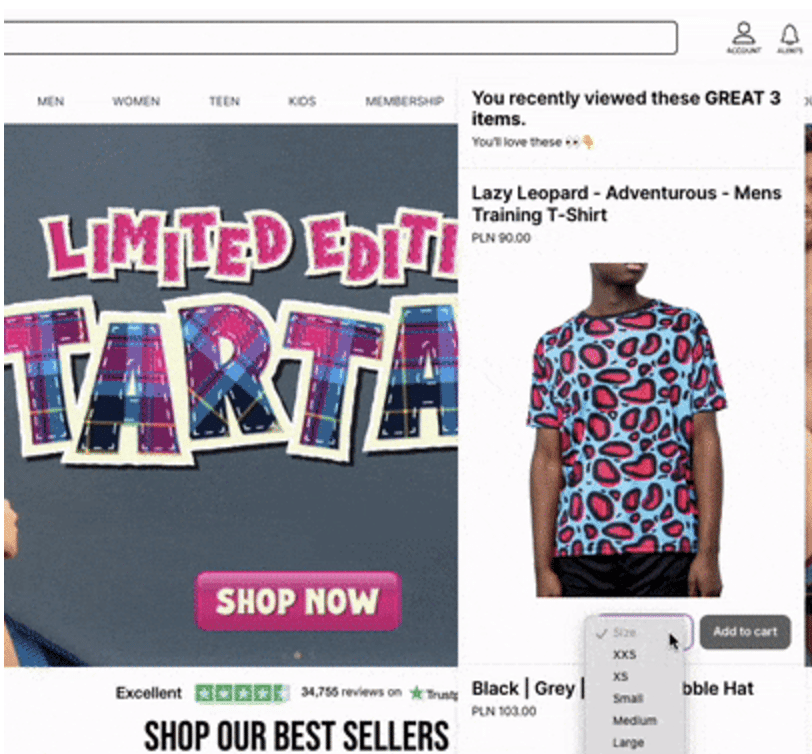
Similarly, the UK-based apparel brand OddBalls utilizes an “AI Wishlist” feature. By tracking visitor behavior, the AI identifies when a user has viewed multiple items and triggers targeted on-site notifications with tailored recommendations. This type of “personalized nudge” keeps the brand top-of-mind and provides a seamless transition from browsing to purchasing, effectively lowering cart abandonment rates.
Advanced A/B Testing and Real-Time Adjustments
Traditional A/B testing is often hindered by the “winner takes all” limitation, where a single variation is chosen for the entire audience after a long period of data collection. AI-driven testing, such as that offered by platforms like FigPii, allows for multi-variant testing where the system can automatically shift traffic toward the better-performing version in real-time.
This “multi-armed bandit” approach ensures that businesses do not lose potential conversions during the testing phase. If Version B starts outperforming Version A among a specific demographic, the AI can immediately begin showing Version B to more users within that segment. This level of agility allows marketing teams to run experiments 24/7 without the need for constant manual monitoring.
Conversational AI and the Transformation of Customer Support
The rise of AI-driven chatbots has bridged the gap between automated systems and human-like interaction. Tools such as Intercom and Drift use natural language processing (NLP) to understand user intent and provide instant, relevant responses. Unlike older, rule-based bots that often led to user frustration, modern AI chatbots can guide a user through the entire conversion funnel, suggesting products and answering complex queries.
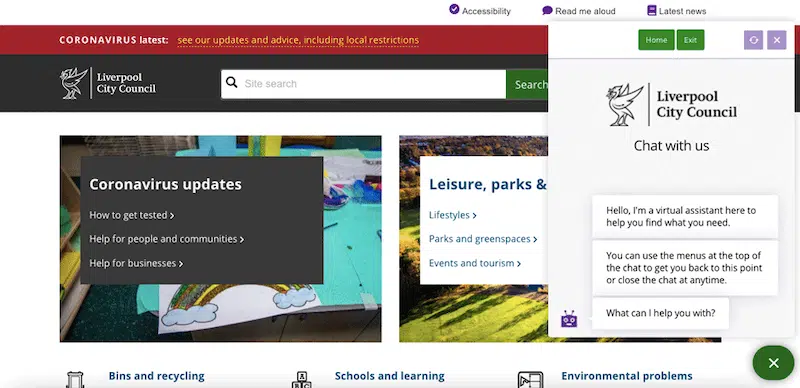
The impact of this technology extends beyond the private sector. The Liverpool City Council implemented a virtual assistant to handle queries regarding council tax and benefits. By addressing common pain points and providing real-time resolutions, the council was able to improve digital engagement and reduce the strain on their physical call centers. This demonstrates that AI CRO principles are applicable whenever a “conversion”—whether it is a sale or a successfully filed form—is the desired outcome.
Predictive Analytics: The Digital Crystal Ball
Predictive analytics represents one of the most sophisticated applications of AI in the CRO space. By using machine learning to analyze historical data, businesses can predict future user actions with a high degree of accuracy. Tools like HubSpot and Pendo allow companies to identify “at-risk” users who are likely to abandon their carts or churn from a subscription service.
When the AI identifies these patterns, it can trigger automated interventions. For example, if a user’s behavior mirrors that of previous customers who abandoned their carts, the system can offer a personalized, time-sensitive discount or a helpful pop-up to address potential concerns. This proactive approach to optimization shifts the focus from analyzing what happened in the past to influencing what will happen in the future.
Visualizing the User Journey with AI Heatmaps
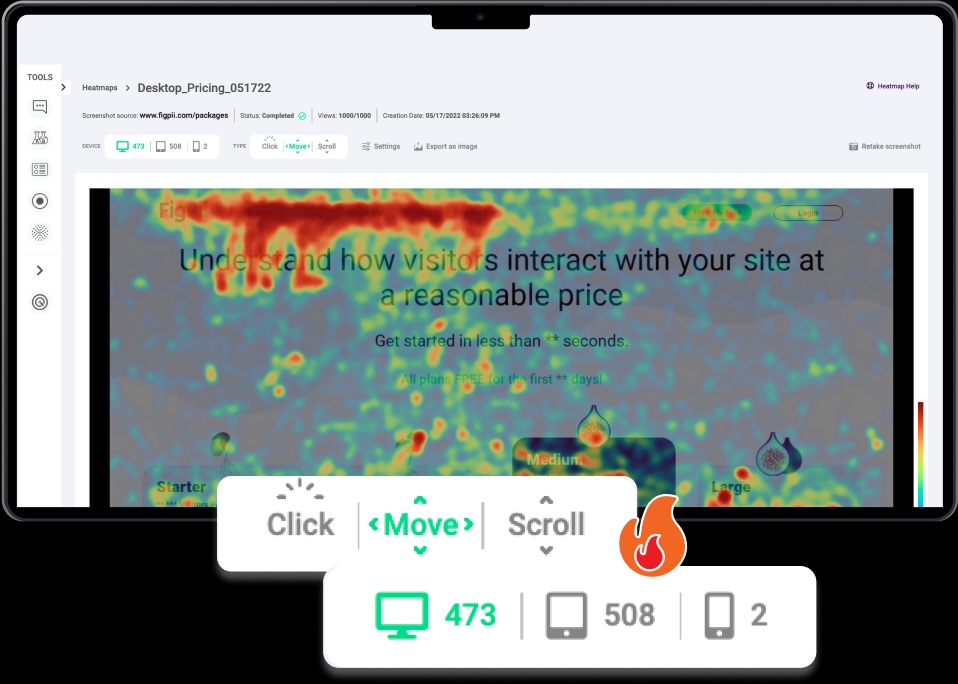
While traditional heatmaps show where users click and scroll, AI-enhanced heatmaps provide a deeper layer of interpretation. Platforms like Crazy Egg and FigPii now use algorithms to not only visualize data but to suggest specific layout changes. These tools can identify “dead zones” on a page where user attention drops off and recommend moving high-value content or buttons into “hot zones.” This data-driven visualization helps designers move beyond aesthetic preferences and toward a layout optimized for psychological engagement.
Dynamic Content and the Future of Web Architecture
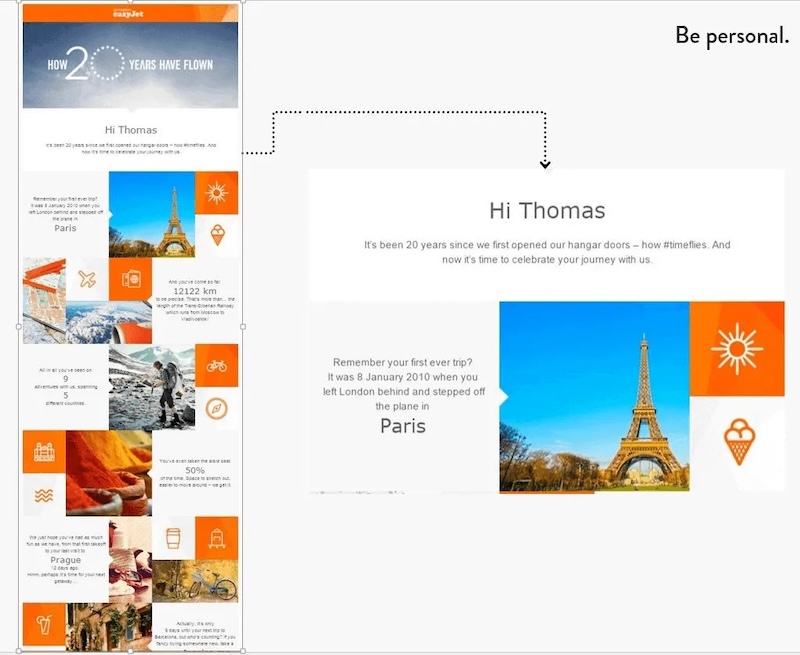
Dynamic Content Optimization (DCO) allows a website to change its interface based on the specific individual visiting the site. This can include changing the first name in a greeting, adjusting the hero image to reflect the user’s local weather or geography, or even altering the pricing structure based on loyalty status.
Platforms like Unbounce and Convert enable this level of fluidity. For instance, a travel website might show images of tropical destinations to a user searching from a cold climate, while showing mountain retreats to another. By aligning the website’s content with the user’s immediate context, brands create a more relevant and engaging experience, which is a fundamental driver of higher conversion rates.
Building a Data-Driven Culture and Professional Reactions
The integration of AI into CRO requires more than just new software; it necessitates a shift in organizational culture. Industry experts and Chief Marketing Officers (CMOs) have noted that the most successful companies are those that foster a “data-first” mindset. In these organizations, decisions are moved away from the “HIPPO” (Highest Paid Person’s Opinion) and toward validated data insights.
Reactions from the professional community have been largely positive, though tempered with a focus on ethical implementation. Data scientists emphasize that while AI can process data faster, human oversight remains essential to ensure that the AI’s goals align with the brand’s ethical standards and long-term objectives. The consensus among digital strategists is that AI should be viewed as a “co-pilot” that handles the heavy lifting of data processing, allowing human creatives to focus on high-level strategy and brand storytelling.
Broader Impact and Ethical Implications
As AI continues to evolve, its impact on CRO will likely expand into new territories, including voice search optimization and predictive inventory management. However, this progress brings challenges, particularly regarding data privacy. With regulations like GDPR and CCPA, businesses must balance the need for deep data collection with the requirement for user anonymity and consent.
The future of CRO is undeniably AI-driven. As machine learning models become more accessible and sophisticated, the barrier to entry for high-level optimization will lower, allowing even small and medium-sized enterprises to compete with global giants. The ability to adapt in real-time, automate complex testing cycles, and provide a truly individual experience is no longer a futuristic concept—it is the current standard for digital excellence. By leveraging these tools, businesses can move beyond basic metrics to create meaningful, lasting connections with their customers, ensuring long-term growth in an increasingly digital world.








