rifanmuazin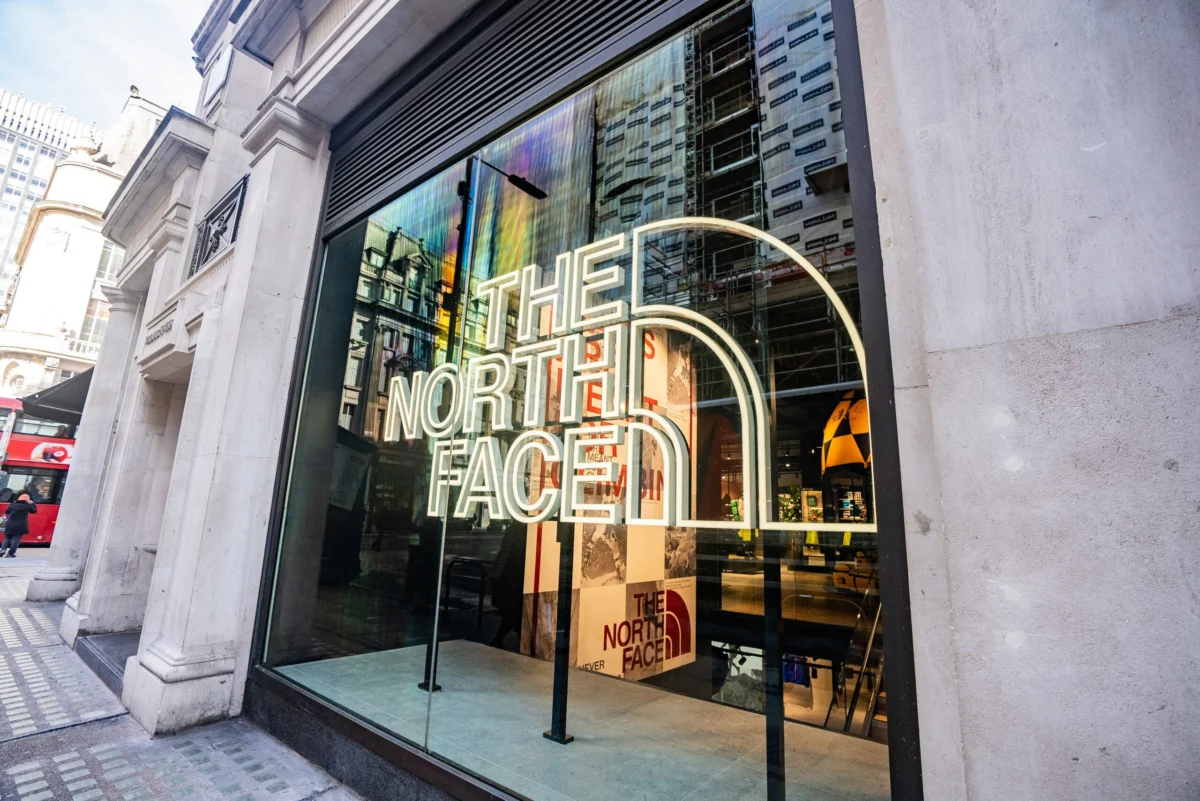
VF Corporation, a global powerhouse in apparel and footwear, is undertaking a significant strategic overhaul of its inventory management systems, aiming to achieve unprecedented end-to-end visibility across its extensive global operations. This ambitious initiative, powered by a new partnership with Nedap, a leading technology firm specializing in retail inventory solutions, is designed to seamlessly bridge the digital and physical realms of customer interaction. By providing real-time, item-level tracking of stock, VF Corporation intends to eliminate the frustrating disconnect between online product displays and actual in-store availability, thereby enhancing customer satisfaction and bolstering brand loyalty. The move signals a profound commitment to optimizing the omnichannel retail experience for consumers interacting with its iconic brands, including The North Face, Vans, and Timberland.
The core of this transformation lies in the deployment of Nedap’s Inventory Engine across VF Corporation’s vast network, encompassing over 1,500 retail stores worldwide. This sophisticated technology platform is engineered to provide granular insights into inventory movement, enabling a more accurate and dynamic understanding of stock levels at any given moment. For an organization of VF Corporation’s scale and complexity, with a supply chain that spans continents and involves numerous distribution centers and external partners, achieving such comprehensive visibility is a monumental task, but one that is increasingly critical in today’s hyper-competitive retail landscape.
Bridging the Omnichannel Divide: The Strategic Imperative
The retail industry has witnessed a seismic shift towards omnichannel engagement, where consumers expect a fluid and consistent experience regardless of their chosen touchpoint – be it a brand’s website, a mobile app, or a physical store. This expectation places immense pressure on retailers to maintain accurate inventory data. Services like "buy online, pick up in store" (BOPIS) and the ability to check in-store availability online are no longer niche conveniences but fundamental requirements for customer retention.
Carsten Trenz, Vice President of Digital at VF Corporation, articulated the company’s vision: "Our consumers expect the same level of product availability and service whether they shop online, in-store or through any of our brand touchpoints. Unified visibility across our operations allows us to deliver that consistency and build long-term customer loyalty." This statement underscores the recognition that inventory accuracy is not merely an operational efficiency concern but a direct driver of customer satisfaction and brand equity.
The partnership with Nedap is a proactive response to these evolving consumer demands. Nedap’s Inventory Engine, built upon advanced technologies such as radio frequency identification (RFID), offers item-level tracking that moves beyond traditional methods of inventory management. This granular data capture allows for the precise identification and location of each individual product, providing a level of detail previously unattainable. This capability is essential for supporting complex omnichannel fulfillment strategies, ensuring that when a customer clicks "add to cart" online, the product is indeed available and can be efficiently routed for delivery or in-store pickup.
A Phased Rollout: Beginning with The North Face
VF Corporation’s strategic rollout of Nedap’s Inventory Engine will commence with The North Face, one of its flagship brands, in the second quarter of 2026. This phased approach allows VF to pilot the system, refine its implementation, and gather valuable insights before scaling it across its entire brand portfolio. The North Face, a globally recognized leader in outdoor apparel and equipment, offers a strong starting point due to its extensive retail footprint and the high demand for its products, making inventory accuracy particularly crucial for maintaining customer satisfaction. Following the successful integration with The North Face, the system will be progressively expanded to other VF Corporation brands, including Vans and Timberland, as well as its broader portfolio, which also encompasses brands like Smartwool, Icebreaker, and Altra.
VF Corporation’s position as a major player in the e-commerce landscape is further highlighted by its ranking at No. 49 in Digital Commerce 360’s Top 2000 Database, a comprehensive list of North America’s leading online retailers. Within this database, VF falls under the "Accessories & Apparel" merchandise category, signifying its substantial presence in the digital retail space. This ranking emphasizes the importance of their digital strategy and the need for robust backend operations to support online sales.
Expanding Visibility Beyond the Store Floor
The ambition of VF Corporation’s inventory project extends far beyond the confines of its retail stores. Nedap has confirmed that the initiative will encompass distribution centers and vendor partners, effectively extending the system’s reach into VF’s upstream supply chain. This broader integration is a critical component of achieving true end-to-end visibility. By understanding product movement earlier in the inventory lifecycle, before merchandise even reaches retail locations, VF can gain a more proactive and strategic approach to inventory management.
This extended visibility is expected to yield several key benefits:
- Reduced Inventory Mismatches: A comprehensive view of stock across all nodes of the supply chain can significantly minimize discrepancies between expected and actual inventory levels.
- Enhanced Product Availability: By accurately tracking stock at every stage, VF can ensure that popular items are more consistently available to customers, both online and in-store.
- Consistent Cross-Channel Management: The system will enable more synchronized stock management across all sales channels, preventing situations where an item is listed as available online but is out of stock at the fulfillment point.
- Strengthened Brand Protection: The rollout is also designed to support VF’s efforts in combating gray-market activity, where products are sold through unauthorized channels. Enhanced inventory tracking can help identify and mitigate such unauthorized distribution, safeguarding brand integrity and consumer trust.
The technological backbone of this comprehensive solution is RFID technology, complemented by other item-level data sources. Nedap’s Inventory Engine aggregates data from various sources, including handheld scanners, RFID portals, and overhead readers, transforming raw signals into actionable insights. These insights are invaluable for critical retail functions such as demand forecasting, efficient replenishment, optimized order fulfillment, strategic allocation of stock, and robust loss prevention measures.
Hope Waldron, Vice President of Supply Chain Strategy at VF Corporation, emphasized the transformative potential of this expanded RFID program: "Expanding the retailer’s RFID program beyond stores will offer greater transparency across our entire supply chain. That visibility improves our ability to ensure product availability, strengthen brand protection, and deliver a more consistent consumer experience." This statement highlights the strategic alignment of inventory management with broader business objectives, including customer experience and brand security.
VF Corporation’s selection of Nedap was the result of a thorough evaluation process. The company had previously piloted a different inventory solution. However, after reassessing its needs concerning scalability, architectural robustness, and global support capabilities, VF ultimately chose Nedap. Factors such as Nedap’s extensive experience in large-scale retail deployments and its established network of retail users were instrumental in this decision.
The Critical Role of Inventory Accuracy in Modern Retail
The detrimental impact of inventory inaccuracies on customer experience cannot be overstated. In an era where online research and in-store purchasing are increasingly intertwined, a mismatch between advertised availability and actual stock can lead to significant customer frustration and lost sales. A recent 2024 survey conducted by Cin7, polling over 600 consumers, revealed the depth of this issue. A staggering 91% of shoppers reported feeling frustrated when desired items are out of stock. Furthermore, 70% admitted to abandoning an entire purchase due to the unavailability of a single item, and a substantial 94% indicated that item availability directly influences their shopping destination choices.
The survey also highlighted a strong consumer desire for real-time inventory updates, with nine out of ten shoppers stating that such transparency would increase their likelihood of purchasing from a particular store. This data strongly reinforces VF Corporation’s strategic investment in achieving precise inventory data across all its channels.
Hilbert Dijkstra, Managing Director of Retail at Nedap, commented on the broader implications: "In today’s retail landscape, unified commerce only works when brands can rely on one consistent source of truth for their inventory. VF’s decision to invest in end-to-end visibility reflects a clear vision for the future: the ability to serve consumers seamlessly across any channel." This perspective frames VF’s initiative not just as a technological upgrade but as a fundamental enabler of a future-proof omnichannel retail strategy.
Momentum in VF Corporation’s Digital Channels
This significant investment in inventory management infrastructure arrives at a time when VF Corporation’s direct-to-consumer (DTC) business is demonstrating encouraging signs of recovery and growth. In its fiscal third quarter, the company reported that its DTC performance had returned to growth, largely propelled by its digital channels. Globally, DTC sales saw a 4% year-over-year increase, or 3% when adjusted for constant currency, after excluding the impact of the workwear brand Dickies, which was sold during the quarter for $600 million in cash to Bluestar Alliance. This divestiture, completed during the quarter ending December 27, allows VF to sharpen its focus on its core lifestyle brands.
The North Face, the initial brand to benefit from the Nedap deployment, also experienced robust growth in the third quarter. VF reported an 8% year-over-year increase in The North Face’s revenue (5% in constant currency). CEO Bracken Darrell noted during the company’s earnings call that both DTC and wholesale channels contributed to this growth globally, with a particularly strong 15% increase in the Americas. This performance underscores the brand’s strong market position and consumer appeal.
Timberland, another heritage brand within VF’s portfolio, also recorded an 8% year-over-year revenue increase (5% in constant currency), marking its fifth consecutive quarter of positive growth. This sustained momentum indicates a successful revitalization strategy for the brand.
While Vans has faced ongoing challenges, with revenue down 8% year over year (10% in constant currency), there are positive indicators from its digital channels. Darrell mentioned an improvement in digital traffic trends across the Americas, Europe, the Middle East, and Africa. This positive shift led to global e-commerce growth for Vans for the first time in over four years, suggesting that targeted digital strategies are beginning to yield results for the brand.
The strategic imperative for VF Corporation to achieve superior inventory accuracy is clear. As consumer expectations for seamless, reliable, and personalized shopping experiences continue to rise, the ability to know precisely what is available, where it is, and when it can be delivered is paramount. The partnership with Nedap represents a significant step forward in this journey, laying the groundwork for a more efficient, customer-centric, and resilient future for one of the world’s leading apparel and footwear companies. The successful implementation of this end-to-end inventory visibility solution will be a key determinant of VF’s ability to thrive in the increasingly complex and demanding retail environment of the 21st century.