rifanmuazin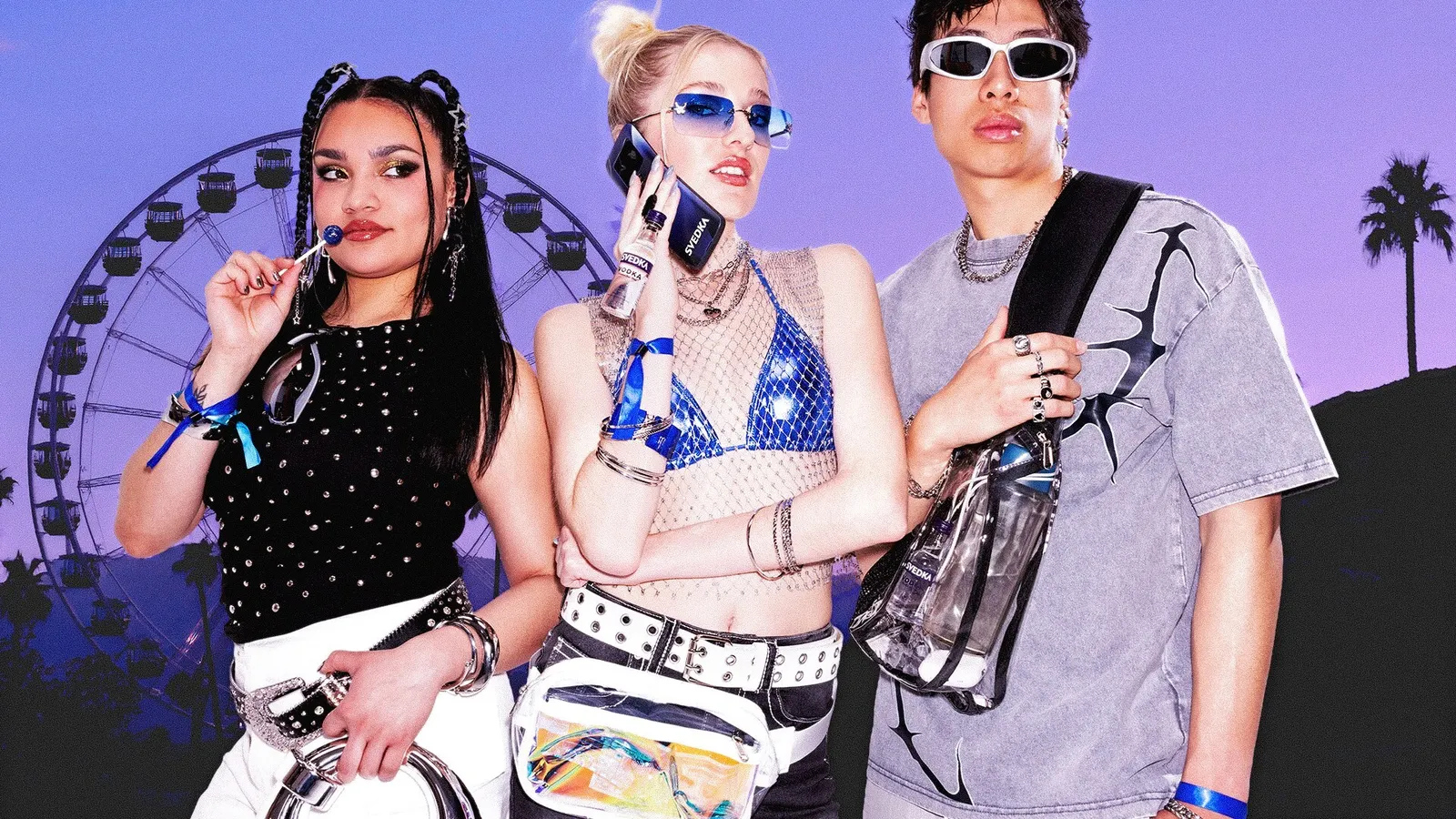
Svedka Vodka, a brand that once captured the imagination with its "No. 1 vodka of 2033" campaign, is embarking on a significant rebranding initiative following its acquisition by Sazerac last year. The spirits giant is revitalizing a core marketing concept from the mid-2000s, infusing it with a contemporary relevance to reconnect with today’s consumers. The resurrected vision, now positioning Svedka as the "No. 1 vodka of 2055," leverages a nostalgic yet forward-looking approach, emphasizing human connection in an increasingly digital world. This strategic pivot underscores Sazerac’s broader ambition to expand its diverse portfolio and tap into evolving consumer sentiments.
The brand’s initial foray into futuristic marketing in the 2000s was characterized by its bold "No. 1 vodka of 2033" tagline, accompanied by vibrant, futuristic aesthetics and a distinctive "Fembot" mascot. This pioneering campaign, which featured a sleek, anthropomorphic robot, aimed to position Svedka as a brand ahead of its time, resonating with a consumer base intrigued by technological advancement and speculative futures. The concept was lauded for its innovative approach, creating a memorable brand identity that stood out in a crowded market. The original campaign was a critical success, contributing to Svedka’s rapid growth and establishing it as a recognized name in the vodka category.
In its latest iteration, the "No. 1 vodka of 2055" campaign builds upon this legacy by reintroducing the Fembot, albeit with a nuanced shift in its narrative. The updated campaign aims to address the modern consumer’s complex relationship with technology. This renewed focus on human interaction was first signaled in August of the previous year with a campaign that offered to cover consumers’ bar tabs in exchange for a commitment to disconnect from their phones and engage in real-world socializing. This initiative marked the triumphant return of the Fembot after a 12-year absence, signaling a strategic re-engagement with a beloved brand asset.
Further solidifying this theme, Svedka made its highly anticipated Super Bowl debut in February with a commercial that prominently featured the Fembot, created entirely using artificial intelligence. This foray into the Super Bowl advertising arena, a platform known for its massive reach and intense scrutiny, was a calculated move to generate significant brand visibility. The AI-generated ad not only showcased the brand’s technological prowess but also continued to weave the narrative of human connection amidst technological advancement. More recently, Svedka released a Y2K-inspired flip phone, a product designed to limit communications to calls and texts, timed to coincide with music festival season. This move directly targets a younger demographic, specifically Gen Z, who are experiencing what the brand terms "digital burnout" and are increasingly seeking a return to simpler forms of communication and social interaction.
A Strategic Acquisition and Portfolio Expansion
The rebranding efforts by Svedka are occurring within the broader context of Sazerac’s strategic growth trajectory. Sazerac, a privately held company with a vast portfolio of spirits, has been actively expanding its market presence. In late April, the company made a significant move by acquiring a minority stake in 818 Tequila, a brand co-founded by celebrity Kendall Jenner. This investment in the rapidly growing tequila market demonstrates Sazerac’s commitment to diversifying its offerings and capitalizing on emerging consumer trends. The acquisition of Svedka itself, finalized last year, represents Sazerac’s ambition to strengthen its position in the vodka segment and leverage established brands for further growth.
David Binder, Senior Brand Director for Svedka at Sazerac, provided insights into the brand’s evolving marketing strategy and the lessons learned from its Super Bowl debut in an exclusive interview with Marketing Dive. Binder emphasized the importance of looking back at the brand’s historical successes to inform its current approach.
"I think it is important to look back at what was done in the past as we consider how that differs from what we’re doing in the present," Binder stated. "Svedka was a brand that was launched with purpose and intent, and it grew quickly. And there was a lot of traction behind the iconic Fembot brand asset."
Binder further elaborated on the brand’s current marketing philosophy, highlighting the resonance of nostalgia in today’s consumer landscape. "There’s nostalgia in many realms today, and marketing is no different, especially if you’re trying to tap into the consumer zeitgeist. We brought back the Fembot last August with the somewhat ironic purpose of using technology to remind consumers of something simple: The best moments happen when you’re present with the people around you."
The Evolving Role of the Fembot in a Tech-Saturated World
The original Fembot, introduced in 2005, embodied a futuristic vision that seemed distant and aspirational. Today, with humanoid robots performing complex tasks and AI becoming ubiquitous, the Fembot’s role has necessarily evolved. Binder acknowledged this shift, explaining how the brand is navigating the current reality of advanced technology.
"When the robot initially launched, the future was a fun idea. Dreaming of what technology might look like, flying cars and walking robots. That was a dream that seemed very far off," Binder recalled. "But the role she plays is a bit different now because people are sometimes uncomfortable with where technology is now. AI is everywhere. Tech is everywhere. It’s moving faster than we can understand."
Binder articulated the brand’s strategy to position the Fembot as a comforting guide rather than a harbinger of technological dominance. "I think that tension goes beyond just AI; it’s about technology and the future in general. The future feels a bit less whimsical these days and a bit scarier. And that’s where we see her role shifting. Consumers at large, and particularly younger consumers, are looking backward to lean into nostalgia. We feel like she’s got a fun way to do that, where she can still keep the retrofuturistic, nostalgic vibe, but without the ‘We’re coming to take over the Earth’ vibe. It’s more, ‘I’ve been to the future. I’ve seen it, and humans are the answer.’" This framing aims to leverage the Fembot’s futuristic origins to advocate for human connection, a message that resonates with a growing sentiment of digital fatigue.
Navigating the Super Bowl and the AI Debate
Svedka’s decision to utilize artificial intelligence for its Super Bowl commercial generated considerable discussion and, in some corners, skepticism. Binder addressed the brand’s rationale and its approach to integrating AI into its creative process.
"We’d already had to use AI to recreate [Fembot] and build her into a movable model," Binder explained. "Obviously, anything you do in the Super Bowl is going to be hypercriticized. But it’s not foreign to this brand’s ideology. We’re using a robot. We’re saying we’re the No. 1 brand of 2055. In a meta way, it makes sense that we would take that first step and use AI to push into the future."
He was keen to emphasize that the brand’s embrace of AI does not signify a departure from human creativity. "I do want to clarify that we are not making a binary choice between humans and robots. [AI] is a tool. It’s an exciting tool, and it’s one that’s expanding everybody’s minds about what we can dream up. But there was very much a talented and diverse creative team of humans leading the charge, writing the script, dictating what should happen here and there, in the same way that you do any other production. It was very, very, very human-led, human-ideated, human-driven." This clarification is crucial, as the public discourse surrounding AI in creative fields often raises concerns about job displacement and the devaluation of human artistry. Svedka’s approach positions AI as an augmentation of human creativity, rather than a replacement.
Lessons from the Super Bowl and the Power of Bold Marketing
The Super Bowl ad campaign, while sparking debate, ultimately served its purpose of generating attention and conversation. Binder reflected on the learnings from this high-stakes advertising endeavor.
"It confirmed a lot of what we expected, which is we know that AI is a polarizing topic. Coca-Cola got some strong opinions when they used AI in a commercial," Binder stated. "But for advertising to break through in today’s incredibly fragmented and increasingly competitive world, it’s got to be bold. It’s got to spark a conversation. So I would say the debate and the dialogue about how we did it means that the creative did what we wanted to do."
The ultimate measure of a campaign’s success, however, lies in its impact on sales and brand perception. Binder confirmed the positive commercial outcomes. "For what it’s worth, we saw a major sales increase during that Super Bowl season. So ultimately, we were super happy with the results." This suggests that while AI in advertising may be a polarizing topic, bold and conversation-starting campaigns can yield tangible business benefits. The ability to drive sales while simultaneously sparking dialogue around a relevant technological and societal issue highlights the complex, yet potentially rewarding, landscape of modern advertising.
The Broader Trend of Technological Nostalgia
Svedka’s marketing approach, particularly its embrace of a retrofuturistic aesthetic and a focus on digital detox, mirrors similar trends observed across other brands, including Heineken’s recent "dumb phone" campaign. Binder views this convergence as evidence of a genuine consumer insight.
"In marketing, for a consumer insight to be true, it ought to be broad and simple, which means it’s totally understandable that multiple brands might stumble upon a [similar] insight," Binder explained. He offered a personal anecdote to illustrate this phenomenon: "My wife’s little sister has been living with us while going to college over the last few years. She’s in her early 20s, and it baffled me to see the things that she was fascinated by. She asked me to show her how to wind film in a film camera. It’s like the over-connectedness is almost overstimulating, and, as a result, you’re seeing a lot of Gen Z revert back to film cameras, dumb phones, even retro fashion."
This sentiment underscores a growing desire among younger demographics for tangible experiences and a respite from the constant barrage of digital information. Svedka’s strategy aims to tap into this yearning for simpler times and a more authentic form of connection. "We want to tap into what Gen Z are yearning for with that nostalgia, but that’s not a trend that’s isolated to them. Some older millennials are also really drawn to simpler times. Bringing back an asset that reminds you of what you were doing circa Y2K is absolutely part of the strategy and intentional." This broad appeal, spanning multiple generations, suggests that the brand’s retrofuturistic narrative is resonating with a significant segment of the consumer market, positioning Svedka for continued relevance in an ever-changing world. The brand’s ability to blend historical marketing elements with cutting-edge technology and a deep understanding of contemporary consumer psychology is a testament to its evolving strategic acumen.