rifanmuazin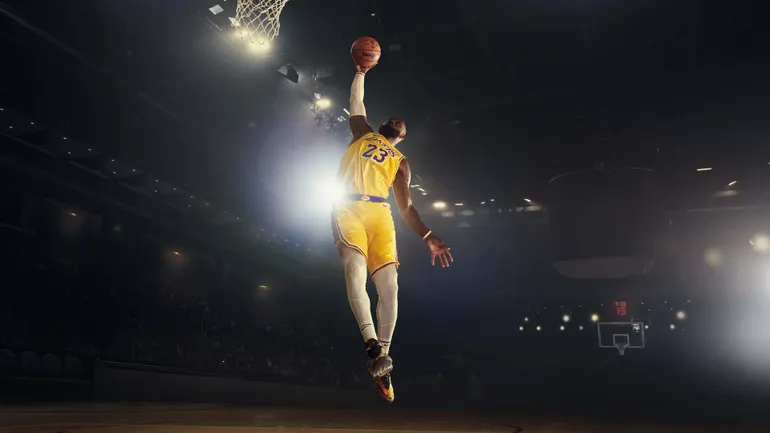
Nearly two years into Nike’s ambitious "Win Now" turnaround plan, industry observers are questioning the immediacy of its impact. The sportswear giant is navigating a complex web of challenges, including persistent tariffs, a decelerating growth trajectory in the critical Chinese market, and a general atmosphere of global economic uncertainty. Compounding these external pressures is a perceived lack of strategic clarity in Nike’s marketing efforts, exemplified by a recent public relations stumble during the Boston Marathon. This incident highlights Nike’s struggle to consistently recapture the aspirational and nuanced messaging that once defined its brand, a stark contrast to its current difficulties in connecting with a broader consumer base.
While Nike continues to achieve notable successes, particularly within the burgeoning women’s sports sector, a more focused and adaptable strategic approach may be necessary. Experts suggest that a recalibration of its marketing tactics is essential to resonate with increasingly discerning consumers and to assuage the expectations of impatient investors. The company’s latest financial report for the third quarter ending February 23rd, which revealed flat revenue, underscored this sentiment. Nike’s leadership acknowledged dissatisfaction with the pace of progress on the "Win Now" initiative, a view echoed by marketing professionals who describe the brand’s current direction as adrift.
"They feel really lost to me," commented Nate Jaffee, senior vice president of integrated strategy at the creative communications agency Praytell. "It feels like they just haven’t gotten their footing down in this sort of new world, this new media landscape that is out there." This sentiment points to a potential disconnect between Nike’s historical brand identity and the evolving expectations of the contemporary marketplace.
Navigating Stumbling Blocks: Reconnecting with the Elite Athlete and Broader Audiences
A central tenet of Nike’s "Win Now" strategy involves re-establishing its dominance among performance athletes. In recent years, these elite individuals have increasingly gravitated towards emerging competitors in categories like running, perceiving Nike as falling behind in product innovation. This concern was amplified two years ago when Nike launched its "Winning Isn’t for Everyone" campaign. This gritty, celebrity-laden initiative, featuring stars like LeBron James and Serena Williams, aimed to differentiate top-tier athletes by highlighting their ruthless dedication and a perceived lack of empathy, a stark contrast to the brand’s long-standing "If you have a body, you are an athlete" mission statement. The campaign was intended to spark a comeback following a post-pandemic slump that culminated in the departure of its then-CEO.
However, the drive to recapture the elite athlete segment has, in some instances, led to marketing efforts that critics deem tone-deaf and contradictory to the brand’s inclusive ethos. A prime example occurred during the recent Boston Marathon. An outdoor advertisement that proclaimed, "Runners Welcome. Walkers Tolerated," drew significant backlash from disability advocates and was widely perceived as an insensitive and exclusionary message. This misstep occurred at a time when Nike faces increasing pressure from rivals such as Hoka, On, and Brooks Running, particularly in the performance running market. Nike swiftly removed the advertisement, issuing a statement that emphasized its respect for the sport and its athletes, while acknowledging a commitment to learning and ensuring its messaging celebrates all forms of movement.
"What that moment reinforced for us is how deeply people feel about this sport, and we respect that," a Nike spokesperson stated in an email to Marketing Dive. "We’re always learning, and our goal is to make sure we show up in ways that celebrate all runners and every form of movement." Despite its limited media presence, the "Walkers Tolerated" incident quickly became a rallying point for competitors and ignited widespread discussion about Nike’s perceived disconnect with its target consumers.
Fura Johannesdottir, global chief creative officer at Interbrand, noted that such messaging, which might have been acceptable two decades ago, now misses the mark due to a significant shift in consumer values, with inclusion becoming a paramount concern. "They were doing something that the brand would have gotten away with 20 years ago, but it misses the mark today because the audience — simply the value system — has changed," she observed.
Uneven Execution: Moments of Brilliance Amidst Strategic Gaps
While the Boston Marathon incident represents a dramatic misstep, it is not the sole indicator of perceived inconsistency in Nike’s contemporary marketing. In 2025, the brand made a highly publicized return to the Super Bowl after nearly a three-decade absence with its "So Win" campaign, a powerful tribute to women in sports. Featuring prominent athletes like Jordan Chiles, Caitlin Clark, and Sha’Carri Richardson, alongside the artist Doechii, the advertisement was lauded for its anthemic and bold approach, effectively spotlighting a diverse array of rising female stars. This campaign earned a Super Clio Award, marking a significant marketing triumph under CEO Elliott Hill, who took the helm in 2024 with the mandate to revitalize the brand.
However, Nike’s decision to forgo advertising during Super Bowl LX this year, at a time when women’s sports continue to experience significant growth, has been viewed as a missed opportunity. Many advertisements during the recent Super Bowl were criticized for their lack of originality and clear messaging.
Data from YouGov underscores the potential impact of such strategic decisions. Between April of the previous year and January of the current year, Nike’s brand consideration among a nationally representative group of U.S. women increased by over nine percentage points. This growth was particularly pronounced among Gen Z women, a highly sought-after demographic for marketers. By skipping the Super Bowl, Nike may have foregone a crucial platform to further solidify its strong position in women’s sports.
"Nike’s recent marketing efforts seem to have focused on short-term wins, rather than long-term brand building, and as a result, it has felt disjointed," stated Jenn Szekely, president at design agency Coley Porter Bell. This perspective suggests a potential imbalance in Nike’s marketing strategy, prioritizing immediate gains over sustained brand equity.
The underlying causes for these marketing inconsistencies may extend beyond campaign execution. A series of leadership restructurings, layoffs, and the departure of long-standing executives have potentially diluted Nike’s once-distinctive corporate culture. The company announced further significant workforce reductions in March, cutting approximately 1,400 jobs as part of its ongoing "Win Now" restructuring. This continuous churn can impact institutional knowledge and the consistent application of brand strategy.
Johannesdottir, who has collaborated with Nike as a client in previous agency roles, noted, "When you have a lot of new people coming in, and you have to train every single one, I think that’s where the inconsistency is coming from. We’re talking about marketing today and what’s happening from a marketing standpoint, but there are so many other layers within the organization that need to be redone." This suggests that the challenges Nike faces are multifaceted, encompassing both external market pressures and internal organizational dynamics.
Identifying Areas of Strength and Future Opportunities
Despite these headwinds, Nike continues to demonstrate resilience in specific areas. Sales in North America, its largest market, saw a 9% increase in the second quarter and a 3% rise in the third quarter. These gains, however, were somewhat offset by significant revenue declines in China.
The increasing consideration among young women can be attributed, in part, to strategic investments in influential figures like Caitlin Clark, a standout player in the WNBA. Nike signed Clark as a signature athlete in August of the previous year, unveiling a custom logo for the basketball prodigy. This move signals a deliberate effort to connect with emerging stars and their fan bases.
"They’ve stopped looking at women’s sports as an extension of men’s sports and really as its own entity. It’s my belief that women are reacting to that," observed Brandy Hecke, vice president of enterprise partnerships at YouGov. "They’re starting to feel like Nike is more a brand for them and not just a men’s performance brand that they can participate in." This indicates a successful shift in perception, aligning Nike more closely with the interests and identities of female consumers.
However, some analysts suggest Nike remains overly reliant on its legacy brand recognition and established marketing paradigms, such as the iconic "Just Do It" slogan, which has undergone a Gen Z-friendly reinterpretation. The brand’s traditional approach of leveraging top-tier athletes for major advertising campaigns may be losing effectiveness in a media landscape increasingly dominated by rapid-fire social content and creator-driven narratives.
"Mass marketing and Michael Jordan and that being the thing that carries the brand and creates a halo for everything — I think that’s over," stated Praytell’s Jaffee. "It is a decentralization, a fragmentation of what we pay attention to and what people are excited about and interested in." This fragmentation necessitates a more nuanced and diversified approach to consumer engagement.
The running sector, in particular, has been identified as a challenging area for Nike, with smaller competitors successfully capturing market share by tapping into the growing popularity of running clubs and community events. Experts suggest that a more grassroots, boots-on-the-ground strategy, engaging with niche influencers and local communities, could help Nike regain its footing in this crucial category.
"While celebrities, athletes, those have great visibility, I think they can’t exist in a silo," commented Quinn Gawronski, senior director of content at Props, a creator marketing platform. "Being more tapped into the everyday people, everyday athletes as well, would help [Nike] build back up that trust in that particular category." This emphasizes the importance of authentic connection with the everyday athlete.
Embracing Inclusionary Strategies for Sustained Growth
Several industry sources have pointed to On’s partnership with Zendaya as a compelling example of a sportswear brand effectively resonating with consumers through a lifestyle-centric approach. The award-winning actress was appointed an On brand partner in 2024, leading to the launch of their first co-created collection in April, accompanied by a brand film directed by Spike Jonze.
While leveraging A-list talent as creative directors and collaborators is not a new tactic, On, which reported double-digit net sales growth last year, demonstrates a willingness to cede some creative control and incorporate external perspectives to remain culturally relevant beyond a purely athletic lens. Nike has experimented with high-profile collaborations, such as its partnership with Skims, which generated significant buzz. However, other ventures have been perceived as less impactful.
"When you actually look at what On is putting out from the advertising and content perspective of Zendaya, it’s really interesting and it feels like her… And so they have captured that sense of personality that cuts through in the media with a celebrity," remarked Jaffee. "Nike’s just not doing that." This highlights a potential gap in Nike’s ability to imbue its celebrity partnerships with the authentic personality and cultural resonance that define contemporary consumer engagement.
Despite these missteps and intensified competition, Nike’s formidable brand equity and global recognition remain undeniable. The Swoosh logo is among the most recognized globally, and the brand held the top position in YouGov’s U.S. fashion brand rankings released in March. The effectiveness of Nike’s marketing hinges on its ability to align purpose with product, as demonstrated by the success of the "So Win" campaign. The upcoming FIFA World Cup, commencing in June across North America, will serve as another critical test of Nike’s capacity to maintain its prominent position in the highly competitive sports marketing arena.
"Storytelling about sport and athletes has always been at the heart of Nike’s marketing," the Nike spokesperson affirmed. "We fuse emotional storytelling with the cultural weight and impact of our athlete roster, and no stage offers a greater canvas than this summer’s World Cup, where we have an incredible opportunity to harness the power of sport to inspire and remind all athletes of their unlimited potential." This statement suggests Nike’s continued commitment to leveraging major sporting events as a platform for aspirational storytelling and brand reinforcement. The success of these future endeavors will likely depend on Nike’s ability to learn from past challenges and adapt its strategies to the ever-evolving dynamics of the global marketplace and consumer expectations.