rifanmuazin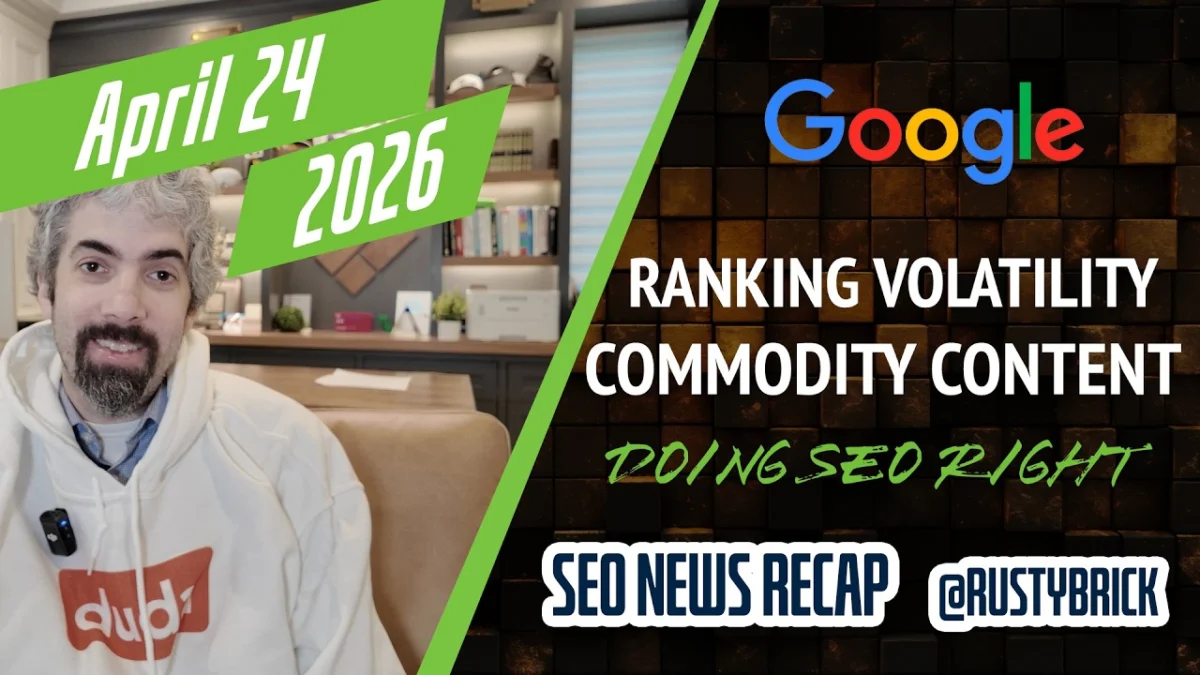
The digital marketing ecosystem witnessed a dynamic week, characterized by significant shifts in Google’s search algorithms, profound advancements in AI-driven advertising, and crucial updates impacting local businesses. Industry professionals grappled with pronounced Google search ranking volatility, while Google officials offered clarifying insights into content quality and the nuanced reality of SEO practices. Concurrently, the advertising sector saw a surge of AI-powered features from major players like Google, Microsoft, and OpenAI, signaling a transformative era for campaign management and measurement. These developments collectively underscore an environment of rapid evolution, demanding constant adaptation from webmasters, advertisers, and content creators alike.
Navigating the Turbulent Waters of Google Search: Volatility and Content Philosophy
The past week brought reports of heated Google search ranking volatility, sending ripples through the SEO community. Such periods of flux are not uncommon in the ever-evolving world of search algorithms, but their intensity can significantly impact businesses relying on organic traffic. Volatility refers to the degree of fluctuation in search engine results pages (SERPs), often measured by industry tools like Semrush Sensor or Mozcast, which track daily changes across millions of keywords. Elevated volatility typically signals an ongoing algorithm update, a significant core update rollout, or adjustments to Google’s indexing and ranking systems. For businesses, this can translate into sudden drops or spikes in visibility, traffic, and ultimately, revenue. Webmasters and SEOs often experience a period of intense analysis and strategizing during these times, attempting to discern the nature of the changes and identify actionable responses to stabilize or improve their rankings. The immediate implication is an amplified need for continuous monitoring, robust analytics, and a proactive approach to SEO that prioritizes foundational quality and user experience over short-term tactical maneuvers.
Amidst this algorithmic turbulence, Google’s Danny Sullivan offered timely insights into the critical distinction between "commodity content" and "non-commodity content." This discourse is particularly pertinent in an era increasingly influenced by generative AI, which can rapidly produce vast quantities of text. Sullivan’s perspective highlights Google’s persistent emphasis on helpful, original, and high-quality content. Commodity content, by this definition, typically refers to generic, easily replicable, or surface-level information that lacks unique insights, original research, or distinct value propositions. It’s often content that could be generated by AI without significant human oversight or expertise. In contrast, non-commodity content embodies originality, deep expertise, personal experience, unique perspectives, and authoritative insights. This aligns with Google’s E-E-A-T (Experience, Expertise, Authoritativeness, Trustworthiness) guidelines, which have been increasingly emphasized in recent years as a benchmark for content quality. The implication for content creators and SEO strategists is clear: the race to produce high volumes of undifferentiated content is losing ground to the imperative of creating truly valuable, unique, and insightful material that cannot be easily replicated. Businesses must invest in subject matter experts, original research, and authentic storytelling to differentiate themselves and thrive in Google’s increasingly discerning search landscape.
Further adding layers of nuance to the SEO professional’s journey, Google made several noteworthy statements. Firstly, Google indicated that it would no longer utilize spam reports containing personally identifiable information (PII). This change likely stems from privacy concerns, such as compliance with GDPR, CCPA, and other data protection regulations, and a desire to prevent the misuse or exposure of sensitive user data. While spam reports are a valuable tool for webmasters to flag malicious or manipulative content, requiring the submission of PII could create privacy vulnerabilities. The shift suggests Google is balancing its fight against spam with its commitment to user privacy, potentially streamlining the reporting process or focusing on technical signals for spam detection rather than relying on user-submitted personal details.
Secondly, Google articulated a somewhat counter-intuitive yet realistic view on SEO: "You can do a lot of SEO that doesn’t work and still do fine." This statement, while perhaps surprising to some, underscores the complexity and multi-faceted nature of search engine optimization. It suggests that while specific SEO tactics might not yield immediate or measurable results, a website with strong fundamentals – excellent content, good user experience, technical soundness, and a reputable brand – can still perform well organically. It de-emphasizes the notion that every single SEO effort must be perfectly executed to achieve success, instead highlighting the importance of a holistic strategy. This perspective encourages webmasters to focus on core principles and long-term value creation rather than chasing every minor trend or obsessing over individual, potentially ineffective, optimizations. It also serves as a reminder that SEO is not a magic bullet but a continuous process of improvement across many dimensions.
Building on this theme, Google also conceded that "no one knows everything about SEO." This acknowledgment serves as a crucial reality check in an industry often plagued by self-proclaimed "gurus" and proprietary "secrets." SEO is an incredibly vast and dynamic field encompassing technical aspects (site architecture, crawlability, indexing), on-page elements (content, keywords, metadata), off-page factors (backlinks, brand mentions), local SEO, international SEO, and constant algorithm updates. The statement reinforces the idea that continuous learning, specialization, and collaboration within the SEO community are essential. It fosters a more humble and realistic approach to the discipline, encouraging professionals to focus on specific areas of expertise while remaining open to new developments and shared knowledge.
On the technical front, Google posted updated documentation regarding "read more" deep links. These links are commonly used in web design to truncate content, offering a snippet with an option for users to expand and read the full article or section. Google’s guidance on such elements is crucial for ensuring proper crawlability and indexability. Misconfigured "read more" implementations could potentially hide content from search engines, hindering a site’s ability to rank for the full scope of its information. The updated documentation likely aims to clarify best practices for implementing these features, ensuring that content behind a "read more" button is still accessible to Googlebot and passes appropriate ranking signals, thereby improving user experience and search engine understanding of the page’s complete content.
Finally, Google Search Console confirmed a bug affecting job listing reporting. Search Console is an indispensable tool for webmasters, providing insights into a site’s performance in Google Search, including indexing status, search queries, and structured data errors. Job listing structured data (often using Schema.org markup) is vital for recruiters and employers to ensure their job postings appear as rich results in search, offering enhanced visibility. A bug in reporting could lead to inaccuracies in data presented to webmasters, making it difficult for them to assess the effectiveness of their job listing schema or troubleshoot issues. Google’s prompt acknowledgment and resolution of such bugs are critical for maintaining trust and enabling webmasters to accurately monitor and optimize their site’s search presence.
The Evolving Landscape of Digital Advertising with AI at the Helm
The realm of digital advertising is undergoing a profound transformation, with artificial intelligence increasingly becoming the central driving force. Google, a dominant player in this space, unveiled a series of AI-centric innovations, reflecting the industry’s shift towards smarter, more efficient, and ethically sound campaign management.
Google Ads Advisor, an integral tool for advertisers, has been enhanced with new AI safety features. As AI models become more autonomous in generating ad copy, targeting audiences, and optimizing bids, ensuring ethical and safe deployment is paramount. These new safety features likely focus on preventing the generation of biased, discriminatory, or misleading ad content, safeguarding brand reputation, and ensuring compliance with advertising regulations. For advertisers, this translates into greater confidence in leveraging AI for campaign creation and optimization, knowing that guardrails are in place to mitigate potential risks and uphold ethical standards.
Further cementing its commitment to advanced automation, Google Ads API version 24 has been released. APIs (Application Programming Interfaces) are crucial for large advertisers, agencies, and marketing technology companies that manage complex campaigns programmatically. Each new API version typically introduces new functionalities, improves existing ones, and enhances efficiency, allowing for more sophisticated automation of tasks such as campaign creation, bid management, reporting, and asset management. Version 24 likely offers developers and advertisers more granular control, access to new data points, and streamlined workflows, enabling them to scale their advertising efforts more effectively and integrate Google Ads functionalities seamlessly into their proprietary systems.
In a move to refine conversion tracking, Google Ads introduced new AI-qualified call conversions. Phone calls remain a critical conversion point for many businesses, especially those in service industries or with high-value products. Traditionally, tracking call conversions involved setting up call forwarding numbers or manually logging calls. With AI-qualified call conversions, Google leverages AI to analyze aspects of a phone call – such as duration, keywords spoken, and interaction patterns – to determine if a call genuinely represents a qualified lead or a meaningful business interaction, rather than just a simple inquiry. This enhancement allows advertisers to optimize their campaigns not just for call volume, but for the quality of calls, leading to a more accurate assessment of ROI and more effective budget allocation towards high-intent prospects.
Google is also pushing the boundaries of ad formats, with Google Local Search Ads testing immersive video ads. Video content has proven to be highly engaging and effective in capturing audience attention, and its integration into local search results marks a significant evolution. Immersive video ads could potentially offer a richer, more interactive experience for users searching for local businesses, allowing them to virtually experience a location, product, or service before visiting. For local businesses, this presents a powerful new avenue to stand out in competitive local search results, convey their unique offerings dynamically, and drive greater engagement, albeit potentially requiring higher production value for their ad creatives.
Beyond Google, the broader advertising ecosystem is also embracing AI at an accelerated pace. Microsoft Advertising, a key competitor, has released a substantial suite of AI features. This move highlights the competitive imperative to integrate advanced AI capabilities into ad platforms, offering advertisers more sophisticated tools for targeting, bidding optimization, creative generation, and performance analysis across Microsoft’s network, including Bing, MSN, and other properties. Such developments foster a healthy competitive environment, ultimately benefiting advertisers with more choice, innovation, and potentially better campaign performance.
Perhaps one of the most intriguing developments comes from OpenAI, with reports indicating that ChatGPT’s ad manager seems to be rolling out, and the launch of a new bot for ads, OAI-AdsBot. OpenAI’s foray into advertising is a significant strategic move, leveraging its formidable generative AI capabilities. A "ChatGPT ad manager" could revolutionize ad creation by allowing advertisers to generate high-quality ad copy, headlines, descriptions, and even audience targeting suggestions using conversational AI. This would democratize sophisticated ad creation, making it more accessible and efficient. The introduction of OAI-AdsBot further underscores OpenAI’s commitment to this space. OAI-AdsBot is likely a web crawler designed to analyze ad creatives, landing pages, and associated content for purposes such as ad review, content moderation, compliance checks, and potentially for feeding data back into OpenAI’s ad models to improve performance and safety. This dual approach – an AI-powered creation tool and a dedicated crawler for ads – signifies OpenAI’s ambition to become a major player in the ad tech landscape, challenging existing models and pushing the boundaries of what AI can achieve in marketing.
Local Search Optimization and the Dawn of Generative Engine Optimization (GEO)
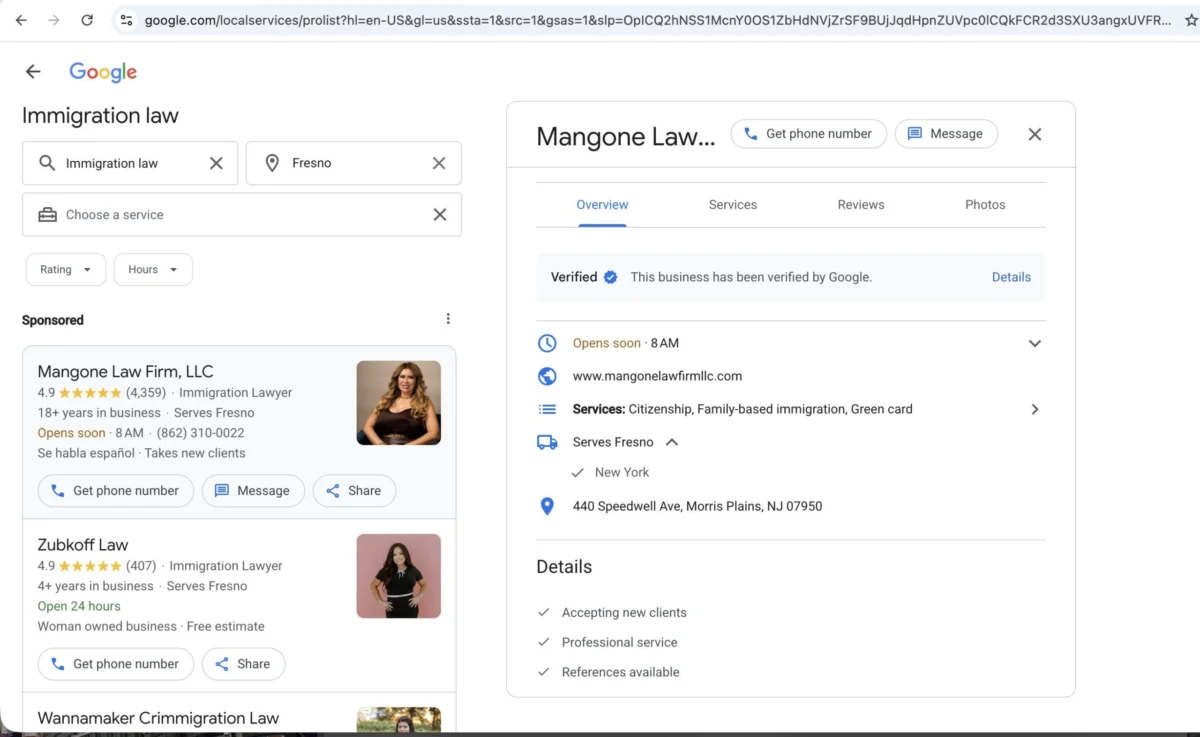
Local search optimization, critical for brick-and-mortar businesses, also saw important updates. Google Local Review replies now appear to be moderated. Customer reviews are a cornerstone of local business reputation, and businesses’ responses to these reviews are equally important. Previously, moderation of these replies might have been less stringent. The introduction of moderation suggests Google’s commitment to maintaining a professional and fair environment for customer interactions. This change likely aims to combat spam, abusive language, or inappropriate content in business replies, ensuring that communication remains constructive and compliant with Google’s guidelines. For local businesses, this emphasizes the need for thoughtful, professional, and timely responses to reviews, as their public interactions will now be subject to greater scrutiny.
Complementing this, Google Business Profiles now sorts photos by recently uploaded. Google Business Profile (GBP) is the primary tool for local businesses to manage their online presence across Google Search and Maps. The way photos are displayed is crucial for attracting customers. Shifting the default sorting to "recently uploaded" provides a fresh and dynamic view of a business’s offerings. Previously, photos might have been sorted by Google’s algorithms based on factors like popularity or relevance. This change empowers businesses to showcase their latest products, services, events, or seasonal updates more effectively. It encourages regular updates to GBP photo galleries, ensuring that potential customers see the most current and relevant visual information, which can significantly influence their decision-making process.
Perhaps the most forward-looking development of the week, hinting at the future direction of search and SEO, was Google’s posting of a job listing for a "Generative Engine Optimization (GEO) Partner Manager." This job title introduces a novel concept: Generative Engine Optimization. While not explicitly defined by Google, "GEO" logically refers to the optimization of content and strategies specifically for generative AI-powered search environments, such as Google’s Search Generative Experience (SGE) or other AI chatbots that summarize information. This role signifies Google’s strategic investment in understanding and shaping how content performs in these new AI-driven search paradigms. The implications for SEO professionals are profound: it suggests a shift beyond traditional ranking signals to optimizing for how AI models comprehend, synthesize, and present information. This could involve new considerations for content structure, clarity, factual accuracy, and how information is cited or attributed by generative AI. It implies a future where SEO professionals will need to develop skills in influencing AI models, ensuring their content is not just discoverable by traditional crawlers but also interpretable and utilizable by generative AI for coherent and accurate summaries. This job posting is a clear signal that Google views generative AI not just as an enhancement to search, but as a fundamental shift requiring new optimization strategies.
Broader Implications and The Road Ahead
The collective developments of the past week paint a clear picture of a digital marketing landscape undergoing rapid and fundamental transformation. The pervasive influence of artificial intelligence is the overarching theme, impacting everything from how search results are generated and interpreted to how advertising campaigns are created, managed, and measured.
For SEO professionals and webmasters, the message is one of continuous adaptation. The persistent Google ranking volatility, coupled with explicit guidance on "non-commodity content," underscores the imperative for quality, originality, and user-centricity. Relying on generic, easily replicable content or outdated SEO tactics will likely prove insufficient. The future demands deeper expertise, a focus on E-E-A-T, and a keen eye on how content serves genuine user needs, both human and algorithmic. The emergence of "Generative Engine Optimization" (GEO) signals a new frontier, where optimizing for AI’s understanding and synthesis of information will become as crucial as optimizing for traditional keyword rankings.
In the advertising domain, AI is no longer just a tool but the very fabric of campaign management. Google’s AI safety features, qualified call conversions, and immersive video ads, alongside Microsoft’s and OpenAI’s aggressive moves into ad tech, illustrate a competitive race to empower advertisers with smarter, more efficient, and more creative solutions. The ability to leverage AI for everything from content generation to performance optimization will become a baseline expectation, rather than a niche advantage. Advertisers will need to embrace these tools, while also developing a deeper understanding of AI ethics and responsible deployment.
The local business sector, too, must remain agile. Moderated review replies and dynamic photo sorting in Google Business Profiles necessitate a more proactive and professional approach to online reputation management and visual branding.
In conclusion, the digital marketing world is not merely evolving; it is undergoing a profound paradigm shift driven by AI. Success in this new era will hinge on adaptability, a relentless pursuit of quality, a deep understanding of AI’s capabilities and limitations, and a proactive embrace of new optimization methodologies like Generative Engine Optimization. The week’s news serves as a powerful reminder that stagnation is not an option in this exhilarating, ever-changing digital frontier.