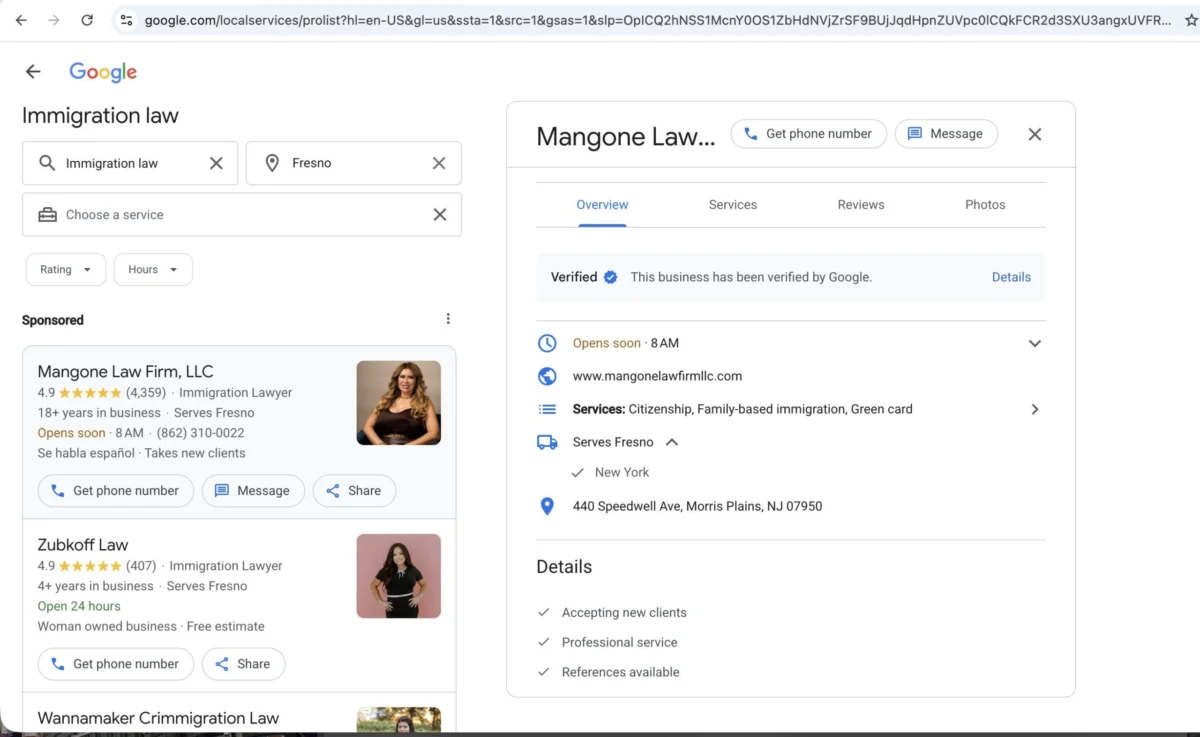
Google has officially unveiled a significant enhancement to its advertising platform, introducing "Local customer optimization" within Performance Max campaigns specifically designed for store goals. This development, detailed in recently published Google Ads help documents, signals a strategic evolution in how businesses with physical locations can connect with nearby potential customers and coincides with the ongoing migration of Local Service Ads (LSAs) into the broader Google Ads ecosystem. The integration aims to provide a more streamlined and powerful toolkit for advertisers seeking to drive foot traffic, calls, and other local actions.
The core announcement came with the release of a new help document titled "About Local customer optimization within Performance Max campaign for store goals." This document delineates the functionality of the new feature, positioning it as a critical component for businesses aiming to capitalize on local intent. According to Google’s description, Local customer optimization is engineered to "prioritize reaching potential customers who are close to or interested in your business area and ready to take action immediately such as visit or contact." This targeted approach is particularly potent for capturing individuals in crucial decision-making moments—those "actively navigating, trip-planning, or searching for locations on Google Maps, Waze or Google Search for a service in a specific area of interest." The explicit mention of platforms like Google Maps and Waze underscores the feature’s deep integration with Google’s navigational and local search assets, where high-intent users often reside.
The Strategic Shift: Local Service Ads Join Google Ads
This new optimization feature is not an isolated update but rather a crucial piece of a larger strategic puzzle. Google has been progressively migrating its Local Service Ads (LSAs) onto the main Google Ads platform, a move first announced earlier this year. LSAs, which traditionally offered a pay-per-lead model for service businesses like plumbers, electricians, and locksmiths, have operated somewhat independently, focusing on generating pre-qualified customer inquiries. The consolidation into Google Ads, particularly under the umbrella of Performance Max campaigns, represents a concerted effort by Google to unify its advertising offerings, simplify management for businesses, and leverage its advanced machine learning capabilities across all ad formats.
The transition from a standalone LSA product to an integrated feature within Performance Max for store goals is poised to fundamentally alter how local service providers engage with Google’s advertising ecosystem. While the original LSA model offered a distinct advantage by charging only for qualified leads, its integration into Performance Max suggests a shift towards a more comprehensive, impression- and click-based bidding strategy, albeit with a strong optimization layer for local actions. This strategic pivot aims to provide advertisers with a single, AI-driven platform to manage their local visibility, potentially enhancing reach across Google’s vast network of properties.
Decoding Local Customer Optimization
At its heart, Local customer optimization is designed to address the specific needs of businesses with physical locations. It acknowledges the unique customer journey of someone seeking a local service or product: often urgent, location-dependent, and driven by immediate need. By leveraging Google’s extensive data on user location, search history, and real-time intent, the feature aims to connect businesses with the most relevant audience at the most opportune moment.
The benefits articulated by Google, though initially presented without specific bullet points in the original help document, can be inferred from the feature’s description. These include:
- Increased Local Visibility: By prioritizing proximity and interest, businesses can appear more prominently to users actively looking for services or products in their area.
- Higher-Intent Engagement: The focus on users "ready to take action immediately" implies a higher likelihood of conversions, whether it’s a store visit, a phone call, or a direction request.
- Optimized Reach at Critical Moments: Targeting individuals who are "actively navigating, trip-planning, or searching" means ads are shown when a customer is most receptive and closest to making a decision.
- Leveraging Google’s Ecosystem: By integrating with Google Maps, Waze, and Google Search, the feature ensures businesses can capture customers across the platforms they use most for local discovery.
It is crucial to note that Google explicitly states "Local customer optimization is not compatible with online campaign goals and Performance Max campaigns with products from Merchant Center." This delineation reinforces its specialized purpose: it is strictly for brick-and-mortar businesses focused on driving offline actions, distinguishing it from e-commerce objectives or broader brand awareness campaigns.
Performance Max for Store Goals: A Unified Approach
The new local optimization feature is nested within "Performance Max campaigns for store goals," a campaign type that itself represents a significant evolution in Google’s ad offerings. A separate help document, "About Performance Max for store goals," provides further context, stating these campaigns are "designed to help businesses provide their potential customers the information that they need to decide when and how to visit their stores."
Performance Max, introduced broadly in 2021, is Google’s automated, AI-driven campaign type that runs across all of Google’s advertising channels: the Google Search Network, Google Maps, Waze, YouTube, Gmail, and the Google Display Network. For store goals, this means a business can upload a few lines of text, creative assets (images, videos), and a budget, and Google’s machine learning algorithms will automatically optimize the campaign to help customers find and visit their stores. The allure of Performance Max lies in its promise of simplicity and comprehensive reach, consolidating what might have previously required multiple campaign types (e.g., Search, Display, Local, YouTube) into a single, unified interface.
The integration of Local customer optimization within this framework means that the powerful, cross-channel capabilities of Performance Max will now be specifically tuned to identify and engage high-intent local customers. This creates a synergistic effect: PMax provides the broad reach and automation, while local customer optimization refines the targeting to focus on the most valuable local interactions.
The Evolution of Google’s Local Advertising Landscape
Google’s journey into local advertising has been extensive and iterative, reflecting the growing importance of local search in consumer behavior. Historically, businesses relied heavily on Google My Business (now Google Business Profile) for organic local visibility. Advertising options evolved from simple location extensions on search ads to dedicated Local Campaigns, which were designed specifically to drive store visits and local actions across Google Maps, Search, YouTube, and the Display Network. Local Service Ads then emerged as a specialized solution for service providers, offering a distinct pay-per-lead model and a Google Guarantee badge, building trust with consumers.

The introduction of Performance Max in 2021 marked a pivotal moment, signaling Google’s shift towards more automated, AI-driven campaign management. PMax was designed to maximize performance across all Google channels from a single campaign. The current integration of LSA functionalities and the specific "Local customer optimization" feature within PMax for store goals completes a cycle of consolidation, aiming to offer a single, powerful solution for all local businesses, whether they are retail stores, restaurants, or service providers. This move streamlines Google’s product portfolio and pushes advertisers towards its most advanced, AI-powered tools.
Why Local Matters: Market Data and Consumer Trends
The emphasis on local optimization is not arbitrary; it is a direct response to undeniable market trends. The rise of "near me" searches has been a dominant force in digital consumer behavior for the past decade. Studies consistently show that a significant percentage of all Google searches have local intent. For instance, statistics from sources like Google itself and various marketing research firms indicate that over 46% of all Google searches are local, and "near me" mobile searches have grown exponentially, often leading to immediate offline action.
Mobile devices have been a primary catalyst for this trend. Consumers frequently use their smartphones to search for businesses while on the go, checking hours, directions, product availability, and reviews. A Google study revealed that 76% of people who search for something nearby on their smartphone visit a related business within a day, and 28% of those searches result in a purchase. These figures underscore the immense value of capturing local intent, especially for small and medium-sized businesses (SMBs) whose customer base is often geographically defined. For these businesses, local visibility is not merely an advantage; it is a necessity for survival and growth.
Google’s Vision: Streamlining for Success
While direct quotes from Google spokespeople regarding this specific update are not available in the provided context, the strategic intent behind these changes can be logically inferred. Google’s overarching vision appears to be centered on simplifying the advertising experience for businesses while simultaneously enhancing the effectiveness of its ad products through advanced AI and machine learning.
This consolidation reflects Google’s commitment to providing advertisers with more powerful, integrated tools that can navigate the complexities of multi-channel marketing. By bringing LSAs into Performance Max and introducing specialized local optimization, Google aims to:
- Reduce friction: Offer a single platform for managing diverse local advertising needs.
- Boost ROI: Leverage AI to identify and target the most valuable local customers, thereby improving campaign performance.
- Future-proof advertising: Encourage adoption of its most advanced, automated campaign type, which is designed to adapt to evolving consumer behaviors and advertising landscapes.
- Strengthen market position: Solidify its dominance in local search and advertising, a critical segment for countless businesses.
Implications for Businesses: Opportunities and Challenges
The introduction of Local customer optimization within Performance Max for store goals presents both significant opportunities and potential challenges for advertisers.
Opportunities:
- Enhanced Targeting and Reach: Businesses can now leverage Google’s sophisticated AI to reach customers with high local intent across an unprecedented array of channels simultaneously. This means potentially appearing on Search when a user queries "plumber near me," on Maps when they are navigating, on YouTube with a relevant video ad, or on Gmail with a display ad, all optimized for local action.
- Simplified Management: For businesses previously juggling multiple campaign types or struggling with the nuances of each, Performance Max offers a more streamlined approach. A single campaign can theoretically achieve what once required several, freeing up time and resources.
- Data-Driven Optimization: Google’s machine learning continuously analyzes performance data to optimize bids, ad placements, and audience targeting, aiming for the best possible results for store visits and local actions.
- Broader Visibility for Service Businesses: For former LSA users, this migration means access to the full breadth of Google’s ad inventory, potentially expanding their reach beyond the LSA-specific placements.
Challenges:
- Learning Curve for Performance Max: While designed for simplicity, Performance Max is an advanced campaign type with a "black box" reputation due to its heavy automation. Advertisers may find it challenging to understand precisely how their budget is being allocated across channels or to pinpoint specific performance drivers. This requires a shift in mindset from granular control to trust in AI.
- Creative Asset Requirements: Performance Max thrives on a diverse set of creative assets (headlines, descriptions, images, videos). Businesses, especially smaller ones, might need to invest more in creating high-quality, varied content to feed the AI effectively.
- Potential Loss of "Pay-per-Lead" Certainty: For businesses accustomed to the LSA’s pay-per-lead model, the transition to a PMax structure, which is typically based on impressions and clicks, might introduce uncertainty regarding cost per acquisition. While optimized for conversions, the direct linkage of payment to a qualified lead might diminish.
- Importance of Google Business Profile: A well-optimized and updated Google Business Profile (GBP) remains paramount. Performance Max for store goals heavily relies on GBP data for location information, business hours, photos, and reviews. Any deficiencies in the GBP can hinder campaign performance.
The Digital Marketing Ecosystem Adapts
The ripple effects of this change extend beyond individual businesses to the broader digital marketing industry. Agencies specializing in local SEO and paid advertising will need to adapt their strategies and expertise. There will be an increased demand for:
- Performance Max Expertise: Agencies must become adept at setting up, managing, and interpreting results from PMax campaigns, focusing on the nuances of store goals.
- Creative Asset Development: A renewed emphasis on creating compelling and diverse ad creatives that can perform across all Google channels.
- Integrated Local Strategy: A holistic approach that combines robust Google Business Profile management, local SEO, and PMax campaigns will be essential for maximizing local visibility.
- Transparency and Reporting: Developing methods to provide clients with insights into PMax performance despite its automated nature, focusing on key performance indicators (KPIs) like store visits, calls, and direction requests.
Conclusion: A New Era for Local Visibility
The introduction of Local customer optimization within Performance Max campaigns for store goals marks a significant milestone in Google’s ongoing efforts to refine and consolidate its advertising offerings. By leveraging its vast data and advanced AI capabilities, Google aims to provide businesses with an unprecedented level of precision and reach in targeting local customers. This strategic move, coupled with the migration of Local Service Ads, ushers in a new era of simplified yet powerful local advertising. While businesses and marketers will need to navigate the learning curve associated with Performance Max’s automated nature, the potential for enhanced local visibility, increased store visits, and improved overall campaign performance represents a compelling opportunity for those looking to thrive in an increasingly location-aware digital landscape. As Google continues to evolve its ad products, the focus remains firmly on connecting consumers with the businesses that serve them best, right where they are.