Siti Muinah

The digital marketing ecosystem experienced a flurry of developments on October 23, 2026, with Google at the forefront of significant updates across its search, advertising, and business profile platforms. Key discussions emerging from various search forums and industry analysis highlighted Google’s continued push into artificial intelligence, substantial enhancements for local businesses, and new functionalities for advertisers and publishers. Among the most discussed topics were the ongoing testing of Google AI Overviews, a definitive stance on JPEG XL image format support, a comprehensive overhaul of Google Business Profile performance reporting, and the rollout of the Google Universal Cart in the United States, signaling a busy day for webmasters, SEO professionals, advertisers, and businesses alike.
The Evolving Face of Search: AI Overviews and Image Format Decisions
One of the most impactful developments reported was Google’s active testing of AI-generated summary snippets, now widely referred to as Google AI Overviews. These summaries, building upon previous iterations of generative AI in search (such as the Search Generative Experience, or SGE), aim to provide users with synthesized answers directly within the search results page, often appearing at the top. This initiative represents a profound shift in how users might consume information, potentially reducing the need to click through to individual websites for basic queries.
Context and Background: The integration of AI into Google Search has been a strategic priority for the tech giant for several years. Following the public release of advanced large language models (LLMs) like OpenAI’s ChatGPT in late 2022, Google accelerated its own AI development, aiming to leverage its vast index and sophisticated algorithms to provide more direct and conversational answers. AI Overviews are designed to condense information from multiple sources, offering a concise summary for complex questions, comparative analysis, or factual queries. The testing phase involves refining the accuracy, relevance, and helpfulness of these summaries, as well as understanding their impact on user engagement and publisher traffic. Initial feedback from the SEO community has been mixed, with concerns raised about potential cannibalization of organic traffic for websites that traditionally ranked for informational queries. However, Google maintains that AI Overviews are intended to complement, rather than replace, traditional search results, driving users to deeper content where appropriate. The long-term implications for content creation strategies, E-E-A-T (Experience, Expertise, Authoritativeness, Trustworthiness) signals, and the overall search landscape are still being actively debated and analyzed.
Simultaneously, a notable technical detail emerged regarding image formats: Google Search does not currently support the JPEG XL image format. JPEG XL, an advanced raster graphics file format, has gained traction among some developers for its superior compression efficiency and broader feature set compared to traditional JPEGs and even newer formats like WebP and AVIF. Its non-support by Google Search indicates a deliberate decision, potentially based on adoption rates, browser compatibility, or internal strategic priorities.
Implications for Web Developers: This stance means that webmasters and developers seeking optimal indexing and performance within Google Search must continue to rely on widely supported formats such as JPEG, PNG, GIF, WebP, and AVIF. While JPEG XL offers significant advantages in terms of file size reduction without sacrificing quality, its absence from Google’s indexing capabilities means that content using this format might not be fully recognized or optimally served within search results. This decision underscores the challenges faced by Google in balancing support for emerging technologies with the need for broad compatibility and consistent performance across its vast ecosystem. It also highlights the importance of Google’s own WebP and AVIF formats, which the company has actively promoted for web optimization. For developers, this translates into a continued focus on existing, well-established image optimization techniques to ensure search engine visibility and fast loading times.
Empowering Local Businesses: Google Business Profile Transformations
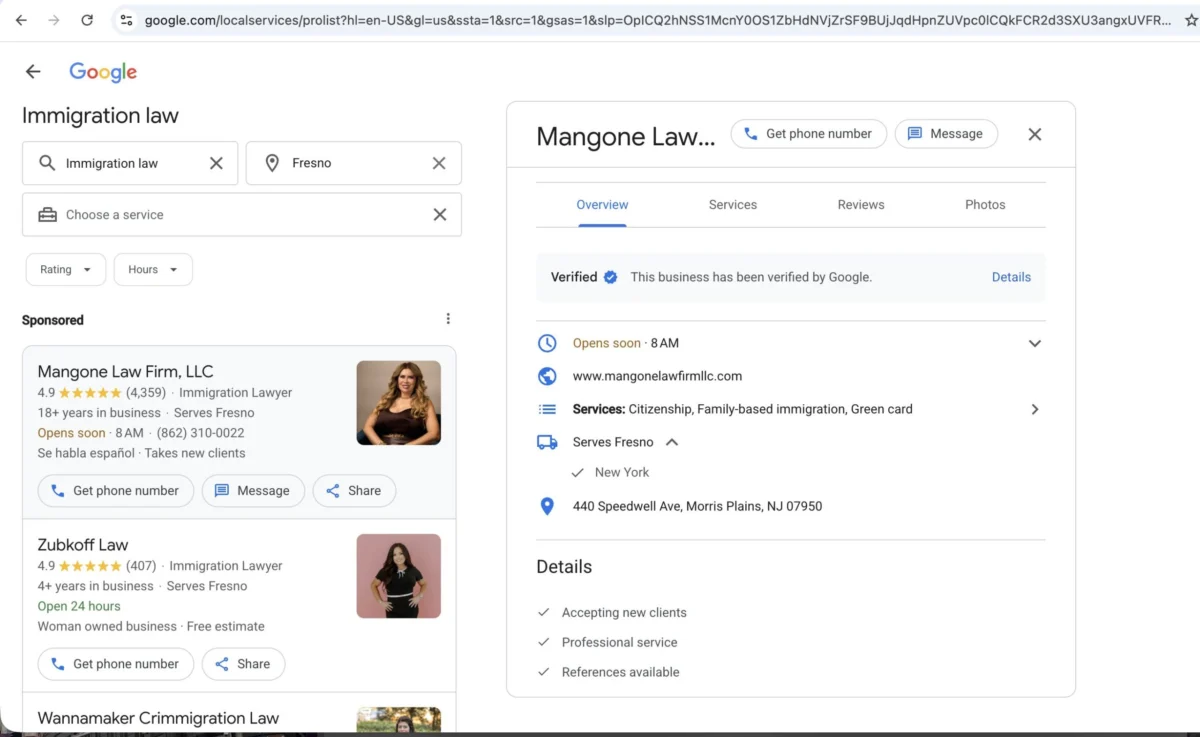
The local search landscape is undergoing significant evolution, with Google rolling out substantial enhancements for businesses managing their online presence. Two key updates for Google Business Profiles (GBP) were highlighted: the testing of a completely revamped performance report section and the slow but steady rollout of Google Business Home for Business Profiles.
Revamped Performance Report: For years, Google Business Profile insights have provided businesses with fundamental data on how customers interact with their listings. The new performance report section, currently in testing, promises a more granular and comprehensive view of a business’s online visibility and customer engagement. While specific details of the revamped report are still emerging from the testing phase, industry experts anticipate improved metrics on search queries, customer actions (e.g., calls, website visits, direction requests, bookings), photo views, and potentially even more sophisticated demographic or behavioral insights. The current GBP insights often provide aggregated data, which, while useful, can lack the depth needed for nuanced marketing decisions. A revamped report is expected to offer better visualization tools, customizable date ranges, and potentially integration with other Google analytics platforms, allowing businesses to gain a clearer understanding of their local search performance.
Implications for Local SEO and Business Strategy: This upgrade is critical for local businesses and the SEO agencies that support them. Enhanced data means more informed decision-making regarding marketing spend, operational adjustments, and customer service improvements. Businesses can more accurately track the ROI of their local optimization efforts, identify peak engagement times, and pinpoint which aspects of their profile (e.g., photos, services, reviews) resonate most with potential customers. This move aligns with Google’s broader strategy to make its business tools more valuable and actionable, helping small and medium-sized enterprises (SMEs) compete effectively in the digital space.
Google Business Home Rollout: Complementing the improved reporting, Google is also slowly rolling out Google Business Home for Business Profiles. This initiative appears to be a consolidation effort, aiming to provide a more centralized and user-friendly dashboard for businesses to manage all aspects of their Google presence. Currently, managing a Business Profile can sometimes feel fragmented, with different settings and insights spread across various interfaces. Google Business Home is expected to bring together profile editing, performance monitoring, review management, messaging, and potentially even Google Ads integration into a single, cohesive platform.
Chronology and User Experience: While the exact timeline for a full rollout remains staggered, the gradual release indicates Google’s cautious approach to ensure stability and gather feedback. The goal is to simplify the management process for busy business owners, making it easier to update information, respond to customer queries, and utilize Google’s tools more efficiently. This consolidation could significantly improve the user experience for businesses, reducing the learning curve and enabling more proactive management of their online reputation and visibility. For multi-location businesses, a unified dashboard could also streamline operations, allowing for easier oversight and management of multiple listings.
Advertising Innovations and Publisher Flexibility
The world of digital advertising saw new testing and policy updates, reflecting Google’s continuous efforts to innovate ad formats and provide more flexibility for content creators.
Google Ads Scrolling Marquee: Advertisers noted that Google Ads is testing a scrolling marquee on some of the sponsored results within Google Search. This visual enhancement, likely designed to draw more attention to advertisements, could manifest as a horizontally scrolling text or image carousel within an ad unit.
Analysis of Impact: The introduction of a scrolling marquee represents Google’s ongoing experimentation with richer, more dynamic ad formats. In an increasingly competitive ad landscape, enhanced visual elements can significantly boost an ad’s visibility and click-through rate (CTR). For advertisers, this offers a new avenue to showcase multiple product features, promotions, or calls to action within a single ad unit without consuming excessive screen real estate. However, such prominent ad formats also raise questions about user experience and the distinction between organic and sponsored content. Google typically balances advertiser demand for visibility with user preference for a clean, relevant search experience. The testing phase will likely evaluate the effectiveness of these marquees in driving conversions versus potential user fatigue or perception of increased ad clutter.
"Sourced Videos" Toggle in Google Ads: In a move aimed at streamlining video advertising, Google Ads has added a new "Sourced videos" on/off toggle setting to the asset optimization section. This feature suggests that advertisers will now have more control over whether Google can automatically source and utilize video assets from their various online properties (e.g., YouTube channels, Google Business Profiles) to enhance their ad creatives.
Benefits for Advertisers: This toggle provides a valuable degree of automation and flexibility. Advertisers with existing video content can potentially allow Google to leverage these assets dynamically, reducing the manual effort required to upload and manage video creatives specifically for ads. Conversely, the "off" switch allows for precise control, ensuring that only approved and optimized video content is used. This feature aligns with the broader trend of automated asset creation and optimization within Google Ads, helping advertisers deliver more engaging and visually rich campaigns with less operational overhead. It also underscores the growing importance of video content in capturing audience attention across various digital touchpoints.
AdSense Video Inventory Restrictions Policy Update: Publishers, particularly those relying on video content for monetization, received welcome news as Google updated its AdSense Video inventory restrictions policy. As of October 22nd, Google removed the placement requirement and the scroll-to-sticky requirements for video ads.
Context and Implications for Publishers: Previously, AdSense video ads often had stringent rules regarding where they could be placed on a page and how they behaved (e.g., requiring them to be within the main content area, or prohibiting "scroll-to-sticky" behavior where a video player follows the user down the page). These restrictions were often put in place to ensure a positive user experience and prevent intrusive advertising practices. The removal of these requirements provides publishers with significantly greater flexibility in how they integrate and monetize their video content. This could lead to increased ad inventory, potentially higher fill rates, and ultimately, greater ad revenue for publishers. However, this newfound freedom also places a greater responsibility on publishers to implement video ads judiciously, ensuring they do not detract from the user experience. The balance between maximizing revenue and maintaining user engagement remains a critical consideration. This policy change reflects Google’s recognition of evolving video consumption patterns and the need to empower publishers with more adaptable monetization tools.
Google’s E-commerce Ambitions: The Universal Cart
A significant development with far-reaching implications for the e-commerce sector was the confirmation that the Google Universal Cart is now live in the US. This initiative marks Google’s latest and most ambitious foray into facilitating direct purchases across multiple retailers through a single, unified shopping experience within its ecosystem.
Background and Evolution: Google has a long history of attempting to integrate e-commerce directly into its platforms, with varying degrees of success. From Google Shopping to Google Express, the company has sought to compete with established online marketplaces by offering users a streamlined way to discover and purchase products. The "Universal Cart" concept suggests a more cohesive approach, allowing users to add items from different participating merchants into a single Google-managed shopping cart and complete the checkout process without leaving Google’s environment. This reduces friction for consumers and provides Google with a more central role in the online purchasing journey.
Implications for Retailers and Consumers: For consumers, the Universal Cart offers unparalleled convenience, simplifying multi-store shopping and potentially consolidating order management. For retailers, participating in the Universal Cart could open up new avenues for customer acquisition, leveraging Google’s massive search and discovery reach. It allows smaller merchants to compete more effectively with larger e-commerce platforms by offering a seamless buying experience. However, it also raises questions about data ownership, branding, and the potential for Google to become an even more dominant gatekeeper in the retail space. Retailers will need to weigh the benefits of increased exposure against the degree of control they retain over the customer relationship.
Market Impact: The launch of the Universal Cart positions Google as a more direct competitor to e-commerce giants like Amazon and eBay, as well as digital payment platforms. By owning a larger portion of the transaction funnel, Google can gather more valuable data on consumer purchasing habits, further enhancing its advertising capabilities and product recommendations. This move signifies a strategic commitment from Google to expand its presence beyond advertising and search into the lucrative e-commerce market, aiming to capture a greater share of the online retail value chain.
Broader Industry Context and Ongoing Trends
The array of updates on October 23, 2026, collectively underscores the rapid pace of change in the digital landscape. From the advanced integration of AI in search results to the continuous refinement of advertising tools and the expansion into direct e-commerce, Google remains a pivotal force shaping how information is found, consumed, and monetized online. The ongoing interplay between enhancing user experience, meeting advertiser needs, and empowering businesses forms the core of these developments.
The emphasis on AI Overviews highlights the continued shift towards more immediate, synthesized answers, challenging traditional SEO paradigms. The focus on Google Business Profiles reflects the growing importance of local search and the need for robust tools for SMEs. Meanwhile, the AdSense and Google Ads updates indicate a push for more dynamic, flexible, and video-centric advertising solutions. Finally, the Universal Cart represents a significant strategic move by Google to deepen its involvement in the transactional aspects of the web.
As always, staying abreast of these changes is crucial for anyone operating in the digital sphere. The daily recaps, including the weekly SEO video recap also published on this day, serve as vital resources for understanding the immediate implications and preparing for the future trajectory of search and online marketing. The constant evolution demands adaptability, continuous learning, and a proactive approach to leveraging new tools and navigating shifting algorithms to maintain visibility and achieve business objectives.

 Jia Lissa