A significant flaw has reportedly emerged within Google’s Local Service Ads (LSA) platform, causing advertisements to be displayed to users in geographic areas that advertisers explicitly do not target. This operational malfunction directly contradicts the fundamental premise of Local Service Ads, which are designed to connect service providers with customers in precise, pre-defined local markets. The bug, first identified by astute observers within the digital advertising community, raises serious questions about the efficacy and reliability of Google’s hyper-local advertising solutions, potentially leading to substantial financial waste for businesses and a degraded user experience for consumers seeking nearby services.
Background: Understanding Google Local Service Ads
Google Local Service Ads represent a specialized advertising product designed to help local businesses, such as plumbers, electricians, locksmiths, and cleaners, connect directly with customers searching for their services in specific geographic areas. Launched in 2017, LSA differentiates itself from traditional Google Ads by featuring "Google Guaranteed" businesses at the very top of search results, often above paid ads and organic listings. This "Google Guaranteed" badge signifies that Google has vetted the business through background checks, insurance verification, and licensing, offering customers a layer of trust and even a reimbursement guarantee if they are dissatisfied with the service.
The primary appeal of LSA for small and medium-sized businesses (SMBs) lies in its pay-per-lead model, rather than pay-per-click. Advertisers only pay when they receive a qualified lead (e.g., a phone call or message from a potential customer) directly related to a service they offer in their specified service area. This model is intended to provide a higher return on investment (ROI) by filtering out irrelevant clicks and focusing on genuine customer inquiries. Businesses meticulously define their service areas, often down to specific cities, zip codes, or even custom radii, to ensure their ads reach the most relevant local audience. The integrity of this geo-targeting is paramount to the LSA program’s value proposition for both advertisers and users. The market for local search and advertising is vast, with billions of dollars spent annually by businesses trying to capture local demand, making the accuracy of platforms like LSA critically important.
The Unveiling of the Bug: A Chronology of Discovery
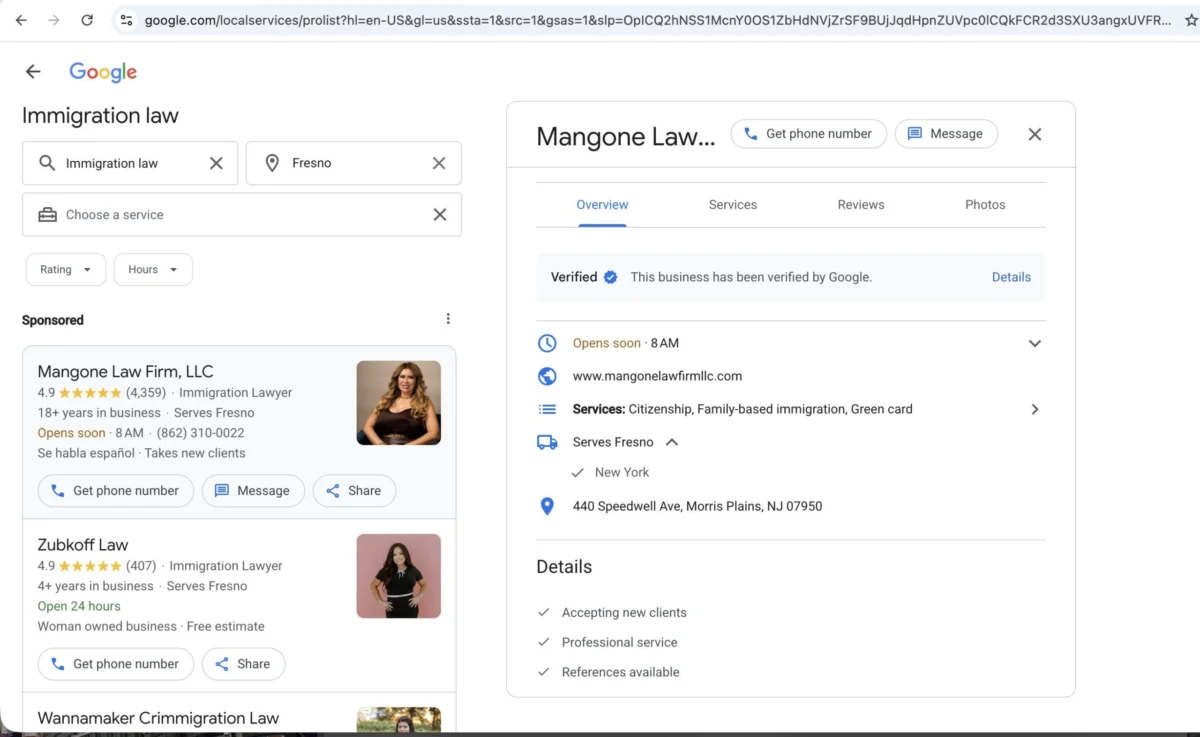
The presence of this significant bug began to surface on October 1, 2026, when digital marketing specialist Len Raleigh publicly flagged unusual activity on the X platform (formerly Twitter). Raleigh’s initial observation indicated a severe discrepancy: "Something is wrong here.. California LSAs are showing advertisers from Illinois, New Jersey, Florida and Texas." This statement immediately drew attention from other industry professionals, given the direct impact such a flaw would have on local service providers. Raleigh further substantiated his claim by sharing a screenshot illustrating LSA results in a California location that prominently featured businesses based thousands of miles away, clearly outside any reasonable service radius.
Following Raleigh’s alert, Barry Schwartz, a prominent figure in the search engine optimization (SEO) and search marketing community, further amplified the concern. Schwartz, through his own observations, confirmed similar anomalies, tweeting, "yea, I am getting NJ and Arizona listings? is this normal cc @AnthonyHigman @adsliaison." By tagging Anthony Higman, a recognized expert in Local Service Ads, Schwartz sought to draw the attention of someone with deep knowledge of the platform’s intricacies and functionality. This collaborative verification process within the digital marketing community quickly brought the issue to the forefront.
Expert Verification: Delving into the Technicality

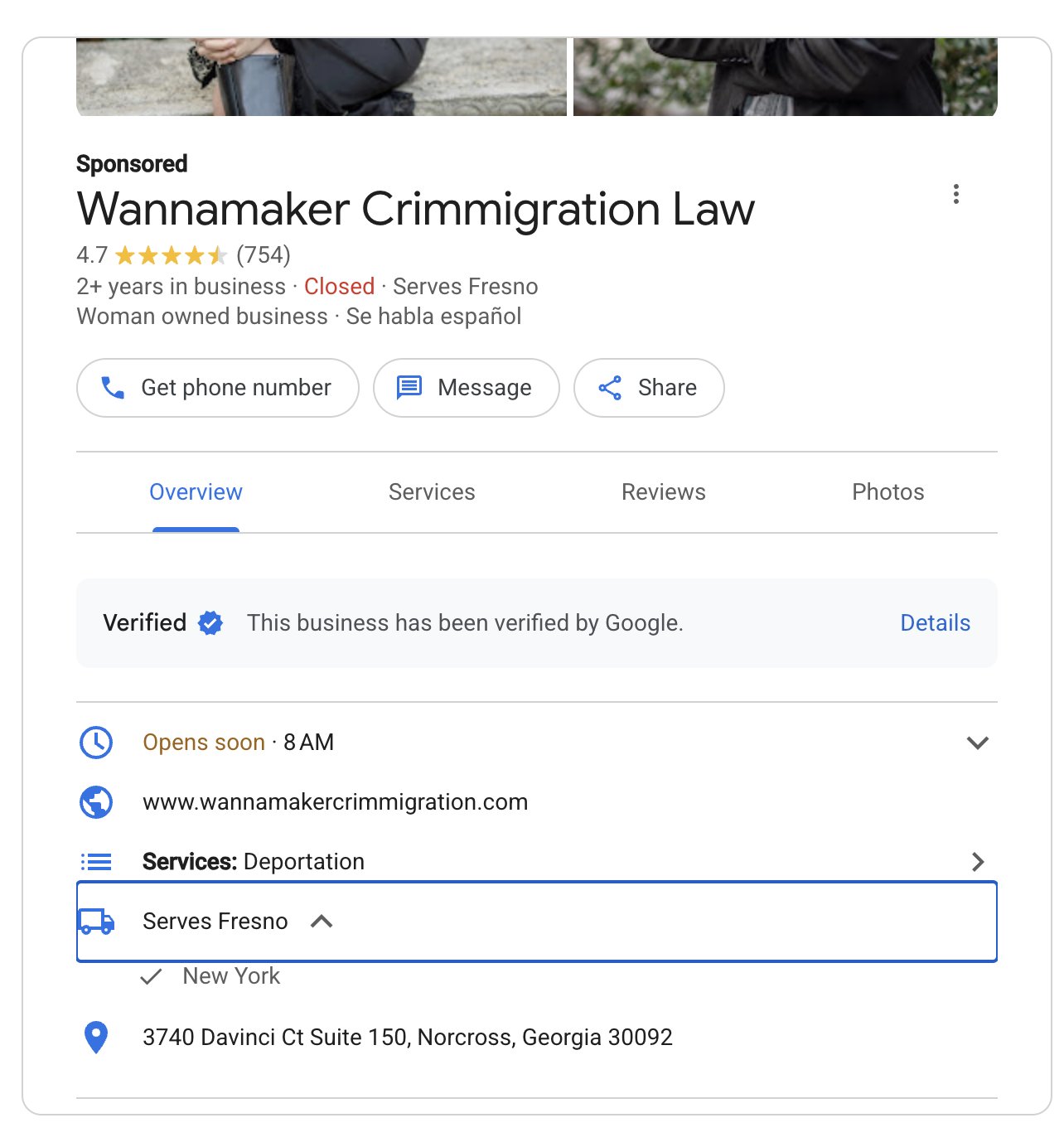
Anthony Higman, upon reviewing the evidence and conducting his own investigation, swiftly confirmed the existence of the bug. Higman meticulously explained his verification process on X, detailing how he accessed the profiles of the out-of-area businesses appearing in the LSA results. He stated, "In each profile is show you what geos they have selected. These NJ firms DO NOT have Fresno or Arizona selected. So yeah, Len is right and there is a bug here right now. These should NOT be serving in Fresno. My B! Took me a min to get this one."
Higman’s verification was crucial because it moved beyond mere observation to a factual confirmation based on the advertisers’ own settings within the LSA platform. His screenshots, shared subsequently, visually demonstrated the disparity: an LSA result page for a specific California city showing an advertiser, and then a separate screenshot of that advertiser’s LSA profile clearly indicating service areas that did not include the California city where their ad was displayed. This direct contradiction between an advertiser’s configured geo-targeting and the actual ad serving behavior unequivocally pointed to a systemic bug rather than a misunderstanding of the platform’s features or an intentional but unannounced change by Google. The expert consensus quickly solidified around the conclusion that this was a genuine technical malfunction impacting a core function of the LSA program.
The Scope of the Problem: Beyond Isolated Incidents
While the initial reports cited specific examples involving California, Illinois, New Jersey, Florida, Texas, and Arizona, the nature of such a bug suggests its potential to be widespread. If Google’s ad-serving algorithms are misinterpreting or overriding geo-targeting settings for some advertisers, it is plausible that many other businesses across various service categories and regions could be similarly affected. The implications are far-reaching.
For advertisers, particularly those operating on tight marketing budgets, this bug represents a direct threat to their ROI. LSA’s pay-per-lead model is predicated on the idea that each lead is a genuine inquiry from a potential customer within their service area. If leads are generated from outside these areas, businesses are essentially paying for inquiries they cannot service, leading to wasted ad spend. For example, a plumber in New Jersey would incur a cost for a lead originating from Fresno, California, a lead that is fundamentally useless to their business. This undermines the very financial efficiency that makes LSA attractive to local businesses. Given that many LSA users are small businesses with limited resources, even a small percentage of misdirected leads can have a significant negative impact on their bottom line and their perception of digital advertising’s value. The aggregate financial impact across thousands of LSA advertisers could amount to millions of dollars in misallocated advertising funds.
Implications for Advertisers: Wasted Spend and Diminished Trust
The most immediate and tangible consequence for advertisers is the potential for significant wasted ad spend. Businesses invest in LSA with the expectation that their ads will be shown exclusively to customers within their designated service territories. When ads appear outside these areas, any leads generated are effectively worthless to the advertiser. They still incur the cost per lead, but gain no actionable business. This can quickly deplete advertising budgets without yielding any return, leading to frustration and a loss of confidence in the platform.
Beyond financial implications, the bug erodes trust. Advertisers rely on Google’s platforms to function accurately and transparently. When a core feature like geo-targeting fails, it raises concerns about the overall reliability of Google’s advertising ecosystem. Businesses might question other aspects of their ad campaigns, or even reconsider their investment in Google’s various advertising products. For many SMBs, LSA is a critical channel for customer acquisition, and a breach of trust in its fundamental functionality can have lasting repercussions on their marketing strategies and relationship with Google. The time and effort spent by businesses in meticulously setting up their service areas are rendered futile by such a flaw, adding to their operational burden.

Impact on User Experience: Eroding Local Search Credibility
The bug also profoundly impacts the user experience. When a consumer searches for a "plumber near me" or "electrician in Fresno," they expect to see relevant local businesses. Being presented with service providers located thousands of miles away not only creates confusion but also diminishes the perceived accuracy and utility of Google’s search results. Users seeking urgent local services, such as emergency repairs, will find these irrelevant listings particularly frustrating, potentially leading them to other search engines or directories that offer more reliable local results.
This degradation of local search credibility poses a significant risk to Google. The company has invested heavily in developing sophisticated local search capabilities, aiming to be the definitive source for connecting users with local businesses. A systemic failure in LSA, which occupies a prime position in search results, directly undermines these efforts. If users consistently encounter irrelevant results, their trust in Google’s ability to provide accurate local information will erode, potentially shifting their search habits over time. This could have long-term consequences for Google’s dominance in local search.
Google’s Response (or Lack Thereof): Awaiting Official Confirmation
As of the time of reporting, Google has not officially confirmed the existence of this bug. The original article notes that "If Google replies, we will update this story," indicating a lack of immediate acknowledgment from the tech giant. This silence, while not uncommon in the initial stages of bug identification, creates uncertainty for advertisers. Typically, upon identifying such a critical flaw, Google’s Ads Liaison team or support channels would issue a statement acknowledging the issue, advising advertisers, and outlining steps being taken to resolve it.
The absence of an immediate official response leaves advertisers in limbo, unsure whether their LSA campaigns are effectively reaching their target audience or if their budgets are being misspent. It also highlights a potential communication gap between Google and its advertising community. Historically, Google has been responsive to widespread bugs and issues within its advertising platforms, often providing updates and, in some cases, offering credits for misspent funds. The advertising community will be keenly awaiting an official statement, along with a timeline for resolution and any compensatory measures Google might implement.
Broader Context: The Evolving Landscape of Local Search
This LSA bug occurs within a broader context of Google’s continuous efforts to refine and dominate local search. Over the years, Google has introduced numerous features aimed at enhancing local discovery, from Google Maps integrations to local business profiles and review systems. The Local Service Ads program was a strategic move to monetize this local search dominance while also offering a more trustworthy and efficient advertising channel for service businesses.
However, the journey has not been without challenges. The complexity of geo-targeting, coupled with the vast number of businesses and dynamic user locations, makes precise ad serving a constant technical challenge. Previous instances of geo-targeting issues, albeit often less severe, have been reported across Google’s various ad platforms. This latest bug underscores the intricate nature of these systems and the potential for even minor algorithmic missteps to have significant real-world consequences for businesses and consumers alike. It also raises questions about the robustness of Google’s quality assurance processes for its high-stakes advertising products. Could this be an unintended consequence of a recent algorithm update designed to improve relevance or expand reach? Or is it a more fundamental technical oversight? These questions remain unanswered in the absence of an official statement.
Potential Causes and Future Outlook
While the exact technical cause of the bug remains unconfirmed, several possibilities could be explored. It could stem from a recent algorithm update that inadvertently altered how geo-targeting parameters are interpreted. Alternatively, a database synchronization error, a flaw in the system that matches user queries to advertiser profiles, or even an unintended "auto-expansion" feature being tested without advertiser consent could be at play. The original article alludes to this latter possibility, asking, "Or maybe Google is just auto-expanding how these advertisers target without permission?" While unlikely for such a critical and unannounced change, it underscores the need for clarity from Google.
Moving forward, a swift and transparent resolution from Google is imperative. This would involve acknowledging the bug, identifying its root cause, implementing a fix, and communicating clearly with affected advertisers. Furthermore, Google may need to consider offering refunds or advertising credits for leads generated from outside targeted service areas to restore advertiser trust. The incident serves as a stark reminder of the critical importance of accurate geo-targeting in local advertising and the far-reaching impact of even seemingly minor technical glitches in complex digital ecosystems. The global advertising market, especially in the local service sector, relies heavily on the precision and reliability of platforms like Google Local Service Ads, making a prompt and effective resolution to this bug a top priority for maintaining confidence across the industry.
Conclusion
The reported bug within Google Local Service Ads, causing ads to display in non-targeted locations, represents a significant operational challenge for Google and a considerable concern for local businesses. With expert verification confirming the flaw, the implications for wasted ad spend, diminished advertiser trust, and a degraded user experience are substantial. As the digital advertising community awaits an official response from Google, the incident highlights the delicate balance between advanced algorithmic targeting and the fundamental need for accuracy and transparency in advertising platforms. A swift and comprehensive resolution will be critical for Google to uphold the integrity of its Local Service Ads program and reinforce its position as a trusted partner for local businesses and consumers alike.