Google is significantly expanding the presence of its AI Overviews (AIOs) within search results, now including a substantial number of queries for prominent brand names. This marks a notable shift in Google’s strategy regarding its generative AI features, as initial rollouts were often more cautious, especially concerning high-intent branded searches. Recent observations indicate that AI Overviews are appearing for nearly every large brand name tested, with two notable exceptions: Google’s own brand name and news publications.
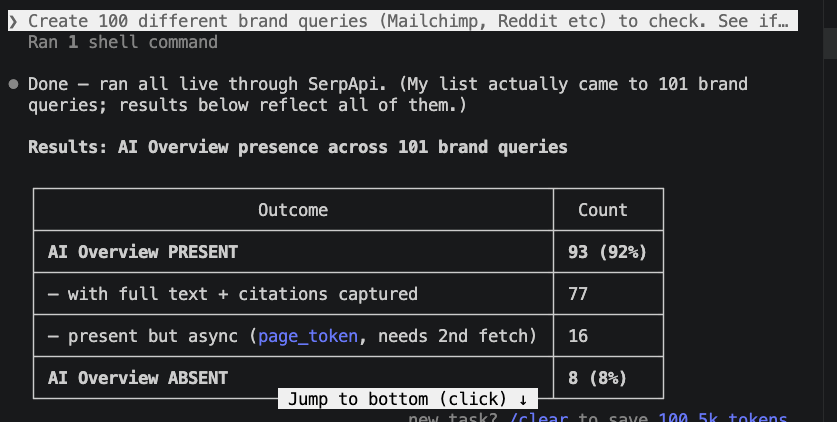
The widespread re-emergence and expansion of AI Overviews for branded queries were first brought to light by Chris Long, who shared his findings on X (formerly Twitter). Long reported, "Google is starting to show AI Overviews for a ton of branded queries. Reddit, Salesforce, Amazon, Adobe + many more. 93% of the brands I tested have AI Overviews appearing." This statistic, derived from an analysis of approximately 100 brands, suggests a deliberate and broad-reaching implementation by Google. While the sample size is limited, subsequent independent verifications have largely corroborated Long’s findings, confirming the trend across numerous major corporations and entities.
The Evolution of AI Overviews in Google Search

The integration of generative artificial intelligence into Google Search has been a cornerstone of the company’s strategic vision for the past year. Introduced initially as the "Search Generative Experience" (SGE) in May 2023, Google’s aim was to transform the traditional search engine into a more conversational and comprehensive information retrieval system. SGE, later rebranded to AI Overviews, was designed to provide concise, AI-generated summaries at the top of search results pages, answering complex queries directly without requiring users to navigate multiple websites.
Initially, Google adopted a measured approach to deploying these AI-powered summaries. Concerns around accuracy, potential for misinformation, and the impact on website traffic led to a phased rollout, often prioritizing informational queries over commercial or navigational ones. Branded queries, which typically involve users seeking a specific company’s official website or information, were among the categories where AI Overviews appeared less frequently or with greater caution. Chris Long himself noted a similar phenomenon in July 2023, observing that AIOs were appearing for some branded queries even then, albeit not with the current pervasive frequency. The current expansion, therefore, represents a significant acceleration in Google’s confidence and deployment strategy for AI Overviews.
Placement and User Experience Implications
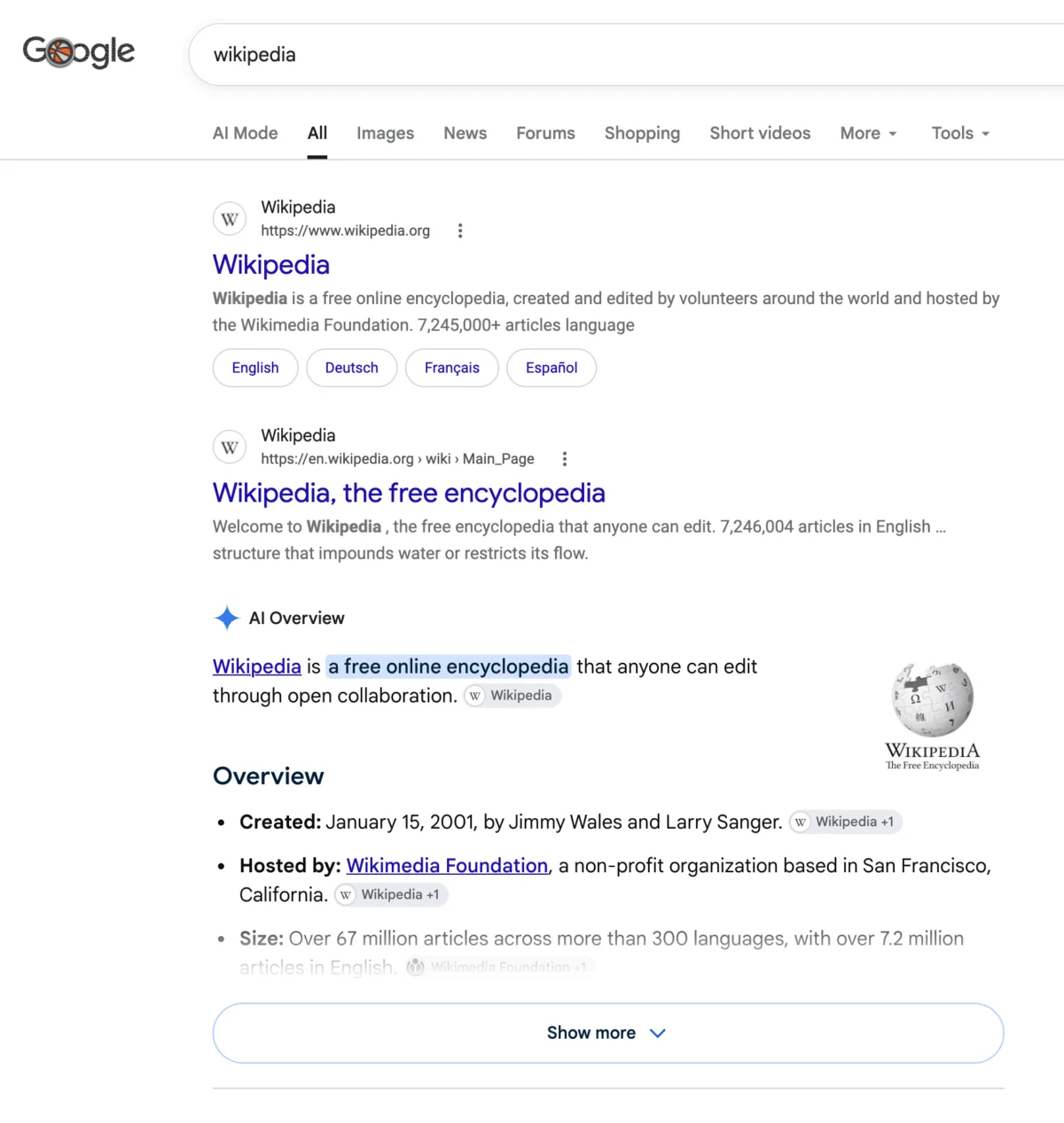
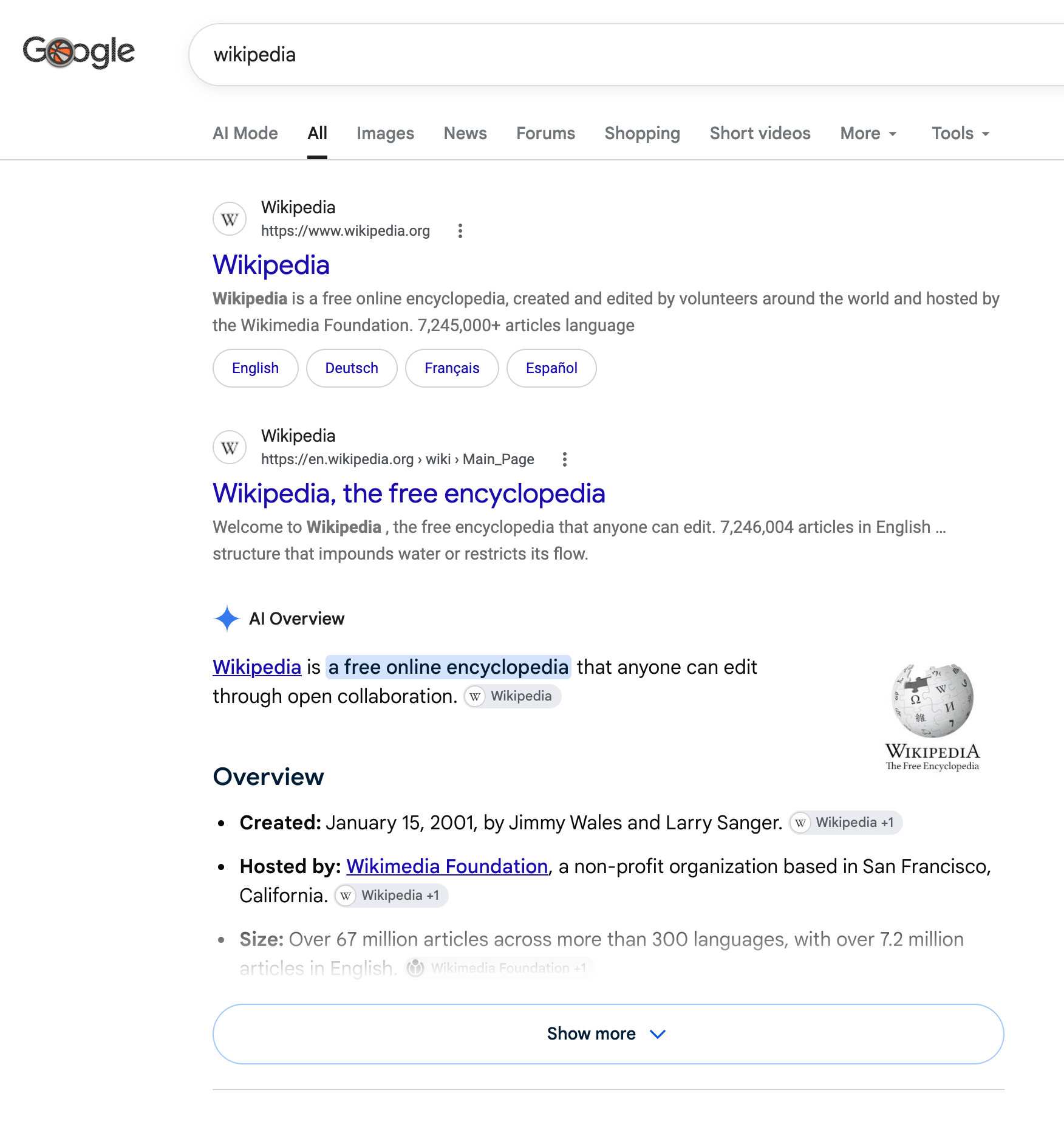
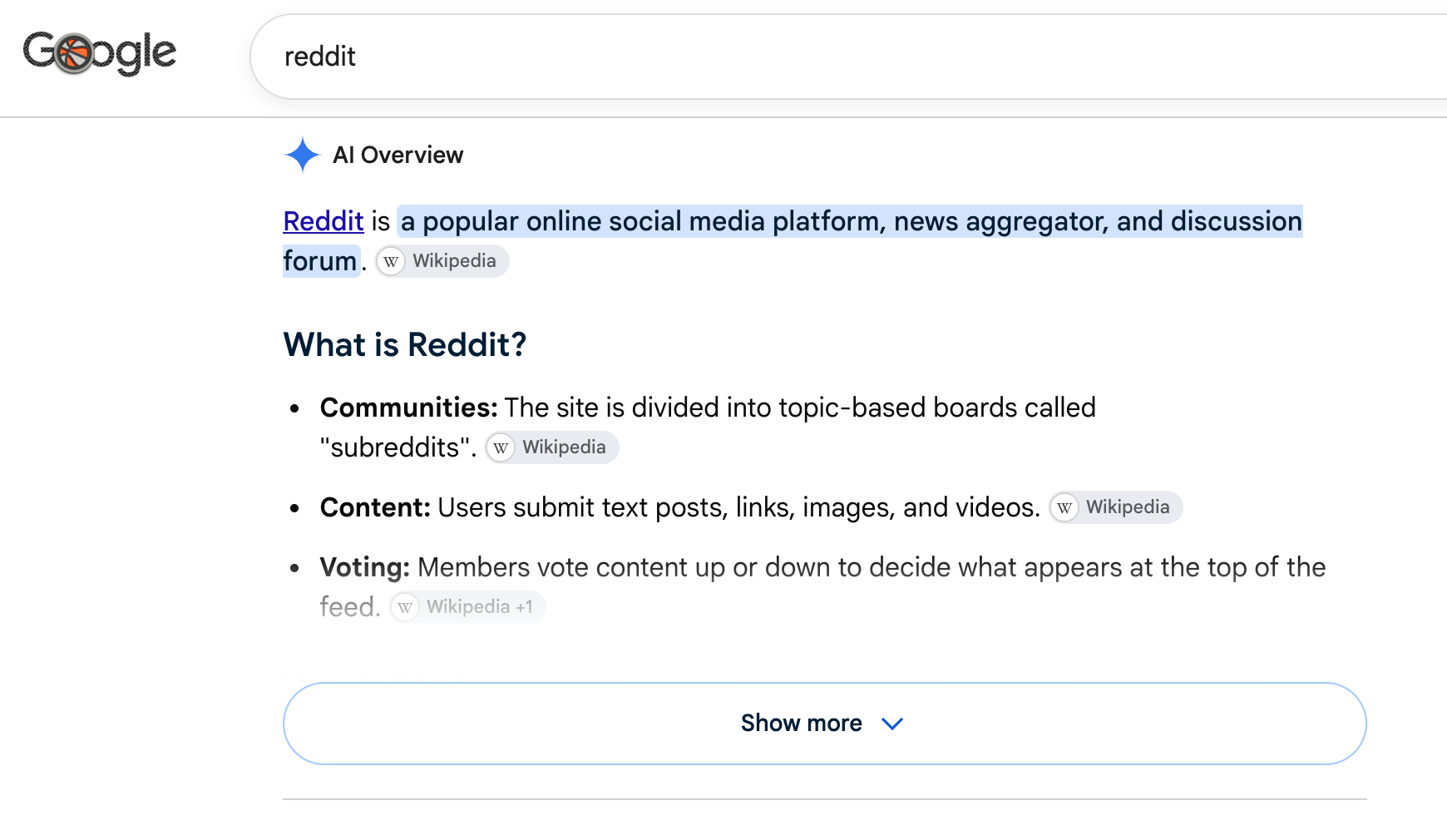
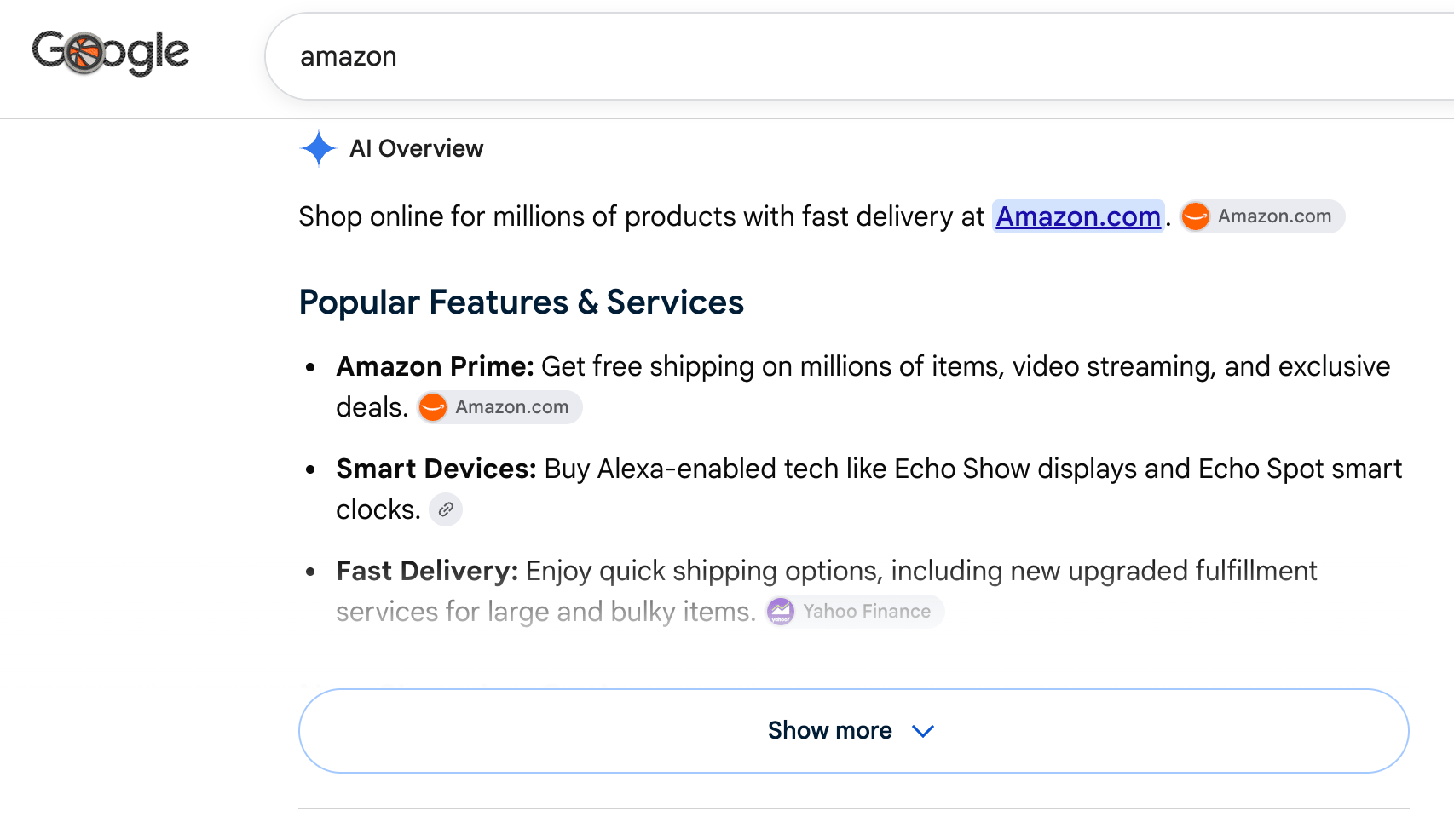
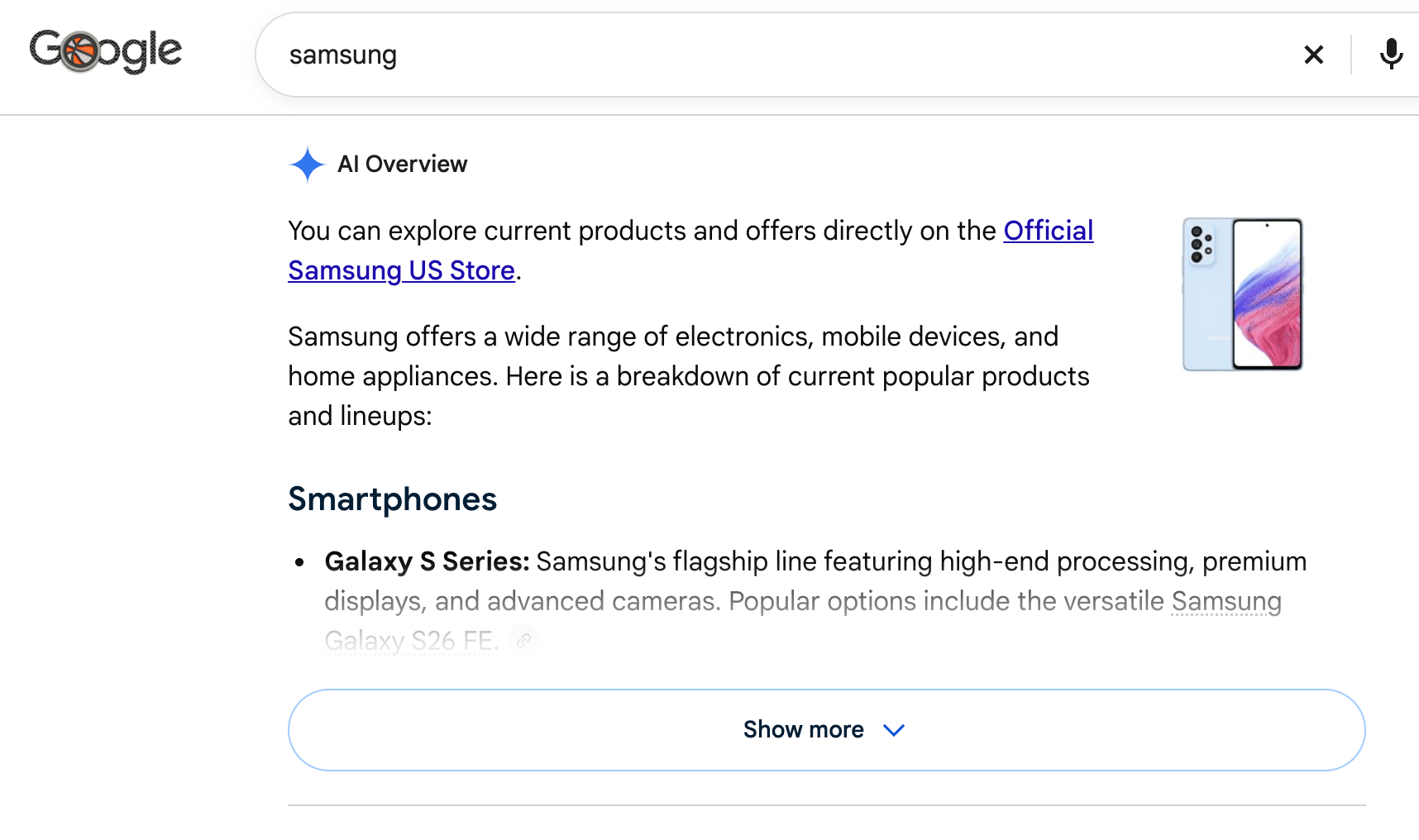
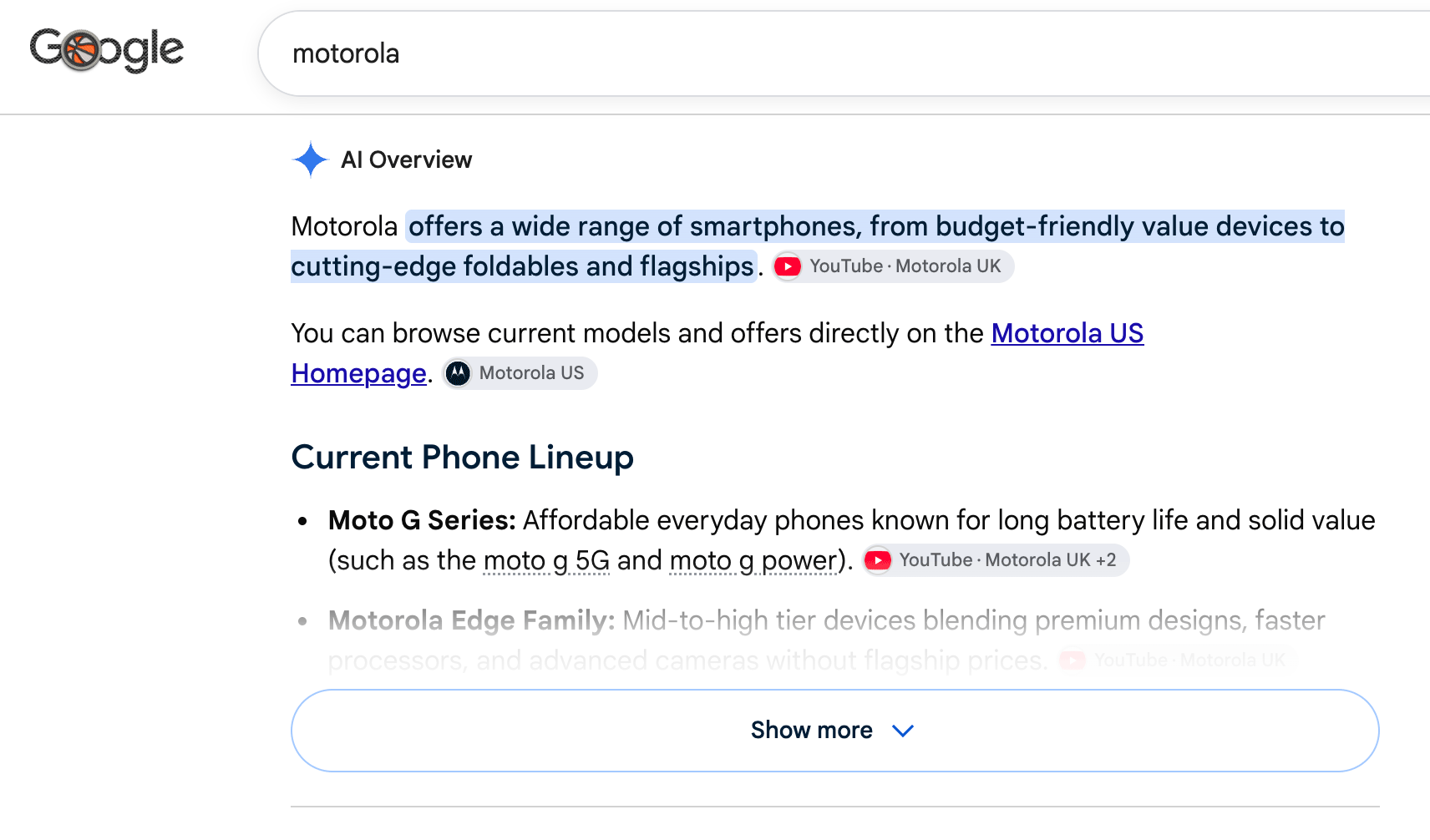
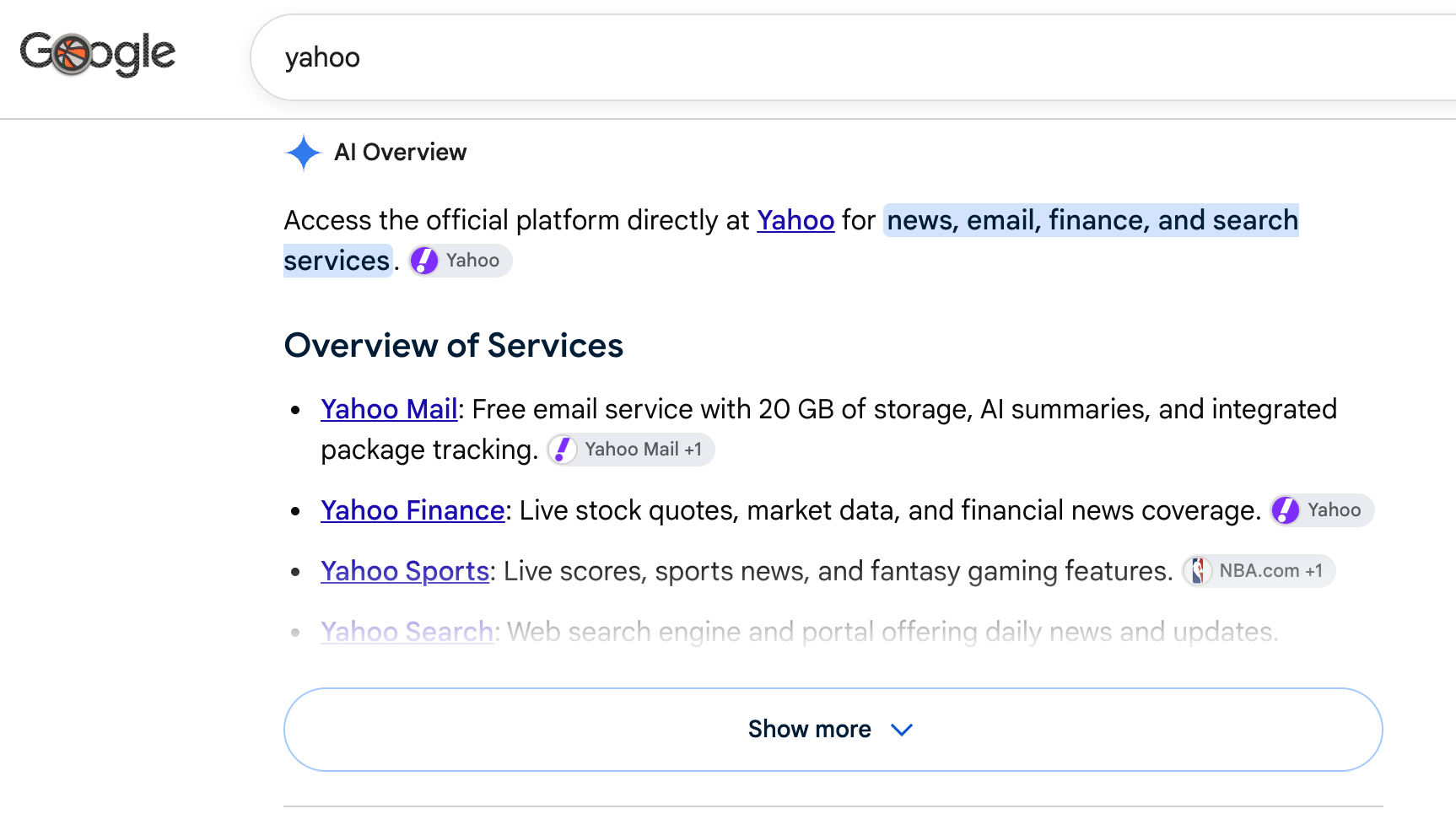
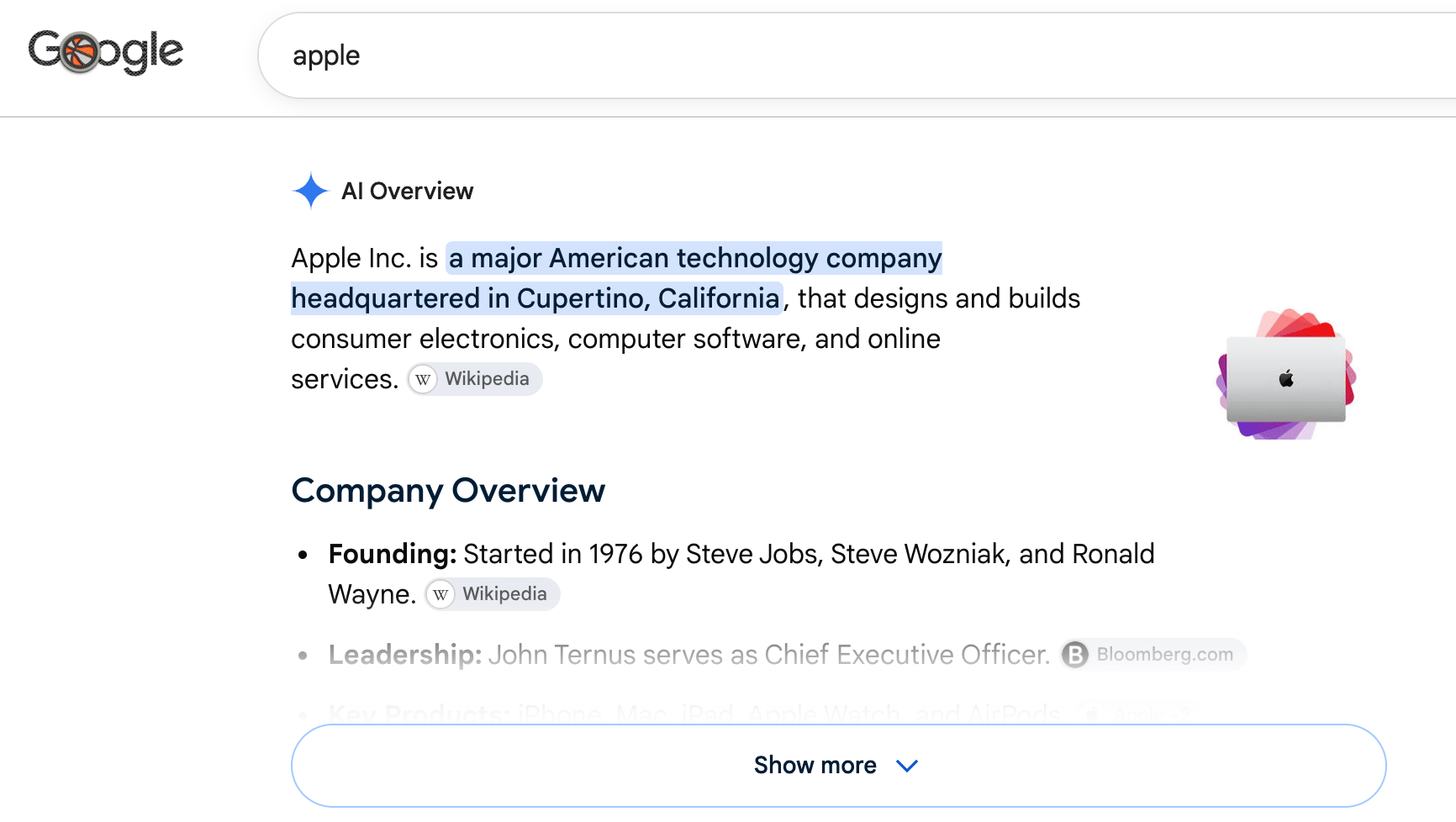
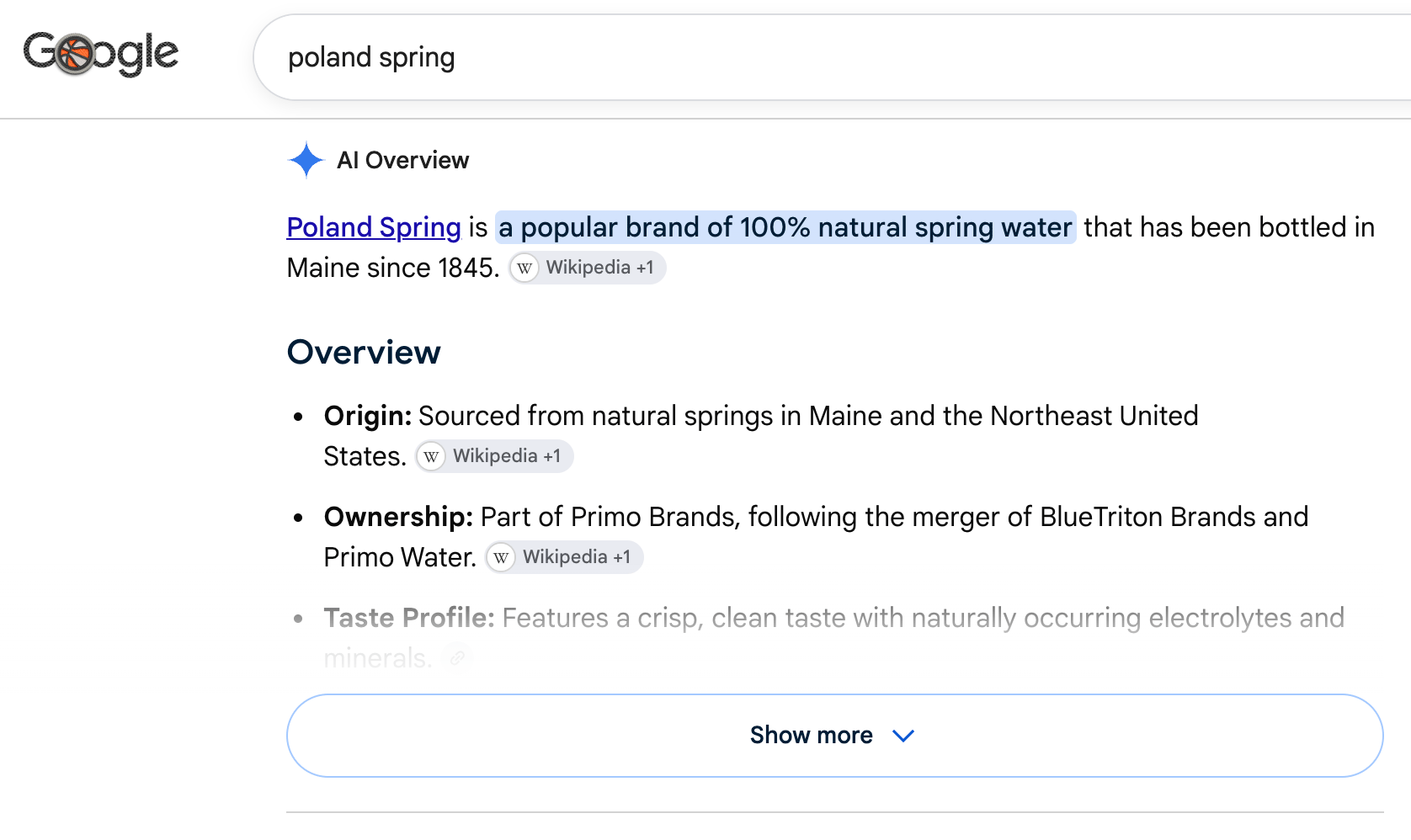
A key aspect of this recent development is the placement of these AI Overviews within the search results page. For most branded queries, the AI Overview appears lower down the page, typically below the primary organic listing for the brand’s official website. For instance, searches for "Wikipedia," "Reddit," "Amazon," "Samsung," "Motorola," "Yahoo," "Apple," and "Poland Spring" all yielded AI Overviews that required scrolling to view, positioning them mid-page or even further down.
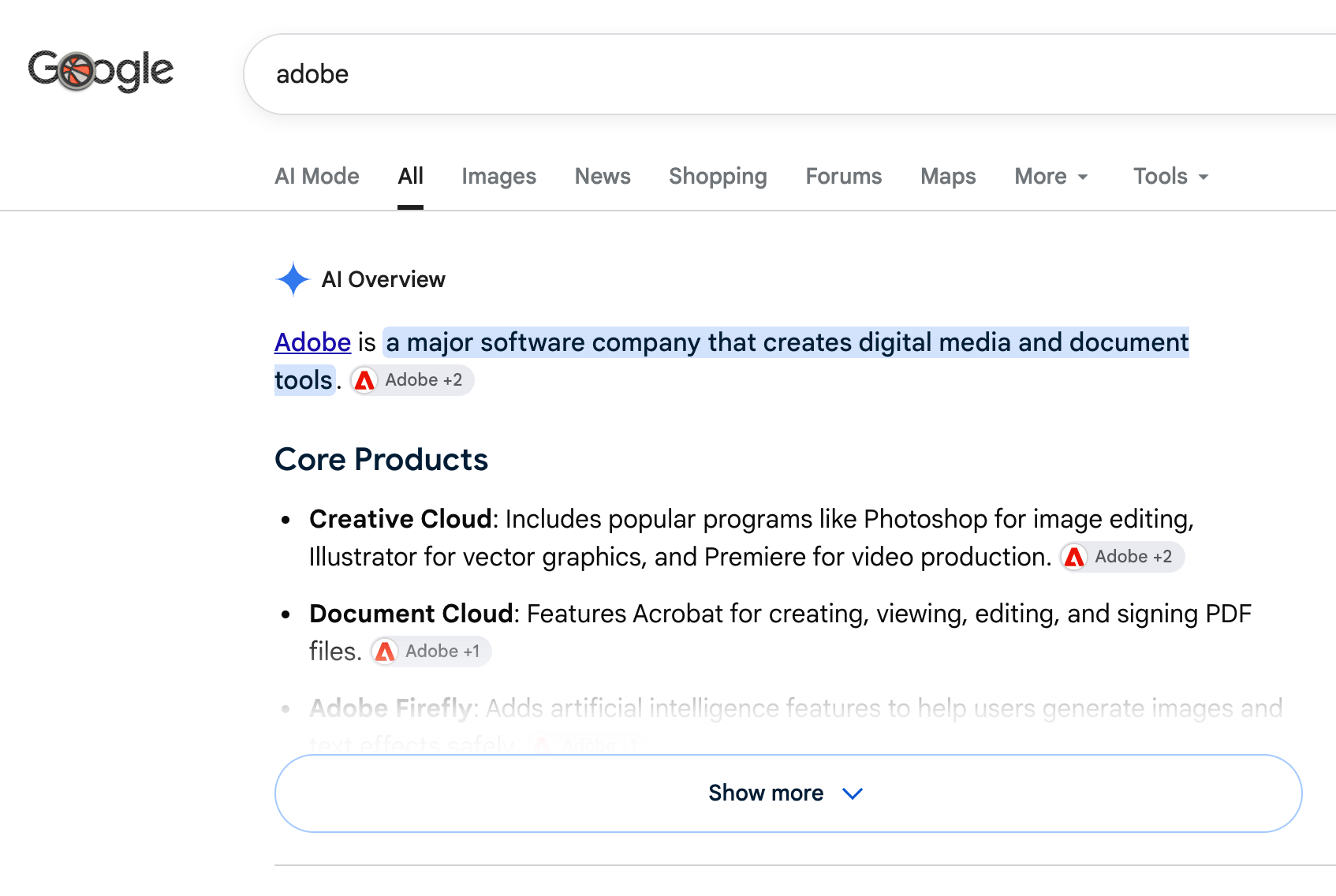
This strategic placement contrasts with the more prominent, top-of-page positioning often seen for AI Overviews answering general informational queries. One notable exception highlighted in the reports is Adobe, where its AI Overview did appear at the very top of the Google search results page for its brand name. This variation suggests that Google might be experimenting with different placements based on brand authority, query intent, or other undisclosed ranking factors.
The mid-page placement could be interpreted as a compromise. While Google aims to provide comprehensive AI-generated summaries, placing them below the main company listing acknowledges the strong navigational intent associated with branded queries. Users searching for "Amazon" are overwhelmingly looking to go to Amazon.com. By keeping the official site as the top result, Google ensures direct access, minimizing potential disruption to direct traffic to the brand’s primary digital asset. However, even a mid-page AI Overview still represents an additional informational layer that could influence user behavior, potentially satisfying a user’s need for quick facts without a click-through to the official site.
The Strategic Rationale Behind Branded AI Overviews
Google’s decision to broaden AI Overviews to branded queries likely stems from several strategic considerations:
- Enhancing User Convenience: For many users, a quick summary of a brand, its products, or services can be highly beneficial, especially if they are seeking general information rather than direct navigation. An AI Overview can provide this at a glance, improving the overall efficiency of the search experience.
- Demonstrating AI Capabilities: Integrating AI Overviews into more diverse search scenarios showcases Google’s advanced generative AI capabilities across a broader spectrum of queries, reinforcing its position as an AI leader.
- Maintaining Search Relevance: As users increasingly expect direct answers and summaries, Google must adapt to remain the primary gateway to information, especially as competing AI models and conversational interfaces emerge.
- Leveraging Authoritative Sources: Branded queries often lead to highly authoritative and well-structured information directly from the brand’s official website. This structured data makes it easier for AI models to generate accurate and relevant summaries, potentially reducing the risk of "hallucinations" or factual errors that have plagued AI Overviews in less structured information environments.
Chronology of Google’s AI Search Integration
- February 2023: Google announces its Bard AI chatbot, signaling a renewed focus on generative AI in response to OpenAI’s ChatGPT.
- May 2023: At Google I/O, the company unveils the "Search Generative Experience" (SGE), integrating AI-powered summaries directly into search results. Initial rollout is limited to a waitlist in the U.S.
- July 2023: Early observations by SEO professionals like Chris Long indicate SGE (then AI Overviews) beginning to appear for some branded and navigational queries, hinting at broader future expansion.
- August 2023: SGE begins rolling out to more users and in more countries, including India and Japan, expanding its reach beyond the initial waitlist.
- October 2023: Google announces further enhancements to SGE, including improved local search integration and shopping features.
- November 2023: Google rebrands SGE to "AI Overviews," solidifying the name for its AI-powered search summaries. The feature becomes more widely available.
- Early 2024: AI Overviews continue to expand to more query types and regions, with Google actively collecting user feedback and refining the model.
- June 2024: Chris Long’s report and subsequent confirmations highlight the significant increase in AI Overviews for large brand names, indicating a major expansion into a previously more protected category of search queries. This signifies a more mature phase of AIO deployment, where Google feels confident in providing AI summaries for established entities.
Implications for Brands, SEO Professionals, and Users
The return and widespread presence of AI Overviews for branded queries carry significant implications across the digital ecosystem.
For Brands:
- Brand Messaging Control: Brands will need to closely monitor how their information is summarized by AI Overviews. While Google’s AI typically draws from authoritative sources, including the brand’s official website, there’s a potential for misinterpretation or an incomplete representation of their messaging. Ensuring clear, concise, and structured information on official sites becomes even more critical for accurate AIO generation.
- Traffic Diversion: Even with mid-page placement, an AI Overview that sufficiently answers a user’s query could reduce direct click-throughs to the brand’s website. Brands must assess the balance between providing instant information via AIOs and driving traffic to their owned media properties for deeper engagement, conversions, or advertising revenue.
- Reputation Management: The content appearing in an AI Overview can quickly shape user perception. Brands must maintain impeccable online reputations and authoritative digital footprints to ensure positive and accurate AI summaries.
- New Optimization Frontier: While traditional SEO remains vital, brands may need to consider "AIO optimization," ensuring their content is easily digestible and interpretable by AI models to generate favorable summaries. This might involve structured data, clear headings, and concise descriptions of products and services.
For SEO Professionals and Digital Marketers:
- Evolving SERP Landscape: The Search Engine Results Page (SERP) is becoming increasingly dynamic and complex. SEOs must constantly monitor changes in AIO appearance, placement, and content for their target keywords, especially branded ones.
- Analytics and Attribution: Tracking traffic sources and user behavior will require new levels of granularity. Understanding whether a user engaged with an AIO before clicking (or not clicking) on an organic result will be crucial for accurate performance measurement.
- Content Strategy Adaptation: Content creation may need to shift further towards providing clear, direct answers that AI models can easily synthesize. This includes optimizing for "answer boxes" or "featured snippets" which often inform AI Overviews.
- Client Education: Marketers will play a critical role in educating clients about the nuances of AI Overviews, managing expectations regarding traffic, and adapting strategies to the new search environment.
For Users:
- Enhanced Convenience: For many, AI Overviews will offer a faster way to get quick facts about a brand, its history, or its core offerings without needing to click through to a website.
- Information Accessibility: The ability to get concise summaries directly in search results can improve the accessibility of information, especially for mobile users or those seeking quick answers.
- Trust and Accuracy: Users will continue to develop their trust in AI Overviews. The accuracy and neutrality of these summaries, particularly for commercial entities, will be paramount in shaping user adoption and reliance.
The Exceptions: Google’s Name and News Publications
The continued exclusion of Google’s own brand name and news publications from AI Overviews (at least for now) offers insights into Google’s cautious approach in specific, sensitive areas.
- Google’s Own Brand: It is highly probable that Google internally manages how its own brand information is displayed in search results. Direct control over its primary search result, without an intervening AI summary, allows Google to maintain a consistent corporate message and user experience for its most critical query.
- News Publications: The exemption of news publications is particularly significant. News content is highly dynamic, often time-sensitive, and carries immense importance regarding factual accuracy and journalistic integrity. Generating AI Overviews for news could:
- Risk Misinformation: AI models, while powerful, can sometimes misinterpret context or generate summaries that lack the full nuance of a news report, potentially leading to the spread of inaccurate information.
- Impact Publisher Revenue: News publishers heavily rely on direct website traffic for advertising revenue. Diverting users to an AI summary rather than the original article could significantly harm their business model, a concern Google has historically tried to address through initiatives like Google News Showcase.
- Ethical Considerations: Summarizing news requires careful consideration of bias, source attribution, and the potential to inadvertently promote certain narratives over others. Google likely wants to avoid these complexities for critical news content.
This exception suggests that Google is acutely aware of the ethical and economic implications of its AI technology, particularly in sectors where direct engagement with original content is vital for industry sustainability and public trust.
The Road Ahead
The expansion of Google AI Overviews to large brand names underscores a persistent theme in the evolution of search: continuous adaptation. As generative AI becomes more sophisticated, its integration into core services like search will only deepen. For businesses and digital strategists, this means a perpetual need to understand, monitor, and adapt to Google’s evolving algorithms and features. The current trend suggests that AI Overviews are not a temporary experiment but a fundamental component of the future search experience, requiring all stakeholders to re-evaluate their digital strategies to thrive in an AI-first world. The ongoing dialogue between Google’s AI capabilities, brand messaging, and user expectations will continue to shape the digital landscape for years to come.