rifanmuazin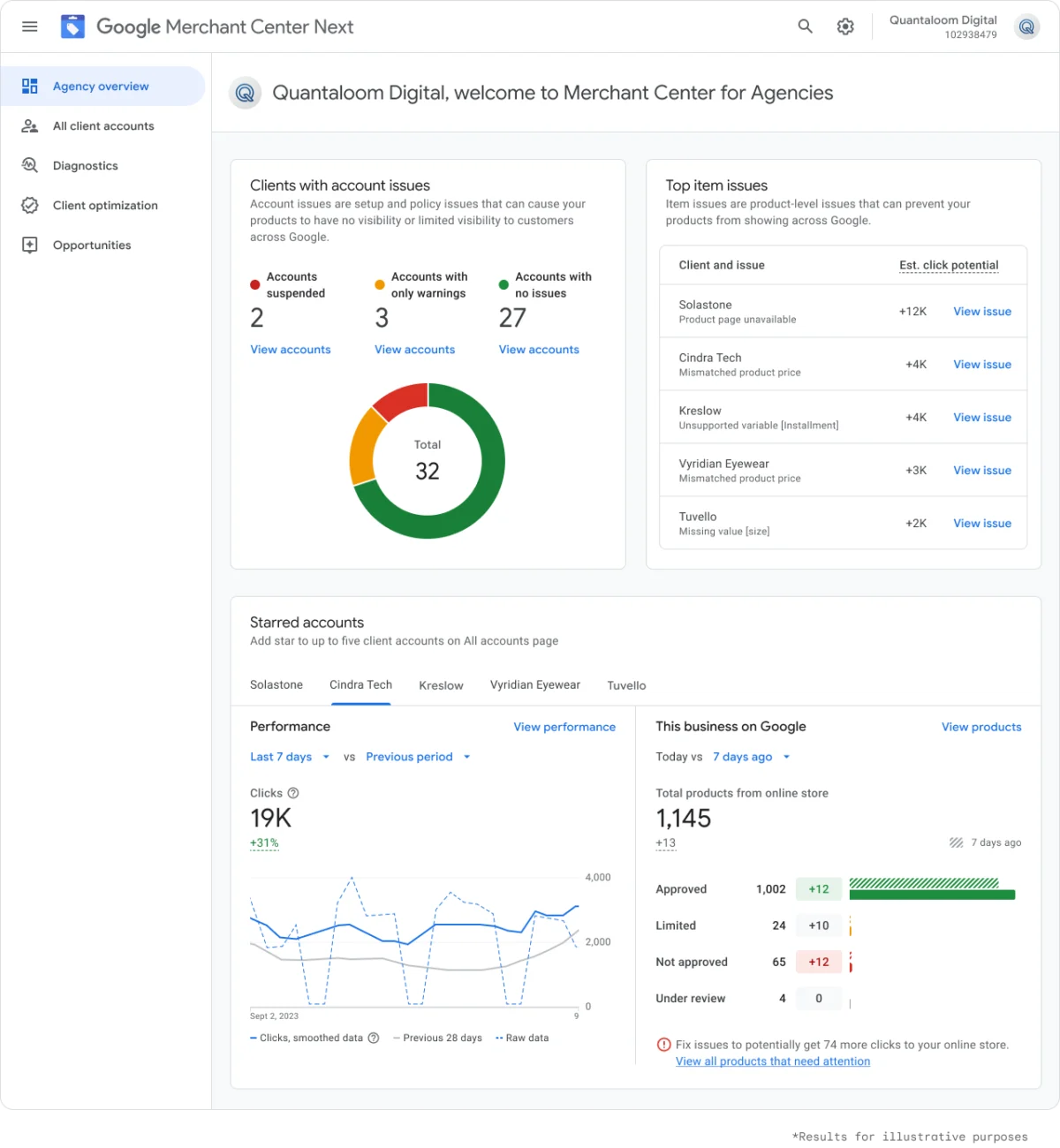
The digital advertising landscape witnessed a significant development with Google’s announcement that Google Merchant Center for Agencies (GMC-A) is now accessible to users worldwide. This global rollout marks the culmination of a phased deployment strategy, designed to streamline operations for digital marketing agencies managing multiple client accounts within the Google Shopping ecosystem. The introduction of GMC-A addresses a long-standing need within the agency community for a more centralized, efficient, and robust platform to manage product data and optimize shopping campaigns across diverse client portfolios.
The Genesis and Phased Rollout of GMC for Agencies
The journey towards a globally available agency solution for Google Merchant Center began with strategic beta testing, signaling Google’s commitment to enhancing the user experience for its agency partners. Initial trials for the platform commenced in October 2023, allowing a select group of agencies to provide critical feedback and contribute to the refinement of its features and functionalities. This beta phase was crucial in identifying key pain points and developing a tool that genuinely meets the complex demands of agency workflows.
Following a successful beta period, Google initiated a more extensive rollout, making Google Merchant Center for Agencies available specifically in the United States and Canada. This regional launch occurred approximately two months prior to the global expansion, serving as an intermediate step to validate the platform’s stability and scalability in a major market. The positive reception and operational efficiency observed during this initial North American deployment paved the way for the subsequent worldwide release, ensuring that agencies across continents can now leverage the centralized management capabilities offered by GMC-A. This structured, incremental approach underscores Google’s meticulous methodology in deploying significant platform updates, prioritizing user experience and system reliability.
Understanding Google Merchant Center for Agencies: A Centralized Hub
At its core, Google Merchant Center for Agencies is engineered to serve as a singular, unified interface for entities responsible for overseeing numerous Google Merchant Center (GMC) accounts. Before its advent, agencies often navigated a fragmented environment, requiring them to individually log into or switch between multiple client GMC accounts, a process fraught with inefficiencies and potential for errors. This traditional approach consumed valuable time, particularly for agencies managing dozens or even hundreds of e-commerce clients, each with their own unique product catalogs and performance metrics.
The new agency hub fundamentally transforms this operational paradigm. It aggregates control and oversight into a single dashboard, providing a comprehensive view of all linked client accounts. This centralization is not merely about convenience; it is about enhancing strategic oversight and operational agility. Agencies can now monitor the health, status, and performance of various product feeds from a consolidated vantage point. This includes crucial metrics such as product approval status, data quality warnings, and overall account health, all of which directly impact the visibility and effectiveness of shopping ads on Google. The platform is also specifically designed with team collaboration in mind, incorporating features that facilitate shared access, role-based permissions, and streamlined workflows for multiple users within an agency. This multi-user functionality is critical for larger agencies where different teams or individuals may be responsible for specific clients or aspects of product data management.
Key Features and Enhanced Capabilities
While the initial announcement from Google Ads Liaison Ginny Marvin did not detail an exhaustive list of features, the inherent design of a "centralized hub" for agency management strongly implies a robust suite of capabilities aimed at optimizing product data and campaign performance. Based on industry needs and similar platforms, key features of Google Merchant Center for Agencies are expected to include:
- Unified Account Dashboard: A single pane of glass offering an overview of all managed GMC accounts, their status, critical alerts, and aggregated performance metrics. This allows for quick identification of issues across client portfolios.
- Streamlined Account Linking and Management: Simplified processes for linking new client GMC accounts to the agency hub and managing existing connections, reducing administrative overhead.
- Proactive Product Data Health Monitoring: Tools and dashboards that provide real-time insights into the quality and compliance of product data feeds. This includes alerts for disapprovals, missing attributes, or policy violations, enabling agencies to address issues swiftly before they impact campaign performance.
- Bulk Management Capabilities: The ability to apply changes or manage settings across multiple client accounts simultaneously, significantly enhancing efficiency for tasks such as feed updates, shipping settings, or tax configurations.
- Team Collaboration and User Permissions: Features that allow agencies to assign different roles and access levels to team members, ensuring data security and controlled access while fostering collaborative work environments. For instance, a junior team member might have view-only access, while a senior manager can make critical changes.
- Performance Reporting and Insights: Consolidated reporting that allows agencies to track the performance of product feeds and shopping ads across clients, providing data-driven insights for optimization strategies. This could include feed-specific performance metrics that are typically harder to track at scale without such a hub.
- Issue Resolution Workflows: Integrated tools or clear pathways to diagnose and resolve common product data issues, potentially with direct links to Google support resources or troubleshooting guides tailored for agencies.
- Policy Compliance Oversight: Enhanced visibility into policy violations and guidelines, helping agencies ensure that all client product listings adhere to Google’s strict advertising policies, thereby reducing the risk of account suspensions or ad disapprovals.
These features collectively empower agencies to move beyond reactive problem-solving to a more proactive and strategic approach to product data management, ultimately driving better results for their e-commerce clients.
The Strategic Rationale: Why Now?
The global rollout of Google Merchant Center for Agencies is not merely an incremental product update; it represents a strategic imperative driven by the evolving dynamics of the digital commerce landscape. The past decade has witnessed an unprecedented surge in e-commerce, accelerated further by global events. This growth has amplified the importance of high-quality product data, which serves as the foundation for successful online shopping experiences.
As Ginny Marvin, the Google Ads Liaison, articulated on X, "As product data powers more shopping experiences across Google, agencies now have a more proactive and efficient way to manage merchant health and ensure product data remains optimized for performance." This statement encapsulates the core motivation behind GMC-A. Product data is no longer just a technical requirement; it is a critical competitive differentiator. Accurate, comprehensive, and well-structured product information is essential for appearing in relevant search results, personalized recommendations, and various shopping formats across Google Search, Images, YouTube, and Google Shopping itself.
Agencies, as key intermediaries between merchants and Google’s advertising platforms, face immense pressure to deliver consistent performance and manage complex data feeds for a diverse clientele. The previous siloed approach often led to operational bottlenecks, increased overheads, and a higher risk of data discrepancies or policy violations. By providing a centralized management system, Google empowers agencies to scale their operations more effectively, improve service quality, and ultimately drive greater advertising spend on its platforms by making it easier for merchants to succeed.

Furthermore, this move aligns with Google’s broader strategy to enhance its position in the competitive e-commerce advertising market, which includes formidable players like Amazon. By simplifying the management of Google Shopping campaigns for agencies, Google makes its platform more attractive and accessible, encouraging more merchants to invest in Google Ads for product promotion. It also reinforces the value proposition of agencies as strategic partners who can navigate the complexities of online retail and maximize ROI for businesses.
Implications for Digital Marketing Agencies
The global availability of Google Merchant Center for Agencies carries profound implications for digital marketing agencies worldwide. For agencies, this tool is poised to:
- Enhance Operational Efficiency: By consolidating management tasks, agencies can significantly reduce the time spent on administrative duties, allowing their teams to focus more on strategic planning, optimization, and client communication.
- Improve Client Service and Retention: Proactive monitoring of product data health and quick resolution of issues translate into more consistent ad performance for clients. This improved reliability and demonstrable value can strengthen client relationships and foster higher retention rates.
- Facilitate Scalability: Agencies can now onboard new e-commerce clients more quickly and manage a larger portfolio without a proportional increase in operational complexity. This scalability is crucial for business growth in a competitive market.
- Standardize Best Practices: The centralized platform encourages the adoption of consistent best practices across all client accounts, ensuring high-quality data feeds and compliance with Google’s guidelines, which ultimately benefits all merchants.
- Empower Data-Driven Decisions: With aggregated views and streamlined reporting, agencies gain deeper insights into overall client performance, enabling more informed and strategic decisions regarding product data optimization and campaign adjustments.
- Mitigate Risk: Centralized monitoring allows agencies to quickly identify and address potential issues such as product disapprovals or policy violations across their client base, minimizing downtime and loss of ad visibility.
In essence, GMC-A transforms agencies from reactive problem-solvers into proactive performance drivers, solidifying their role as indispensable partners for e-commerce businesses navigating the Google ecosystem.
Impact on Merchants and the Broader E-commerce Landscape
While Google Merchant Center for Agencies directly targets agencies, its ultimate beneficiaries are the merchants whose product data and shopping campaigns are managed through the platform. The implications for merchants are equally significant:
- Improved Ad Performance: With agencies more efficiently managing product data, merchants can expect higher data quality, fewer disapprovals, and better-optimized feeds, leading to improved ad visibility, click-through rates, and conversion rates.
- Reduced Risk of Disruptions: Proactive issue resolution by agencies means less downtime for shopping ads due to data errors or policy violations, ensuring continuous product visibility.
- Access to Expert Management: Small to medium-sized businesses (SMBs), in particular, often lack the in-house expertise or resources to manage complex product feeds. Agencies leveraging GMC-A can offer more sophisticated and efficient services, making advanced e-commerce strategies accessible to a broader range of merchants.
- Greater Transparency and Accountability: A streamlined agency workflow can lead to clearer reporting and greater transparency regarding product data health and campaign performance for merchants.
On a broader scale, this development contributes to a healthier and more efficient e-commerce ecosystem. By improving the quality of product data across Google’s shopping experiences, it benefits consumers with more accurate and relevant product listings, enhancing their online shopping journey. This, in turn, fosters greater trust in Google’s shopping platforms and encourages further e-commerce activity.
Google’s Broader Ecosystem Strategy and Future Outlook
The global launch of Google Merchant Center for Agencies fits seamlessly into Google’s overarching strategy to strengthen its advertising ecosystem and enhance its position in the rapidly evolving e-commerce sector. Google has been consistently investing in its shopping capabilities, integrating product discovery into various touchpoints across its services. This includes advancements in AI-powered shopping experiences, personalized recommendations, and immersive visual search functionalities.
By empowering agencies with a more robust toolset for product data management, Google is effectively ensuring that the foundational element for these advanced shopping experiences—high-quality product data—is consistently maintained. This move is a testament to Google’s recognition of the critical role agencies play in scaling its advertising products and driving merchant success. It also suggests a continued focus on developing specialized tools for different user segments (advertisers, agencies, publishers) to optimize their interactions with Google’s platforms.
Looking ahead, the success of GMC-A will likely lead to further enhancements, potentially including more advanced analytics, deeper integration with Google Ads campaign management, and possibly AI-driven recommendations for feed optimization. The digital advertising landscape is characterized by continuous innovation, and tools like GMC-A are vital in keeping pace with the demands of an increasingly complex and competitive market. While initial adoption may present a learning curve for some agencies, the long-term benefits in terms of efficiency, scalability, and performance are expected to drive widespread utilization.
Conclusion
The global availability of Google Merchant Center for Agencies marks a pivotal moment for digital marketing agencies and the broader e-commerce community. By providing a centralized, efficient, and collaborative platform for managing multiple client GMC accounts, Google has addressed a critical need, enabling agencies to streamline operations, enhance service quality, and drive superior performance for their merchant clients. This strategic rollout underscores Google’s commitment to supporting its agency partners and strengthening the foundations of its expanding shopping ecosystem. As product data continues to be the lifeblood of online retail, GMC-A stands as a crucial tool, empowering agencies to navigate the complexities of digital commerce with greater agility and effectiveness, ultimately contributing to a more robust and dynamic global e-commerce environment. Agencies and merchants alike are encouraged to explore the capabilities of this new platform to unlock its full potential for optimizing online shopping experiences.