In an increasingly interconnected world, where digital presence dictates business success, Search Engine Optimization (SEO) has emerged as a cornerstone strategy for attracting and engaging online audiences. Far from a mere technical jargon, SEO is a sophisticated discipline that blends art and science, dedicated to enhancing a website’s visibility within search engine results pages (SERPs) and other discovery platforms. This fundamental practice is critical for any entity, from small local businesses to multinational corporations, aiming to reach potential customers who are actively searching for their products, services, or information.
Defining SEO in the Modern Digital Landscape
SEO, or Search Engine Optimization, is the continuous process of improving a website and its content to be discovered, understood, and trusted by search engines and, by extension, by human users. While historically focused on traditional search engines like Google and Bing, the scope of SEO has broadened significantly. Today, it encompasses optimization for AI-powered search experiences, chatbots, voice assistants, social media platforms, and other emerging digital discovery channels. The essence of SEO lies in making a website as relevant and authoritative as possible for specific search queries, thereby driving organic (unpaid) traffic.
Alex Moss, a Principal SEO expert, encapsulates this evolving definition: "SEO is both the art and science of improving a website, and pages within, to be as visible as possible for when people search for a relevant topic within any search platform. SEO covers many areas from technical aspects including optimizing a site’s performance and structure, to enhancing brand authority by providing great content and matching it with that person’s search intent." This statement underscores the dual nature of SEO, requiring both technical precision and creative content strategy, all while keeping user intent at its core.

The Mechanics of Search: Crawling, Indexing, and Ranking
To understand how SEO works, it’s essential to grasp the foundational processes employed by search engines. These typically involve three key stages: crawling, indexing, and ranking.
-
Crawling: Search engines deploy automated programs known as "crawlers" or "spiders" (e.g., Googlebot) that systematically scour the internet. These bots follow links from known pages to discover new ones, reading their code and content. Website owners can facilitate crawling by providing XML sitemaps, which list all important pages, and by using
robots.txtfiles to guide crawlers on which areas to access or avoid. -
Indexing: Once a page is crawled, the information gathered is processed and stored in a vast database known as the "index." This index acts as a library of all discoverable web content. For a page to appear in search results, it must first be indexed. Factors like page quality, uniqueness, and adherence to webmaster guidelines influence whether a page gets indexed and how prominently. The index is constantly updated, reflecting new content or modifications to existing pages.
-
Ranking: When a user enters a search query, the search engine consults its index to find relevant pages. It then employs complex algorithms—hundreds of them, constantly evolving—to determine the order in which these pages should be presented. These algorithms weigh numerous "ranking factors" to assess a page’s relevance, authority, and user experience for a given query. The ultimate goal is to provide the most helpful and accurate results to the searcher. For instance, a search for "sustainable phone case" would trigger Google’s algorithms to identify pages that best match this specific intent, presenting them in a ranked order.

A Brief History and Evolution of SEO
The practice of SEO dates back to the mid-1990s, coinciding with the proliferation of websites. In its nascent stages, SEO was a far simpler endeavor, largely exploitative of rudimentary search engine algorithms. Early optimizers focused on tactics like "keyword stuffing"—repeating keywords excessively on a page—or using "hidden text" and "link farms" to artificially inflate rankings. Search engines of that era, lacking sophisticated semantic understanding, were easily manipulated by these methods, often leading to irrelevant or low-quality results for users.
The advent of Google in 1998, with its revolutionary PageRank algorithm, marked a pivotal shift. PageRank, which evaluated the quality and quantity of backlinks pointing to a page, introduced the concept of external validation as a ranking signal. This made SEO more complex, shifting the focus towards earning credible links.
Throughout the 2000s and 2010s, Google, with its dominant market share (currently over 90% globally), consistently refined its algorithms to combat spam and prioritize user experience and high-quality content. Major updates like Panda (targeting thin content), Penguin (combating link spam), Hummingbird (improving semantic search and query understanding), and mobile-first indexing underscored a continuous drive towards more intelligent and user-centric search results. The introduction of artificial intelligence and machine learning components, such as RankBrain, BERT, and MUM, further enhanced search engines’ ability to understand natural language queries, context, and user intent, moving beyond simple keyword matching to a deeper comprehension of information. This ongoing evolution means SEO is not a static set of rules but a dynamic field requiring constant adaptation.
The Three Pillars of Modern SEO

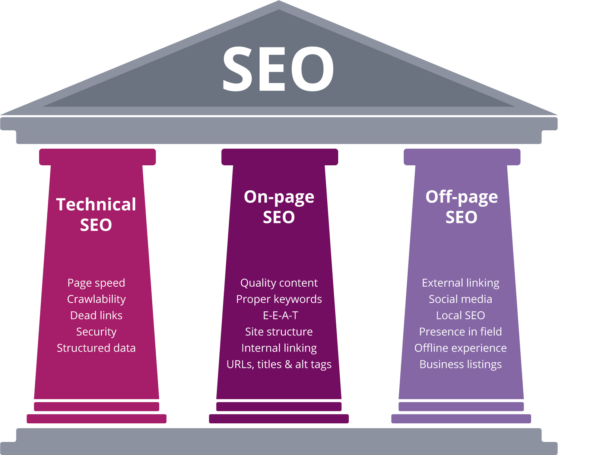
Effective SEO strategy is typically segmented into three interconnected pillars: Technical SEO, On-Page SEO, and Off-Page SEO.
-
Technical SEO: This pillar focuses on optimizing the technical aspects of a website to improve its crawlability, indexability, and overall user experience. It ensures that search engines can efficiently access, interpret, and rank the site. Key elements include:
- Crawlability and Indexability: Ensuring
robots.txtfiles and XML sitemaps are correctly configured, and that pages return appropriate HTTP status codes (e.g., 200 for success, 404 for not found, 301 for permanent redirects). - Site Speed: Optimizing loading times, which is a critical user experience factor and a direct ranking signal. Metrics like Core Web Vitals (Largest Contentful Paint, First Input Delay, Cumulative Layout Shift) are now central to this.
- Mobile-Friendliness: Implementing responsive design to ensure a seamless experience across all devices, especially smartphones, given Google’s mobile-first indexing approach.
- Security (HTTPS): Using an SSL certificate to encrypt data, indicated by HTTPS in the URL. This is a crucial trust signal and a minor ranking factor.
- Structured Data (Schema Markup): Adding specific code snippets to pages that help search engines better understand the content, potentially leading to rich snippets or enhanced search results.
- Site Architecture: Designing a logical and intuitive website structure with clear navigation and internal linking to distribute "link equity" and guide users and crawlers.
- Crawlability and Indexability: Ensuring
-
On-Page SEO: This involves optimizing the content and HTML source code of individual pages to improve their relevance for specific keywords and user intent. It directly influences how well a page ranks for targeted queries. Key aspects include:
- Content Quality and Relevance: Creating original, comprehensive, accurate, and valuable content that directly addresses user queries. The E-E-A-T framework (Experience, Expertise, Authoritativeness, Trustworthiness) is paramount here.
- Keyword Research: Identifying the terms and phrases users are searching for, understanding their intent (informational, navigational, transactional), and strategically incorporating them into content.
- Title Tags and Meta Descriptions: Crafting compelling, keyword-rich titles and descriptive snippets that appear in SERPs to encourage clicks.
- Header Tags (H1-H6): Structuring content with clear headings to improve readability and signal content hierarchy to search engines.
- Image Optimization: Using descriptive file names,
alttext, and optimizing image file sizes for faster loading. - Internal Linking: Strategically linking relevant pages within the same website to improve navigation, spread authority, and help search engines discover content.
- URL Structure: Creating clean, readable, and keyword-rich URLs.
-
Off-Page SEO: This pillar encompasses all SEO activities performed outside of a website to improve its search engine ranking. It primarily focuses on building authority, trustworthiness, and brand recognition. Key components include:
- Backlinks (Link Building): Acquiring high-quality, relevant links from other authoritative websites. Backlinks act as "votes of confidence" and are a strong signal of a page’s credibility. Strategies include guest blogging, broken link building, and digital public relations.
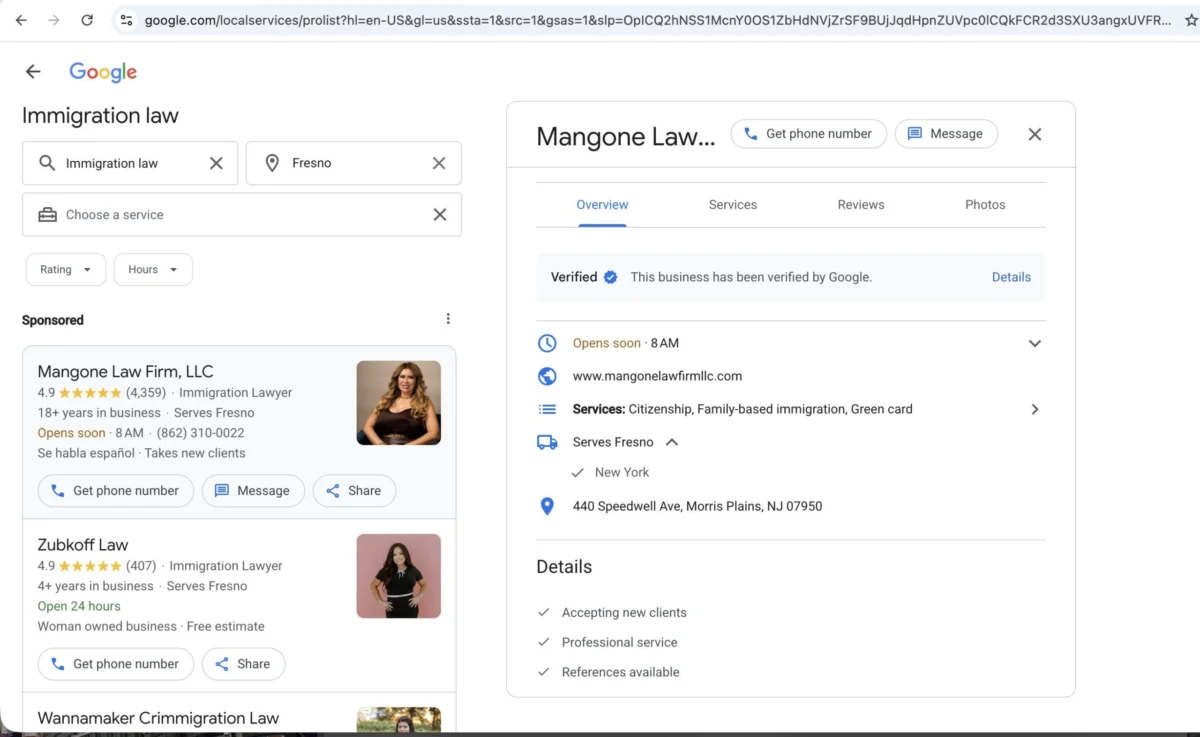
- Brand Mentions and Citations: Garnering mentions of a brand or website on other platforms, even without a direct link, which can still signal authority. Local SEO heavily relies on consistent business listings (citations) across directories.
- Social Media Presence: While social media activity doesn’t directly impact search rankings, it indirectly contributes to SEO by amplifying content, increasing brand visibility, and driving traffic, which can lead to more natural links and mentions.
- Online Reviews: Especially crucial for local businesses, positive customer reviews on platforms like Google Business Profile build trust and influence local search rankings.
Key SEO Ranking Factors
While the exact weighting and comprehensive list of Google’s ranking factors remain proprietary, ongoing analysis and official statements provide a clear understanding of the most influential elements:
- Content Quality and Relevance: High-quality, original, in-depth content that directly addresses user intent is paramount. E-E-A-T is central to this.
- Backlinks: The quantity and quality of external links pointing to a site are strong indicators of its authority and trustworthiness.
- User Experience (UX): Factors like site speed, mobile-friendliness, ease of navigation, and overall site design contribute to a positive user experience, which search engines prioritize.
- Mobile-Friendliness: With mobile-first indexing, a site’s performance and appearance on mobile devices are critical for ranking.
- Security (HTTPS): A secure website builds user trust and is a recognized ranking signal.
- Structured Data: Implementing schema markup helps search engines understand content context, potentially leading to richer search snippets and improved visibility.
- Search Intent Alignment: The ability of a page to precisely match the underlying intent of a user’s search query is fundamental.
- Domain Authority and Trust: An established website with a strong history of producing quality content and earning reputable links tends to rank higher.
SEO in the Age of AI: The Evolution Continues
The landscape of search is currently undergoing another transformative shift with the rise of generative AI. AI assistants, large language models (LLMs), and integrated AI features within search engines are fundamentally altering how users discover information. Terms like Generative Engine Optimization (GEO) have emerged, focusing on optimizing for AI-generated responses, but the broader consensus, as highlighted by Yoast experts, is that the core principles of SEO remain applicable.
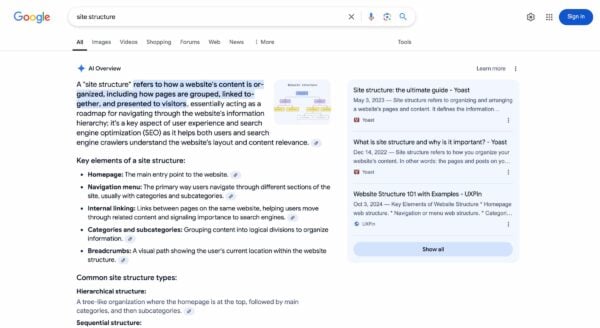
Google’s introduction of "AI Overviews" (formerly Search Generative Experience or SGE) represents a significant development. These AI-powered summaries, often displayed at the top of SERPs, synthesize information from multiple sources to directly answer user queries. This can lead to "zero-click searches," where users find their answer directly within the SERP without visiting a website.
This phenomenon, however, does not diminish the importance of SEO. Rather, it redefines success metrics. As Carolyn Shelby, a Principal SEO expert, notes, "Rankings still matter, but they are no longer the end goal. They are a proxy for visibility, not a guarantee of impact. As search shifts from ranking pages to selecting sources, rankings should be interpreted alongside presence, citation, and narrative accuracy." The goal shifts from merely earning a click to becoming a trusted source that is cited or referenced in AI-generated answers, thereby building brand awareness and credibility. Businesses must now optimize not just for direct traffic but for comprehensive digital influence across diverse platforms, including social media and video content, where AI also plays an increasingly significant role in content discovery.
Why SEO is Indispensable for Site Owners
The continued relevance and growing complexity of SEO underscore its critical importance for any business with an online presence.
- Immense Audience Volume: Google alone processes over 8.3 billion searches daily in 2024. Appearing prominently in these results provides unparalleled access to a massive global audience actively seeking solutions.
- High-Intent Traffic: Unlike other marketing channels (e.g., social media ads) that interrupt a user’s experience, SEO targets users who are actively expressing a need or interest. This "pull" strategy results in higher-quality leads and conversion rates, as visitors arrive with a predefined intent.
- Cost-Effectiveness and Sustainable ROI: While SEO requires an initial investment in time and resources, the organic traffic it generates is essentially "free" per click, unlike paid advertising. The benefits of strong SEO compound over time, offering a sustainable and impressive return on investment.
- Brand Building and Authority: High rankings and frequent citations establish a brand as an authoritative, trustworthy leader in its field. This builds credibility, fosters customer loyalty, and strengthens overall brand perception.
- Competitive Advantage: In a crowded digital marketplace, strong SEO allows businesses to outrank competitors, capture market share, and differentiate themselves by providing superior information and user experiences.
- Adaptability to Evolving Search: A robust SEO strategy ensures a business remains visible and adaptable as search technologies, including AI, continue to evolve, securing its long-term digital relevance.
Setting Modern SEO Goals
In light of evolving search behavior and AI’s influence, modern SEO goals extend beyond traditional metrics like keyword rankings and click-through rates. While these remain important indicators, a holistic approach focuses on broader business objectives:
- Enhanced Brand Visibility and Awareness: Measuring mentions across various platforms, citations in AI overviews, and overall brand perception, not just direct website visits.
- Improved User Engagement and Satisfaction: Analyzing metrics like time on site, bounce rate, pages per session, and conversion rates to ensure visitors find value and have a positive experience.
- High-Quality Lead Generation and Sales: Directly correlating SEO efforts with tangible business outcomes.
- Establishing Expertise, Authoritativeness, and Trust (E-E-A-T): Tracking how well the brand is perceived as a reliable source of information, especially important for appearing in AI-generated content.
- Audience Loyalty: Cultivating a loyal audience that regularly returns to the site or interacts with the brand across different channels.
Embarking on Your SEO Journey

For site owners looking to leverage SEO, a structured approach is key:
- Prioritize Technical Foundations: Begin by ensuring the website is technically sound. Address issues related to crawlability, site speed, mobile-friendliness, and security. A solid technical base is crucial for any other SEO efforts to be effective.
- Develop a Robust Content Strategy: Conduct thorough keyword research to understand audience needs and intent. Create high-quality, original, and valuable content that aligns with E-E-A-T principles. This includes blog posts, landing pages, product descriptions, and multimedia content. Regularly update and refresh existing content to maintain its relevance.
- Implement On-Page Optimization: Optimize all elements on each page, including title tags, meta descriptions, header tags, image alt text, and internal links, to clearly signal content relevance to search engines and users.
- Cultivate Off-Page Authority: Actively work on building high-quality backlinks through genuine outreach, content promotion, and fostering relationships within the industry. Maintain consistent and accurate business listings for local SEO.
- Monitor, Analyze, and Adapt: Utilize tools like Google Analytics and Google Search Console to track performance, identify areas for improvement, and stay informed about algorithm updates and emerging search trends. SEO is an ongoing process that requires continuous monitoring and adaptation.
In conclusion, Search Engine Optimization is not a static marketing tactic but a dynamic and indispensable strategy for thriving in the digital age. As search engines continue to evolve with artificial intelligence, the fundamental principles of providing valuable, accessible, and authoritative content remain paramount. By embracing a holistic SEO approach that prioritizes technical excellence, compelling content, strong external validation, and user satisfaction, businesses can secure lasting visibility, build powerful brands, and achieve sustainable growth in an ever-changing online landscape.