Unilever’s personal care brand, Axe, is tapping into the zeitgeist of the early 2000s with a social-first campaign that playfully acknowledges its past while ushering in a new era for the brand. The campaign, launched on September 2, 2026, promotes the limited-time return of three beloved legacy fragrances: Kilo, Touch, and Anarchy. This strategic move aims to reconnect with long-time fans who grew up with Axe and simultaneously introduce the brand’s iconic scents to a new generation. The accompanying advertising directly references the brand’s well-known "Axe Effect" and the often over-the-top marketing of the Y2K era, demonstrating a mature and self-aware approach to brand evolution.
The Return of Iconic Scents and a Nod to the "Axe Effect"
The core of this campaign is the reintroduction of Axe Kilo, Touch, and Anarchy, fragrances that were originally launched between 2002 and 2012. These scents, now rebranded with "Y2K Reboot" aesthetics and packaging reminiscent of early 2000s gaming devices like the Game Boy, represent a significant moment in Axe’s history. The brand’s marketing during that period was characterized by its bold, often provocative advertising, which posited that using Axe products would lead to an overwhelming influx of female attention – the phenomenon famously dubbed the "Axe Effect."
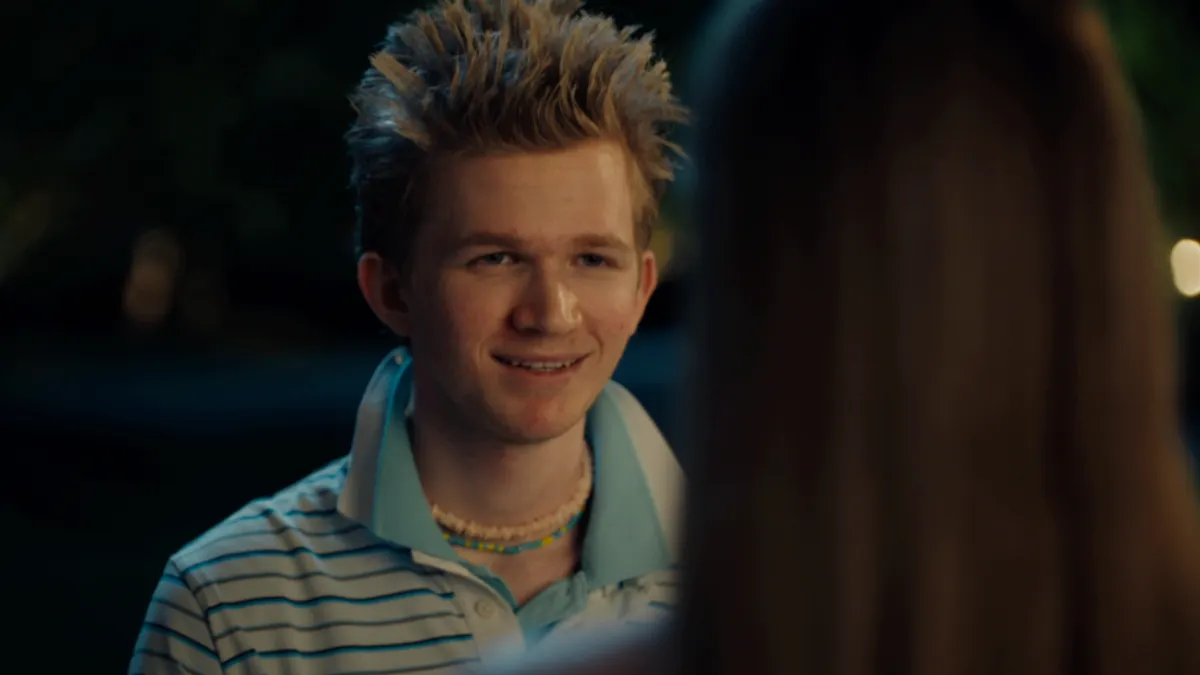
The new campaign directly confronts this legacy with a tongue-in-cheek sensibility. Two key advertisements, "Afterdate" and "Wedding," depict men momentarily transforming back into their awkward teenage selves. In "Afterdate," a sharply dressed man finds himself reverting to an earlier iteration of himself, complete with spiked blond hair, dual popped collars on his polo shirts, and puka shell necklaces – visual cues strongly associated with early 2000s male fashion. A subsequent voice-over declares, "You got better. So did we," signaling a shift in both the brand’s and its consumers’ maturity. The "Wedding" ad presents a similar scenario, playing out on a wedding dance floor, further emphasizing the passage of time and personal growth.
This approach is a departure from the more overtly sexualized advertising of the past, reflecting a broader trend in marketing that acknowledges and reinterprets historical brand narratives. Axe’s decision to revisit these fragrances and their associated imagery suggests a calculated effort to leverage nostalgia while simultaneously signaling a more sophisticated brand identity for the present day.
Strategic Nostalgia and Brand Evolution
The early 2000s have emerged as a potent source of inspiration for marketers seeking to connect with Gen Z and younger millennials. These demographics, having come of age during the Y2K era, exhibit a strong affinity for the aesthetics, music, and cultural touchstones of that period. Brands are increasingly employing Y2K-inspired campaigns to evoke a sense of familiarity and shared experience, tapping into consumers’ desire for comfort and authenticity.
Axe’s campaign aligns with this broader marketing trend. For instance, the brand previously ran "The History of Overdoing It" earlier in 2026, a campaign that humorously documented instances of excess, including the over-application of body spray, further demonstrating a willingness to engage with its historical image. This self-aware approach allows Axe to reclaim its past without being confined by it.
Dolores Assalini, Head of Axe U.S., articulated the strategy behind this initiative, stating, "It’s heritage, remixed for today – grounded in the confidence and self-expression that have always defined Axe." This statement underscores the brand’s intention to honor its roots while adapting to contemporary consumer values. The campaign aims to appeal to "fans who grew up with Axe and never left, while introducing a new generation to the iconic scents that built the brand."

Refined Technology and Broader Market Context
Beyond the nostalgic marketing, the reintroduced fragrances also benefit from updated product technology. The legacy scents are now integrated with a more refined spraying mechanism, a feature Axe began rolling out across its product lines earlier in 2026. This technological enhancement signifies the brand’s commitment to product innovation and improved consumer experience, further aligning the revamped offerings with contemporary standards.
The personal care market is witnessing significant shifts, with brands increasingly focusing on authenticity, inclusivity, and a nuanced understanding of their consumer base. Unilever, Axe’s parent company, has been actively expanding its personal care portfolio. Last year, the acquisition of Dr. Squatch, a direct-to-consumer grooming brand known for its viral marketing and appeal to Gen Z men, highlighted Unilever’s strategic interest in brands that resonate with younger audiences through unconventional, often retro-inspired, marketing approaches. Dr. Squatch’s marketing, which has featured personalities like "Euphoria" actor Sydney Sweeney in playful, genie-themed advertisements, shares a similar spirit of self-aware humor and connection with its target demographic.
Axe’s own journey reflects this market evolution. In the past decade, the brand has attempted to pivot its messaging. Earlier campaigns sought to redefine the "Axe Effect" to be more inclusive and vibrant, moving away from purely objectifying portrayals. During the peak of the purpose-driven marketing wave in the 2010s, Axe even tackled sensitive social issues like toxic masculinity and bullying, demonstrating a willingness to engage with more complex themes. This latest campaign represents another significant recalibration, leveraging nostalgia to forge a new connection with consumers.
Analysis of Implications
The success of Axe’s Y2K-inspired campaign hinges on its ability to strike a delicate balance. By acknowledging its past with humor and self-awareness, the brand can avoid alienating consumers who may have outgrown its previous image. The promise of improved fragrance technology and the "remixed for today" approach suggest a genuine effort to evolve beyond the stereotypical associations of the early 2000s.

For Unilever, this campaign represents a strategic play to capture a dual audience: the millennials who remember Axe fondly and Gen Z, who are increasingly drawn to the aesthetics and cultural narratives of the early 2000s. By revitalizing these legacy scents, Axe is not only capitalizing on a popular marketing trend but also reinforcing its brand heritage in a way that feels relevant and contemporary. The campaign’s social-first nature is also crucial, allowing for direct engagement with consumers and agile adaptation based on feedback.
The broader implication for the personal care industry is the continued validation of nostalgia as a powerful marketing tool. Brands that can effectively tap into past eras, particularly the Y2K period, stand to gain significant traction. However, the key lies in executing these campaigns with authenticity and a clear understanding of how to bridge the gap between past and present. Axe’s current strategy, which combines playful self-deprecation with tangible product improvements and a commitment to updated brand values, positions it to navigate this evolving landscape successfully. The limited-time nature of the fragrance returns also creates a sense of urgency and exclusivity, further driving consumer interest. As the campaign unfolds, its impact on consumer perception and sales will be a key indicator of the enduring appeal of Y2K nostalgia when paired with strategic brand evolution.