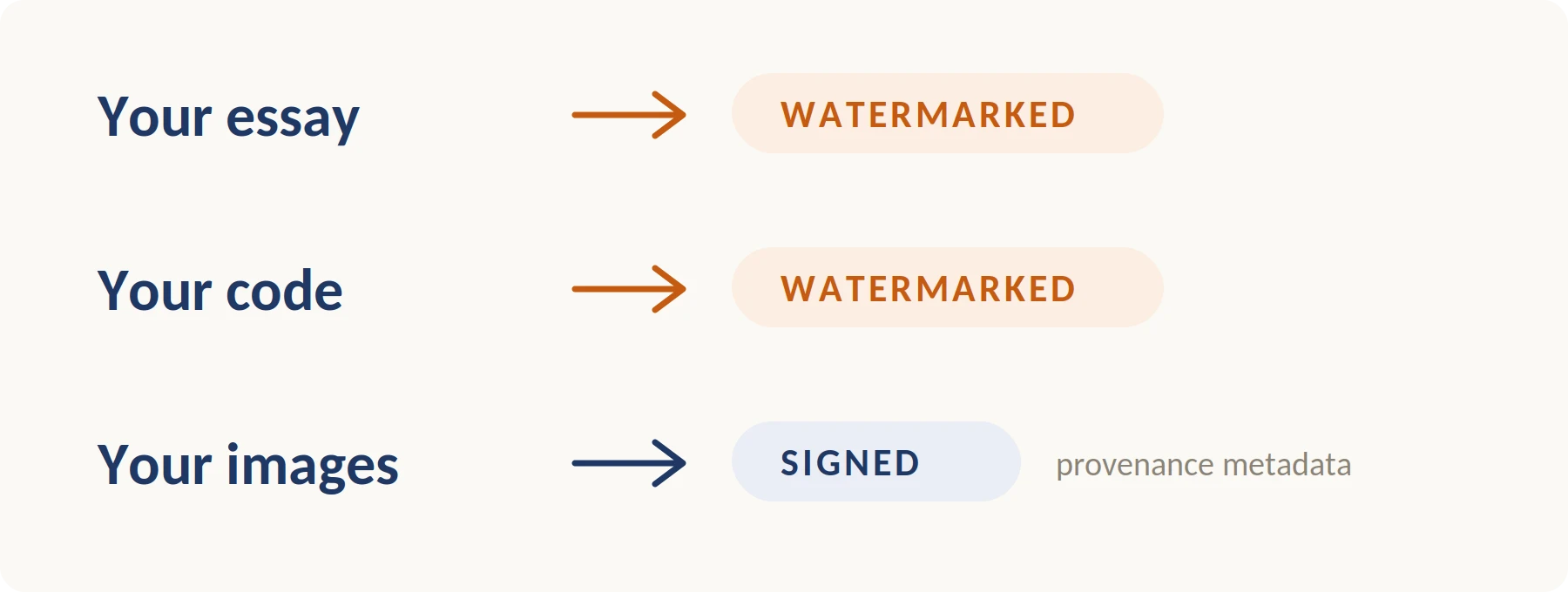
In a significant move toward algorithmic transparency and regulatory compliance, Anthropic has officially integrated persistent watermarking and digital signatures into its entire suite of Claude AI models. Effective August 2, 2026, all content generated through the Claude interface, Claude Code, Cowork, and the Anthropic API—including text, software code, and multimedia files—will carry traceable identifiers. This global rollout marks a definitive shift in the artificial intelligence industry, as one of the world’s leading AI safety labs aligns its operational framework with the stringent requirements of the European Union’s Artificial Intelligence Act (EU AI Act).
The implementation follows Anthropic’s formal commitment to the EU AI Act’s Code of Practice on Transparency of AI-Generated Content. Under Article 50 of the legislation, which became enforceable for major model providers in August 2026, AI developers are mandated to ensure that machine-generated outputs are identifiable as such. While the legal requirement primarily targets the European market, Anthropic has opted for a universal application of these technologies, ensuring that any content produced by its models carries a "provenance signal" regardless of the user’s geographic location.
The Regulatory Framework: The EU AI Act and Article 50
The genesis of this transition lies in the European Union’s comprehensive legislative framework for artificial intelligence. The EU AI Act categorizes AI systems based on risk, but it also places horizontal transparency obligations on "General Purpose AI" (GPAI) models. Article 50 specifically addresses the "labeling and detection of AI-generated or manipulated content."
Anthropic’s decision to sign on as both a model provider and a system provider signifies a dual responsibility. As a model provider, the company must ensure the core engine (Claude) is capable of marking its own output. As a system provider, the company must ensure that the end-user applications (the chat interface and API) preserve these marks. Although models launched prior to August 2026 are currently in a transition period, Anthropic has confirmed that its entire model catalog will eventually undergo this transformation to maintain a unified standard across its ecosystem.
Technical Mechanisms of AI Watermarking
The methodology for marking content varies significantly depending on the medium of the data. Anthropic utilizes a combination of cryptographic signing and statistical steganography to achieve its transparency goals.
Textual Watermarking and Statistical Steganography
For text-based outputs, such as essays, reports, and emails, Anthropic employs a technique known as statistical watermarking or "steganography for benchmarks." This does not involve visible text or metadata tags that can be easily deleted. Instead, it influences the "token selection" process during generation.
When an AI generates text, it chooses the next word (or token) based on a probability distribution. For example, if a sentence begins with "The compiler rejected the…", the AI might have a 70% probability of choosing "patch" and a 20% probability of choosing "update." To embed a watermark, the model selects words in a way that follows a specific, hidden mathematical pattern or "seed." To a human reader, the choice between "patch" and "update" appears natural and contextually appropriate. However, a detection algorithm can analyze the frequency and sequence of these choices to determine with high statistical confidence that the text was generated by a specific Claude model.
Code Provenance and Variable Substitution
Watermarking software code presents unique challenges, as the logic must remain functional and the syntax must adhere to strict compiler rules. Anthropic addresses this by utilizing the inherent flexibility in variable naming and comment structures.
In a standard loop, a developer might use i, idx, or index as a counter. While these are semantically identical to a machine, they provide "slots" for a watermark pattern. By alternating these choices according to a predetermined algorithm, Claude embeds a signature within the source code. This approach is most effective in longer scripts where the cumulative pattern becomes statistically significant. Short snippets of code, however, often lack the necessary "entropy" or choice-points to hold a reliable watermark, a limitation Anthropic acknowledges in its technical documentation.
Images and the C2PA Standard
For visual content and file exports, Anthropic has adopted the C2PA (Coalition for Content Provenance and Authenticity) standard. This is an open-source industry protocol also supported by companies like Adobe, Microsoft, and Nikon.
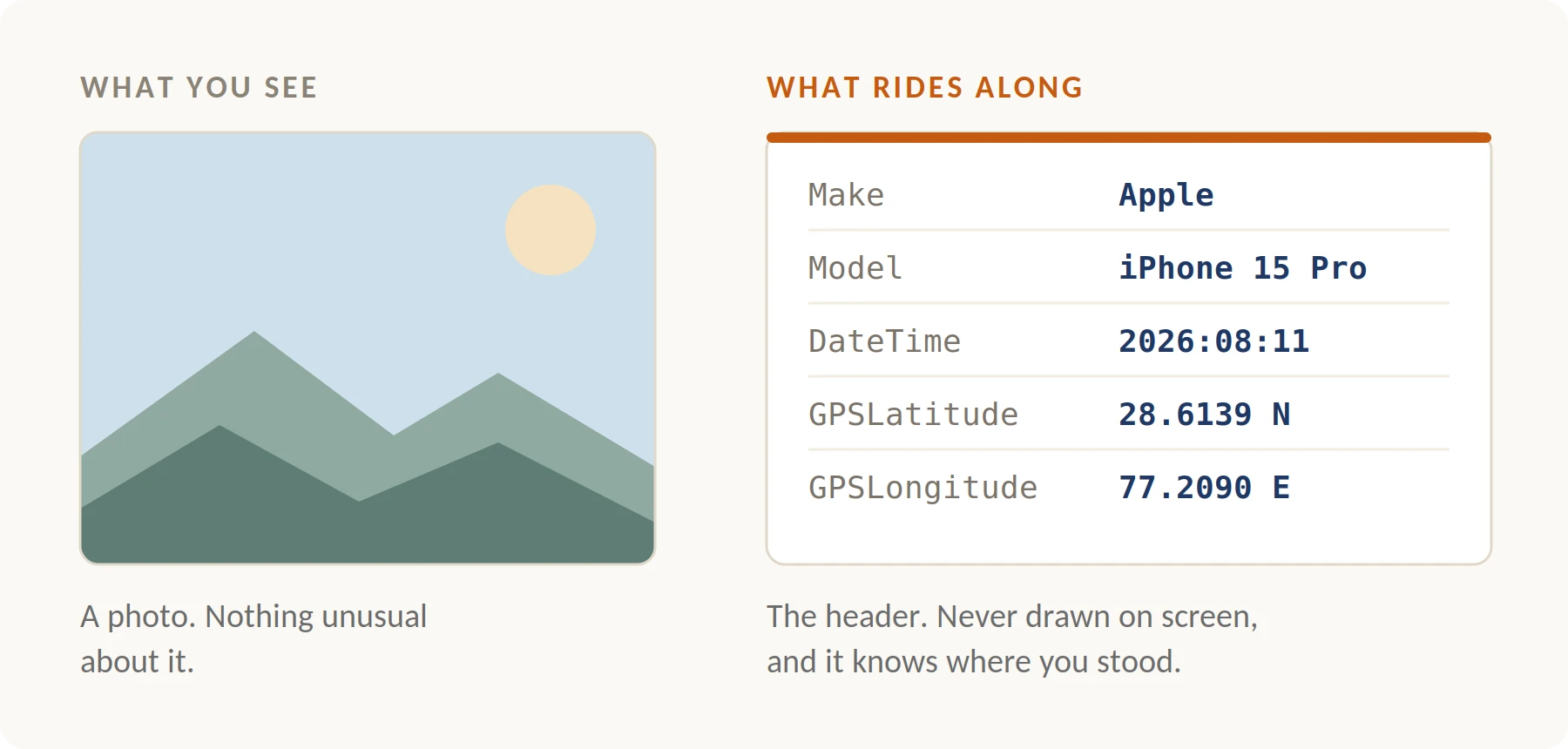
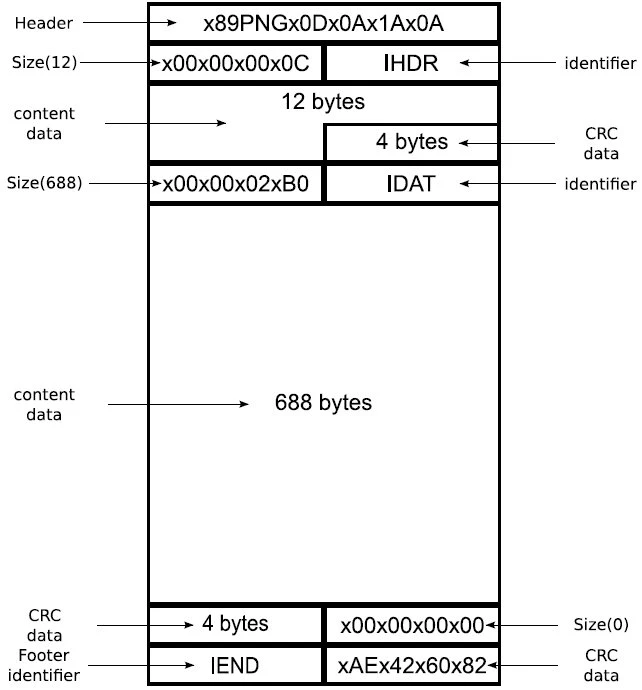
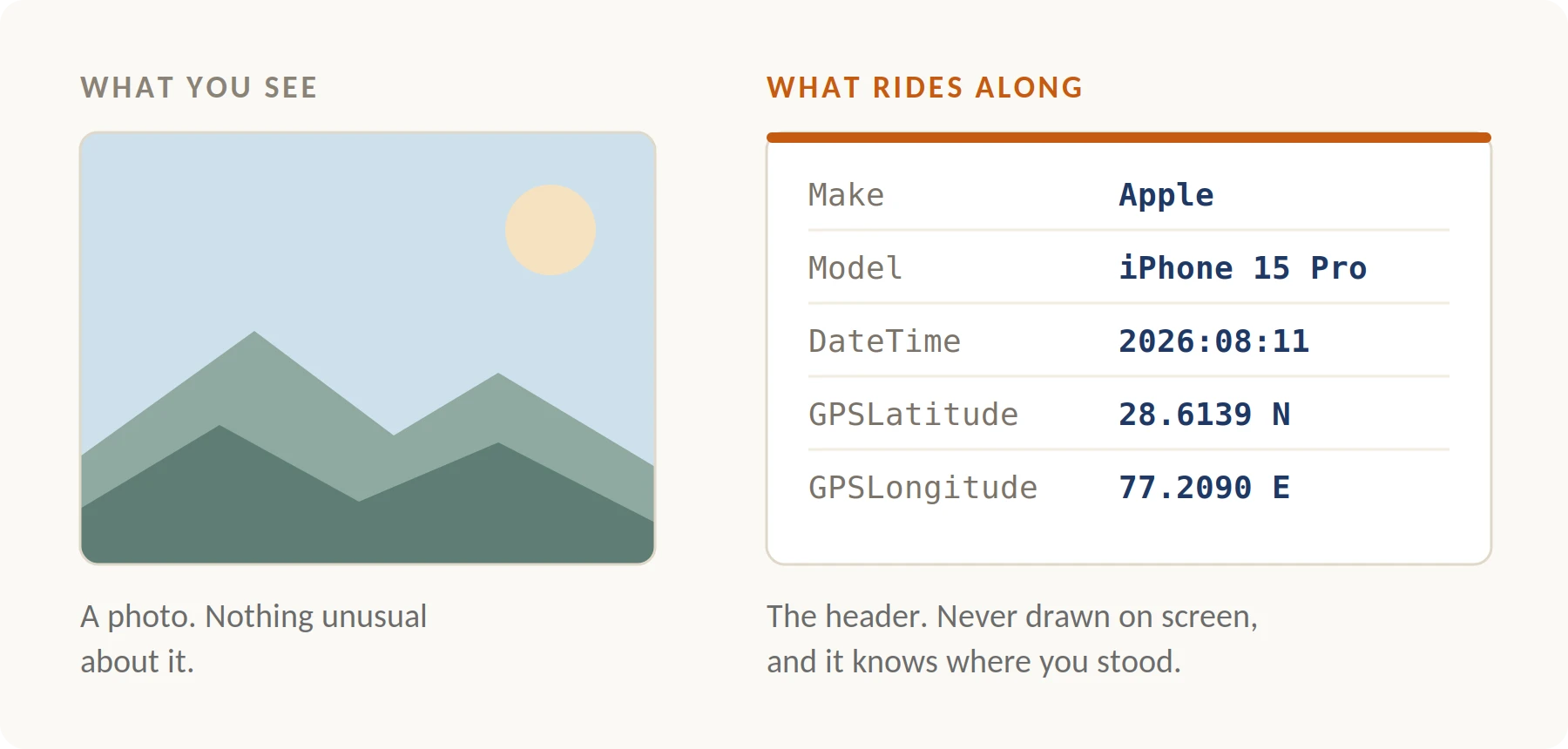
Unlike text watermarks, which are baked into the content itself, image watermarks exist in two layers. The first is the manifest—a block of structured data in the file header that describes the tool used, the timestamp, and the origin. The second is a cryptographic signature computed over the actual pixel data. If a single pixel is altered, the cryptographic hash will no longer match the manifest, alerting any verification tool that the image has been tampered with or edited since its original generation.
Vulnerabilities and the "Cat-and-Mouse" Game of Detection
Despite the sophistication of these measures, Anthropic remains transparent about the limitations of current watermarking technology. Industry experts refer to this as a "leaky" system, where the marks are robust but not invincible.
The company notes that text watermarks are most vulnerable to "scrubbing" via paraphrasing. If a user takes a Claude-generated essay and manually rewrites every third sentence or runs it through a different, non-watermarking AI for a "style change," the statistical pattern is often broken beyond the point of reliable detection. Similarly, in software development, a simple "find and replace" pass on variable names can strip the watermark from a codebase.
In the realm of imagery, the C2PA manifest is even more fragile. While it provides excellent provenance for professional workflows, it can be bypassed by taking a screenshot of the image or by stripping the metadata using basic photo-editing software. Because the watermark resides in the file’s header rather than being invisibly woven into the pixels in a way that survives re-compression (a much harder technical feat), it is primarily a tool for honest disclosure rather than a foolproof forensic lock.
Market Reactions and Industry Implications
The implementation of these features has drawn a mixed reaction from the global tech community. Digital rights advocates have praised the move as a necessary step toward mitigating the spread of AI-generated misinformation and deepfakes. By providing a clear "paper trail" for content, Anthropic is setting a precedent that other major players, such as OpenAI and Google, are also beginning to follow with their respective systems like DALL-E 3 and SynthID.
However, some developers and corporate users have expressed concerns regarding privacy and intellectual property. The presence of a permanent watermark on proprietary code or internal business strategy documents raises questions about how that data might be identified by third-party scanners in the future. Anthropic has countered these concerns by emphasizing that the watermark does not contain user-specific data or personal identifiers; it merely identifies the content as "AI-originated."
Analysis: The Future of AI Accountability
The broader implication of Anthropic’s global watermarking policy is the normalization of the "right to know" in the digital age. As AI-generated content becomes indistinguishable from human work, the burden of proof is shifting from the consumer to the creator.
From a forensic perspective, the current state of watermarking remains an "honest reading" tool. If a mark is detected, it is a definitive "yes"—the content was touched by Claude. However, the absence of a mark is not a definitive "no," given the ease with which these signatures can be removed.
Chronologically, 2026 is emerging as the "Year of Provenance" for the AI industry. With the EU AI Act serving as the primary catalyst, the era of anonymous, high-fidelity AI generation is drawing to a close. Anthropic’s proactive global stance suggests that major AI labs would rather operate under a single, high-standard regulatory framework than manage a patchwork of different rules for different countries.
Frequently Asked Questions
Q1: Does Claude only apply watermarks to users located in the European Union?
No. While the policy was designed to comply with European regulations, Anthropic has implemented the watermarking and signing process for all Claude-generated content worldwide to ensure consistency and safety across its global user base.
Q2: How does Claude embed a hidden watermark within text?
The system uses a method called statistical steganography. During the generation process, the model makes subtle, mathematically patterned choices in word selection (e.g., choosing "patch" instead of "update"). These choices do not change the meaning for a human reader but can be identified by detection software.
Q3: Is it possible to remove the watermarks added by Claude?
Yes, current watermarking technologies are not permanent. Text watermarks can be removed through heavy paraphrasing or manual editing. Code watermarks can be stripped by renaming variables, and image watermarks can often be removed by taking a screenshot or stripping file metadata.
Q4: Will watermarking affect the quality of the AI’s output?
According to Anthropic, the impact on quality is negligible. The statistical patterns are designed to work within the existing high-probability "choices" the AI would naturally make, ensuring that the prose remains coherent and the code remains functional.
As the industry moves forward, the focus is expected to shift toward making these marks more "durable"—developing techniques that can survive significant editing and re-formatting. For now, Anthropic’s implementation stands as the most comprehensive response to the new global demand for AI transparency.