rifanmuazin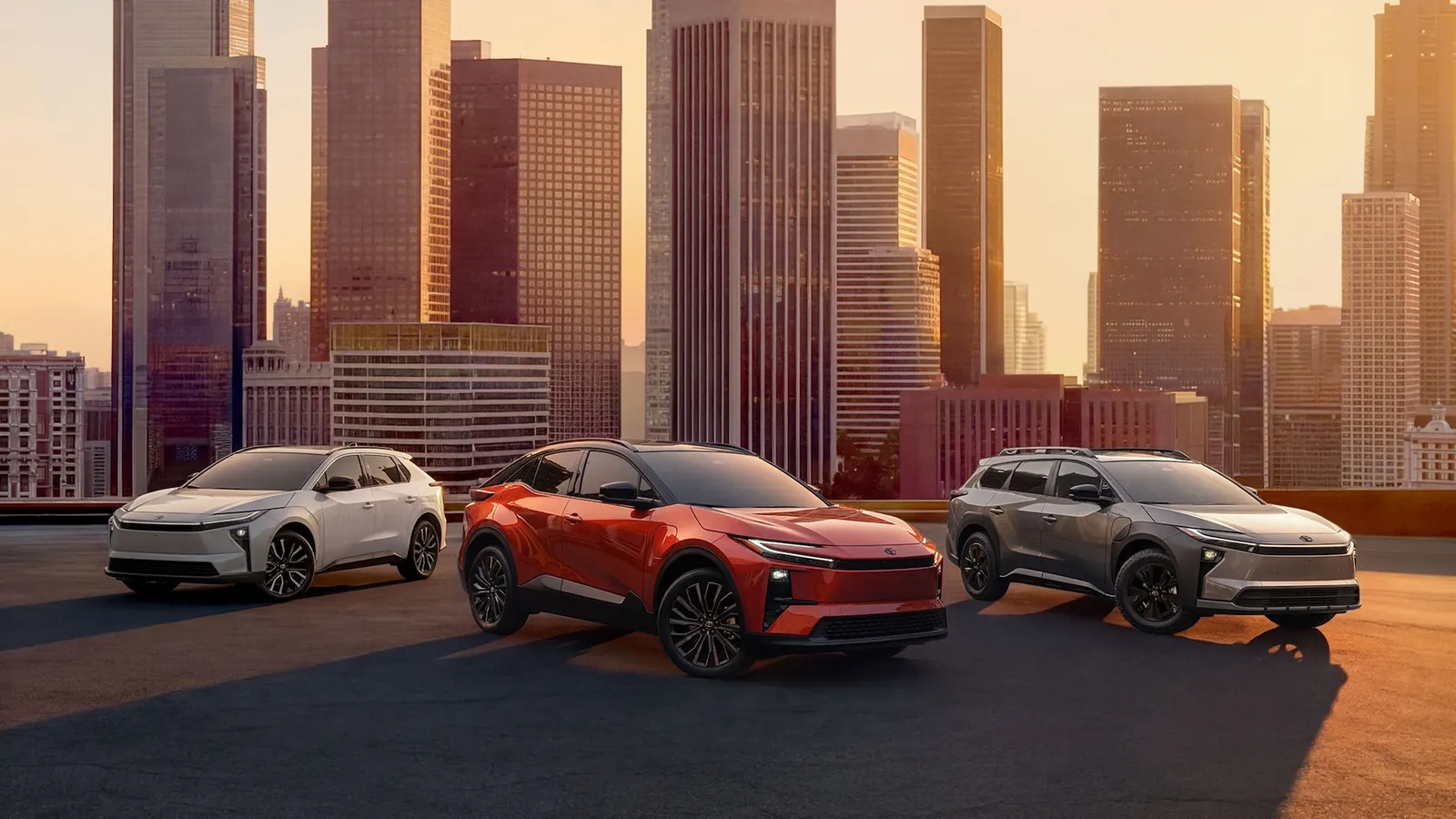
The automotive industry is witnessing a significant evolution in consumer preferences, with electric vehicles (EVs) emerging as a dominant force. Toyota, a long-standing leader in automotive manufacturing, is strategically responding to this shift with a comprehensive, multi-agency marketing campaign designed to resonate with a diverse range of consumer demographics. This initiative, launched in early May 2026, comes at a pivotal moment for the EV market, marked by increasing sales figures, fluctuating fuel costs, and evolving legislative landscapes surrounding vehicle incentives.
Surge in EV Adoption Fuels Toyota’s Strategic Marketing Push
Toyota’s proactive approach to the burgeoning EV market is underscored by a recent surge in sales for its electric offerings. The company’s bZ SUV, a key model featured in the new campaign, experienced a remarkable 78% increase in sales during the first quarter of 2026. This localized success story mirrors a broader trend, as Toyota reported a substantial 139% year-over-year jump in global EV sales for March 2026. Industry analysts attribute this significant growth primarily to escalating gasoline prices, which are compelling consumers to explore more economical and sustainable transportation alternatives.
The timing of this multi-pronged marketing effort is particularly astute. As fuel costs continue to climb, the appeal of electric vehicles, with their lower running expenses and reduced environmental impact, becomes increasingly pronounced. This campaign aims to capitalize on this growing consumer interest by addressing potential barriers to EV adoption and highlighting the practical benefits and emotional connections associated with driving electric.
A Diverse Creative Landscape: Four Agencies, Four Distinct Voices
Central to Toyota’s strategy is the engagement of four distinct advertising agencies, each tasked with developing unique creative concepts tailored to specific target audiences. This multi-agency approach ensures a breadth of perspectives and creative execution, allowing Toyota to connect with a wider spectrum of potential EV buyers.
Burrell Communications Group is spearheading an effort to convert EV skeptics into enthusiasts. Their campaign, featuring a series of digital and broadcast spots directed by the renowned Paul Hunter, ranges from a compelling 30-second "hero" spot to shorter, 10-second advertisements. The flagship "Haters Anthem" creatively tackles common EV misconceptions. The spot features a cast of puppets initially voicing skepticism and complaints about electric vehicles. As their perception evolves and they experience the benefits of driving Toyota’s EVs, the puppets undergo a transformation into human characters, symbolizing a shift in attitude and embracing the future of mobility. This narrative approach aims to disarm potential critics by humorously acknowledging their reservations and then demonstrating the compelling advantages of EV ownership.
Saatchi & Saatchi is focusing on the everyday utility and versatility of Toyota’s electric vehicles. Their contribution includes two 30-second spots, "Carista" and "Imagine," along with two 15-second advertisements, "Weekend Warriors" and "Last Run," all directed by Tristan Holmes. These creatives illustrate how EVs can seamlessly integrate into daily life and professional endeavors. The "Carista" spot, for instance, showcases a small business owner who utilizes their EV as a mobile coffee shop, highlighting the vehicle’s adaptability and potential for entrepreneurial ventures. The other spots are designed to demonstrate the practical applications for leisure activities and daily commutes, emphasizing that an EV can meet a wide range of lifestyle needs.
Looking ahead, two further creative streams are slated for release in the coming months, underscoring Toyota’s sustained commitment to this campaign. Intertrend Communications has collaborated with director Joseph Kahn to produce four 30-second spots. These advertisements are inspired by the visual aesthetics and storytelling prowess of Asian cinema, aiming to capture the attention of audiences who appreciate cinematic artistry and nuanced narratives. This partnership signals Toyota’s intent to leverage diverse cultural influences to broaden the appeal of its EV lineup.

In parallel, Conill, a prominent agency serving the Hispanic community, has partnered with director Felix Brady. Their contribution includes two 30-second and two 15-second spots that artfully blend live-action footage with animation. This approach is designed to create visually engaging and culturally relevant content that resonates deeply with Hispanic consumers, acknowledging their unique preferences and storytelling traditions.
The Shifting EV Landscape: Data, Incentives, and Market Dynamics
The current market dynamics provide a compelling backdrop for Toyota’s aggressive marketing push. While the sale of new, fully electric vehicles has seen some fluctuations, the market for used EVs experienced a significant upswing, with sales rising by 27.7% year-over-year in March 2026. This trend suggests a growing affordability and accessibility of electric vehicles, even for consumers not opting for brand-new models.
However, a notable shift in government incentives could impact future purchasing decisions. In September 2025, tax breaks for both new and used EVs were discontinued following the enactment of "The One Big Beautiful Bill Act" in July of the same year. This legislative change removes a significant financial incentive that previously encouraged EV adoption. Consequently, marketing efforts that emphasize long-term cost savings, performance benefits, and environmental advantages become even more crucial for automakers like Toyota. The current campaign’s focus on practical applications and emotional connections aims to build value beyond immediate financial incentives.
Toyota is scheduled to release its fiscal year 2026 results on May 8, 2026. This announcement will likely provide further insights into the company’s financial performance and strategic outlook, particularly concerning its EV division. The performance of the bZ SUV and the overall EV sales figures will be closely scrutinized by investors and industry observers alike, offering a measure of the effectiveness of Toyota’s evolving product strategy and its investment in electrification.

Analysis and Implications: Navigating the Future of Mobility
Toyota’s comprehensive marketing strategy reflects a clear understanding of the evolving automotive landscape. By diversifying its creative approach through multiple agencies, the company is not only aiming to reach a broader audience but also to address the nuanced concerns and aspirations of different consumer segments. The focus on converting skeptics, demonstrating everyday utility, and employing culturally resonant storytelling suggests a sophisticated understanding of consumer psychology in the context of new technology adoption.
The timing of the campaign, coinciding with rising fuel costs, positions Toyota to capitalize on a growing consumer desire for more economical and sustainable transportation. The emphasis on the bZ SUV’s sales performance and the broader surge in EV sales provides tangible evidence of market momentum, which the marketing campaign seeks to further accelerate.
The discontinuation of federal EV tax credits presents a significant challenge. This necessitates a marketing strategy that shifts focus from immediate financial rebates to the intrinsic value proposition of EVs – their lower total cost of ownership over time, environmental benefits, and advanced driving experience. Toyota’s multi-faceted approach, highlighting diverse use cases and employing distinct creative narratives, appears designed to build this long-term value perception.
The success of this campaign will likely be measured not only in sales figures but also in its ability to solidify Toyota’s position as a leader in the electric vehicle space. As the automotive industry continues its transition towards electrification, companies that can effectively communicate the benefits of their EV offerings and connect with consumers on an emotional and practical level will be best positioned for sustained growth and market leadership. Toyota’s current strategy indicates a robust effort to achieve precisely that.