rifanmuazin
The retail landscape is bracing for what analysts predict will be one of the most digitally driven holiday seasons on record. As the countdown to Black Friday and Cyber Monday begins, the shift from traditional display advertising toward creator-led commerce has reached a critical tipping point. Industry data suggests that consumer fatigue with standard promotional emails and social media advertisements is at an all-time high, leaving a vacuum that only authentic, influencer-driven content can fill. For brands and digital marketers, the reality of the 2024 season is stark: those who have not already solidified their influencer marketing frameworks are trailing behind a rapidly accelerating market.
This year, the "Golden Quarter"—the final three months of the fiscal year—is expected to see a significant portion of its revenue generated through social commerce. According to recent market forecasts, social commerce sales in the United States alone are projected to surpass $82 billion in 2024. In this environment, influencers have moved from being a peripheral marketing tactic to the central nervous system of the Black Friday strategy. To navigate this complexity, industry leaders have identified a rigorous, multi-phase approach designed to convert casual scrolling into measurable retail growth.
The Evolution of the Black Friday Phenomenon
Historically, Black Friday was a localized, single-day event characterized by "doorbuster" deals and physical retail surges. However, the digital transformation of the last decade, accelerated by the global pandemic, has morphed the event into a month-long "Cyber Season." This extension has changed the way brands must communicate with their audiences. The "spray and pray" method of broad-spectrum advertising is no longer cost-effective during a period when ad rates on platforms like Meta and Google skyrocket due to peak demand.
In response, brands are increasingly turning to influencer marketing platforms to manage the logistical nightmare of high-volume creator collaborations. The strategic advantage of using influencers during the holiday rush lies in their established trust with niche communities. While a brand’s own social feed may be viewed with skepticism during a sales event, a creator’s recommendation carries the weight of a peer-to-peer referral. This shift necessitates a structured timeline that begins months before the first "Add to Cart" button is clicked.
Phase I: Strategic Planning and Data-Driven Goal Setting
The foundation of a successful Black Friday campaign is laid in the analytical phase. Journalistic analysis of high-performing campaigns reveals that the most successful brands do not aim for "awareness" during the holiday season; they aim for conversion.
Defining Key Performance Indicators (KPIs)
For the 2024 season, experts recommend a pivot toward performance-driven metrics. Rather than focusing on "likes" or "impressions," brands are prioritizing:
- Cost Per Acquisition (CPA): Ensuring the influencer fee and product costs do not exceed the margin of the sale.
- Return on Ad Spend (ROAS): Specifically measuring the revenue generated from tracked affiliate links.
- New Customer Acquisition (NCA): Identifying how many buyers are engaging with the brand for the first time via a creator’s platform.
Audience Research and Platform Selection
Data from the previous fiscal year indicates that consumer behavior varies wildly across platforms. Instagram remains the dominant force for aesthetic lifestyle products through Stories and Reels, while TikTok has become the primary engine for "authentic" product discovery and viral demonstrations. Pinterest, conversely, has carved out a niche as a "planning" platform, where users search for holiday gift inspiration weeks before the sales begin. Brands are now tasked with tailoring their budgets to match where their specific demographic spends their "intent-to-buy" hours.
Phase II: The Shift Toward Micro and Nano Influencers
One of the most significant trends identified for the 2024 holiday season is the move away from "celebrity" influencers in favor of micro and nano-creators. While creators with millions of followers offer massive reach, their engagement rates often dip during high-volume sales periods. In contrast, creators with 10,000 to 50,000 followers often maintain a more intimate and loyal connection with their audience.
Selection Criteria
The selection process has become increasingly scientific. Brands are no longer looking just at follower counts but are utilizing tools to analyze:
- Audience Authenticity: Ensuring followers are real and not bot-generated.
- Seasonal Experience: Prioritizing creators who have a track record of meeting tight deadlines during previous Q4 rushes.
- Niche Alignment: Matching the creator’s content pillars with the brand’s core values to ensure the partnership does not feel "forced" or purely transactional.
Phase III: Outreach, Negotiation, and the Logistics of Urgency
As the holiday season approaches, the "creator economy" becomes a seller’s market. Influencer rates typically increase by 20% to 50% during November and December due to the sheer volume of brand inquiries.
Personalized Outreach
The era of the "template email" is over. To capture the attention of high-value creators, brand managers must demonstrate an understanding of the creator’s specific style. Referencing a particular video or a recurring theme in their content can be the difference between a signed contract and an ignored message.
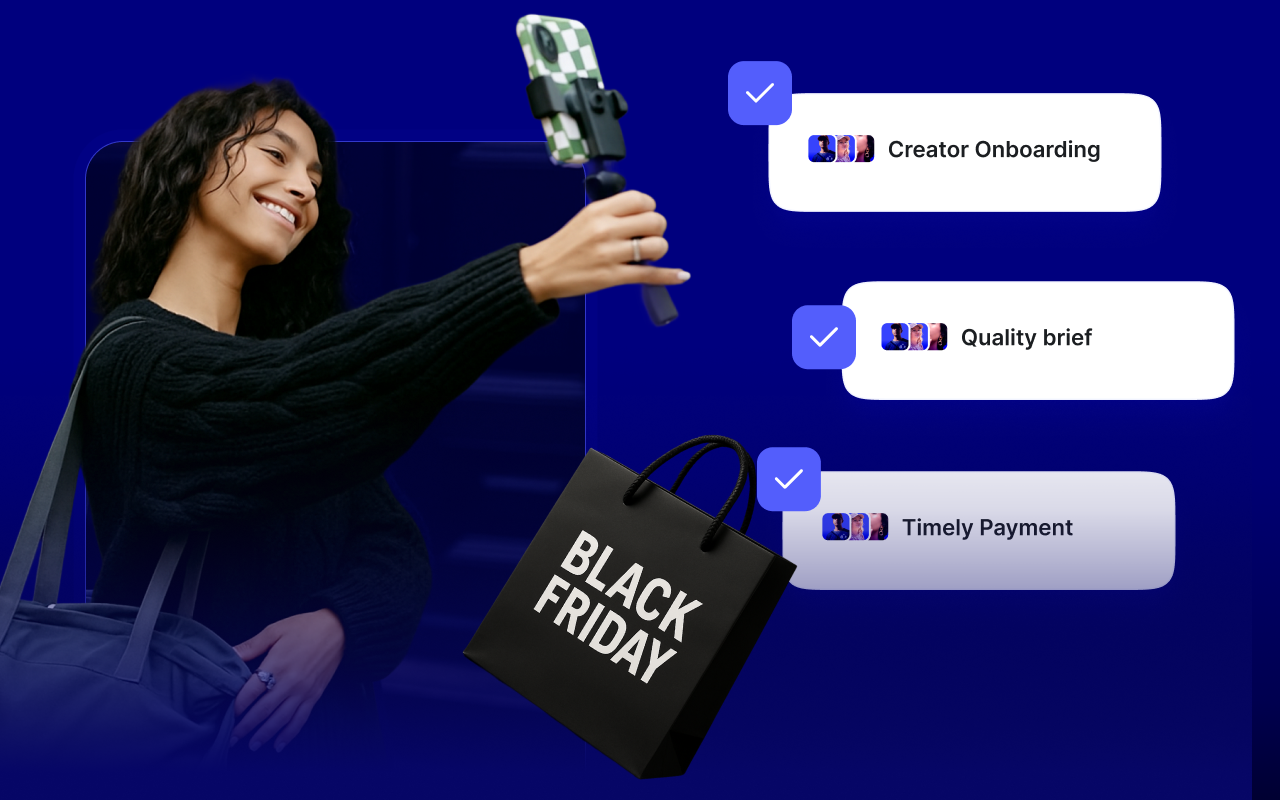
Clarifying Requirements
The complexity of Black Friday requires absolute clarity in campaign briefs. Industry standards now dictate that briefs must include:
- Exact Sale Durations: Ensuring the content does not go live before the discount code is active.
- Mandatory Disclosures: Strict adherence to FTC guidelines regarding #ad and #sponsored tags to avoid legal repercussions.
- Visual Guidelines: While allowing for creative freedom, brands must ensure key product features are visible and that the "call to action" (CTA) is unmistakable.
Phase IV: The Content Approval and Logistics Lockdown
The weeks leading up to Black Friday are often defined by logistical bottlenecks. Shipping delays and fulfillment issues can derail an influencer campaign if products do not arrive in time for content production.
Product Seeding and Fulfillment
Top-tier marketing firms now advocate for "Early Seeding." By getting products into the hands of creators by late October or early November, brands ensure that content is filmed, edited, and approved well before the "sales frenzy" begins. This buffer also allows for reshoots if the initial content does not align with the brand’s safety standards.
Centralized Approval Systems
To manage dozens—or hundreds—of creators simultaneously, the use of centralized platforms has become mandatory. These systems allow internal teams to review drafts, leave comments, and track the status of every piece of content in real-time. This prevents the "last-minute chaos" that often leads to errors in discount codes or broken tracking links.
Phase V: Going Live and Real-Time Optimization
When the campaign officially launches, the role of the marketing team shifts from planning to "active monitoring." Black Friday is a volatile period where inventory levels can change in minutes.
Monitoring and Backup Strategies
If a specific product promoted by an influencer sells out unexpectedly, brands must have a "pivot plan." This involves either shifting the creator’s focus to a different SKU or pausing paid amplification of that specific content. Furthermore, the most resilient campaigns maintain a roster of "backup influencers"—creators who are ready to post at a moment’s notice if a primary partner fails to deliver or if a shipment is lost.
Payment and Compliance
The professionalization of the creator economy means that timely payment is no longer optional. Brands that utilize automated payment systems—which handle international tax forms and currency conversions—report higher retention rates for future collaborations. In a competitive market, being a "creator-friendly" brand is a strategic advantage.
Phase VI: The Post-Mortem and Long-Term Growth
The final stage of the Black Friday cycle is the post-campaign analysis, often referred to as the "Post-Mortem." This is where short-term sales data is converted into long-term institutional knowledge.
Evaluating ROI and Top Performers
By breaking down results by influencer, platform, and content type, brands can identify their "MVP" (Most Valuable Partners). This data is used to transition one-off holiday collaborations into year-long brand ambassadorships. Analyzing the "Cost Per Click" (CPC) and conversion rates across different platforms helps in reallocating budgets for the following year’s January sales and Spring launches.
Strengthening Partner Relationships
The conclusion of a campaign is an opportunity to build brand equity within the influencer community. Sending "thank you" notes, sharing performance data with the creators, and offering early access to future collections helps solidify a brand’s reputation as a reliable partner.
Broader Impact and Implications for the Retail Sector
The shift toward structured, checklist-driven influencer campaigns represents a broader maturation of the digital marketing industry. As we move toward 2025, the integration of Artificial Intelligence (AI) in influencer search and outreach is expected to further streamline these processes. However, the human element—the "authenticity" of the creator—remains the irreplaceable core of the strategy.
The success of a Black Friday campaign in the current economy is no longer determined by who has the loudest advertisement, but by who has the most trusted voice. By following a rigorous timeline of planning, selection, and execution, brands can navigate the noise of the holiday season and achieve measurable, sustainable growth. The data is clear: in the modern retail environment, the influencer is not just a spokesperson; they are the storefront.