rifanmuazin
The modern global marketplace has undergone a fundamental shift from fragmented, channel-specific advertising to a comprehensive approach known as holistic marketing, a strategy that treats a business and its various marketing departments as a single, unified entity. At its core, the holistic marketing philosophy suggests that the whole is greater than the sum of its parts, requiring that every aspect of a business—from internal human resources to external affiliate partnerships—delivers a consistent, synchronized message. This paradigm shift is particularly relevant in the high-stakes world of affiliate marketing, where brand reputation is often placed in the hands of third-party partners. By aligning sales, marketing, customer service, and operations, organizations can ensure that the buyer journey is seamless, thereby fostering long-term brand equity and driving sustainable revenue growth.
The Historical Context and Conceptual Framework
The concept of holistic marketing was popularized in the early 21st century, notably by marketing theorist Philip Kotler, who argued that traditional marketing methods were becoming insufficient in an increasingly interconnected digital world. Historically, companies operated in “silos,” where the social media team rarely communicated with the affiliate managers, and the product development team was disconnected from customer service feedback. This lack of cohesion often resulted in conflicting brand messages that confused consumers and eroded trust.
In the current economic climate, where the cost of customer acquisition (CAC) continues to rise, businesses are turning to holistic strategies to maximize the lifetime value (LTV) of their existing audience. Industry data suggests that brand consistency can increase revenue by up to 33%, yet many organizations still struggle to maintain a unified voice across all touchpoints. Holistic marketing addresses this by focusing on four key dimensions: internal marketing, relationship marketing, societal marketing, and integrated marketing. When applied to affiliate programs, this ensures that every influencer, blogger, or review site promoting a product is equipped with the same core values and aesthetic guidelines as the company’s internal teams.
The Four Dimensions of Holistic Marketing Strategy
To understand the practical application of this strategy, one must examine the specific dimensions that constitute a holistic framework. Each dimension serves as a pillar for organizational stability and growth.
Internal Marketing and Employee Alignment
The first pillar, internal marketing, treats employees and service providers as “internal customers.” The logic is straightforward: a team cannot effectively sell a vision they do not understand or believe in. In a journalistic analysis of high-performing firms, a clear correlation exists between employee engagement and customer satisfaction. Whether it is the HR department, the web development team, or the affiliate program managers, every representative must be an ambassador for the brand. This requires transparent communication of company goals and values before any external promotion begins. When employees are motivated and informed, they promote the brand instinctively, reducing the need for constant oversight.

Relationship Marketing and Long-term Value
Moving beyond the transactional nature of traditional sales, relationship marketing focuses on the longevity of connections. This dimension applies not only to customers but also to suppliers, wholesalers, and affiliates. In the context of affiliate marketing, this means moving away from a “set it and forget it” mentality. Successful programs treat affiliates as long-term business partners, keeping them informed of product updates and corporate shifts. By nurturing these relationships, companies turn casual buyers into brand advocates and one-time affiliates into dedicated ambassadors, significantly increasing the program’s return on investment (ROI).
Societal Marketing and Corporate Responsibility
Modern consumers, particularly Millennials and Gen Z, increasingly favor brands that demonstrate social responsibility. Societal marketing involves incorporating ethical practices and community support into the corporate identity. This can range from environmental sustainability initiatives to charitable donations. From a PR perspective, societal marketing provides a wealth of “earned media” opportunities. For instance, when a company sponsors a local event or adopts a zero-carbon policy, that message can be amplified across social media, newsletters, and affiliate networks, enhancing the brand’s reputation and fostering deep-seated consumer trust.
Integrated Marketing and Messaging Consistency
The final dimension, integrated marketing, ensures that the marketing mix—product, price, place, and promotion—is synchronized. This prevents the “brand schizophrenia” that occurs when one channel promotes a product as a luxury item while another markets it as a discount bargain. By utilizing a unified set of creatives, logos, fonts, and unique selling propositions (USPs), a company ensures that the consumer receives the same experience whether they land on the official website or a partner’s review page.
The Critical Role of Data-Driven Decision Making
A cornerstone of the holistic approach is the transition from intuition-based marketing to data-driven strategy. In a newsroom-style analysis of market trends, the most successful companies are those that leverage big data to refine their holistic efforts. By analyzing customer behavior, feedback loops, and conversion metrics across all channels, businesses can identify friction points in the buyer journey.
For affiliate programs, data integration is vital. When a company shares audience demographics and performance analytics with its affiliates, the partners can better target their campaigns. This leads to higher-quality traffic and improved conversion rates. Furthermore, tracking software allows companies to see how different channels interact; for example, a customer might first see an affiliate’s blog post, then receive a retargeting ad on social media, and finally purchase through an email campaign. A holistic strategy recognizes the contribution of each touchpoint rather than attributing success to a single silo.
Case Study: Apple’s Holistic Integration
Apple Inc. serves as a primary example of holistic marketing excellence. The company’s success is not merely the result of innovative hardware but of a meticulously coordinated brand experience. Apple’s internal marketing ensures that every retail employee is a highly trained specialist who embodies the brand’s “Think Different” ethos.
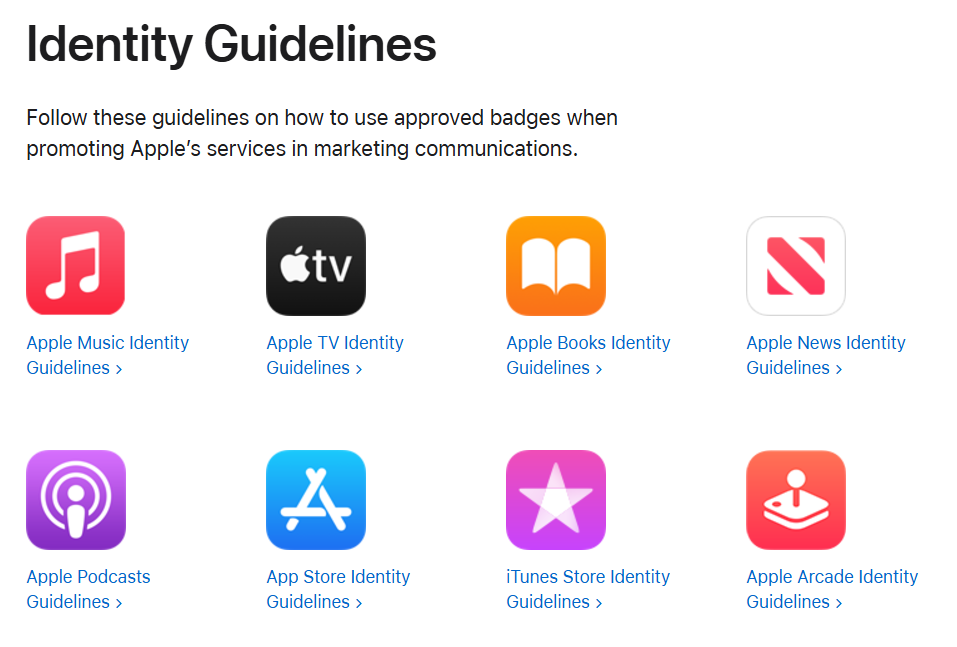
Their societal marketing is woven into their public-facing identity, with dedicated pages for accessibility, privacy, and environmental responsibility. During specific periods, Apple has integrated its payment systems with charitable causes, such as donating a portion of every Apple Pay purchase to global health funds. This initiative is promoted simultaneously across their homepage, social media, and through their “Apple Services Performance Partners Program.” By providing affiliates with strict but clear guidelines, Apple ensures that even third-party promotions mirror the sleek, premium feel of their internal campaigns. This level of coordination has resulted in some of the highest brand loyalty scores in the technology industry.
Chronology of Implementation: Transitioning to a Holistic Model
For organizations looking to adopt this framework, the transition typically follows a structured timeline:
- Phase One: Strategic Definition (Months 1-2): Leadership defines SMART (Specific, Measurable, Attainable, Relevant, Time-bound) goals. This stage involves breaking down departmental silos and establishing a “central source of truth” for brand guidelines.
- Phase Two: Audience and Market Research (Months 3-4): Deep-dive analytics are used to create comprehensive customer personas. These profiles are shared across all departments to ensure everyone is targeting the same demographic.
- Phase Three: Internal Engagement (Months 5-6): Internal marketing campaigns are launched to align employees with the new unified vision. Affiliate managers begin re-educating partners on updated brand standards.
- Phase Four: Multi-Channel Integration (Months 7-9): Marketing materials are synchronized. Social media, PR, and affiliate creatives are updated to reflect a singular message and aesthetic.
- Phase Five: Optimization and Scaling (Ongoing): Using continuous data feedback, the company refines its approach, removing redundancies and doubling down on high-performing, integrated campaigns.
Broader Impacts and Future Outlook
The future of holistic marketing is inextricably linked to technological advancement. As artificial intelligence (AI) and machine learning become more prevalent, the ability to deliver personalized yet consistent messages at scale will increase. AI can help marketing teams predict customer needs before they arise, allowing for a more proactive “customer-centric” approach.
Furthermore, the rise of “ethical consumption” suggests that the societal marketing dimension will become even more critical. Companies that fail to integrate social responsibility into their holistic strategy risk being alienated by a more conscious consumer base. In the realm of affiliate marketing, we are seeing a shift toward “micro-affiliates”—individuals with smaller but highly engaged audiences who require more personalized, relationship-based management.
In conclusion, holistic marketing is no longer an optional luxury but a fundamental requirement for survival in a competitive digital economy. By fostering teamwork, maintaining brand consistency, and leveraging data-driven insights, businesses can create a seamless customer journey that drives both immediate sales and long-term loyalty. The integration of affiliate programs into this broader corporate strategy ensures that external growth does not come at the cost of brand integrity. As the marketplace continues to evolve, the organizations that view their marketing efforts as a single, living ecosystem will be the ones that achieve true, sustainable prosperity.