

In the increasingly crowded digital landscape, where consumer skepticism is at an all-time high, the strategic deployment of social proof has emerged as an indispensable tool for email marketers seeking to enhance engagement, build trust, and ultimately drive conversions. This psychological phenomenon, rooted in the human tendency to conform to the actions of others, provides compelling evidence that a product, service, or piece of content is valuable because other people are already endorsing or using it. Applied across the entire email marketing lifecycle—from initial signup to post-purchase follow-ups—social proof acts as a powerful validator, transforming hesitant prospects into confident customers.
The Psychological Underpinnings of Social Proof
The concept of social proof was famously popularized by psychologist Robert Cialdini in his seminal work, "Influence: The Psychology of Persuasion." Cialdini identified social proof as one of six key principles of persuasion, describing it as the tendency to see an action as more appropriate when others are doing it. This principle is particularly potent in situations of uncertainty, where individuals look to the behavior of others to guide their own decisions. In the context of online interactions, where direct personal recommendations are often absent, evidence from a multitude of strangers serves as a powerful substitute.
This mechanism is closely related to the "Fear of Missing Out" (FOMO), a pervasive anxiety that something exciting or interesting may be happening elsewhere. When potential customers see that others are benefiting from a product or service, FOMO can act as a catalyst, urging them to join the perceived consensus. Research indicates that a significant percentage of people, often cited around 56%, experience FOMO, which can be effectively leveraged through carefully integrated social proof. Instead of a brand merely asserting its value, social proof demonstrates it through the voices and experiences of its existing customer base, providing an objective endorsement that resonates more deeply than self-promotional claims.
When someone is contemplating a decision, whether it’s subscribing to a newsletter, downloading an ebook, or making a significant purchase, they instinctively seek reassurance. While a friend’s recommendation for a dentist is powerful, for digital products or services, personal connections might be scarce. Consequently, individuals turn to aggregated feedback: online reviews, social media comments, or numerical endorsements like "trusted by X creators." This external validation alleviates doubt, reduces perceived risk, and provides the necessary impetus for action, effectively doing the heavy lifting of persuasion.
Diverse Forms of Social Proof: A Strategic Overview
The power of social proof lies in its versatility, encompassing a wide array of formats suitable for different contexts and marketing objectives. Marketers have more options than ever to collect and deploy this valuable asset.
-
Customer Reviews: These are direct feedback from users, often found on third-party platforms like Trustpilot, Google Reviews, Yelp, Amazon, G2, or Capterra. For businesses with an established online presence, these reviews are often readily available and highly credible due to their external nature. Integrating snippets or star ratings directly into email content can significantly boost perceived reliability.
-
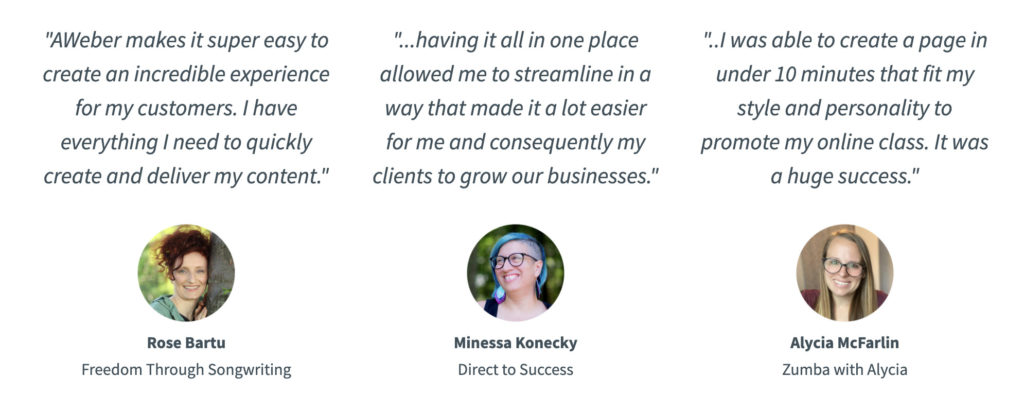
Testimonials: Distinct from general reviews, testimonials are curated quotes collected directly from satisfied customers. Ideally, they are accompanied by a name, photo, and title or brief description of the customer, adding a layer of authenticity and relatability. Effective testimonials often highlight specific benefits or results achieved through the product or service.
-
Case Studies: These provide in-depth narratives of a customer’s journey, detailing their initial problem, how the product or service offered a solution, and the measurable positive outcomes. Case studies are particularly impactful for high-value products, complex services, or B2B offerings, as they offer comprehensive evidence of ROI and problem-solving capabilities.
-
Customer Data: Quantitative proof, such as "join 25,000 subscribers," "rated 4.8/5 stars from 2,000 reviews," or "helped 10,000 businesses save X hours annually." These statistics provide a clear, undeniable demonstration of popularity and effectiveness, appealing to those who respond well to hard numbers.
-
Social Media Feedback: Screenshots of positive posts, comments, shares, or shout-outs from real users on platforms like X (formerly Twitter), Instagram, or Facebook. This form of proof feels highly authentic and current, showcasing genuine enthusiasm and engagement from a brand’s community.
-
Expert and Influencer Endorsements: Recommendations or mentions from recognized authorities, industry leaders, or social media influencers whose opinions are respected by the target audience. This transfers the credibility of the expert to the product or service, leveraging existing trust networks.
-
Award and Trust Badges: Logos of industry awards, certifications (e.g., ISO, GDPR compliance), security badges (e.g., McAfee Secure, Norton Secured), or inclusion in "best of" lists. These visual cues signal legitimacy, quality, and adherence to professional standards, reassuring potential customers about the brand’s reliability.
-
User-Generated Content (UGC): Photos, videos, or creative content produced and shared by customers themselves while using a product. UGC is incredibly authentic and relatable, providing visual evidence of real-world application and fostering a sense of community around the brand.
For nascent businesses lacking extensive reviews, the strategy begins small. Displaying customer data, even "join 500 subscribers," establishes early credibility. Proactively soliciting a brief, one-line testimonial from early, happy customers can quickly build a foundational base of social proof, demonstrating that even a few credible voices can initiate a powerful ripple effect.
Strategic Integration: Where to Deploy Social Proof in Your Email Funnel
The effectiveness of social proof is amplified when strategically placed at critical junctures of the customer journey, addressing specific doubts or motivations.
1. Pre-Subscription: Optimizing Signup Forms
Before an individual even becomes a subscriber, they face a fundamental question: "Is providing my email address worth the potential inbox clutter?" This initial barrier to entry can be significantly lowered by strategically placing social proof adjacent to or directly above a signup form. A concise testimonial that explicitly highlights the value derived from the email content itself can be exceptionally powerful. For instance, a quote from "Sarah M., founder of a 6-figure Etsy shop," attesting to the actionable insights gained from a newsletter, carries more weight than an anonymous endorsement. Integrating a photo and title with the testimonial enhances its credibility and humanizes the experience. Tools like AWeber’s AI Signup Form Builder now offer functionalities to seamlessly incorporate such elements, allowing marketers to test and optimize the impact of their initial social proof.
2. Post-Subscription: Reinforcing Trust in Welcome Sequences
The welcome email is arguably the most crucial communication in the entire email marketing journey. It’s the first impression after a subscriber has committed, and it sets the tone for future engagement. Here, social proof serves to immediately reinforce their decision and build initial trust. Instead of merely reiterating brand promises, a well-placed review or testimonial (distinct from the one on the signup form) within the welcome email provides external validation. This third-party endorsement acts as an affirmation, encouraging the new subscriber to continue opening future emails, move the sender out of the promotions tab, and engage more deeply with the content. Data consistently shows that welcome emails with personalized content and trust-building elements perform significantly better in terms of open and click-through rates.
3. Driving Conversions: Social Proof in Promotional Campaigns
Promotional emails are designed to convert interest into sales, and this is where social proof can profoundly impact conversion rates. Every sales pitch should be accompanied by compelling evidence. If promoting an online course on financial literacy, for example, the email should not only detail the curriculum but also feature a testimonial that articulates a specific, tangible outcome, such as "I paid off my student loans eight months after finishing this course." Such specific results are far more persuasive than generic praise.
For higher-value products, consider building an entire promotional email around a customer’s success story. A "case study email" can powerfully illustrate a problem, demonstrate how the product provided a solution, and highlight the positive transformation. This approach not only provides robust social proof but also simplifies content creation for marketers, as the customer’s narrative becomes the core of the message. Marketing statistics affirm that emails incorporating social proof can see a substantial uplift in click-through rates and conversion metrics.
4. Fostering Advocacy: Leveraging Trust Badges for Referrals
Referrals, the original form of social proof, are recommendations passed between trusted individuals. Email marketers can actively encourage this by integrating a subtle call to action within their messages, inviting subscribers to forward content to friends or colleagues who might benefit. To amplify this, authoritative trust badges or industry awards can be strategically placed near the referral prompt. When subscribers share content associated with recognized accolades, it elevates their own credibility, making them more likely to act as brand advocates. This strategy taps into the psychological desire for individuals to be perceived as knowledgeable and connected, turning recipients into active promoters.
5. Recovering Sales: Abandoned Cart Strategies
Abandoned cart emails are a critical recovery tool, designed to nudge customers back to complete a purchase they initiated. These emails benefit immensely from the inclusion of social proof. A concise, impactful piece of social proof can address lingering doubts or forgotten intent. A funny social media post or a brief, enthusiastic customer review that highlights the joy or utility of the product can re-engage the prospect. The goal is to break through the potential inertia, reduce pressure, and remind the customer of the product’s desirability through the positive experiences of others. Abandoned cart emails, especially those enriched with social proof, can recover a significant portion of lost sales, with industry averages showing recovery rates varying from 5% to 15%.
Maximizing Impact: Best Practices for Implementing Social Proof
Beyond merely including social proof, its effective deployment requires adherence to several best practices to maximize its persuasive power.
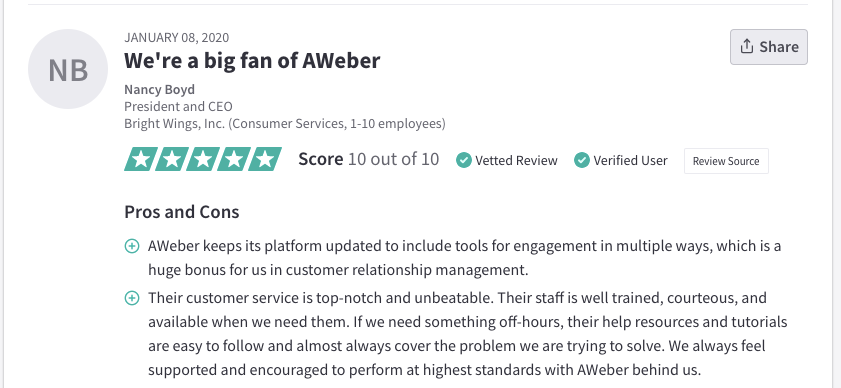
Authenticity and Specificity: The most compelling social proof is always authentic and highly specific. Vague statements like "great product" are less impactful than "This software saved our team 10 hours a week on data entry, allowing us to focus on strategic initiatives." Always strive for testimonials that highlight tangible benefits, specific problems solved, or measurable results. Ensure that all testimonials and reviews are genuine; fabricating social proof can severely damage brand trust and lead to long-term reputational harm.
Visual Integration and Placement: How social proof is presented is almost as important as its content. Utilize clear, readable fonts, incorporate high-quality images of customers (with their permission), and use design elements that make the proof stand out without overwhelming the email’s primary message. Strategic placement within the email layout, such as near a call-to-action button or within a dedicated "What Our Customers Say" section, can significantly increase its visibility and impact. A/B testing different placements and visual treatments can help identify the most effective presentation.
A/B Testing and Analytics: The true impact of social proof should be measured. A/B test different types of social proof, varying their placement, length, and specific content. Monitor key email metrics such as open rates, click-through rates, and conversion rates to determine which forms of social proof resonate most effectively with your audience. This iterative process of testing and optimization ensures that your social proof strategy is continuously refined for maximum performance.
Ethical Considerations: Transparency is paramount. When using influencer endorsements, ensure that relationships are disclosed as per regulatory guidelines (e.g., FTC in the U.S.). When using customer data, always prioritize privacy and use aggregated or anonymized statistics where appropriate. Ethical implementation builds long-term trust, which is the ultimate goal of social proof.
The Broader Implications for Digital Trust and Marketing
In an era defined by information overload and increasing digital cynicism, the role of social proof extends beyond mere marketing tactics; it underpins the very foundation of digital trust. Consumers are increasingly wary of direct advertising and prefer to make decisions based on peer recommendations and independent verification. By proactively integrating social proof into email communications, businesses are not only boosting their immediate marketing metrics but also cultivating a reputation for transparency, reliability, and customer satisfaction.
The ongoing evolution of AI in marketing tools, such as those that can help generate signup forms or suggest optimal content, further empowers marketers to leverage social proof more effectively. These tools can assist in identifying the most impactful testimonials, optimizing their placement, and even personalizing the social proof presented to different segments of an audience.
Ultimately, the takeaway for modern email marketers is clear: your prospects are actively seeking validation. The critical question is whether they find compelling proof within your carefully crafted emails or if they are forced to hunt for it on external platforms, potentially encountering less favorable opinions or even competitors. By bringing the voices of satisfied customers directly into your communication, you control the narrative, build undeniable credibility, and guide prospects confidently towards conversion.
Starting with even a modest effort—a single powerful review next to a signup form, followed by another in a welcome email—can yield compounding returns. Email marketing platforms like AWeber provide the necessary tools, including customizable signup forms, landing pages, and email templates with integrated testimonial blocks, making it easier than ever to harness the persuasive power of your happiest customers. This strategic approach ensures that every new visitor and subscriber encounters tangible evidence of value, fostering a robust and engaged audience that drives sustainable business growth.








