Multi-account social media management, the intricate practice of overseeing numerous social profiles across diverse brands, geographical regions, or target audiences from a single, integrated system, has evolved from a convenience into a strategic necessity for contemporary businesses. In an era defined by digital ubiquity and fragmented attention, the ability to maintain a cohesive, compliant, and engaging presence across a multitude of platforms is paramount. Without a unified platform and a robust strategic framework, organizations face a rapid unraveling of their digital efforts, manifesting as inconsistent messaging that dilutes brand identity, heightened compliance risks in increasingly regulated environments, a deluge of unanswered customer inquiries leading to dissatisfaction, and severe team burnout as professionals struggle to keep pace with an unmanageable workload. The stakes are particularly high for enterprises, where the scale and complexity of operations magnify these challenges exponentially, demanding a sophisticated, systematic approach to digital engagement.

The Evolving Landscape of Social Media Management
The proliferation of social media platforms and the diversification of user demographics have fundamentally reshaped how businesses interact with their audiences. What began as a nascent marketing channel has matured into a multifaceted ecosystem requiring specialized management. Companies today are no longer content with a single Facebook page; they operate across Instagram for visual storytelling, TikTok for short-form video engagement, LinkedIn for professional networking and B2B marketing, X (formerly Twitter) for real-time news and rapid response, Pinterest for visual discovery, and Google Business Profile for local SEO and customer reviews. Each platform caters to distinct audiences with unique content preferences and engagement norms. For instance, data indicates a stark age-based preference for platforms, with approximately 80% of adults aged 18-29 utilizing Instagram, compared to just 19% of those 65 and older. This demographic segmentation underscores the need for tailored strategies, making a one-size-fits-all approach obsolete and multi-account management indispensable. The challenge is further compounded by the need to manage multiple brands under a single corporate umbrella or cater to various regional markets, each demanding localized content and cultural sensitivity.

Addressing Core Challenges in Multi-Account Operations
The complexities inherent in managing multiple social media accounts typically coalesce around five recurring problems that, if unaddressed, can severely impede an organization’s digital efficacy:
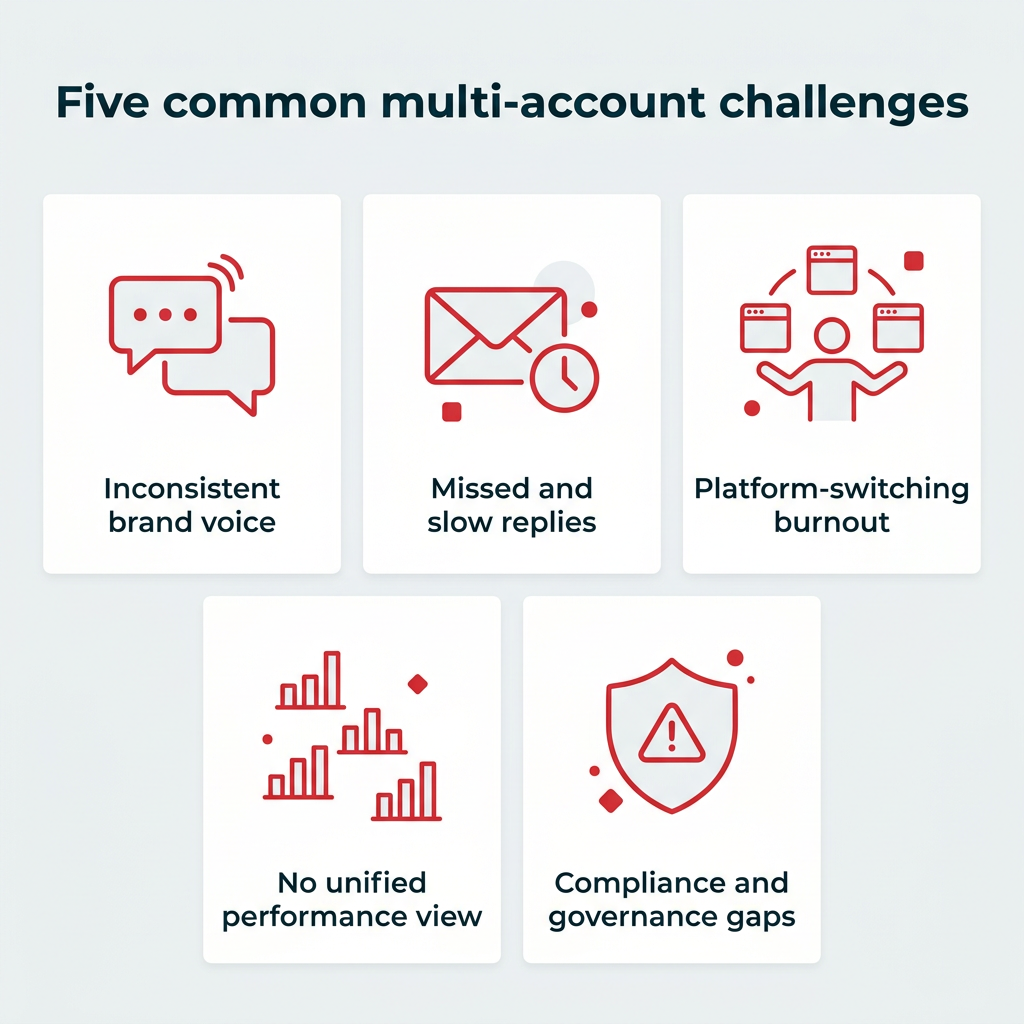
- Inconsistent Messaging: Without centralized control, brand voice, tone, and key messages can diverge across accounts, creating confusion and eroding brand credibility.
- Poor Collaboration and Workflow: Disjointed tools and lack of clear responsibilities lead to inefficiencies, duplicated efforts, and missed opportunities for cross-promotion or shared learning.
- Increased Compliance and Risk: Operating across numerous platforms and regions amplifies the risk of regulatory non-compliance, legal infractions, and reputational damage from unauthorized or inappropriate content.
- Inefficient Workflows: Manual processes for publishing, monitoring, and reporting across multiple logins consume excessive time and resources, diverting focus from strategic initiatives.
- Missed Engagement Opportunities: A fragmented approach makes it difficult to track and respond to customer inquiries, comments, and mentions promptly, leading to diminished customer satisfaction and loyalty.
Each of these challenges underscores the critical need for a structured and technologically supported solution, with every practical step mapping directly back to mitigating these pervasive issues.
A Strategic Framework: 10 Pillars of Effective Management
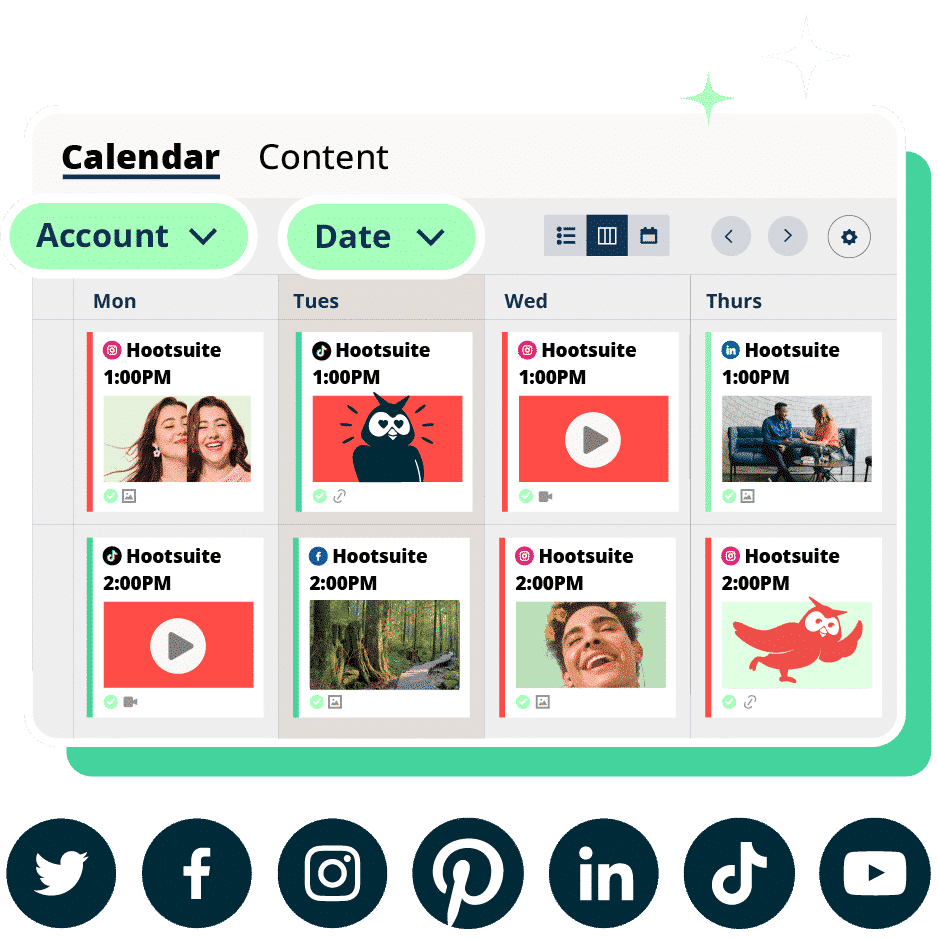
The most effective strategy for managing multiple social media accounts hinges on establishing a clear, repeatable system encompassing planning, publishing, engagement, and reporting. Implementing the following ten practical steps can establish this foundational system:
1. Defining Purpose and Platform Alignment
Clarity is the cornerstone of multi-brand social media management. Each social media account, whether for a specific product, region, or audience segment, requires a distinct purpose and measurable goals. This involves articulating the account’s unique mission, identifying its primary target audience, determining the key content pillars, and establishing specific Key Performance Indicators (KPIs). For example, one brand’s Instagram might focus on brand awareness through visually rich lifestyle content, while its LinkedIn profile targets B2B lead generation with thought leadership articles. This upfront clarification facilitates budget allocation, prevents content duplication, and ensures performance can be accurately measured against objectives.
2. Choosing the Right Platforms for Your Brand
The notion that a brand must be present on every social media platform is a fallacy. Strategic platform selection based on audience demographics and content suitability is far more effective. Businesses should prioritize platforms where their target audience actively spends time and where their content naturally resonates. For instance, a brand targeting Gen Z might heavily invest in TikTok and Instagram, while a B2B enterprise would focus on LinkedIn and X. This strategic choice avoids diluting resources across ineffective channels, ensuring that efforts are concentrated where they yield the most impact. Regularly evaluating platform performance and being prepared to re-evaluate presence is crucial; managing fewer platforms exceptionally well is always preferable to managing many poorly.
3. Centralization Through Technology
For organizations managing dozens of social media accounts or clients, a dedicated social media management tool is indispensable. Modern platforms, like Hootsuite Social OS, integrate management and listening functionalities into a single, cohesive system. This centralization allows enterprise teams to streamline content workflows, manage approvals efficiently, monitor real-time conversations, ensure brand consistency, mitigate compliance risks, and generate comprehensive reports across all accounts. Jose-Andres Camacho, Social Media Strategist at Intuit Mailchimp, stresses the importance of this unification: "The first step to managing multiple accounts without losing your mind is to stop jumping between tabs and apps all day. To start, try to gather [all your social media accounts] in one place. Then, unify them under one tool." This integration simplifies workflows, facilitates cross-brand reporting, and enables performance benchmarking, significantly enhancing team sanity and productivity.
4. Content Strategy and Efficiency
Efficiency in content creation is vital. Developing reusable content templates for common post types (e.g., product launches, customer testimonials, industry news) accelerates content production while maintaining brand consistency. Strategic content repurposing further maximizes asset value; a single long-form piece, such as a webinar or a whitepaper, can be transformed into a series of short videos, infographics, quote cards, and text posts, each adapted for specific platforms and accounts. Camacho advocates for "task batching" — grouping similar content creation, scheduling, and publishing tasks by account to maximize focus and flow, citing techniques like the Pomodoro Technique or the Eisenhower Matrix. This approach minimizes context switching and optimizes creative output.
5. Optimizing Publishing and Engagement
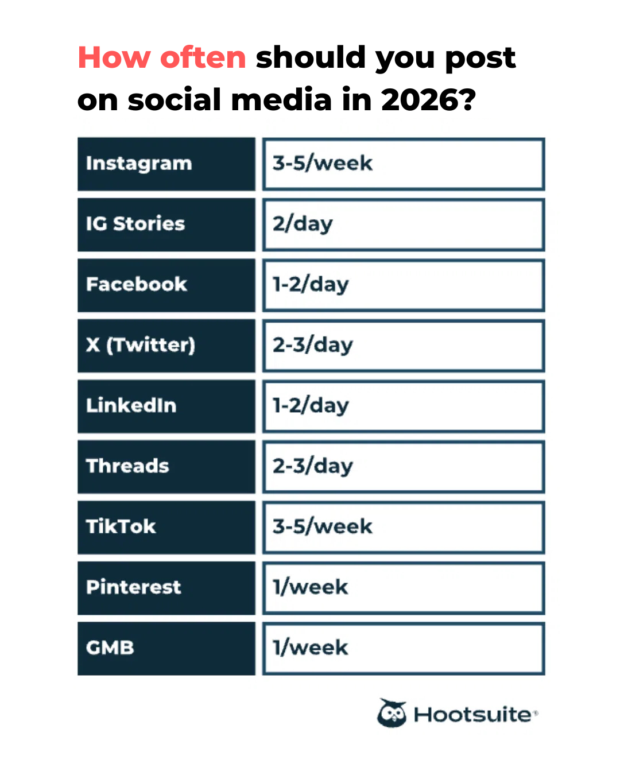
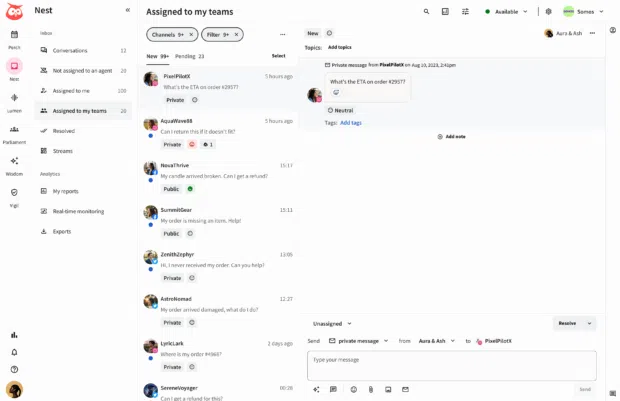
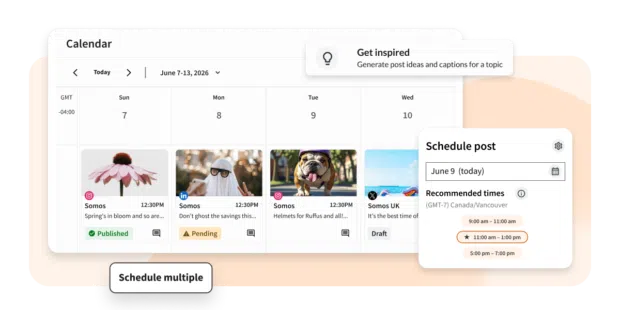
Scheduling posts in advance is a critical practice to prevent burnout and ensure a consistent content flow. Research suggests varying optimal posting frequencies across platforms: 3 to 5 posts per week on Instagram and TikTok, 1 to 2 posts daily on Facebook and LinkedIn, 2 to 3 posts daily on X and Threads, and approximately 1 post per week on Pinterest and Google Business Profile. Utilizing a social media scheduler allows teams to plan content strategically, optimize posting times for maximum reach, and adapt quickly to unexpected events. Beyond publishing, proactive engagement is crucial. Streamlined inbox management, facilitated by unified inboxes like Hootsuite’s Nest, ensures that all comments and messages are captured, assigned, tracked, and resolved efficiently. Setting specific response windows (e.g., 9-10 AM for urgent messages, 1-2 PM for general comments) prevents constant context switching and ensures timely customer care. Automated direct messages can also provide instant replies to frequently asked questions, enhancing audience experience. A good engagement rate, generally between 1% and 5% depending on the industry, is often achieved through consistent, thoughtful interaction, often guided by principles like the 5-5-5 rule (liking 5 posts, commenting on 5, responding to 5 messages daily).
6. Governance, Compliance, and Risk Mitigation
As the number of individuals with posting privileges grows, robust approval workflows and governance structures become non-negotiable, particularly in highly regulated sectors like healthcare, finance, and government. A centralized system is essential for reducing social media risks and maintaining compliance. This includes defining clear roles and permissions for content creation, review, and publishing; establishing comprehensive social media policies; and utilizing built-in approval steps and archiving capabilities. Tools like Hootsuite’s Vigil support the governance and compliance side, ensuring oversight across all accounts and maintaining an auditable record of all social activity.
7. Data-Driven Performance and Reporting
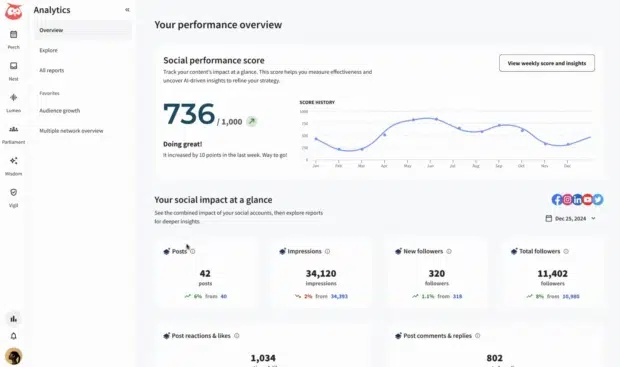
Regular performance reviews are indispensable for effective multi-account management. Conducting a routine social media audit allows teams to identify what strategies are yielding results and what needs adjustment. Key metrics to monitor include reach, engagement rate, website traffic, conversion rates, and audience growth. Jose-Andres Camacho emphasizes that cross-account reports are crucial for identifying problems early, such as small dips in engagement or slowed audience growth, allowing for timely corrective action. With US social network ad spending projected to exceed $121 billion in 2026, demonstrating clear ROI through comprehensive reporting is vital for justifying investment and securing leadership buy-in. Hootsuite Social OS analytics consolidates performance data from all platforms into a single dashboard, facilitating easy tracking and analysis.
8. The Power of Social Listening
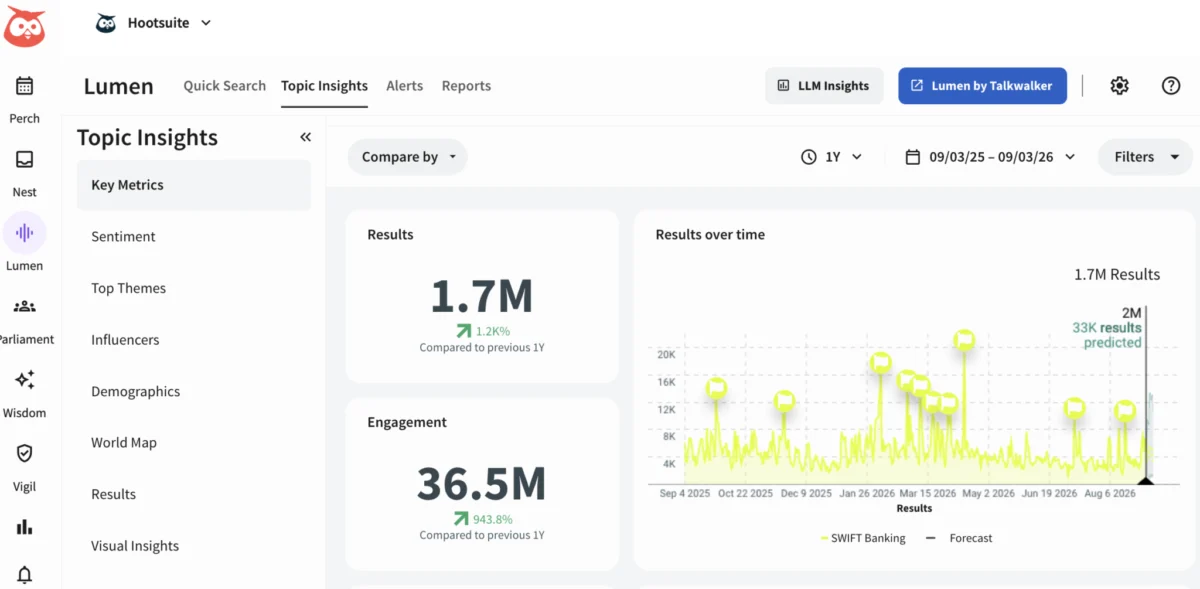
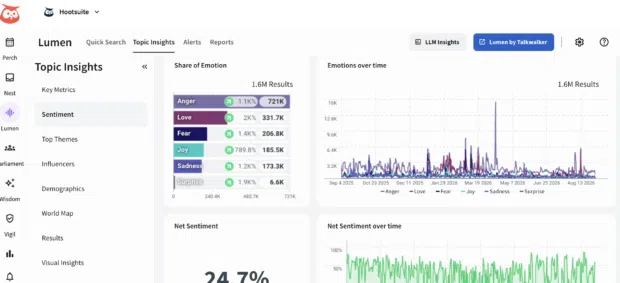
Beyond direct engagement, dedicating time for social listening is a critical practice for understanding audience sentiment, identifying emerging trends, and uncovering new opportunities. Social listening tools, such as Hootsuite’s Lumen, enable teams to monitor brand mentions, track competitor activities, identify key influencers, and understand the broader conversation surrounding their industry. This proactive approach allows brands to engage meaningfully, respond to feedback, and adapt their strategies based on real-time market intelligence. Camacho also advises "strategic saves" of inspiring posts on platforms like Instagram and X, creating a library of effective content examples for future reference or creative briefs.
9. Making Social Impact Visible
Reporting is not merely an administrative task; it is the mechanism by which social media efforts demonstrate their tangible value to the organization. Effective reporting should clearly link social media activities to broader business objectives, communicate ROI, highlight key successes and learnings, and provide actionable insights for future strategy. This involves tailoring reports to different stakeholders, focusing on outcomes rather than just vanity metrics, and presenting data in a clear, concise, and compelling manner. Regular executive summaries, quarterly business reviews, and even internal newsletters can effectively communicate social media’s contribution to overall business growth.
10. Operational Excellence: Team Structure and Workflow Habits
Beyond tools and steps, sustained success in multi-account management hinges on cultivating efficient team structures and workflow habits.
Mastering Context Switching Between Brands
For social media managers juggling multiple brands, constant context switching can be mentally taxing and lead to errors. As Camacho notes, "Context switching can humble you real quick." To mitigate this, time-boxing work for different clients or brands and allowing for a true mental reset between shifts is crucial. Before diving into content creation for a specific brand, reviewing its tone guide, examining past successful posts, and even briefly checking competitor accounts can help recalibrate and ensure the right voice and perspective are adopted.
Editorial Planning and Synchronization
Proactive planning is key to staying ahead. Implementing weekly check-ins, such as a "20-minute social editorial review" at the start of each week, as recommended by Camacho, allows teams to review calendars, identify potential blockers, and make necessary adjustments. Pairing comprehensive social media calendars with these regular team syncs ensures schedules are managed effectively, campaigns are coordinated, and workflows remain steady across all accounts and clients.
Organizing Your Team for Multi-Account Management
Clear ownership and defined roles are as important as clear calendars. A well-articulated social media policy should assign responsibilities for content creation, review, and publishing for each account, matching these roles to platform permissions. A scalable team structure might involve a Social Media Lead overseeing strategy, Content Creators developing assets, Community Managers handling engagement, and a Compliance Officer ensuring adherence to guidelines. Regular, short stand-up meetings with creative teams, as suggested by Camacho, can foster lively idea exchange, keep projects on track, and ensure fresh perspectives are integrated across accounts.
Leveraging Artificial Intelligence for Enhanced Efficiency
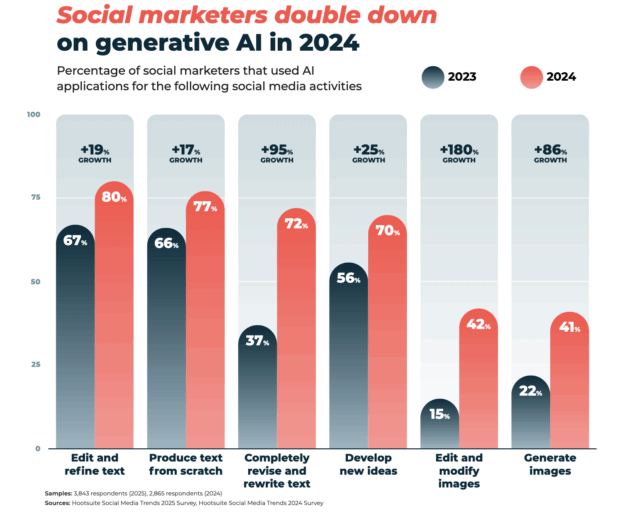
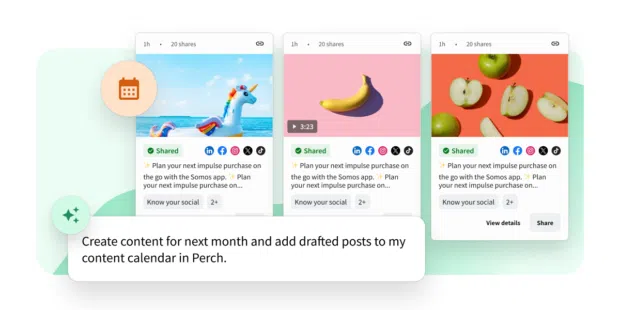
The integration of Artificial Intelligence (AI) is rapidly transforming multi-account social media management, primarily by automating repetitive tasks and augmenting human capabilities. AI excels at generating first drafts of content, spotting emerging trends, resizing images, summarizing performance data, and providing sentiment analysis. While AI does not replace strategic thinking or brand judgment, it significantly reduces the "busywork" that often consumes a social media professional’s week. Camacho strongly advocates for its adoption, stating, "If you’re not using AI, you’re already behind. AI is a free, always-on intern that doesn’t sleep and actually gets stuff done." Hootsuite’s Wisdom, for instance, serves as an AI layer across its ecosystem, assisting with drafting posts, repurposing content, surfacing contextual intelligence from listening data, and facilitating insights flow between applications. Beyond integrated tools, external AI-powered platforms like ChatGPT, Claude, Jasper, Grammarly, Copy.ai, Adobe Express, and Canva Magic Design can be invaluable for brainstorming, caption writing, and design assistance. The key is not just to use AI, but to actively train it to align with specific brand voices and objectives.
Choosing the Right Management Solution
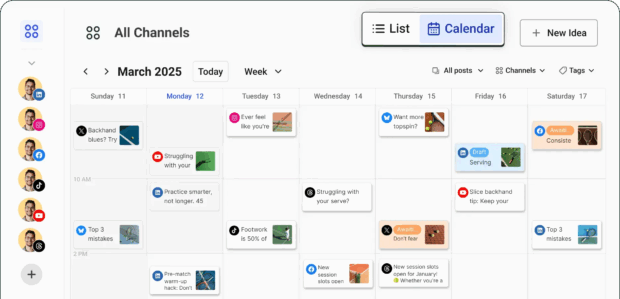
Selecting the appropriate social media management tool is a pivotal decision for organizations juggling multiple accounts. While most tools can schedule a post, their true value emerges when managing complexity at scale. Key criteria for selection include:
- Platform Integrations: How many and which social networks does it support?
- Team Collaboration Features: Are there robust approval workflows, role-based permissions, and shared calendars?
- Analytics and Reporting: Does it offer in-depth, customizable analytics across all accounts?
- Social Listening Capabilities: Can it monitor conversations, sentiment, and trends?
- Customer Support and Training: What level of support is available, especially for enterprise needs?
- Scalability: Can the tool grow with your organization’s expanding social media footprint?
- AI Integration: How effectively does it leverage AI for efficiency gains?
- Compliance and Governance: Does it offer features for archiving, auditing, and risk management?
Hootsuite
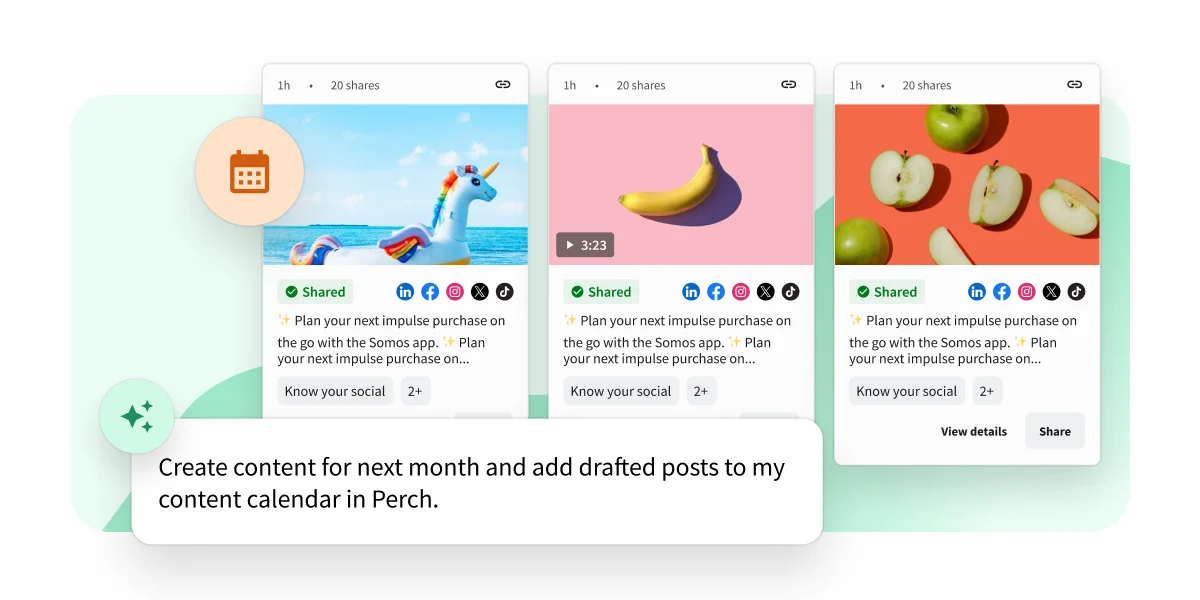
Hootsuite Social OS stands out as a comprehensive social operating system designed for busy social teams. Its integrated suite — Perch for planning and publishing, Nest for customer care, Lumen for listening and analytics, and Wisdom for AI-powered coordination — allows seamless management across accounts. Hootsuite’s flexibility, extensive toolset, and robust integrations make it a strong choice for enterprises requiring scalable solutions for complex multi-brand or global operations. It provides advanced analytics, multi-level approval workflows, and strong compliance support through Vigil, addressing the full spectrum of enterprise social media needs.
Planable
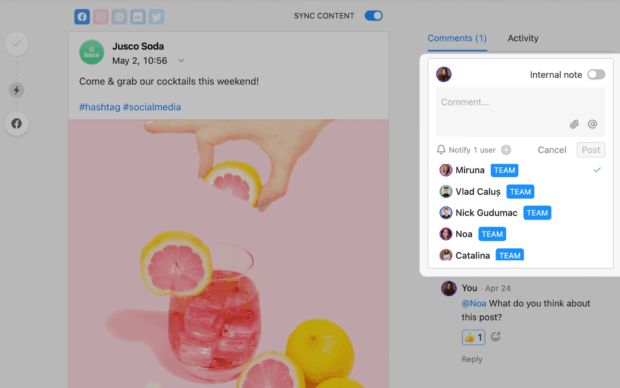
Planable excels as social media management software primarily focused on content approvals and collaboration. Its intuitive interface is well-suited for agencies and teams where streamlined content review is a top priority. While effective for organizing content and feedback, Planable offers more basic analytics and lacks native social listening features, making it potentially less suitable for organizations requiring deep performance