Muslim
The Evolving Dynamics of Social Media Roles: A Historical Context

The journey of social media in the corporate sphere has been one of continuous evolution. What began in the late 2000s as a peripheral marketing function, often handled by an intern or a junior marketing assistant, has matured into a core strategic pillar for businesses globally. Initially, the focus was primarily on establishing a presence and broadcasting messages. Early social media managers were generalists, tasked with content creation, community engagement, and rudimentary analytics across a handful of emerging platforms like Facebook and Twitter.
The 2010s saw the rise of visual platforms like Instagram and YouTube, demanding specialized skills in graphic design and video production. The mid-2010s ushered in the era of paid social, transforming social media from a purely organic play into a significant advertising channel, necessitating specialists in ad campaign management and performance marketing. By the early 2020s, the emphasis shifted further towards data-driven strategies, community building, and customer service integration, transforming social media departments into multifaceted hubs. Now, in 2026, the advent of sophisticated artificial intelligence tools marks another profound shift, not replacing human talent but augmenting it, demanding a new blend of technical proficiency and irreplaceable human judgment. This chronological progression underscores the need for adaptability and continuous upskilling within social media teams.

The 2026 Social Media Landscape: A Strategic Imperative
In 2026, a social media team is a blend of human ingenuity and AI-powered precision. This dynamic is not merely an optional enhancement but a strategic imperative. Artificial intelligence has fundamentally reshaped workflows, enabling teams to automate repetitive tasks, personalize content at scale, and derive deeper insights from vast datasets. As reported by LinkedIn research, AI job postings have roughly doubled since 2023, reflecting a clear industry trend where AI fluency is no longer a niche skill but a baseline expectation across almost every role.
The financial stakes in social media are substantial and growing. Projections indicate that US social network ad spending is forecast to exceed $121 billion in 2026. This monumental investment underscores the critical need for highly skilled paid social specialists who can optimize campaigns, manage substantial budgets, and deliver measurable ROI. Beyond paid media, the fragmentation of platforms—with established giants like TikTok, Instagram, and LinkedIn alongside emerging niche platforms and evolving functionalities on X (formerly Twitter)—requires teams to possess diverse platform-specific expertise. Each platform demands a unique content strategy, tone of voice, and engagement approach.
Furthermore, social media’s intersection with other critical business functions has deepened. It is no longer isolated but deeply intertwined with customer care, acting as a frontline for support and feedback. It serves as a vital channel for content marketing, distributing brand narratives and thought leadership. It is also an indispensable component of brand strategy, shaping public perception and fostering brand loyalty. This cross-functional integration necessitates a social media team that can collaborate seamlessly with various departments, from sales and product development to legal and public relations, ensuring consistent messaging and brand integrity across all touchpoints.

Blueprint for Success: Optimal Team Structures in a Dynamic Era
The ideal social media team structure in 2026 remains fluid, contingent upon a company’s stage of growth, specific business objectives, and available resources. However, general benchmarks offer a valuable starting point.

- Startup / Early Stage (1-2 people): Typically, this involves one highly adaptable generalist social media manager, often supported by a freelance designer or video editor for specialized content needs. The focus is on establishing a foundational presence, testing content formats, and building an initial audience. Agility and resourcefulness are paramount.
- Mid-Market / Scale-up (3-5 people): As a company grows, the team expands to include a dedicated team lead who owns global strategy, alongside specialists in content creation, paid social, and community management or engagement. This stage emphasizes scaling operations, optimizing performance, and building a more robust brand narrative. The Hootsuite team, for instance, operates with four core members managing strategy, content creation, and overall social marketing, demonstrating the efficiency possible with a well-aligned mid-sized team leveraging advanced tools.
- Enterprise (6-12+ people): Large organizations often employ a senior leader to oversee global strategy, with execution handled by specialists organized by function (e.g., paid, organic), platform, or geographic region. This structure allows for localized content and nuanced engagement, often supplemented by external agency support for surge capacity or highly specialized campaigns. Appian, an enterprise tech company, exemplifies this hybrid model, utilizing both internal expertise and agency partners to maintain a consistent message across diverse channels and campaigns. This ensures a broad reach while maintaining brand consistency.
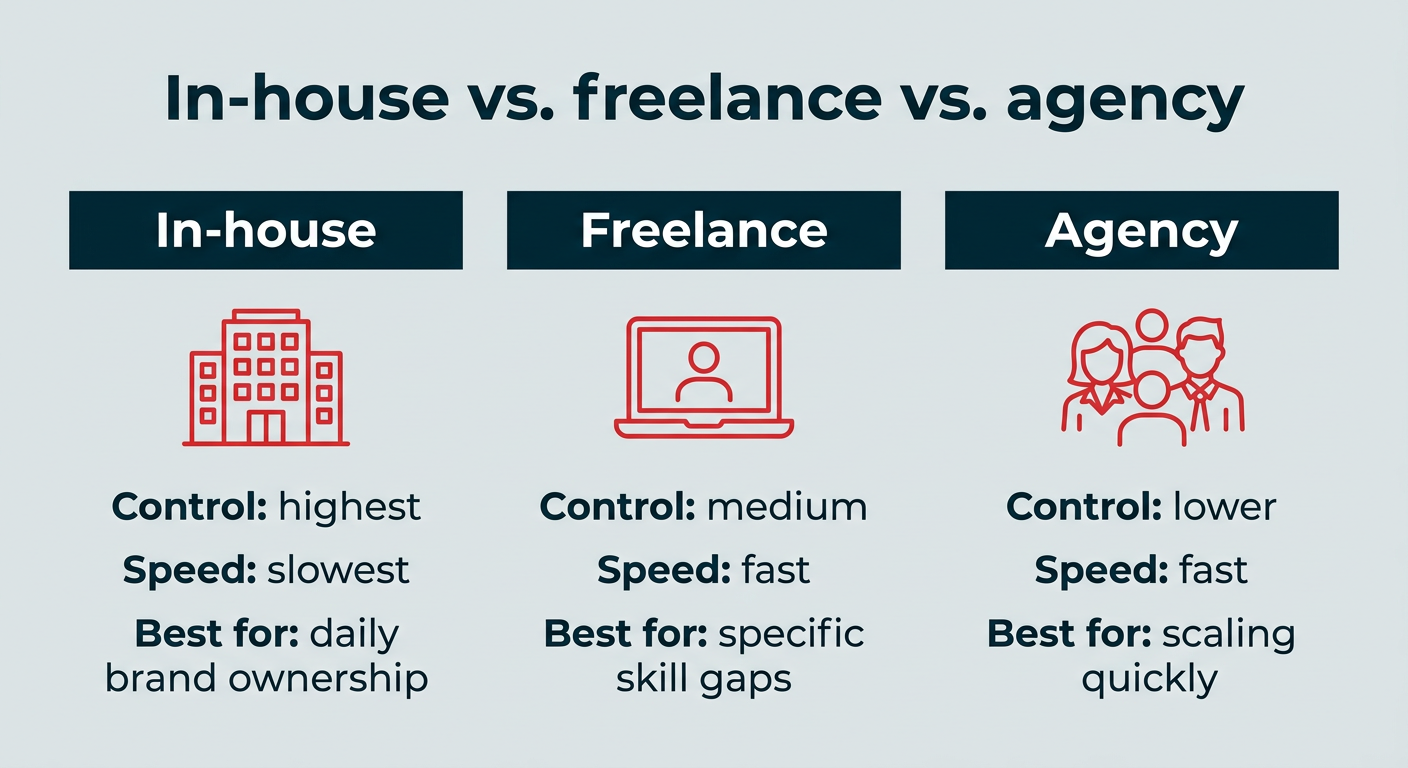
The trend towards hybrid models, incorporating in-house talent, freelancers, and agencies, is gaining traction. In-house teams provide ultimate brand control and deep institutional knowledge, freelancers offer specialized skills for project-based work without the overhead of full-time hires, and agencies deliver breadth, speed, and market-specific expertise, particularly useful for launching new markets or rapidly scaling paid campaigns. This flexibility allows businesses to adapt their social media capabilities to fluctuating demands and strategic priorities without committing to rigid internal structures.
Identifying the Tipping Point: When to Expand Your Social Team
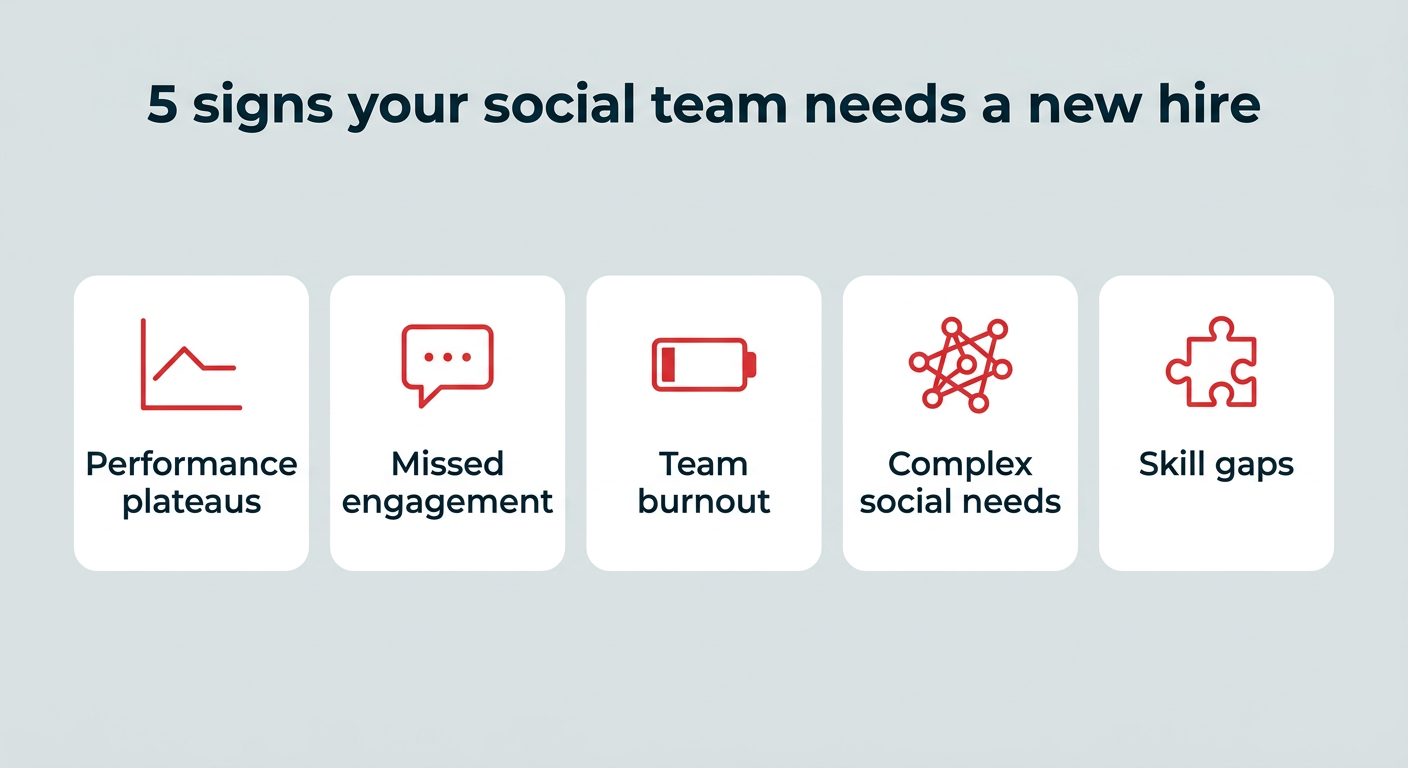
Recognizing the opportune moment to expand a social media team is crucial for sustained growth and preventing burnout. The primary indicators are clear: consistent underperformance against goals, missed engagement opportunities, team exhaustion, and glaring skill gaps. Fundamentally, the work volume increases, but the results stagnate or decline.
- Performance Plateaus: If key metrics like engagement rate, follower growth, or conversion rates stall despite increased effort, it signals that the current team’s capacity or specialized skills are insufficient to break through to the next level. This implies missed revenue opportunities and a failure to capitalize on market trends.
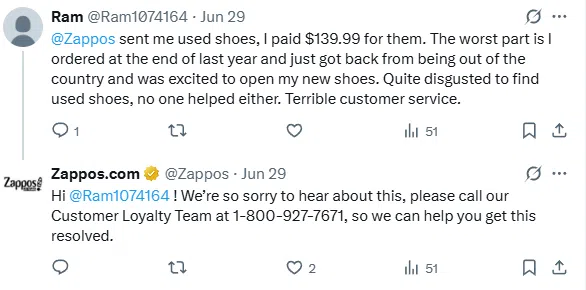
- Missed Engagement Opportunities: A backlog of unanswered comments, unaddressed customer queries, or neglected trending conversations indicates a team stretched too thin. This directly impacts brand sentiment and customer loyalty, as exemplified by a Zappos-like scenario where timely customer service on social media is paramount.
- Team Burnout: Social media is a demanding, always-on field. Overworking a small team leads to fatigue, reduced creativity, and high turnover. As one Reddit user, GlowingGoddess7, succinctly put it, burnout is a definitive sign it’s time to hire. The connection between business growth and team growth is linear; when conversation volume outstrips capacity, additional headcount becomes essential.
- Skill Gaps: The emergence of new platforms, content formats (e.g., short-form video dominance), or analytical requirements often reveals skill deficiencies within an existing team. Hiring for specific competencies, such as an expert in TikTok trends or advanced social analytics, is vital to stay competitive.
As Pattnaik, a seasoned social media expert, notes, "When the work volume increases, and the conversations we need to participate in or respond to are growing over capacity, that’s when we decide to hire an additional person." He also emphasizes hiring when the team lacks competence in a new area. Kwok, a Former Social & Influencer Marketing Strategist at Hootsuite, echoes this, highlighting the multifaceted nature of social media work: "Working in social media involves content strategy and creation, analytics, social listening, engagements, support in managing your social inbox, and other tasks that directly affect your organic reach. The minute the one-person-social-team feels like they can’t give each task their undivided attention, it’s time to hire additional headcount.”

Ultimately, hiring readiness is less about company size and more about business goals. A startup with aggressive growth targets and a strong reliance on social media for lead generation may need to hire specialists earlier than a larger, more established company with a stable customer base and less emphasis on rapid social expansion. The decision should align with where the business is headed, not just where it currently stands.
Key Roles in the Modern Social Media Ecosystem: Beyond the Generalist
In 2026, social media roles are increasingly specialized, though a foundational understanding of multiple disciplines remains valuable. Before posting a job, organizations must conduct a thorough inventory of required skills, mapping them precisely to the appropriate roles.
- Social Media Manager (SMM): This remains the foundational hire, overseeing overall strategy, content planning, scheduling, and day-to-day execution. In 2026, an SMM must be adept at integrating AI tools into their workflow for content optimization and efficiency, while retaining ultimate editorial judgment. The average total pay for an SMM in the US is around $91,000 per year, according to 2026 Glassdoor data.
- Social Media Strategist: Focusing on the big picture, this role involves data analysis, audience targeting, performance review, and aligning social plans with broader business objectives. While similar to an SMM, a strategist leans more heavily into analytical insights and future-proofing the social media approach. They are critical when a team needs direction more than additional "hands." Average total pay for a strategist is approximately $93,000 annually.
- Content Creator / Video Producer: This role shapes the brand’s voice and visual identity, creating compelling copy, graphic designs, and, crucially in 2026, short-form video content optimized for platforms like TikTok and Instagram Reels. With the continued dominance of video, this role often splits into dedicated videographers and graphic designers in larger teams. Average total pay for a content creator/coordinator is around $53,000 per year.
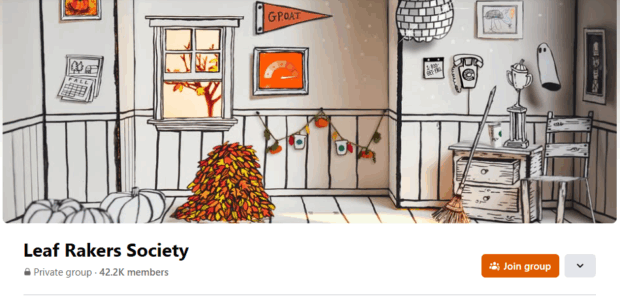
- Community Manager: Tasked with building and protecting brand reputation, this individual leverages social listening tools to monitor mentions, engage in conversations, and foster a positive brand community (e.g., Starbucks’ "The Leaf Rakers Society"). Strong interpersonal skills, empathy, and crisis management abilities are paramount. If brand sentiment is a concern or community engagement is lacking, this hire is vital. Average total pay is approximately $66,000 annually.
- Paid Social Specialist: With US social network ad spending exceeding $121 billion in 2026, this role is essential for lead generation and rapid growth. Specialists manage ad campaigns, allocate budgets, optimize ad spend, and track performance across various platforms. They often collaborate with content creators to produce high-performing ad creatives. Average total pay for a paid social specialist is around $65,000 per year.
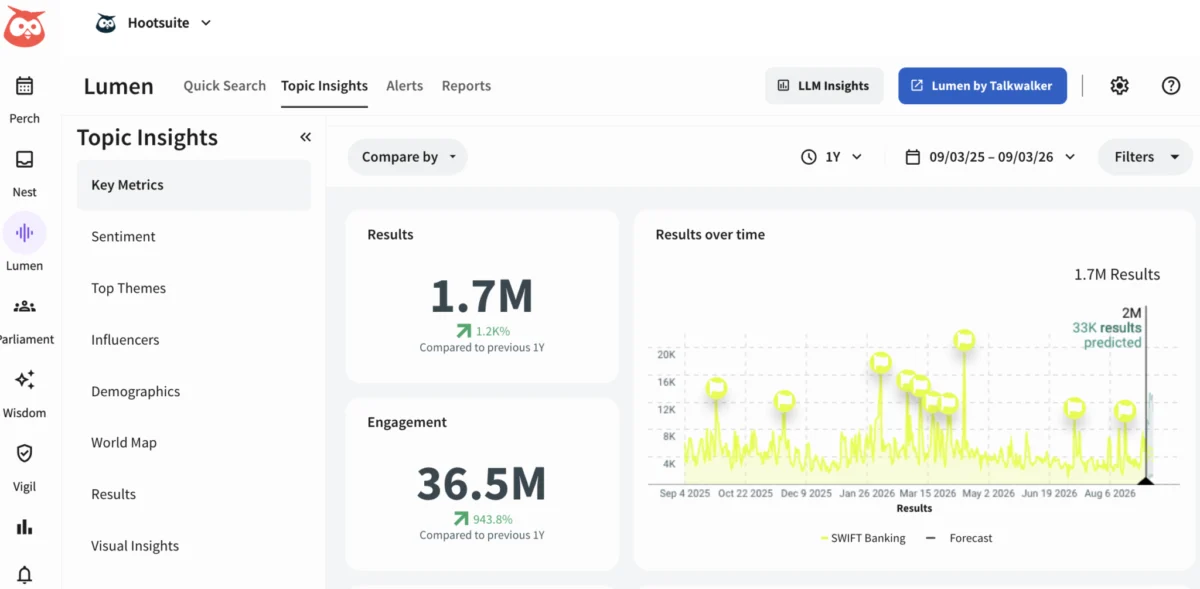
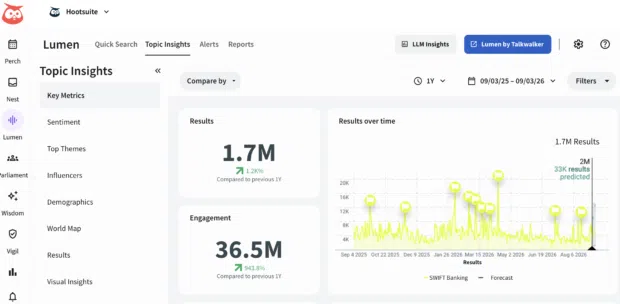
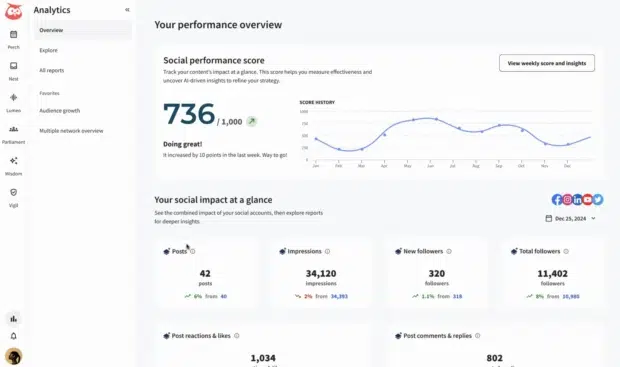
- Social Analytics Lead: This specialist transforms raw social media metrics (both organic and paid) into actionable insights. They analyze channel ROI, customer lifetime value from social leads, and audience responses to different messages, driving data-informed business decisions. Tools like Hootsuite’s Lumen are crucial for gathering and visualizing this complex data. If a business is generating vast amounts of data but struggling to derive meaningful insights, this role is a necessity. A marketing analyst (which encompasses social analytics) averages around $115,000 per year in total pay.
- Customer Care / Social Support Specialist: Often overlooked, this role addresses customer questions, complaints, and feedback directly on social media platforms. They protect brand reputation and foster customer loyalty by providing timely and effective support. This role is crucial when social media becomes an integrated part of the overall customer service operation.
Salary benchmarks, though variable by experience, location, and company size, offer a guiding principle. The US Bureau of Labor Statistics reported a 2025 median annual wage of $165,780 for advertising, promotions, and marketing managers, indicating the significant value placed on senior leadership in this domain. However, individual contributor roles typically fall below this, with Glassdoor’s self-reported data (from 2026) providing more granular insights into role-specific compensation. It is critical for employers to be transparent about salary ranges in job postings, as many senior social roles are unfortunately posted with junior-level pay, wasting both candidate and company time.

The AI Imperative: Integrating Artificial Intelligence into Social Media Roles
Artificial intelligence is not merely a tool but a foundational shift, reshaping every social media role rather than replacing it. The expectation in 2026 is that any social media hire, regardless of their primary function, possesses a working knowledge of AI tools and understands how to leverage them for efficiency and impact. This extends beyond basic familiarity to strategic application.
Key AI skills to probe for in interviews include:
- Prompt Engineering: The ability to craft effective prompts for generative AI (e.g., for drafting captions, brainstorming content ideas, summarizing long reports).
- AI-Driven Content Optimization: Understanding how AI can analyze content performance and suggest improvements for higher engagement.
- Automated Social Listening & Sentiment Analysis: Proficiency in using AI-powered tools to monitor brand mentions, track trends, and gauge public sentiment more efficiently.
- Predictive Analytics: Utilizing AI to forecast trends, identify emerging conversations, and anticipate audience behavior for proactive strategy development.
- Ethical AI Use: A critical understanding of the biases and limitations of AI, and the importance of human oversight, fact-checking, and ethical considerations in content creation and audience engagement.
- Data Summarization & Reporting: Leveraging AI to quickly distill complex data sets into digestible reports, freeing up human analysts for deeper strategic interpretation.
While some larger enterprises might formalize an "AI Social Media Strategist" role to oversee AI integration and best practices, in smaller organizations, these responsibilities typically fold into existing roles. AI tools, such as Hootsuite Social OS’s AI-powered insights, streamline tasks like scheduling, reporting, and identifying relevant conversations. However, core human strengths—creative judgment, nuanced community instincts, strategic thinking, and emotional intelligence—remain irreplaceable. The ability to discern when to override AI output with human wisdom is paramount.
Recruitment and Retention: Crafting Compelling Job Descriptions and Interview Strategies
Effective recruitment in 2026 hinges on transparency, precision, and an emphasis on demonstrable results.
Crafting Clear Job Descriptions:
Job descriptions must move beyond vague requirements to clearly articulate day-to-day responsibilities, required platform expertise, must-have versus nice-to-have skills, and explicit metrics for success. As Kwok advises, "Be realistic about the position. A lot of roles tend to bake in graphic design, video production, running paid ads, influencer marketing, community, etc. Those are completely different roles, and while they can fall under the social team, a sole person cannot be expected to do that all.” Transparency about compensation is also vital; providing a salary range upfront saves time and builds trust with candidates.
Where to Find Talent:
Beyond traditional job boards, proactive sourcing on social platforms themselves is effective. LinkedIn, X, Facebook Groups, industry-specific communities (e.g., Reddit’s r/socialmedia), and professional associations are excellent hunting grounds. Engaging with relevant content creators and thought leaders directly can also yield strong candidates who are already immersed in the social landscape.

Interview Strategies:
The most effective interview questions are open-ended, designed to reveal a candidate’s thought process, decision-making, and practical application of skills. Beyond basic qualifications, questions should delve into:
- "Describe a social media campaign you managed from concept to execution. What were the goals, challenges, and measurable outcomes?"
- "How do you stay updated on new social media platforms, algorithms, and AI tools?"
- "How would you handle a PR crisis unfolding on social media?"
- "Which brands do you believe excel at social media marketing, and why?" (Kwok emphasizes looking for niche examples beyond the obvious corporate giants).
- "How do you use data and analytics to inform and adjust your social media strategy?"
- "Describe a situation where you used an AI tool for social media. What was the task, how did you use AI, and what human adjustments did you make to the output?"
Red Flags:
During interviews, beware of generic answers, a lack of platform-specific nuance (e.g., applying a TikTok strategy to LinkedIn), an inability to discuss measurable results, and a disinterest in data. Pattnaik stresses the importance of data-driven candidates: "If someone demonstrates that they are data-driven and have been fairly engaged in the channels, it gives me confidence that they know ‘what works’ on that specific social media channel." A lack of curiosity about emerging trends, including AI, is also a significant concern in 2026.
Fostering a High-Performing Social Team: Onboarding, Tools, and Continuous Learning
Hiring exceptional talent is merely the first step; equipping them for success is equally critical.
Tools and Workflows:
Investing in robust social media management platforms like Hootsuite Social OS is essential. These platforms offer centralized content creation, scheduling, collaboration, approval workflows, and comprehensive analytics (e.g., Lumen). They allow teams, regardless of size, to operate efficiently, maintain brand consistency, and measure performance effectively across diverse channels.
Structured Onboarding:
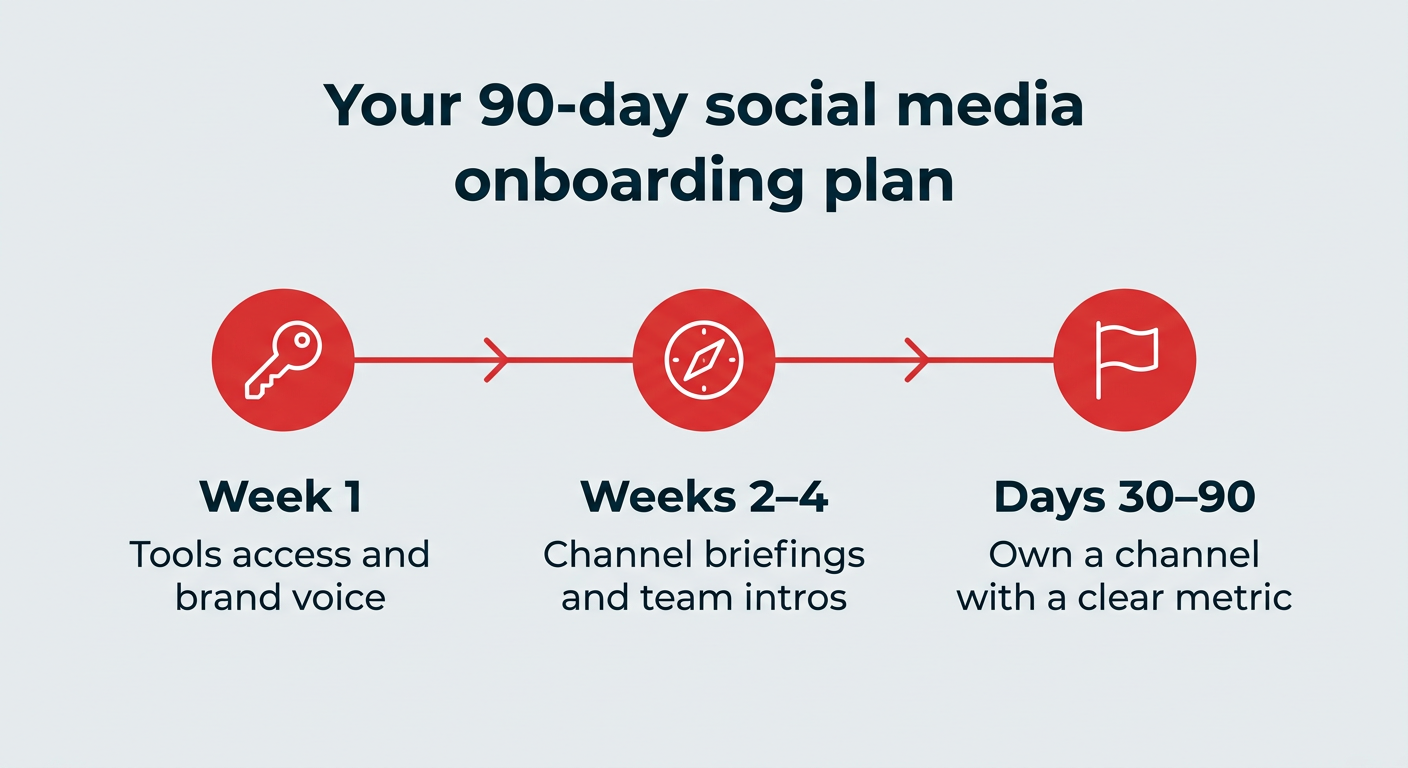
A comprehensive 90-day onboarding plan ensures a new hire quickly integrates and contributes meaningfully:

- Week 1 (Immersion): Grant tool access, provide training on the social media management platform, introduce brand guidelines, voice, and tone.
- Weeks 2-4 (Deep Dive): Briefings on platform-specific strategies, review of past campaigns, introductions to key cross-functional partners (customer care, content, legal, sales).
- Day 30-90 (Ownership): Assign ownership of a specific channel or a smaller campaign with clear, measurable objectives. Encourage participation in team meetings and strategic discussions.
Continuous Upskilling and Learning:
The social media landscape is perpetually shifting, making ongoing education non-negotiable. LinkedIn research from 2025 indicates that 77% of HR professionals prioritize upskilling initiatives. Social media teams must dedicate time and resources to staying current:
- Industry Events & Webinars: Attending virtual or in-person conferences and webinars on new platforms, AI applications, and evolving best practices.
- Internal Knowledge Sharing: Regular team meetings to discuss new trends, share successful tactics, and review platform updates.
- Certifications & Courses: Encouraging completion of certifications from platforms (e.g., Meta Blueprint, Google Ads) and specialized courses in areas like advanced analytics, video editing, or AI prompt engineering.
- Experimentation & A/B Testing: Fostering a culture where team members are encouraged to experiment with new content formats, engagement tactics, and AI tools, learning from both successes and failures.
In 2026, building a winning social media team requires more than just filling roles; it demands a strategic investment in talent, technology, and continuous development. Organizations that embrace this holistic approach will be best positioned to harness the power of social media for sustained business growth and brand leadership in an increasingly dynamic digital world.

 Pevita Pearce

 Laily UPN