


The landscape of digital growth is undergoing a fundamental transformation, shifting away from rigid frameworks toward a more fluid, experience-driven methodology. This evolution is particularly evident in the 24th installment of the CRO Perspectives series, which features an in-depth interview with Mayowa Aderogbin, the Head of Business Marketing at Pierrine Consulting. Based in Nigeria, Aderogbin oversees marketing strategies in one of the world’s most dynamic and heterogeneous markets, providing a unique vantage point on how businesses can scale using a combination of conversion rate optimization (CRO), product marketing, and data-driven experimentation.
As businesses globally grapple with rising customer acquisition costs and fragmented user attention, Aderogbin’s insights offer a blueprint for integrating martech platforms—such as HubSpot, Salesforce, and Google Tag Manager—with a mindset focused on grit and real-world application. His tenure at Pierrine Consulting has been marked by a focus on turning abstract data into tangible business outcomes, emphasizing that the most effective growth levers are often found in firsthand experience rather than theoretical models.
The Convergence of B2B and B2C Product Experiences
Historically, Business-to-Business (B2B) and Business-to-Consumer (B2C) marketing were treated as distinct disciplines with separate priorities. B2C focused on emotional engagement and speed, while B2B prioritized utility and return on investment (ROI). However, Aderogbin observes a significant overlap emerging between these two spheres. Modern B2B buyers now expect the same level of intuitive design, instant gratification, and brand resonance typically associated with B2C platforms.
This shift is driven by a broader trend where products are no longer just tools but “experience-led propositions.” While value delivery and seamless integration remain the bedrock of B2B success, the user experience (UX) has become a critical differentiator. As more software solutions cover basic functional requirements, the competitive edge shifts toward user-centricity and data-driven iteration. Industry analysts suggest that this convergence is a result of the “consumerization of IT,” where professionals expect the workplace tools they use to be as polished as the social media or e-commerce apps they use in their personal lives.

Navigating Non-Linear Customer Journeys
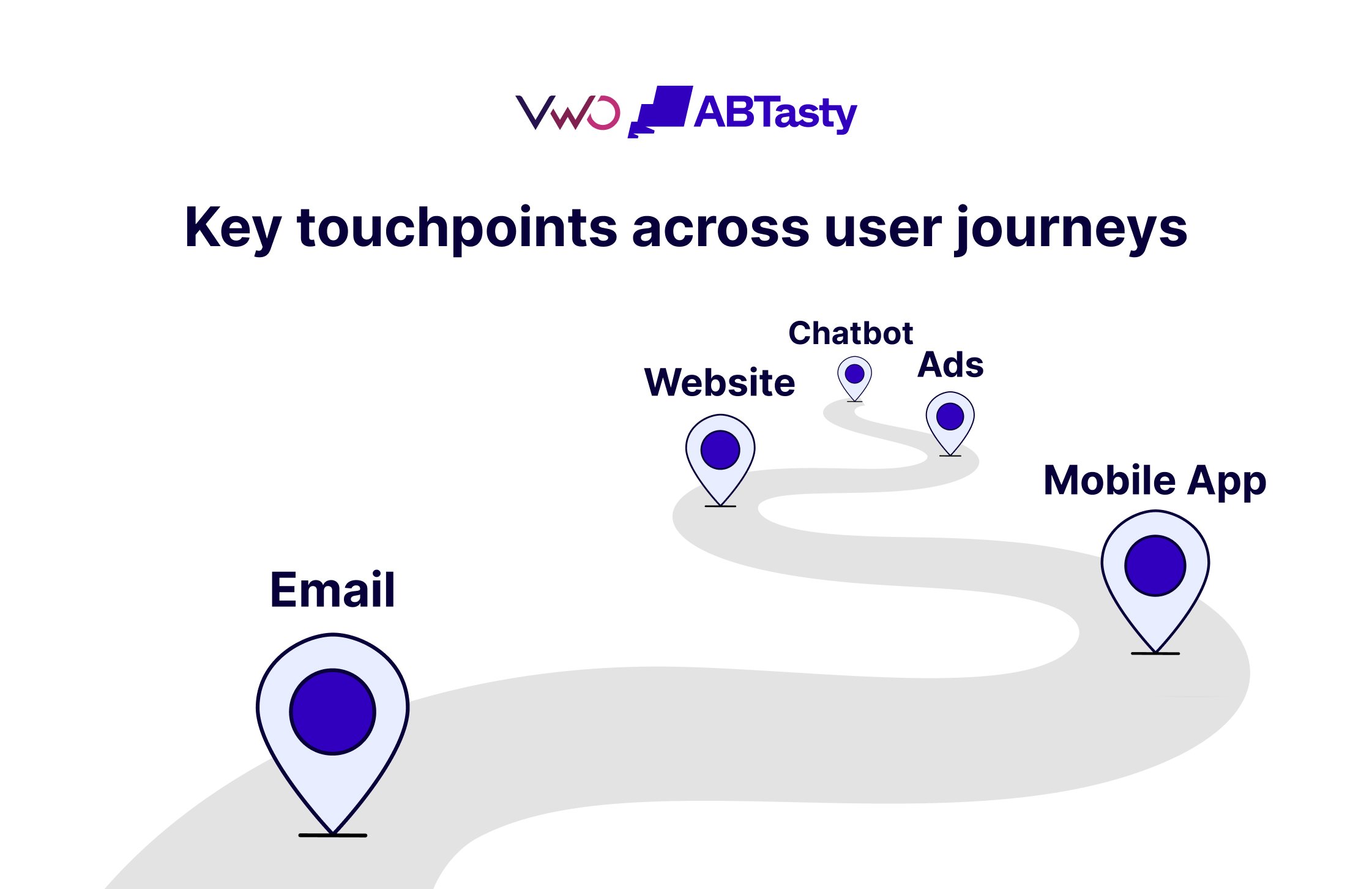
The traditional marketing funnel, which assumes a linear progression from awareness to purchase, is increasingly viewed as obsolete. Aderogbin describes the modern growth path as a “hydra-headed journey” spanning multiple devices and touchpoints. To manage this complexity, he advocates for an experimentation mindset that captures data across various interactions.
Aderogbin emphasizes the importance of unified data lakes that track cross-device behavior. However, he cautions against “over-teching” the marketing engine. For many teams, the hurdle is not a lack of tools but a lack of focus. He suggests starting with a small number of high-value data sources—specifically website analytics, CRM data, and sales data—to drive meaningful decisions.
“Consistency in naming conventions, ownership, and reporting standards are often more important than complex technology in the early stages,” Aderogbin notes. He recommends using low-cost cloud tools and establishing clear data governance from the outset. This “nimble” approach allows teams to be agile, ensuring that knowledge is documented and transferable across the organization.
Integrating Performance Marketing with CRO
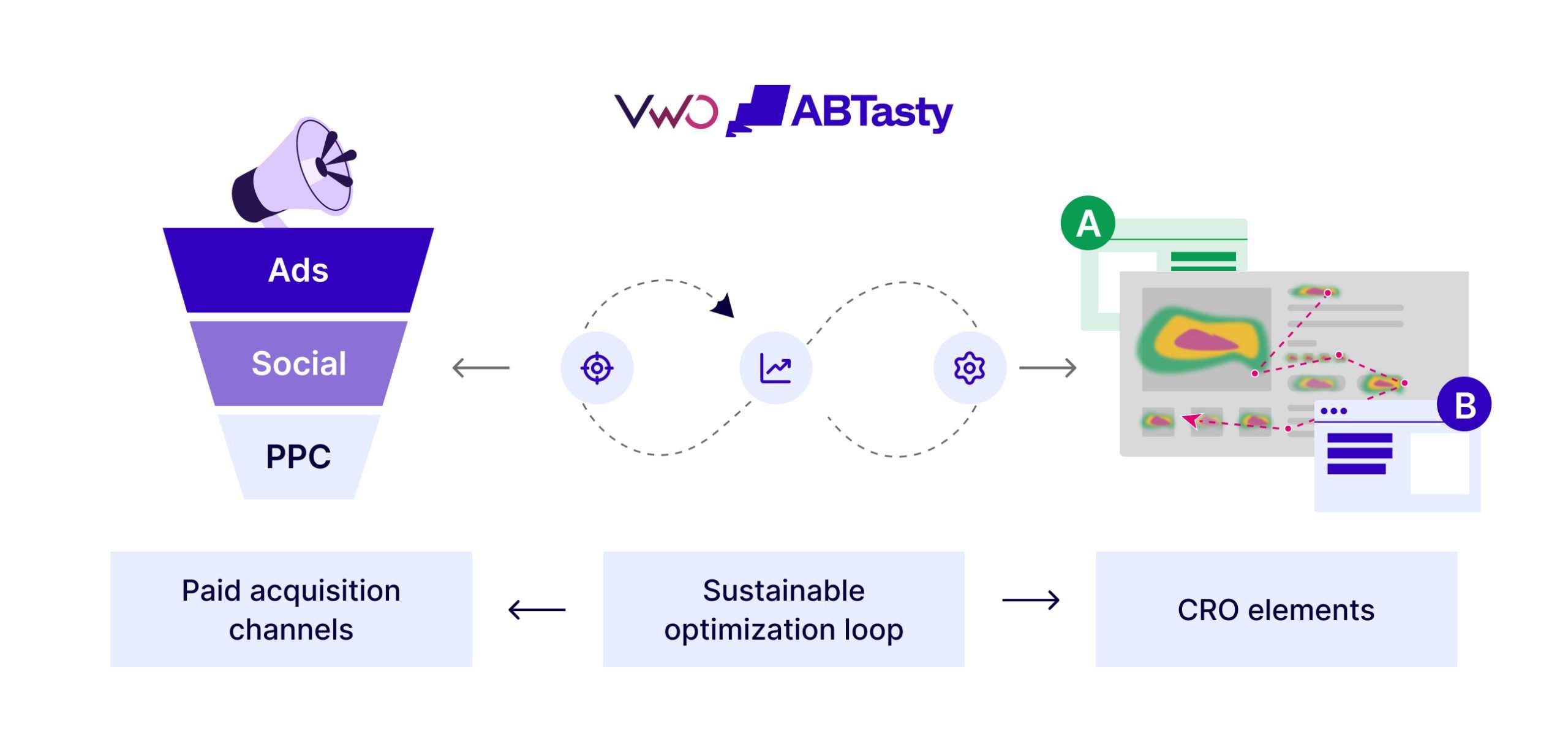
One of the most significant challenges in modern marketing is the disconnect between performance marketing (paid ads) and conversion rate optimization. Performance marketing often focuses on “quick wins” and immediate lead generation, which can lead to a cycle of dependency on advertising spend. Aderogbin argues for a more sustainable approach where targeted advertising and Account-Based Marketing (ABM) are enriched with UX testing and persona-informed content.
At Pierrine Consulting, this integration has led to measurable improvements in lead quality. By aligning the performance team, which identifies high-intent traffic, with the CRO team, which simplifies user journeys and refines copywriting, the firm has seen a significant increase in Sales Qualified Leads (SQLs). A key finding from their internal testing revealed that landing page conversion rates were approximately 20% higher for user journeys that originated from the homepage compared to those coming from direct ad clicks. This led to a strategic pivot, transforming the corporate homepage into an “insight hub” that funnels traffic more effectively toward lead generation pages.

Aderogbin asserts that performance marketing must have a seat at the business development table. Without accountability for lead quality and commercial outcomes, the optimization cycle remains incomplete. This holistic view ensures that marketing spend is not just driving traffic but is contributing to the long-term ROI of the business.
The African Context: Experimentation as Risk Mitigation
Operating in Africa presents a unique set of challenges and opportunities. The continent is characterized by a “mobile-first” population, high data costs, and extreme cultural diversity. Aderogbin highlights that Africa is perhaps the most heterogeneous place on earth per square mile, requiring a localized approach to every market.
In many African markets, experimentation is often viewed as a luxury. Infrastructure gaps, such as a lack of unified data systems, and a reliance on the “Highest Paid Person’s Opinion” (HiPPO) often block data-driven initiatives. To overcome these barriers, Aderogbin suggests reframing experimentation as a “risk mitigation tool.” By testing small segments before a full rollout, businesses can avoid costly failures in a resource-constrained environment.
Data from the International Finance Corporation (IFC) and Google suggests that Africa’s internet economy has the potential to reach $180 billion by 2025. However, capturing this value requires a deep understanding of local nuances. Aderogbin points out three critical factors for the African market:
- Connectivity and Speed: High data costs and varying internet speeds mean that lightweight, optimized web experiences are essential.
- Mobile-First Behavior: Experiments must be designed for mobile interfaces first, as the majority of users access the internet via smartphones.
- Cultural Nuances: Behavioral triggers that work in Western markets may not resonate in Nigeria, Kenya, or South Africa.
The Role of AI as a Growth Co-Pilot
Artificial Intelligence has shifted from a futuristic concept to a practical “co-pilot” in the experimentation process. Aderogbin utilizes AI to accelerate insight generation from user feedback and behavioral data, identifying friction points much faster than manual analysis would allow.
While AI is highly effective at processing and analytical tasks—such as predicting churn or generating headline variants—Aderogbin maintains that the creative output must remain “thoroughly human.” He envisions a future where AI turns experimentation into a continuous, passive background process, where multivariate tests run in real-time to provide personalized experiences at scale. This allows marketers to focus on strategy and empathy while the technology handles the heavy lifting of data processing.
Beyond Vanity Metrics: The Value of Depth
Throughout his career, Aderogbin has observed that “depth beats width.” In an era of viral content and flamboyant “vanity metrics,” he argues that precision and empathy are more valuable than raw reach. A campaign that speaks deeply to 1,000 high-intent individuals is often more effective than one seen by 100,000 passive observers, particularly when considering the long-term sustainability of a brand.
This philosophy has reshaped how Aderogbin builds teams and products. By focusing on Lifetime Value (LTV) and meaningful consumer connections, businesses can build resilience against market fluctuations. In the African context, where attention is fragmented and data is expensive, this precision is not just a preference but a necessity for survival.
Broader Implications for the Global Marketing Industry
The insights provided by Aderogbin reflect a broader shift in the global marketing industry toward “Growth Engineering.” This discipline combines the analytical rigor of data science with the creative storytelling of traditional marketing. As organizations move away from siloed departments, the role of the “Head of Business Marketing” or “Growth Lead” becomes one of orchestration—ensuring that product, sales, and marketing are all aligned around the user experience.
The success of Pierrine Consulting’s approach suggests that even in markets with infrastructure challenges, a disciplined experimentation framework can yield significant results. For global firms, the lesson is clear: the next phase of growth will not be driven by the size of the tech stack, but by the agility of the mindset and the ability to turn failure into “fuel” for future success.
As the CRO Perspectives series continues to document the journeys of leaders like Aderogbin, a consistent theme emerges: experimentation is less about the tools and more about the culture of learning. Whether in Lagos or Silicon Valley, the ability to move fast, learn faster, and maintain a “human-centric” focus remains the ultimate competitive advantage in a tech-enabled world.







