The Evolving Landscape of Social Media Measurement

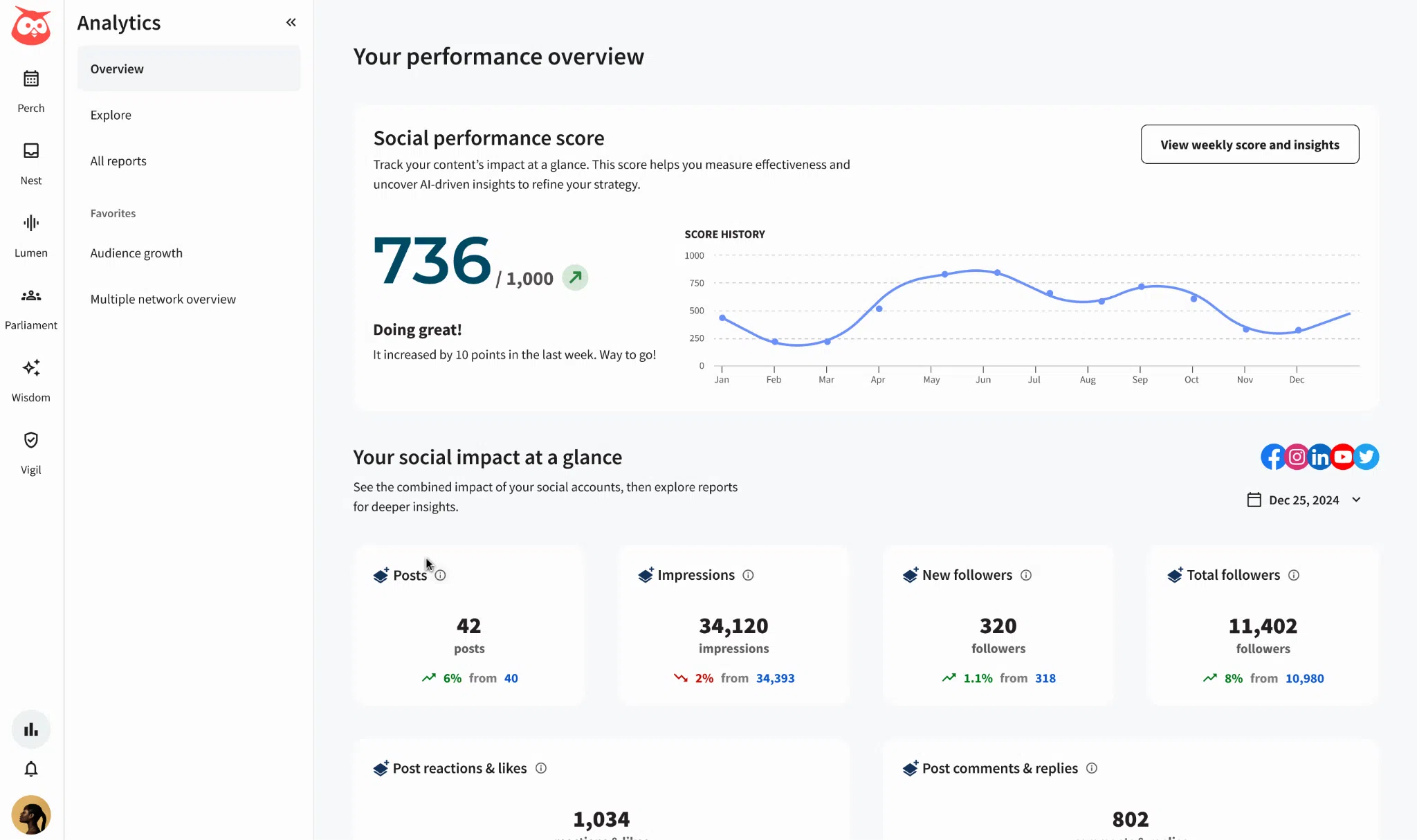
Historically, social media’s contribution to business was often dismissed or confined to vanity metrics such as follower counts and likes. This perception stemmed from the nascent stages of social media marketing, where direct attribution to revenue was challenging, and the strategic implications were less understood. However, as digital consumer behavior matured and social platforms integrated more sophisticated analytics, the imperative to quantify social media’s broader value became undeniable. Modern enterprises, particularly those navigating competitive digital markets, understand that a holistic measurement framework is essential to justify investments and align social strategies with overarching corporate goals. This evolution reflects a shift from viewing social media as a tactical tool to recognizing it as a strategic asset capable of influencing multiple facets of business performance.
Beyond the Bottom Line: Unpacking Social Media’s True Value

The true value of social media transcends immediate sales figures, encompassing a spectrum of benefits that contribute to long-term business health and resilience. These benefits can be categorized into six primary areas: revenue and pipeline impact, customer insight and market intelligence, customer care and retention, reputation and brand health, content and campaign intelligence, and brand awareness and share of voice. Each area offers distinct contributions that, when collectively measured and communicated, paint a comprehensive picture of social media’s strategic importance.
Revenue and Pipeline Impact
While not the sole measure, direct revenue generation and pipeline contribution are undeniable aspects of social media’s value. This includes sales conversions directly attributed to social media campaigns, lead generation through platform interactions, and the impact of social media on the broader sales funnel. Tools leveraging UTM parameters and advanced analytics allow marketers to track the customer journey from social media touchpoints to final purchase. Assisted conversions, where social media plays a role in discovery or consideration before a purchase is completed on another channel, are equally significant. A 2023 HubSpot report highlighted that despite the theoretical simplicity of ROI, "measuring ROI" was the single biggest challenge for marketers, underscoring the complexity of attributing financial outcomes in multi-touchpoint customer journeys. Nonetheless, demonstrating tangible financial returns, even partial ones, remains critical for securing executive buy-in.
Customer Insight and Market Intelligence
Social media platforms function as an enormous, real-time focus group, offering unparalleled access to consumer sentiment, preferences, and emerging trends. Through social listening and monitoring, businesses can glean valuable insights into what customers love, what challenges they face, and how competitors are performing. This intelligence extends beyond marketing, informing product development decisions, refining sales pitches, and identifying potential market gaps. For instance, repeatedly surfacing a particular product flaw in customer comments can prompt engineering teams to prioritize a fix, preventing widespread dissatisfaction and potential churn. The depth of data available, from demographic breakdowns to psychographic indicators, allows for highly granular market segmentation and personalized engagement strategies.
Customer Care and Retention
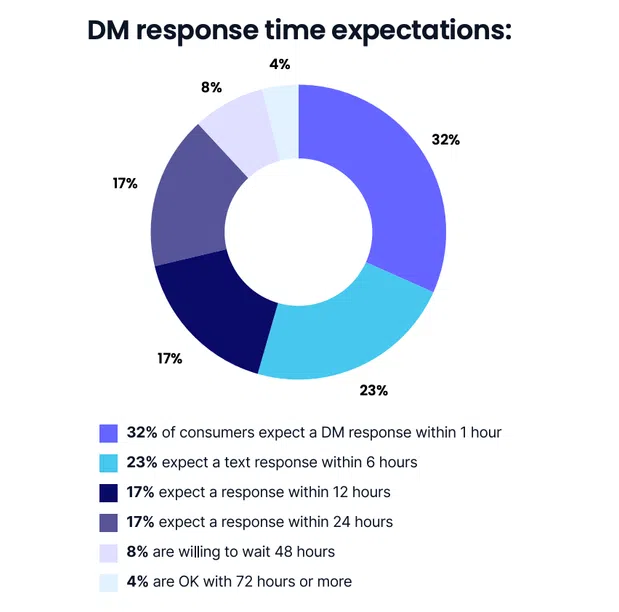
Social media has become a primary channel for customer service, with consumers expecting prompt and effective responses. A 2025 survey revealed that nearly three in five consumers deem it important for companies to respond to support messages on social media, with 37% citing slow response times as a contributor to negative experiences. This highlights social media’s role as a critical touchpoint for either solidifying customer loyalty or risking its erosion. Proactive engagement, timely issue resolution, and empathetic interactions on social platforms can significantly enhance customer satisfaction, foster loyalty, and reduce churn rates. Effective social customer care can transform negative experiences into opportunities for positive brand association, directly impacting long-term customer lifetime value.
Reputation and Brand Health
Social media provides a dynamic barometer of public perception and brand health. It allows businesses to monitor sentiment around their brand, products, and campaigns in real-time. Detecting early signals of customer dissatisfaction, a misaligned campaign, or even positive buzz allows brands to respond strategically. This could involve crisis management to mitigate negative narratives, adjusting messaging to better resonate with the audience, or amplifying successful initiatives. The ability to track sentiment, share of voice, and mentions across platforms is invaluable for protecting and enhancing brand equity. A well-managed social presence can build trust and credibility, acting as a shield against potential reputational damage and a catalyst for positive public relations.
Content and Campaign Intelligence
Every piece of content published on social media is a mini-experiment, yielding valuable data on audience engagement, preferences, and content effectiveness. Analyzing metrics such as shares, saves, watch time, and engagement rates allows marketers to identify patterns of success and failure. This intelligence is crucial for optimizing future content strategies, refining campaign themes, and allocating resources more efficiently. Understanding which formats, topics, and platforms resonate most with target audiences enables a data-driven approach to content creation, minimizing wasted effort and maximizing impact. This continuous feedback loop ensures that marketing efforts become progressively smarter and more effective over time.
Brand Awareness and Share of Voice
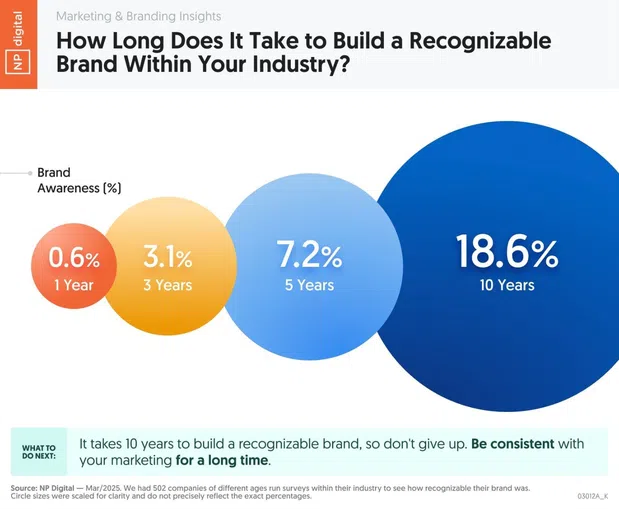
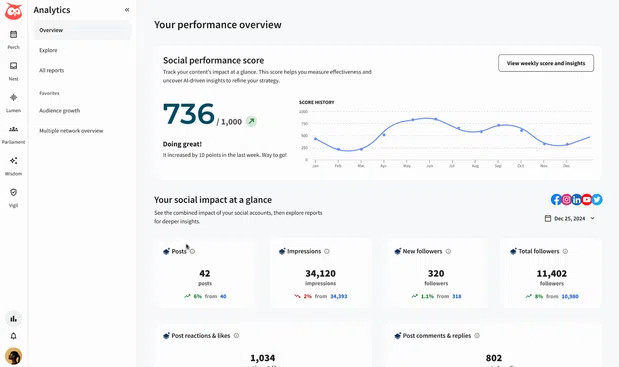
Social media is a powerful engine for building brand awareness and increasing share of voice within an industry. Reach and impressions quantify how many people see a brand’s content, while metrics like mentions and branded hashtag usage indicate the level of public conversation surrounding the brand. Beyond direct engagement, social media passively builds recognition, making a brand’s name more familiar and trustworthy over time. A study highlighted that one-year-old brands averaged only 0.6% category awareness, which multiplied by 12 times after five years, demonstrating that brand recognition is a long game. Social media consistently contributes to this long-term awareness, even when direct conversions aren’t immediately apparent.
Challenges in Quantifying Intangibles

Despite the clear benefits, measuring the full spectrum of social media’s value presents inherent challenges.
Firstly, social media is a long game. Brand awareness, customer trust, and community building are not instantaneous achievements; they accrue slowly over months or even years. Focusing solely on immediate payoffs risks overlooking the cumulative impact of sustained social engagement. For instance, a viral post might offer a fleeting spike in visibility, but consistent, valuable content over time builds a loyal audience.
Secondly, attribution often gets messy. Modern customer journeys are rarely linear. A consumer might discover a product on TikTok, research it on a brand’s website, and eventually purchase it through a retargeting email. In such scenarios, social media plays a crucial role in initial discovery and nurturing, yet the final conversion might be attributed elsewhere. A McKinsey study indicated that 29% of consumers in the U.S., UK, and Germany first discover a product on social media but complete the purchase elsewhere, illustrating this multi-touchpoint reality.
Thirdly, not all value translates directly into revenue. A social listening initiative that identifies and resolves a recurring customer complaint before it escalates prevents a potential crisis, saving reputation and resources without appearing on a revenue report. Similarly, a timely response to a frustrated customer that rebuilds trust and encourages future purchases demonstrates significant value that is difficult to quantify in immediate financial terms. These intangible benefits, while not revenue-generating in the short term, are critical for long-term business sustainability and growth.
Strategic Communication: Bridging the Gap with Leadership
Effectively communicating social media’s value to leadership requires a strategic approach that translates metrics into meaningful business outcomes. This is not merely about presenting data but about crafting a compelling narrative that resonates with executive priorities.
- Translate Metrics into Business Language: C-suite executives are concerned with overarching business performance, not granular social media metrics. As Dani Luffey, Communication Strategist at DVA Brand Communications, emphasizes, "leadership doesn’t truly care about social media metrics… They care about what those metrics tell them about their business or brand." Therefore, reports should explain what an increase in engagement rate or a shift in sentiment signifies for the business—e.g., shifting customer interests, growing demand, or emerging market opportunities.
- Benchmark Against Goals, Not Vanity Metrics: True social media success is not measured by virality or follower counts but by its contribution to larger marketing and business objectives. Megan Wilson, Creative Director at Sweet Talk Strategy, notes that "a strong social media strategy isn’t about one big moment. It’s about consistently supporting larger marketing and business goals." Reports should align social media performance with specific business goals, demonstrating how social initiatives move the needle on key performance indicators (KPIs) that leadership values.
- Provide Context for the Numbers: Raw numbers are meaningless without context. Executives need to understand the ‘why’ behind the data. Luffey warns, "If an executive has to study your dashboard to uncover why the numbers matter, then you haven’t communicated your value yet." Marketers must proactively highlight the most critical metrics, explain their implications, and share actionable insights derived from them, rather than expecting leadership to interpret complex dashboards.
- Offer Strategic Recommendations: Beyond reporting performance, strategic marketers provide clear recommendations for future actions. Luffey stresses that this distinction elevates a social media manager to a "strategic advisor who also happens to have access to an incredibly valuable source of customer intelligence." Presenting data-backed suggestions for optimizing strategies, addressing challenges, or capitalizing on opportunities demonstrates foresight and a deep understanding of business impact.
Common Pitfalls to Avoid
Several common mistakes can undermine efforts to prove social media value, leading to underestimation and underinvestment.
- Overloading Leadership with Data: Presenting an exhaustive report filled with countless charts and spreadsheets can lead to information overload, obscuring key insights. Wilson advises focusing on a few meaningful metrics, explaining their significance, and sharing actionable learnings. The goal is clarity and conciseness, not comprehensive data dumps.
- Leading with Activity, Not Impact: Reporting on the volume of posts published or campaigns launched only indicates busyness, not effectiveness. Leadership needs to understand the impact of these activities on business goals. Drawing a clear line between social media efforts and their tangible outcomes is crucial.
- Treating Revenue as the Only Outcome That Counts: Exclusively focusing on direct revenue as the measure of success ignores the multifaceted value social media creates. When social media builds demand, enhances credibility, or maintains brand presence, it contributes significantly, even if another channel secures the final transaction. Acknowledging these indirect contributions is vital for a balanced assessment.
Technological Enablers: Tools for Comprehensive Measurement
Specialized social media management platforms play a pivotal role in enabling teams to track, analyze, and communicate the full spectrum of social media value. Hootsuite, for example, offers a suite of tools designed to address these challenges comprehensively.
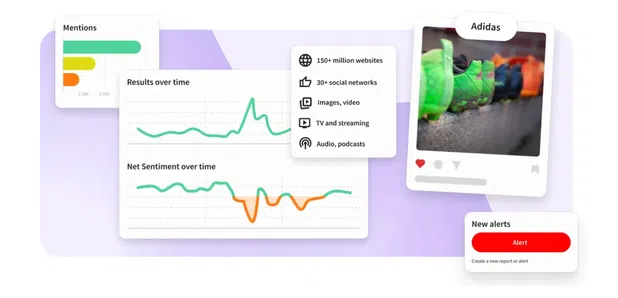
- Lumen for Brand Intelligence and Share of Voice: Lumen tracks mentions, sentiment, share of voice, and emerging themes across a vast array of websites and social channels. This provides deep insights into brand perception and competitive standing, allowing marketers to report on intangible assets like reputation with quantifiable data.
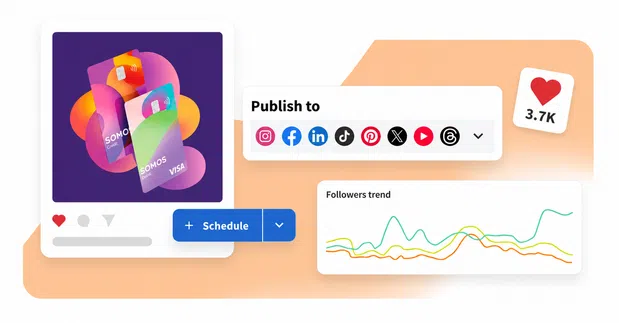
- Perch for Scalable Content and Performance Connection: Perch streamlines the planning, creation, approval, and scheduling of content across platforms. By integrating performance analytics directly into the workflow, teams can easily identify which content resonates most effectively on different channels, optimizing future output and demonstrating content ROI.
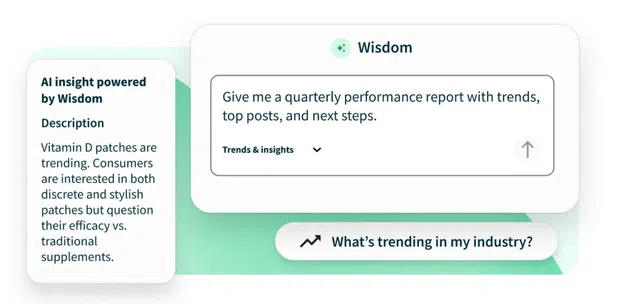
- Wisdom for Plain-Language Impact Summaries: Wisdom transforms raw social media data into clear, stakeholder-ready narratives. By responding to natural language queries about performance trends, campaign effectiveness, or sentiment shifts, Wisdom helps marketers craft compelling reports that translate complex data into actionable insights for leadership.
Implications for Business Strategy

A holistic understanding and communication of social media value have profound implications for overall business strategy. When leadership clearly sees social media’s impact on revenue, customer satisfaction, brand health, and market intelligence, it fosters greater strategic alignment and resource allocation. This leads to increased budget for social initiatives, enabling more ambitious campaigns and deeper analytical capabilities. Moreover, insights derived from social media can inform broader corporate strategies, from product innovation to customer service policies, positioning social media teams as indispensable strategic partners rather than mere operational units. In a rapidly evolving digital economy, businesses that master the art of proving social media’s true value will be better equipped to adapt, innovate, and maintain a competitive edge.
The shift from simplistic ROI calculations to a comprehensive understanding of social media value is not just a methodological refinement; it is a strategic imperative. By adopting a holistic measurement framework, translating metrics into business-centric language, and leveraging advanced analytics tools, social media professionals can effectively articulate their contributions to organizational success. This approach ensures that social media is recognized as a powerful driver of growth, engagement, and long-term value, finally getting leadership to listen and invest strategically in its undeniable potential.