Marketers frequently operate under the misconception that a high email delivery rate signifies the successful arrival of their campaigns. The logic often dictates that if emails aren’t bouncing, they must be reaching subscribers’ inboxes. However, this widely held belief is a critical deliverability myth, leading many to misinterpret a metric that, in reality, provides only a partial view of campaign efficacy. The true measure of an email campaign’s reach and impact lies not merely in its delivery to a mailbox provider’s server, but in its successful placement within the recipient’s primary inbox, where it can actually be seen and engaged with. This nuanced distinction, often overlooked, directly correlates with engagement rates, conversions, and ultimately, revenue generation.
The core difference between delivery rate and inbox placement rate is fundamental to understanding email marketing performance. Delivery rate, in its simplest definition, indicates whether an email has been accepted by the recipient’s mailbox provider (e.g., Gmail, Outlook, Yahoo). An email that fails to be delivered is classified as a bounce. Bounces come in two primary forms: a hard bounce signifies a permanent delivery failure, typically due to a non-existent email address, while a soft bounce indicates a temporary issue, such as a full inbox, a server being down, or the message size exceeding limits. While a consistently high delivery rate is indeed a positive indicator of a relatively healthy and well-maintained email list, it offers no guarantee that the email has circumvented spam filters or folder classifications to land in the subscriber’s viewable inbox.
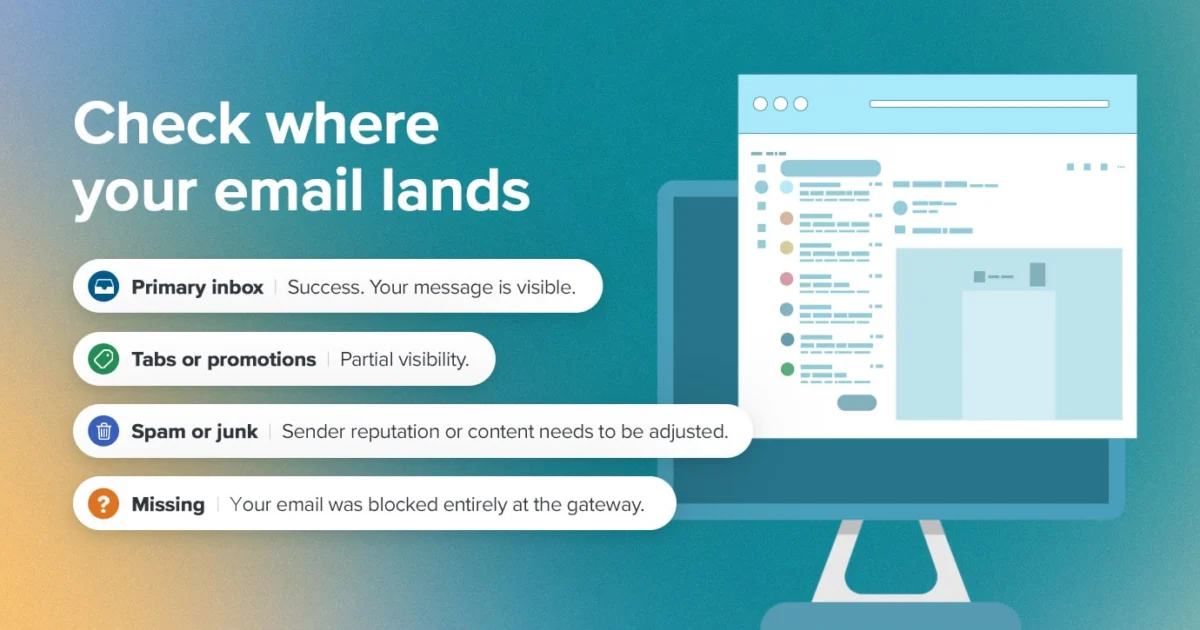
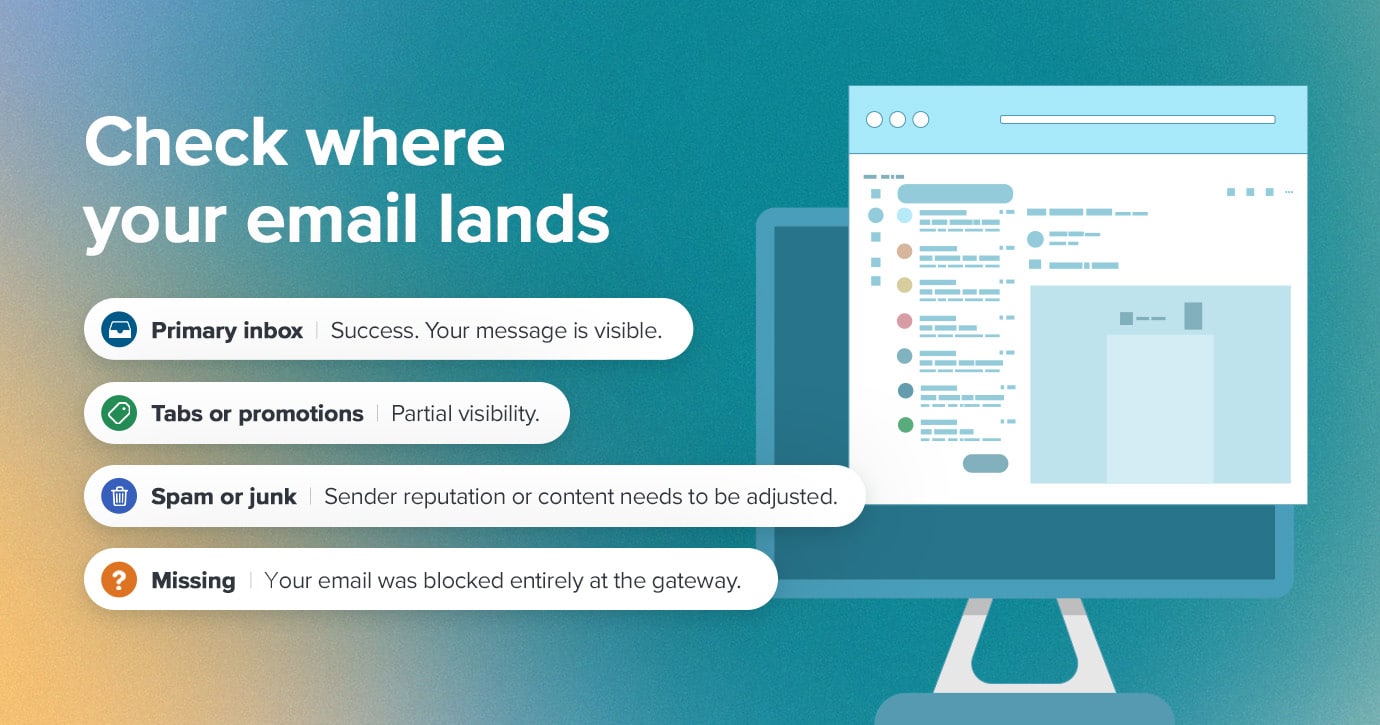
Inbox placement, by contrast, is the metric that truly quantifies visibility. It measures whether an email, once accepted by the mailbox provider, successfully navigates the intricate web of spam filters and lands in the primary inbox, or if it is shunted to a secondary folder like ‘Promotions,’ ‘Social,’ or worse, the dreaded spam folder. This placement is profoundly influenced by a complex interplay of factors, including the sender’s reputation, the content of the email, the historical engagement patterns of recipients, and adherence to evolving email authentication standards. Mailbox providers meticulously analyze these elements to assess a sender’s trustworthiness and the relevance of their messages to individual users. The pivotal difference is clear: delivery rate confirms arrival at the server’s doorstep, while inbox placement confirms successful entry into the recipient’s home, ready for interaction. This critical distinction directly underpins the success or failure of any email marketing initiative. When emails achieve optimal inbox placement, the likelihood of opens, clicks, and conversions dramatically increases, making the measurement of this metric absolutely essential for strategic decision-making.
The Evolving Landscape of Email Deliverability: A Chronology of Challenges
The journey of email marketing has been marked by a continuous arms race between marketers aiming to reach audiences and mailbox providers striving to protect users from unwanted mail. In the early days, simply sending an email was often enough to ensure its arrival. However, with the exponential growth of email and the proliferation of spam, mailbox providers were compelled to develop increasingly sophisticated filtering algorithms. This evolution has transformed email deliverability from a simple technical concern into a strategic imperative.
A pivotal moment in this chronology occurred in early 2024, when industry giants Google and Yahoo announced new, stringent email sender requirements for bulk senders. These mandates, impacting anyone sending more than 5,000 emails per day, fundamentally reshaped the landscape. The new rules made proper email authentication (SPF, DKIM, and DMARC) not merely a best practice, but a mandatory prerequisite for successful delivery. Furthermore, they emphasized the importance of maintaining low spam complaint rates and providing easy one-click unsubscribe options. These changes were a direct response to a surge in email fraud, phishing attempts, and a general decline in user experience due to an overwhelming volume of irrelevant or unsolicited messages. Google’s own data indicated that a significant portion of incoming email was spam, necessitating more aggressive filtering. Mailbox providers, acting as guardians of user inboxes, have consistently reiterated their commitment to prioritizing the recipient’s experience. Their “official response” to the challenges of email deliverability has been to progressively empower users and reward senders who demonstrate trustworthiness and provide valuable content, while penalizing those who do not.
The implications of this shift are profound. For marketers, celebrating a 99% delivery rate in 2024 without understanding inbox placement is akin to celebrating that a letter reached the post office but having no idea if it actually landed in the recipient’s mailbox, let alone their hands. Industry data consistently supports the notion that even a slight improvement in inbox placement can yield substantial returns. For example, studies by various email marketing analytics firms often show that emails landing in the primary inbox have an average open rate of 20-30%, while those relegated to the promotions tab see rates drop to 5-10%, and emails in the spam folder are rarely opened at all. This translates directly to lost opportunities and wasted marketing spend, with some estimates suggesting businesses lose millions annually due to poor inbox placement.
Understanding the Gatekeepers: How Mailbox Providers Filter Emails
Mailbox providers (MBPs) such as Gmail, Outlook, and Yahoo act as sophisticated gatekeepers, employing complex algorithms to determine where an email ultimately lands. Their primary objective is to protect their users from unwanted mail, enhance security, and ensure a positive user experience. Central to their decision-making process is the concept of sender reputation. This reputation is not a single score but a dynamic assessment based on numerous signals, including:
- Authentication: The presence and correctness of SPF, DKIM, and DMARC records confirm the sender’s identity and legitimacy.
- IP Address and Domain Reputation: The historical sending behavior associated with the IP address and domain used.
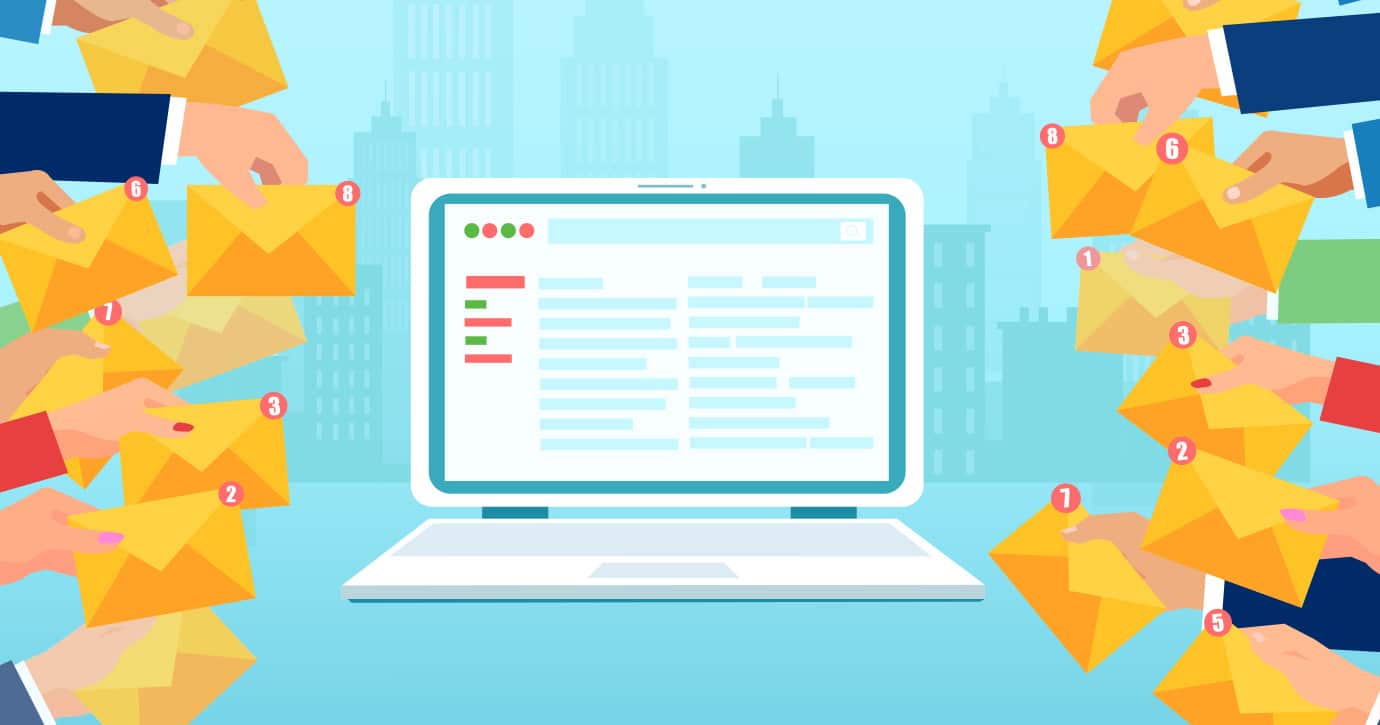
- Spam Complaints: The number of recipients who mark an email as spam. A high complaint rate is a major red flag.
- Engagement Metrics: Opens, clicks, replies, forwards – positive interactions signal relevance. Deletions without opening, moving to trash, or ignoring messages signal disinterest.
- List Quality: The percentage of invalid email addresses or spam traps encountered.
- Content Quality: The presence of spammy keywords, suspicious links, or poor formatting.
Email Service Providers (ESPs) like Gmail and Outlook increasingly prioritize user behavior in their filtering decisions. This means that messages that are consistently opened, read, and interacted with by a user are far more likely to appear in their primary inbox for future sends. Conversely, emails that are frequently left unopened, deleted without reading, or, most damagingly, marked as spam, signal to ESPs that the content is irrelevant or unwelcome. This negative feedback loop actively degrades a sender’s reputation over time, making it progressively harder for their emails to reach the inbox, even for active subscribers.
This continuous feedback loop where positive user interaction ensures a healthy sender score is crucial. Research from companies specializing in email deliverability indicates that senders with excellent reputations consistently achieve inbox placement rates upwards of 90-95%, while those with poor reputations can see rates plummet below 50%, with a significant portion of their emails ending up in spam folders. The financial implications are stark: if a company sends 1 million emails a month and achieves a 90% inbox placement rate versus 70%, that’s 200,000 additional potential engagements, which, depending on conversion rates, can translate into hundreds of thousands or even millions in additional revenue.
The Critical Metric: Measuring True Inbox Placement
Relying solely on an ESP’s “Delivered” metric is a significant blind spot for marketers. This metric only confirms acceptance by the server, not placement in the desired inbox. To gain an accurate, unbiased view of what customers actually experience, a dedicated testing strategy is indispensable.
Step 1: Deploy a Seed List Test
The industry standard for measuring true email deliverability and inbox placement is a seed list test. This involves sending your actual email campaign content to a carefully curated collection of test email addresses (a “seed list”) that span all major mailbox providers, including Gmail, Yahoo, Outlook, and various corporate domains. It’s crucial that this test email is identical to what your real subscribers will receive in terms of content, subject line, sender information, and sending infrastructure.
Step 2: Analyze Folder Placement
Upon sending the seed list test, specialized diagnostic tools are then used to analyze where the email lands in each of the test mailboxes. This analysis provides a granular breakdown: did the email reach the primary inbox, was it shunted to the ‘Promotions’ or ‘Social’ tab (in Gmail’s case), or was it aggressively filtered directly into the spam folder? Because these test inboxes are controlled, they offer an unadulterated, objective view of the email’s destination across a diverse range of receiving environments.
Step 3: Calculate Your Inbox Placement Rate (IPR)
Armed with the folder placement data, marketers can then precisely calculate their Inbox Placement Rate (IPR). This metric represents the percentage of emails that successfully reach the primary inbox out of the total emails sent to the seed list. The IPR, not the delivery rate, should serve as the “true north” for evaluating email campaign performance. It provides actionable intelligence, allowing teams to identify specific mailbox providers or filtering scenarios where their emails are underperforming, thereby enabling targeted adjustments to their email strategy.
Strategic Imperatives for Optimizing Inbox Placement
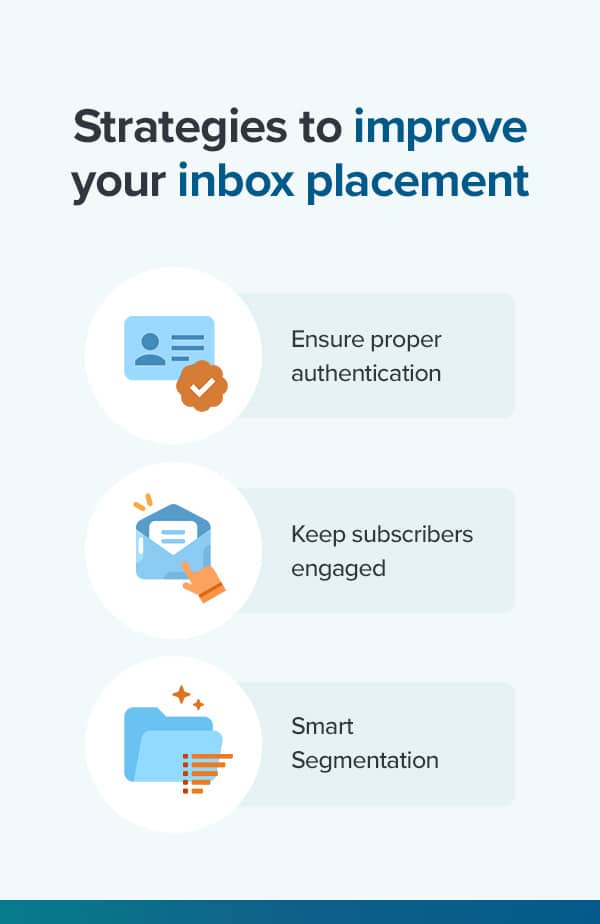
Improving inbox placement requires a multi-faceted approach, grounded in technical best practices and a deep understanding of subscriber behavior.
1. Email Authentication as Foundation: The Digital ID Card
Proper email authentication is not merely a recommendation; it is the foundational requirement for building trust with mailbox providers, especially in light of the 2024 Google and Yahoo mandates for bulk senders. Authentication acts as a digital ID card, proving that the sender is who they claim to be and that the email has not been tampered with in transit. Without robust authentication, emails are immediately flagged as suspicious, increasing their likelihood of being sent to spam or outright rejected. Marketers must ensure the correct implementation of:
- Sender Policy Framework (SPF): An email authentication method that specifies which mail servers are authorized to send email on behalf of a domain.
- DomainKeys Identified Mail (DKIM): A method that allows an organization to “sign” an email, cryptographically verifying the sender and ensuring the message has not been altered.
- Domain-based Message Authentication, Reporting, and Conformance (DMARC): A policy that instructs receiving mail servers how to handle emails that fail SPF or DKIM checks, and provides reporting back to the sender. DMARC, particularly at “quarantine” or “reject” enforcement levels, is now a critical requirement for bulk senders and a prerequisite for advanced features like BIMI.
These three authentication protocols, working in concert, are crucial for proving legitimacy, avoiding disruptions, and ensuring a successful email marketing campaign in today’s landscape. Failure to implement them correctly for bulk sending will almost certainly result in emails being directed to spam folders, severely crippling campaign effectiveness.
2. Fostering Subscriber Engagement: The Heartbeat of Reputation
Subscriber engagement is a powerful signal to mailbox providers and a cornerstone of a healthy sender reputation. Mailbox providers interpret a lack of engagement (e.g., unopened emails for extended periods) as a sign of irrelevance, potentially leading them to downgrade a sender’s reputation. Moreover, dormant or abandoned email addresses can be repurposed by providers into “spam traps.” Hitting a spam trap indicates to the provider that a sender is not effectively managing their email list, further damaging their reputation and pushing even legitimate emails to active subscribers into the spam folder.
To proactively manage engagement and maintain list hygiene:
- Run Re-engagement Campaigns: Periodically target dormant subscribers with messages like “Do you still want to hear from us?” or “Don’t miss out!” As a last-ditch effort, these campaigns aim to rekindle interest. If subscribers do not respond positively, they should be promptly removed from the active mailing list. This regular pruning keeps the list healthy, responsive, and signals high engagement to mailbox providers.
- Utilize Email Verification Tools: Implement verification tools at the point of sign-up. These tools can prevent invalid, misspelled, or known spam trap addresses from entering the database from the outset. This proactive measure protects sender reputation from future bounce issues and ensures emails are only sent to genuinely interested recipients who are likely to engage.
3. Precision Targeting Through Segmentation: Relevance Drives Results
In an increasingly crowded digital landscape, a personalized and relevant approach is paramount. For users to truly engage with content, messages must reflect their actual interests, preferences, and past behaviors. Smart segmentation involves dividing an audience into smaller groups based on specific criteria (e.g., demographics, purchase history, website activity, engagement levels) and tailoring content to each segment.
For example, instead of broadly announcing a product update to a list of 50,000 subscribers, a marketer could segment and send the update only to the 10,000 active users who regularly utilize that specific feature. This targeted approach dramatically increases the probability that recipients will open, click, and positively interact with the message. These heightened engagement metrics (open rates, click-through rates) are powerful signals to mailbox providers that the content is valued by recipients, thereby boosting the sender’s reputation and improving future inbox placement across the board. The adage “high engagement means high placement” holds true: providers recognize and reward senders who consistently deliver content that their audience actively desires.
Advanced Strategies for Enterprise-Level Deliverability and Brand Visibility
For organizations with high sending volumes, complex email programs, or a global footprint, achieving and maintaining pristine inbox placement demands more advanced, specialized strategies. These go beyond basic hygiene to solidify sender reputation and enable dynamic adjustment to ever-changing mailbox provider filtering rules.
1. Sender Certification: The Email Whitelist Program
Sender certification represents a premium tier of deliverability assurance. It involves participation in a whitelist program where vetted senders undergo a rigorous testing process to confirm their adherence to stringent best practices. Certified senders essentially receive “special treatment” from participating mailbox providers, distinguishing them as highly reputable entities. The benefits of sender certification are substantial:
- Enhanced Inbox Placement: Significantly higher likelihood of landing in the primary inbox, bypassing many standard spam filters.
- Improved Brand Trust: Positions the brand as a verified and trusted sender in the eyes of mailbox providers and, by extension, recipients.
- Competitive Advantage: Stands out in a crowded market by demonstrating a commitment to responsible sending.
- Proactive Problem Solving: Often includes advanced monitoring and support to quickly address potential deliverability issues.
Data consistently highlights the tangible advantage of certification. Reports often indicate that certified senders achieve millions more email deliveries to the inbox annually compared to their non-certified counterparts. This underscores the profound impact that sender certification can have on boosting email reach and overall campaign effectiveness for large-scale operations.
2. Brand Indicators for Message Identification (BIMI): Visual Authenticity in the Inbox
BIMI is an emerging email standard that allows brands to display their verified logo next to their subject line in the recipient’s inbox. This visual confirmation of brand identity serves a crucial purpose in an era rife with email fraud and phishing attempts. BIMI visually assures recipients of the email’s legitimacy before they even open it, fostering immediate trust and confidence in the brand.
The advantages of implementing BIMI are multi-fold:
- Enhanced Brand Recognition: A distinctive logo helps emails stand out in a cluttered inbox, increasing visibility and encouraging opens.
- Increased Trust and Security: By visibly confirming authenticity, BIMI acts as a powerful deterrent against phishing, making it more likely that legitimate emails are opened and less likely to be marked as spam.
- Improved Engagement: The heightened trust and visibility can lead to higher open and click-through rates.
It’s important to note that to utilize BIMI, a brand must have DMARC implemented at an enforcement policy of “quarantine” or “reject.” This prerequisite ensures that only organizations with strong, verifiable email authentication policies are able to leverage BIMI, further cementing its role as a robust trust signal.
3. Real-time Feedback Loops (FBLs): Actionable Insights from User Complaints
To maintain optimal email placement and quickly adapt to user sentiment, signing up for Feedback Loops (FBLs) offered by major mailbox providers is essential. Key FBLs include Google Postmaster Tools and Microsoft’s Smart Network Data Services (SNDS). These invaluable tools provide direct insights into how subscribers perceive emails, specifically by reporting when a user actively marks a message as spam.
When a recipient flags an email as spam, the FBL provides anonymized data or, in some cases, allows senders to pinpoint the specific email addresses generating complaints. This immediate feedback is critical for:
- Improving List Hygiene: Identifying and promptly removing users who have complained, preventing future unwanted sends to them.
- Refining Content Strategy: Analyzing complaint patterns can reveal issues with specific content, subject lines, or sending frequencies that are irritating subscribers.
- Maintaining Sender Reputation: By quickly addressing high complaint rates, senders can prevent long-term damage to their reputation, ensuring better deliverability for the rest of their audience.
High complaint rates are a significant red flag for mailbox providers. Proactively managing these complaints through FBLs ensures a healthy sender reputation and robust deliverability across the entire subscriber base.
The Broader Implications: Revenue, Reputation, and the Future of Email Marketing
The shift in focus from mere delivery rates to the more meaningful metric of inbox placement is not just a technical adjustment; it represents a fundamental paradigm shift in email marketing strategy. Knowing precisely where emails land is the pivotal difference between broadcasting messages into an unknown void and establishing direct, impactful connections with an audience.
The financial implications are undeniable. Emails that consistently reach the primary inbox are demonstrably more likely to be opened, clicked, and acted upon, directly translating into increased sales, higher sign-up rates, stronger lead generation, and improved customer loyalty. Without effective inbox placement, even the most compelling offer, meticulously crafted message, or critical update becomes invisible, rendering marketing efforts and budgets largely ineffective. Businesses are increasingly recognizing that “visibility is revenue” in the context of email.
Beyond immediate financial returns, consistent inbox placement significantly bolsters a brand’s reputation and fosters long-term customer relationships. A brand that consistently lands in the inbox builds trust and establishes itself as a reliable source of valuable information, enhancing overall brand equity. Conversely, a brand whose emails frequently end up in spam risks being perceived as untrustworthy or irrelevant, leading to a degradation of brand perception and customer churn.
To navigate this complex and ever-evolving landscape, marketers require sophisticated tools and insights. Platforms like Litmus Deliverability offer comprehensive analytics that pinpoint exactly what factors are affecting sender reputation and inbox placement. These tools empower marketing teams to refine their email strategy with data-driven confidence, ensuring maximum campaign impact. Whether for a burgeoning startup or an established enterprise managing vast email programs, investing in advanced deliverability solutions is no longer optional. It is a strategic imperative to gain control over an email program’s true reach, drive meaningful engagement, and ultimately, secure the business results demanded in today’s competitive digital environment.