The Scale of the Agentic Influx: Data and Context
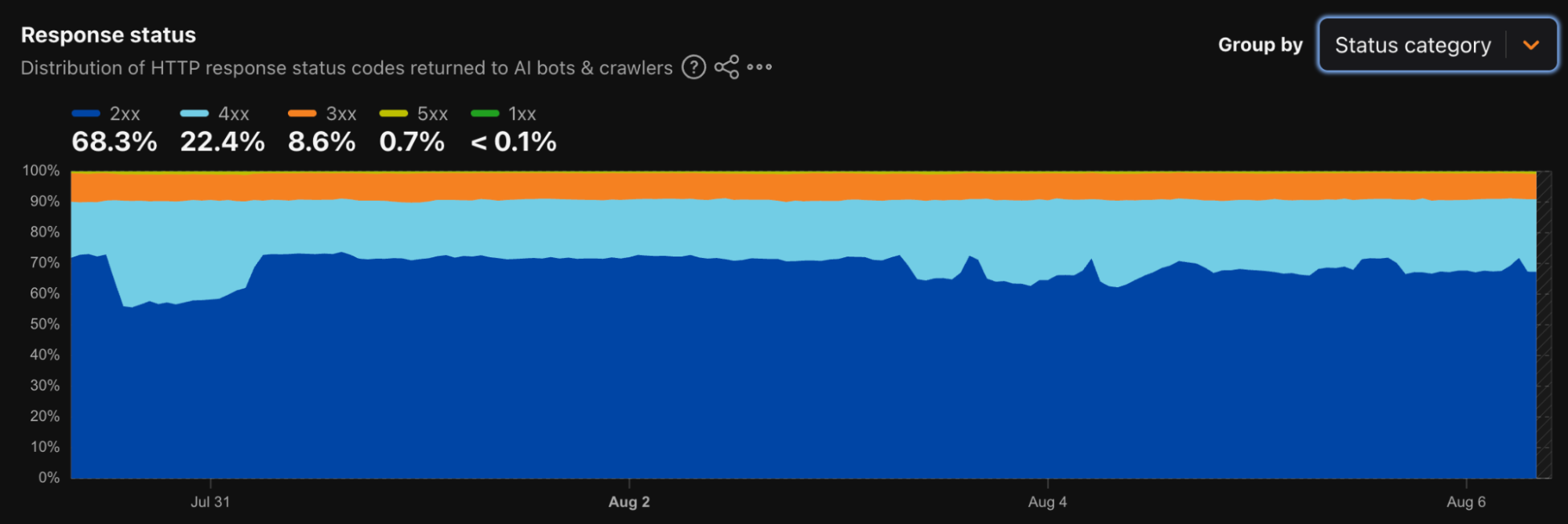
The rise of agentic traffic is not merely a quantitative change but a qualitative one. Industry analysis reveals that a growing share of web traffic originates from agents acting on behalf of specific individuals to automate workflows. Despite this, the transition has been far from seamless. Data indicates that approximately 22% of AI crawler requests are rejected industry-wide, a statistic that underscores a growing tension between website security and the emerging AI economy.
The friction is most visible in the e-commerce sector. In controlled testing environments, nearly 41% of e-commerce websites were found to block AI readiness scanners outright using legacy bot protection services. This defensive posture, while intended to prevent malicious scraping, often inadvertently blinds the very AI tools that consumers use to discover products and services. Furthermore, efficiency remains a significant hurdle; analysis by Vercel suggests that ChatGPT’s crawler spends roughly 35% of its total fetches on 404 "Not Found" pages, highlighting a massive waste of computational resources and bandwidth.
Phase 1: Discovery and the Evolution of Navigation
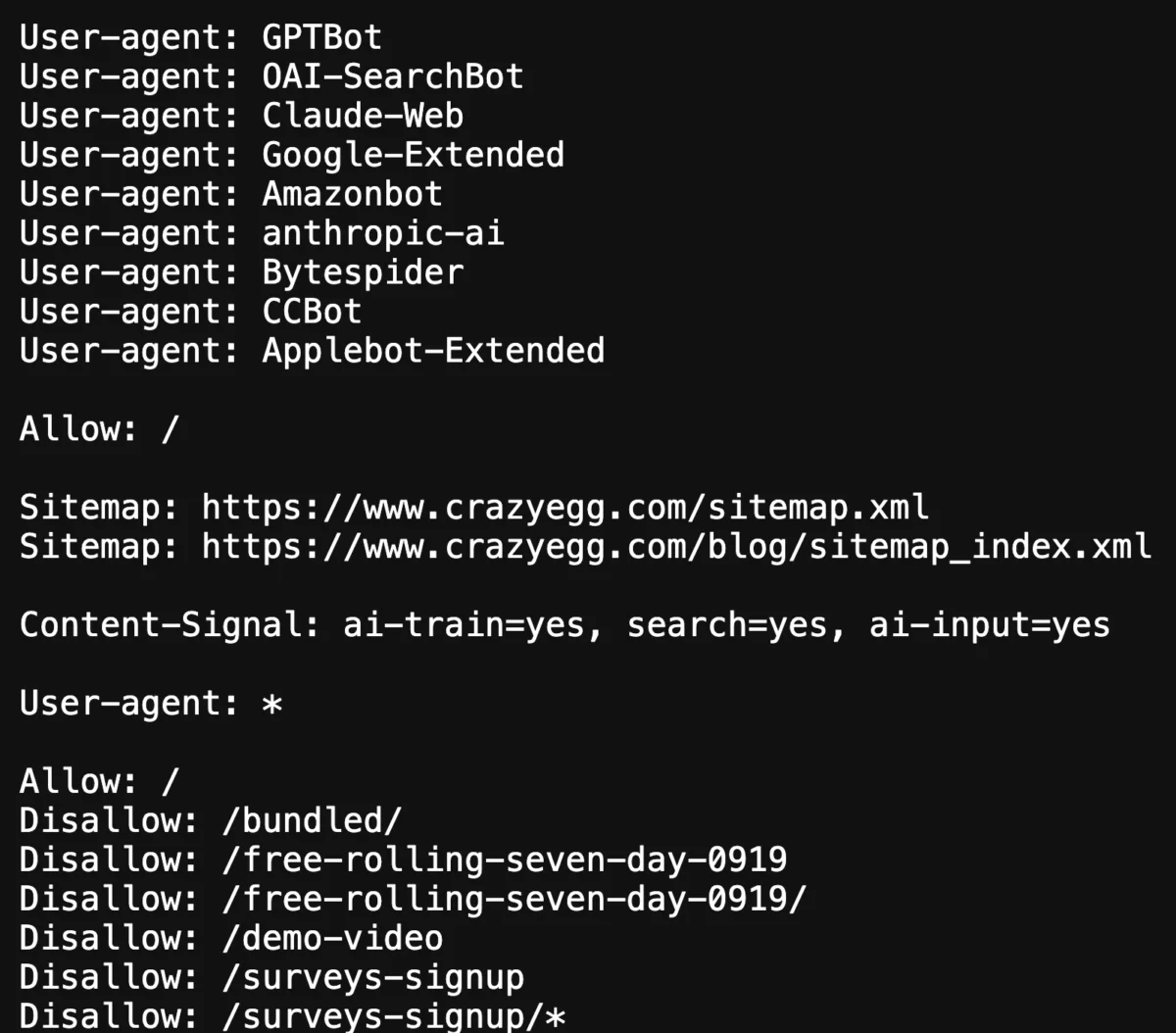
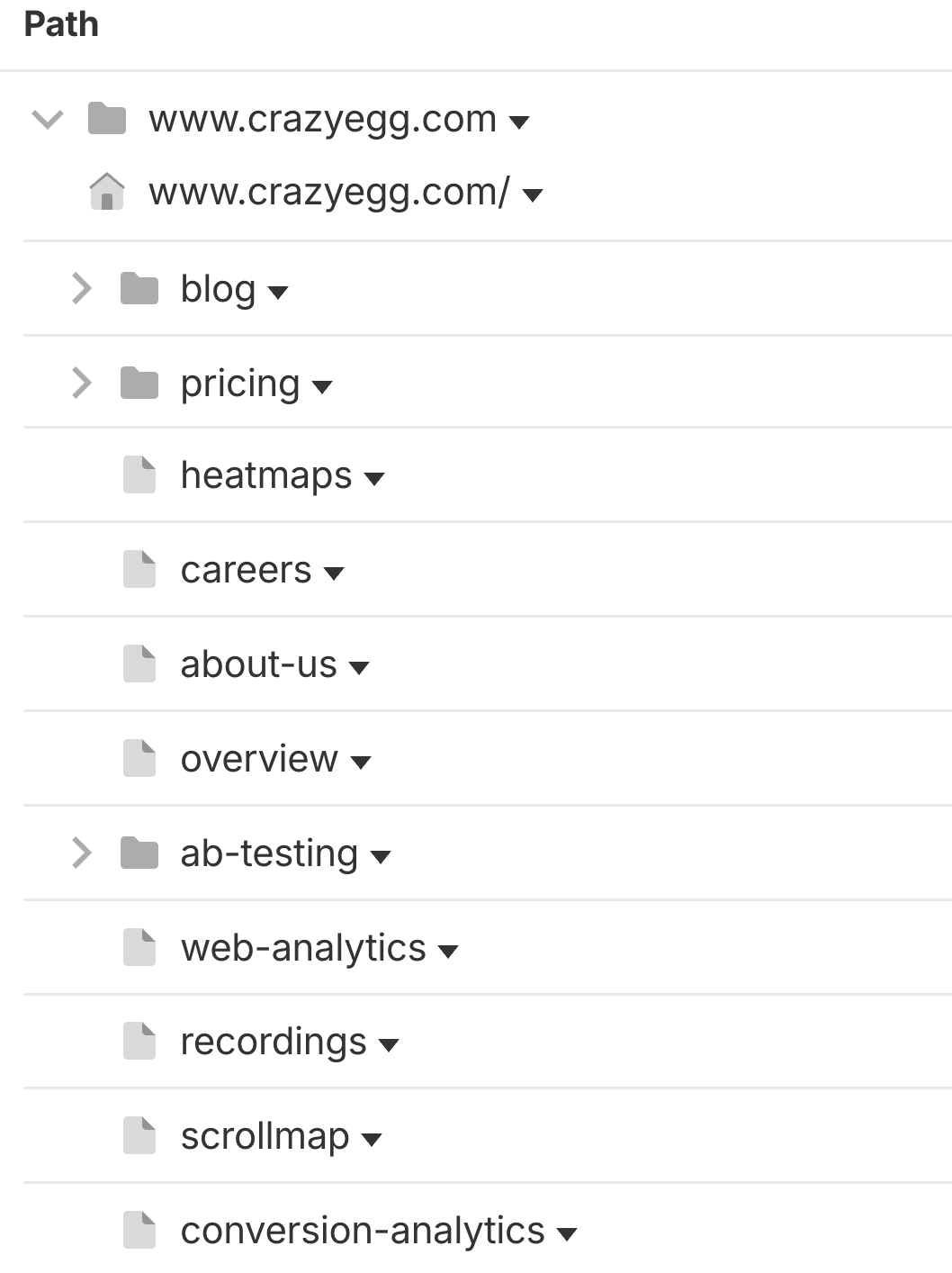
The first hurdle for any AI agent is simply locating the relevant data within a site’s architecture. Historically, this has been the domain of technical SEO, utilizing sitemaps and robots.txt files to guide search engine bots. For AI agents, these legacy tools remain the primary map. An agent must first parse the robots.txt file to determine its "permission" to enter, followed by an analysis of the XML sitemap to understand the site’s hierarchy.
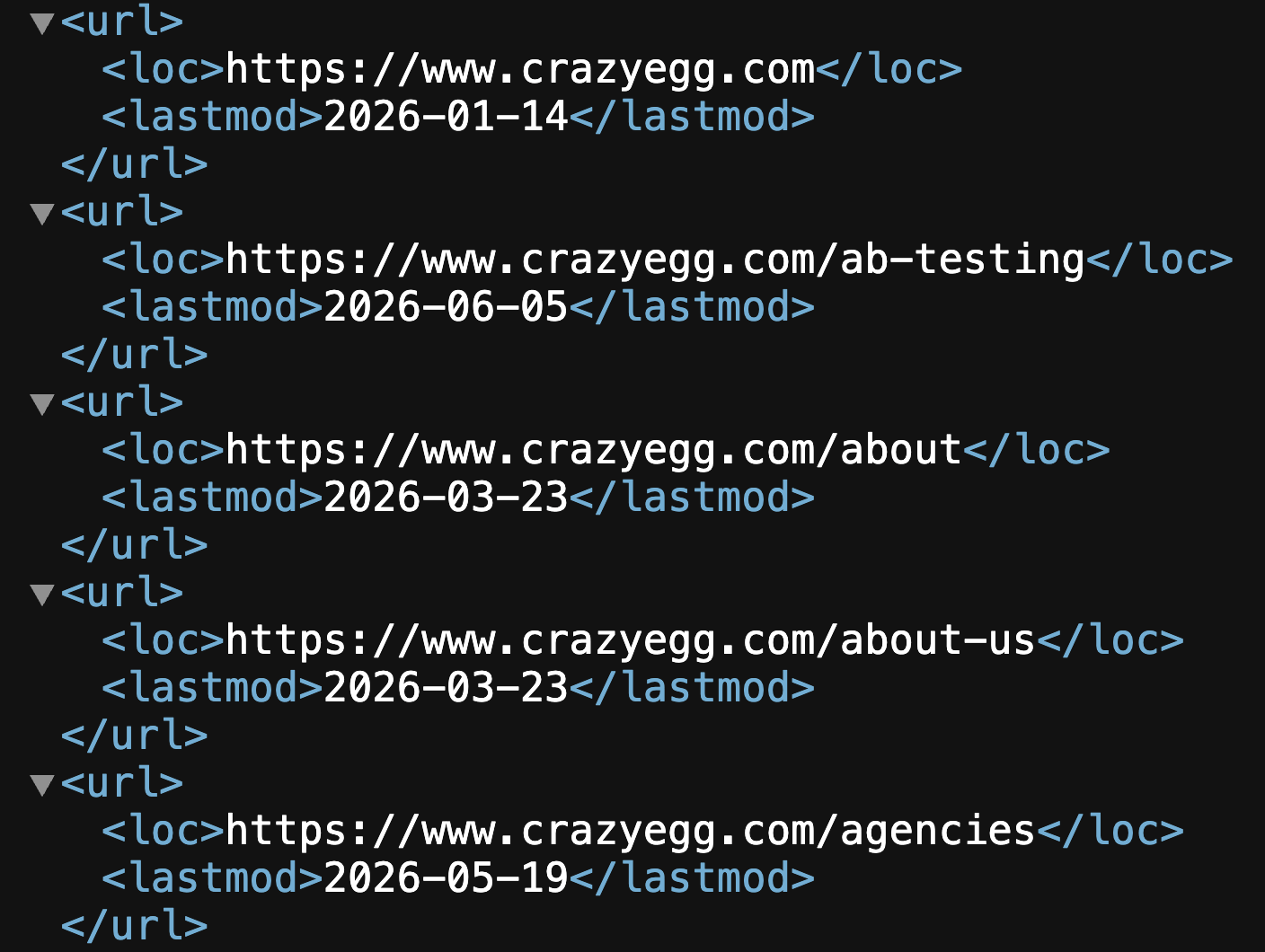
However, navigation often breaks when sites rely on non-standard architecture. Common failure points include "orphaned" pages that lack internal links, non-crawlable JavaScript-based menus, and sitemaps that have not been updated to reflect current content. When an agent cannot find a logical path through a site, it often defaults to the homepage or fails the task entirely. The industry-standard fix is a return to fundamentals: maintaining a clean, automatically updating sitemap and ensuring that all critical navigation links are built on labeled, crawlable HTML rather than hover-dependent JavaScript elements.
Phase 2: The Security Wall and Fetching Dynamics
Once a page is discovered, the agent must successfully "fetch" the content. This is where the majority of agentic interactions terminate. Modern websites employ sophisticated bot-management layers—such as Cloudflare Turnstile or traditional CAPTCHAs—designed to distinguish between humans and machines. Because AI agents are, by definition, machines, they are frequently caught in these defensive nets.
The chronology of a fetch request involves passing through firewall rules, redirect chains, and server-side response checks. If a site uses a "wildcard block" on all bots, it effectively shuts the door on legitimate AI assistants. To mitigate this without compromising security, many organizations are now moving toward "allow-listing" verified AI user-agents. This requires a more granular approach to security, moving away from binary "bot or human" logic to a more nuanced "known good agent" versus "unknown bot" framework.
Phase 3: The Rendering Gap and JavaScript Limitations
One of the most significant technical misconceptions in web development is the assumption that AI agents can "see" a page exactly as a human does. In reality, most AI agents—with the notable exception of Google’s Gemini—interact with raw HTML rather than rendered pages. A joint analysis by Vercel and MERJ of over 500 million GPTBot fetches found zero evidence of JavaScript execution.
This creates a "rendering gap." If a website uses client-side rendering (CSR), where the browser builds the page content using JavaScript after the initial load, an AI agent will only see a blank shell or a loading spinner. Consequently, a page that ranks highly in search results may be completely invisible to ChatGPT or Claude. The industry consensus is shifting back toward server-side rendering (SSR) or pre-rendering. By delivering the full content in the initial HTML response, site owners ensure that agents can immediately extract the data they need without needing to execute complex scripts.
Phase 4: Parsing Meaning via the Accessibility Tree
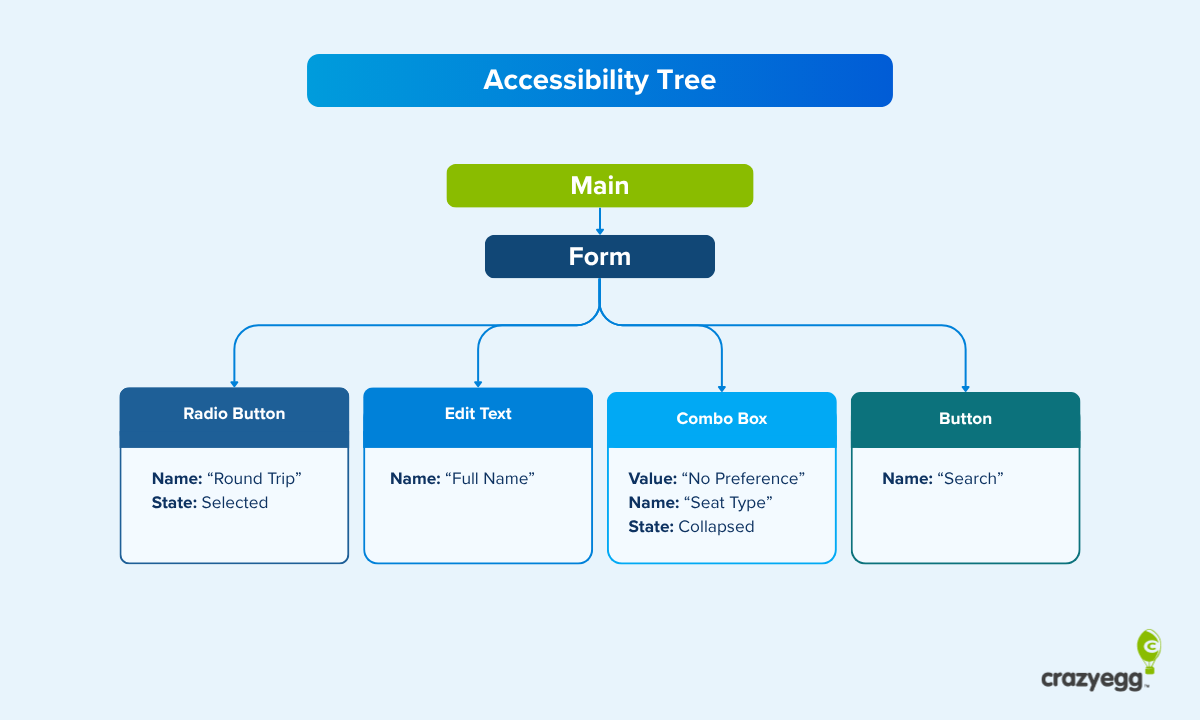
After rendering, the agent must parse the content to understand its meaning. This process relies on a structural map known as the "accessibility tree." Interestingly, AI agents navigate the web in a manner almost identical to screen readers used by visually impaired users. They move between elements in a logical sequence rather than jumping to visual cues.
The success of this phase depends heavily on the use of semantic HTML. Sites that use generic <div> tags for all elements, rather than specific tags like <nav>, <article>, or <button>, provide a "thin" map that confuses AI. A study conducted by UC Berkeley and the University of Michigan (published in CHI 2026) demonstrated that an agent’s task success rate can drop from 78% to 42% when it is restricted to keyboard-style navigation on a poorly structured site. This finding has led major AI developers like OpenAI to confirm that their agents, such as the Atlas project, increasingly rely on ARIA (Accessible Rich Internet Applications) tags to interpret page structure.
Phase 5: The Authentication Barrier and Identity Security
For AI agents to be truly useful, they must eventually move behind login walls to check order histories or manage subscriptions. Currently, this represents the "final frontier" of agentic failure. Most sites offer no secure way for an agent to authenticate, forcing users to either share their actual passwords with AI providers or provide active session tokens—both of which are high-risk behaviors.
The Sophos 2026 State of Identity Security report found that 71% of organizations suffered an identity-related breach in the previous year, with 40.6% of these incidents linked to the mismanagement of non-human credentials. In response, new infrastructure is emerging:
- OAuth Discovery: A protocol allowing sites to tell agents how to log in securely without password sharing.
- Web Bot Auth: A cryptographic method for agents to prove their identity, backed by major players like Amazon, Akamai, and OpenAI.
These standards aim to create a "handshake" between the site and the agent, ensuring that the person’s data remains secure while allowing the agent to perform its duties.
Phase 6: Content Interaction and Agentic Commerce
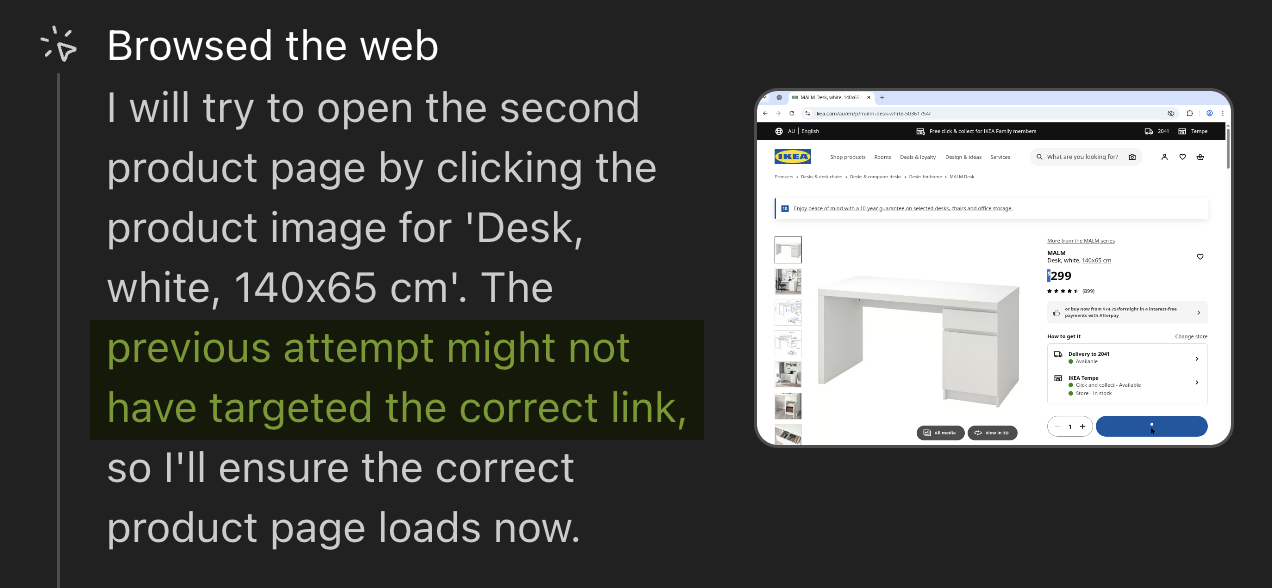
The final step in the journey is the completion of a transaction or a form submission. This is the stage with the highest failure rate because the web was designed for mouse-driven human interaction. AI agents often struggle with multi-step checkouts, "Continue as Guest" buttons that are not properly labeled, or forms that require complex validation.

To solve this, a new cluster of "agentic commerce" protocols is being developed. These include:
- AI24: A standard for agent-to-agent transactions.
- MCP (Model Context Protocol): Designed by Anthropic to standardize how models interact with external data.
- Skyfire: A dedicated payment layer for AI-driven purchases.
While these protocols are not yet ubiquitous, they represent the future of the transactional web. For now, the most effective strategy for site owners remains the use of clear, purpose-built form elements and predictable, logical checkout flows.
Broader Impact and Strategic Implications
The shift toward an agent-ready web is not merely a technical update; it is an economic necessity. As consumers increasingly rely on AI to filter their choices and perform their tasks, websites that remain "agent-hostile" will likely see a decline in discovery and conversion.
Industry analysts suggest that we are entering an era of "Agent-First Design." This philosophy posits that if a website is accessible to an AI agent—meaning it is fast, structured, semantically correct, and technically sound—it will inherently be better for human users as well. The data from the past year suggests that the "fixes" for AI agents are identical to the long-standing best practices for web accessibility and technical SEO. By optimizing for the 50 billion daily agent requests, businesses are inadvertently creating a cleaner, more efficient, and more inclusive internet for everyone. The transition may be fraught with technical "breaks" today, but the roadmap for the future is clear: the most successful sites of the late 2020s will be those that speak the language of both humans and the machines that serve them.