

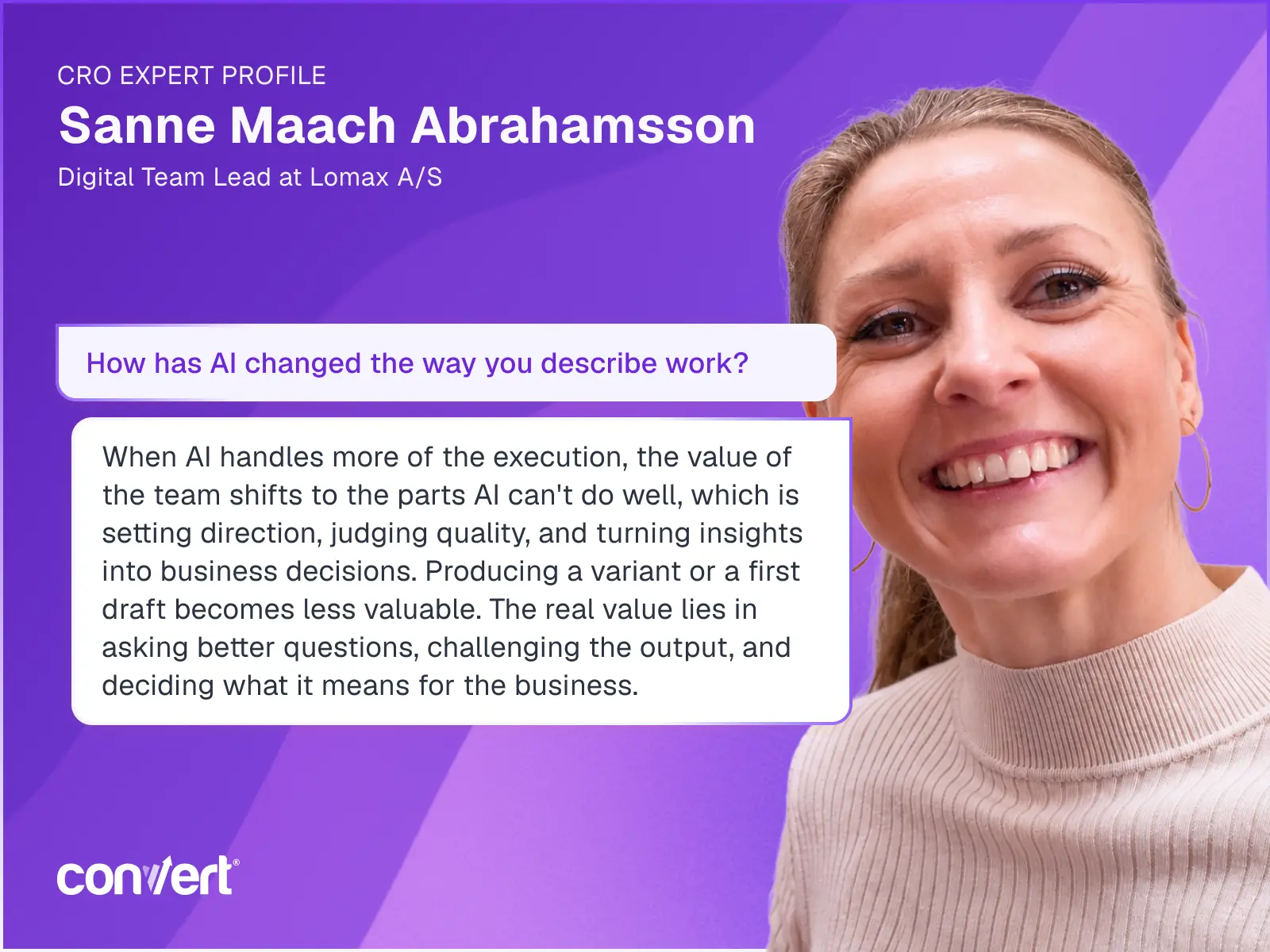
The landscape of digital commerce and user experience is undergoing a fundamental shift as organizations move away from intuitive design toward rigorous, evidence-based experimentation. At the forefront of this transition in the Nordic region is Lomax A/S, a major Danish B2B e-commerce provider. Sanne Maach Abrahamsson, the Digital Team Lead at Lomax A/S, recently detailed the company’s strategic evolution, illustrating how Conversion Rate Optimization (CRO) and Artificial Intelligence (AI) are being synthesized to create a more resilient and data-literate corporate culture. Her insights provide a roadmap for modern enterprises seeking to navigate the complexities of digital maturity and the rapidly advancing capabilities of automated workflows.
The Strategic Shift to Evidence-Based Decision Making
Lomax A/S, a company with a long-standing history in office supplies and equipment, has traditionally relied on the established pillars of B2B retail. However, the introduction of CRO as a formal discipline marked a turning point in its digital operations. Abrahamsson’s entry into this field was not the result of a lifelong pursuit of data science but rather a strategic pivot. Transitioning from a background in finance and interaction design, she was tasked with introducing experimentation as a core methodology at Lomax.

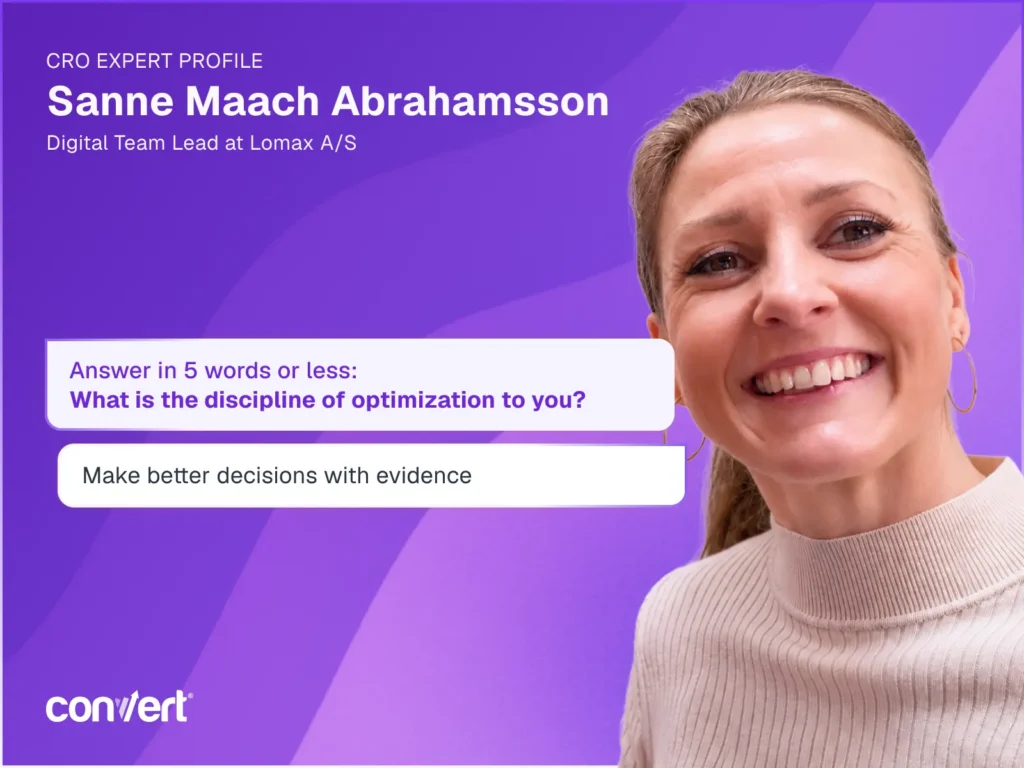
The core philosophy guiding this transition is succinct: making better decisions through evidence. In a professional landscape often dominated by the "HiPPO" (Highest Paid Person’s Opinion), the implementation of a testing culture serves as a democratic and factual counterweight. By utilizing interaction design principles—focusing on the user’s journey and friction points—and marrying them with hard data, Lomax has moved toward a model where every website change is treated as a hypothesis rather than an absolute.
The Evolution of Organizational Memory and AI Integration
One of the most significant challenges in modern digital marketing is the loss of institutional knowledge. Experimentation results often reside in disparate slide decks, archived emails, or forgotten project tickets. To combat this, Abrahamsson has spearheaded a shift toward a structured "learning infrastructure." This initiative utilizes Airtable as a centralized repository for research, roadmaps, and results, ensuring that every test contributes to a permanent, searchable organizational memory.
The integration of AI into this workflow represents the next phase of digital maturity. Rather than using AI simply to generate more content or run more tests, Lomax is utilizing Large Language Models (LLMs), specifically Claude, to synthesize and search through historical data. This connection allows the team to identify patterns in customer behavior that might span multiple years and dozens of individual experiments.

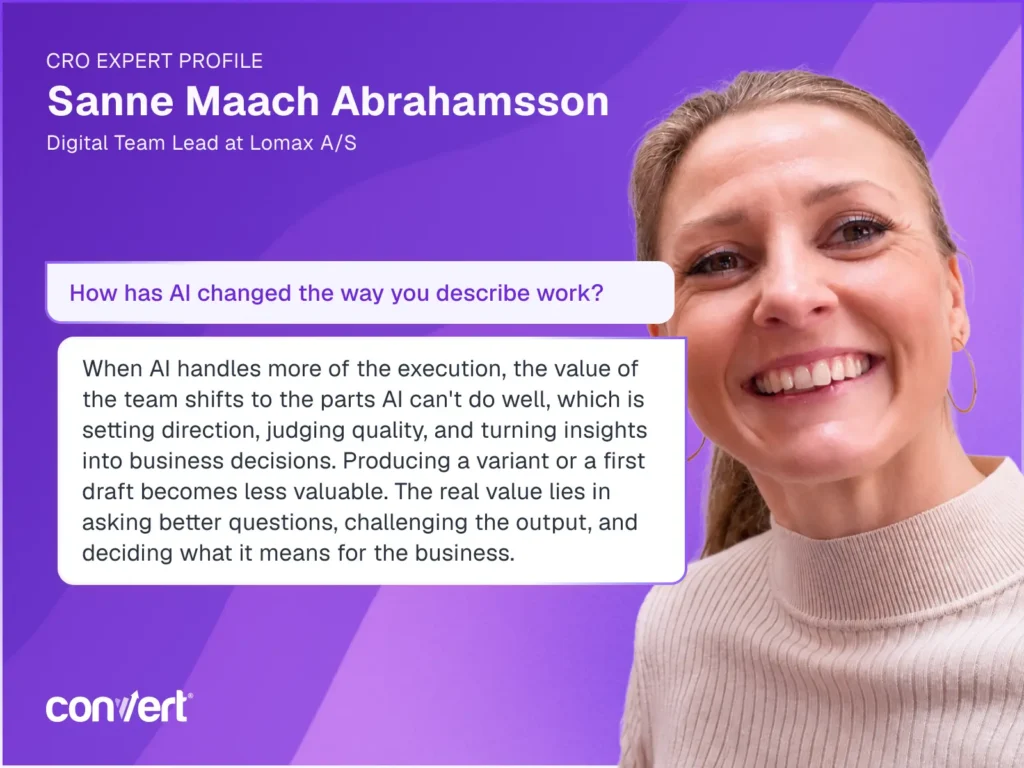
The objective of this AI-enhanced workflow is not merely speed. As Abrahamsson notes, the goal is to create more value with the existing headcount. By delegating repetitive tasks—such as data structuring and initial research synthesis—to AI agents, human practitioners are freed to focus on higher-value activities: setting strategic direction, judging the quality of output, and converting raw insights into actionable business decisions.
Case Studies in Risk Mitigation: The Value of Negative Results
A critical component of Lomax’s experimentation strategy is the revaluation of "failed" tests. In traditional business metrics, a test that results in a conversion drop is often viewed as a loss. However, from an experimentation perspective, these results are frequently the most valuable because they prevent the implementation of costly, detrimental features.
Abrahamsson highlighted two specific instances where experimentation served as a safeguard against expensive business mistakes:

-
Automated Product Video Integration: Management had expressed significant interest in a third-party tool that automatically scraped YouTube to add product videos to the webshop. While the vendor’s demo was compelling and the theoretical case for video-driven conversion was strong, the actual A/B test yielded a significant drop in conversion rates and average order value (AOV). The automation lacked quality control, leading to influencer content and foreign-language subtitles that did not align with the brand’s B2B professional image. By testing before committing, Lomax avoided a year-long contract and a degraded user experience.
-
AI-Generated Product Descriptions: In a separate experiment, the team compared human-written copy against AI-generated descriptions for product and category pages. The results were nuanced: AI performed exceptionally well on product pages, providing clear, concise information that assisted the user’s decision-making process. However, on category pages, the AI output was too generic, lacking the creative nuance required to engage users at that stage of the funnel. This test allowed the company to adopt AI where it was effective while maintaining human oversight where it was not, leading to a more sophisticated, hybrid content strategy.
Chronology of Digital Transformation at Lomax A/S
The journey of digital optimization at Lomax can be viewed through a timeline of professional and technological milestones:
- Phase 1: The Introduction of CRO: The formal establishment of CRO as a discipline within the digital team. This involved moving away from "gut-feeling" updates to a structured testing model.
- Phase 2: Scaling the Methodology: Expanding experimentation from simple A/B tests on button colors to more complex functional changes and third-party tool integrations.
- Phase 3: Learning Infrastructure Development: The transition to Airtable as a "Single Source of Truth." This period focused on the documentation of every experiment to ensure long-term data accessibility.
- Phase 4: AI Workflow Optimization: The current phase, involving the integration of AI tools like Claude to synthesize data and the exploration of AI agents to handle repetitive execution tasks.
Supporting Data and Industry Context
The strategy employed by Lomax reflects broader trends in the global e-commerce market. According to recent industry reports, the average success rate for A/B tests across all industries is approximately 12% to 15%. This means that the vast majority of "good ideas" either have no impact or a negative impact on business goals. Without a testing framework, companies like Lomax would be implementing changes that are statistically more likely to fail than succeed.
Furthermore, the "cost of bad decisions" is a rising concern for B2B enterprises. Technical debt—the cost of maintaining poorly integrated or ineffective software—can consume up to 40% of an IT department’s budget. By using experimentation as a gatekeeper for new software investments, as seen in the video automation case, Lomax is effectively practicing "preventative digital medicine."
The Future of the Workforce: From Execution to Judgment
As AI continues to simplify the execution of digital tasks, the role of the human practitioner is evolving. Abrahamsson emphasizes that the value of a digital team is shifting from "producing" to "thinking." In the coming years, leadership in the digital space will involve managing both human employees and AI agents.
The core competencies for this new era include:
- Critical Thinking: The ability to challenge AI-generated output and ensure it aligns with brand values and business objectives.
- Strategic Direction: Determining which questions are worth asking and which problems are worth solving.
- Synthesis of Insights: Connecting the dots between user research, customer feedback, and experimental data to form a holistic view of the market.
Broader Impact and Implications for the B2B Sector
The insights shared by Sanne Maach Abrahamsson highlight a growing divide in the B2B e-commerce sector between "digitally active" and "digitally mature" organizations. Digitally active companies use tools and run tests; digitally mature companies, like Lomax, build systems where learning is compounded and data is the primary driver of the roadmap.
For practitioners and leaders, the lesson is clear: the future of optimization is not about running the most tests, but about making the organization smarter. As AI commoditizes the ability to generate variants and analyze data, the competitive advantage will lie in an organization’s ability to turn that data into a unique, institutional memory.

The transition at Lomax A/S serves as a case study for how legacy B2B retailers can modernize their operations. By prioritizing evidence over opinion, investing in learning infrastructure, and viewing AI as a partner in judgment rather than just a tool for speed, companies can navigate the volatility of the digital economy with greater confidence. The focus remains on the human element—the curiosity, the skepticism, and the strategic vision—that ensures technology serves the business, rather than the other way around.







