The widely-used Yoast SEO Premium plugin has released version 27.6.1, a critical update addressing a significant security vulnerability discovered in its Redirect Manager feature. This update is designed to protect websites from potential .htaccess file injection, which, in severe instances, could lead to remote code execution (RCE) and full site compromise. While Yoast has stated that the vast majority of its users are not impacted, the company strongly recommends that all customers of Yoast SEO Premium, Yoast WooCommerce SEO, and Yoast SEO AI+ update their plugins without delay to ensure optimal security.
Understanding the Vulnerability: A Deep Dive into .htaccess Injection
The core of the vulnerability lay within the Redirect Manager feature of Yoast SEO Premium. It allowed an authenticated user – meaning someone with legitimate access to the WordPress administration panel, even with lower-level permissions – to inject unexpected and potentially malicious configuration directives into a site’s .htaccess file. This was achievable by including special characters within a redirect rule, bypassing existing sanitization or validation measures.
The .htaccess file is a powerful, server-level configuration file primarily used by Apache web servers. It allows for decentralized management of server configuration, enabling website administrators to control aspects like URL redirects, access restrictions, caching, error pages, and even execute certain server-side commands without needing to edit the main server configuration files. Due to its direct influence over server behavior, any unauthorized or malicious modification to the .htaccess file poses an extreme security risk.
The consequences of such an injection could range from minor disruptions, like a website crash due to malformed directives, to severe security breaches, including data theft, website defacement, and the most critical outcome: remote code execution (RCE). RCE allows an attacker to execute arbitrary code on the web server, effectively taking full control of the compromised system. This level of access could be leveraged to install backdoors, steal sensitive information, launch further attacks, or even integrate the compromised server into a botnet.
Scope of Impact: Identifying Affected Websites
Yoast has clarified that the vulnerability’s impact is not universal across its premium user base. A website is only potentially at risk if all three of the following specific conditions are met:
- Yoast SEO Premium, Yoast WooCommerce SEO, or Yoast SEO AI+ is installed and active: The vulnerability is specific to these premium versions.
- The Redirect Manager is enabled: The feature containing the flaw must be active on the site.
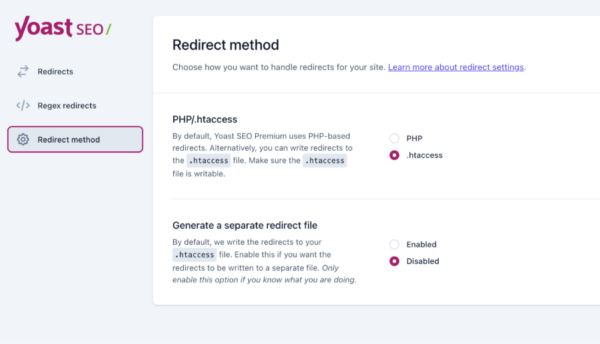
- The redirect method is set to
.htaccessmode: This is the most crucial condition. Many sites use PHP-based redirect methods, which are not affected by this particular vulnerability. Only sites explicitly configured to manage redirects via direct.htaccessmodification were susceptible.
Yoast has provided a straightforward method for users to ascertain if their site is using the .htaccess mode: navigate to [www.yoursite.com]/wp-admin/admin.php?page=wpseo_redirects#/redirect-method within the WordPress admin area. If the .htaccess mode is not explicitly enabled or visible there, the site is not considered to be at risk from this specific vulnerability. This detailed clarification helps site administrators quickly assess their exposure without extensive technical investigation.
Chronology of Discovery and Remediation Efforts
The precise timeline for the discovery of this vulnerability has not been fully detailed in the initial public announcement, which is typical in security disclosures to prevent opportunistic attacks. However, the release of version 27.6.1 indicates a rapid response from the Yoast development team following its identification.
- Vulnerability Identification: The flaw was discovered internally or reported to Yoast’s security team. The nature of the vulnerability suggests a thorough internal audit or a responsible disclosure by a security researcher.
- Patch Development: Following identification, Yoast’s engineers prioritized the development of a robust fix. This process involved not only patching the immediate entry point for the injection but also implementing additional layers of defense to prevent similar issues in the future.
- Internal Review and Testing: Before public release, the patch would have undergone rigorous internal testing to ensure its effectiveness in mitigating the vulnerability without introducing new issues or breaking existing functionalities.
- Release of Yoast SEO Premium 27.6.1: The updated version was made publicly available to address the security flaw.
- Communication to Users: Yoast promptly communicated the vulnerability and the necessary update to its premium users through blog posts and potentially direct notifications, emphasizing the urgency for affected sites.
- Ongoing Monitoring: Yoast’s security team continues to monitor for any signs of exploitation and is preparing a more comprehensive security advisory.
Crucially, Yoast has conducted a review of a sample of sites utilizing the affected configuration and has reported no evidence of exploitation prior to the release of the patch. This suggests that the vulnerability was either proactively discovered or responsibly disclosed and addressed before malicious actors could leverage it, significantly reducing the potential harm. There are no known cases of abuse associated with this specific vulnerability at the time of the announcement.

The Multi-Layered Security Fix in 27.6.1
The security patch implemented in Yoast SEO Premium 27.6.1 introduces three distinct layers of protection to fortify the Redirect Manager against .htaccess injection attacks:
- Enhanced Input Sanitization: The first line of defense involves more stringent sanitization of user input within the Redirect Manager. This process meticulously filters out or escapes special characters that could be interpreted as
.htaccessdirectives, preventing them from being passed to the file. - Robust Output Escaping: Even if malicious input somehow bypasses initial sanitization, robust output escaping ensures that when the data is written to the
.htaccessfile, any potentially harmful characters are treated as literal strings rather than executable commands. - Stricter Validation Logic: The update includes more rigorous validation checks on the redirect rules themselves. This logic aims to identify and reject redirect configurations that deviate from expected patterns or contain suspicious elements, thereby preventing malformed or malicious rules from being saved and applied.
These combined measures create a formidable barrier, significantly reducing the likelihood of successful .htaccess injection and safeguarding against the severe consequences of remote code execution.
Immediate Action Required: Recommendations for Website Administrators
Yoast strongly urges all users of Yoast SEO Premium, Yoast WooCommerce SEO, and Yoast SEO AI+ to update their plugins to version 27.6.1 as quickly as possible. The update process is straightforward and can typically be completed by a site administrator in under two minutes directly from the WordPress plugins screen.
For websites confirmed to meet all three conditions for being affected (premium plugin active, Redirect Manager enabled, .htaccess mode active), updating is considered an urgent priority. Even for sites not directly impacted by this specific vulnerability, keeping all plugins, themes, and the WordPress core up-to-date is a fundamental cybersecurity best practice. Yoast emphasizes that 27.6.1 is the recommended version for all users, regardless of their current configuration.
To confirm whether a site uses the .htaccess redirect mode, administrators should navigate to [www.yoursite.com]/wp-admin/admin.php?page=wpseo_redirects#/redirect-method in their WordPress dashboard. If the .htaccess mode is not displayed as enabled, the site is not vulnerable to this particular issue.
Yoast SEO’s Pervasive Role in the WordPress Ecosystem
Yoast SEO is one of the most ubiquitous and influential plugins in the WordPress ecosystem. With its free version boasting over 5 million active installations and its premium offerings extending to countless more websites, Yoast plays a critical role in how millions of websites optimize for search engines. WordPress itself powers over 43% of all websites on the internet, making it a prime target for attackers. The widespread adoption of Yoast SEO means that any security vulnerability, however limited in its specific impact, carries significant implications for web security at large.
The Redirect Manager, a key feature of Yoast SEO Premium, is vital for maintaining SEO integrity during website migrations, URL changes, or site restructuring. By managing 301 and 302 redirects, it helps prevent broken links and preserves search engine rankings. The compromise of such a critical SEO tool could not only lead to direct server compromise but also allow attackers to redirect legitimate traffic to malicious sites, engaging in phishing or malware distribution.
The Broader Landscape of WordPress Security and .htaccess Vulnerabilities
This incident serves as a stark reminder of the continuous security challenges faced by the WordPress community. While WordPress itself is a robust and actively maintained platform, its open-source nature and vast plugin/theme ecosystem mean that vulnerabilities can emerge from various sources. Plugins, by their very design, extend core functionality and often require elevated permissions, making them attractive targets for attackers.
Vulnerabilities related to .htaccess file manipulation are particularly dangerous due to the file’s direct control over the web server. Past incidents in the web security landscape have repeatedly demonstrated that flaws allowing injection into .htaccess can lead to rapid and complete site compromise. These types of vulnerabilities highlight the importance of stringent input validation and output escaping, especially when dealing with server configuration files.
The fact that this vulnerability required an "authenticated user" to exploit does mitigate some risk compared to an unauthenticated flaw. However, compromised user accounts (e.g., via weak passwords, phishing, or other vulnerabilities) are a common vector for attacks. Therefore, even authenticated vulnerabilities must be treated with the utmost seriousness.
Expert Commentary and Industry Implications
Cybersecurity experts consistently advocate for a proactive approach to website security. This includes:
- Regular Updates: Keeping WordPress core, themes, and plugins updated is the single most effective defense against known vulnerabilities.
- Strong Authentication: Implementing strong, unique passwords and two-factor authentication for all user accounts, especially administrative ones, significantly reduces the risk of account compromise.
- Regular Backups: Comprehensive and regularly tested backups are crucial for rapid recovery in the event of a security incident.
- Security Scanning: Utilizing security plugins and external scanning services to identify potential vulnerabilities.
- Principle of Least Privilege: Ensuring that users and plugins only have the minimum necessary permissions to perform their functions.
The Yoast security incident underscores the shared responsibility in maintaining a secure online environment. Plugin developers like Yoast bear the responsibility of developing secure code, promptly identifying and patching vulnerabilities, and transparently communicating risks to their users. Website administrators, in turn, are responsible for staying informed, applying updates, and implementing best practices to protect their digital assets.
Yoast’s Commitment to Security and Transparency
Yoast’s swift action in releasing version 27.6.1 and providing clear guidance to its users reinforces its commitment to the security and trust of its customer base. The company’s proactive communication, including the promise of a full security advisory to be published soon, demonstrates a dedication to transparency and responsible disclosure practices. Such advisories typically provide more technical details about the vulnerability, the discovery process, and the specific fixes implemented, which can be valuable for security researchers and advanced administrators.
In the interim, Yoast has assured users that its support team is available to address any questions or concerns regarding the vulnerability or the update process. This level of support is crucial for guiding users through critical security patches.
Conclusion: Vigilance in the Digital Age
The release of Yoast SEO Premium 27.6.1 serves as a timely reminder that even the most reputable and widely-used software can contain vulnerabilities. While the immediate impact of this specific .htaccess injection flaw was mitigated by its conditional nature and Yoast’s prompt response, it highlights the persistent need for vigilance in the ever-evolving landscape of cyber threats. For the millions of websites relying on WordPress and Yoast SEO, maintaining an up-to-date and secure environment is not merely a recommendation but an imperative for protecting their digital presence and the trust of their users.