

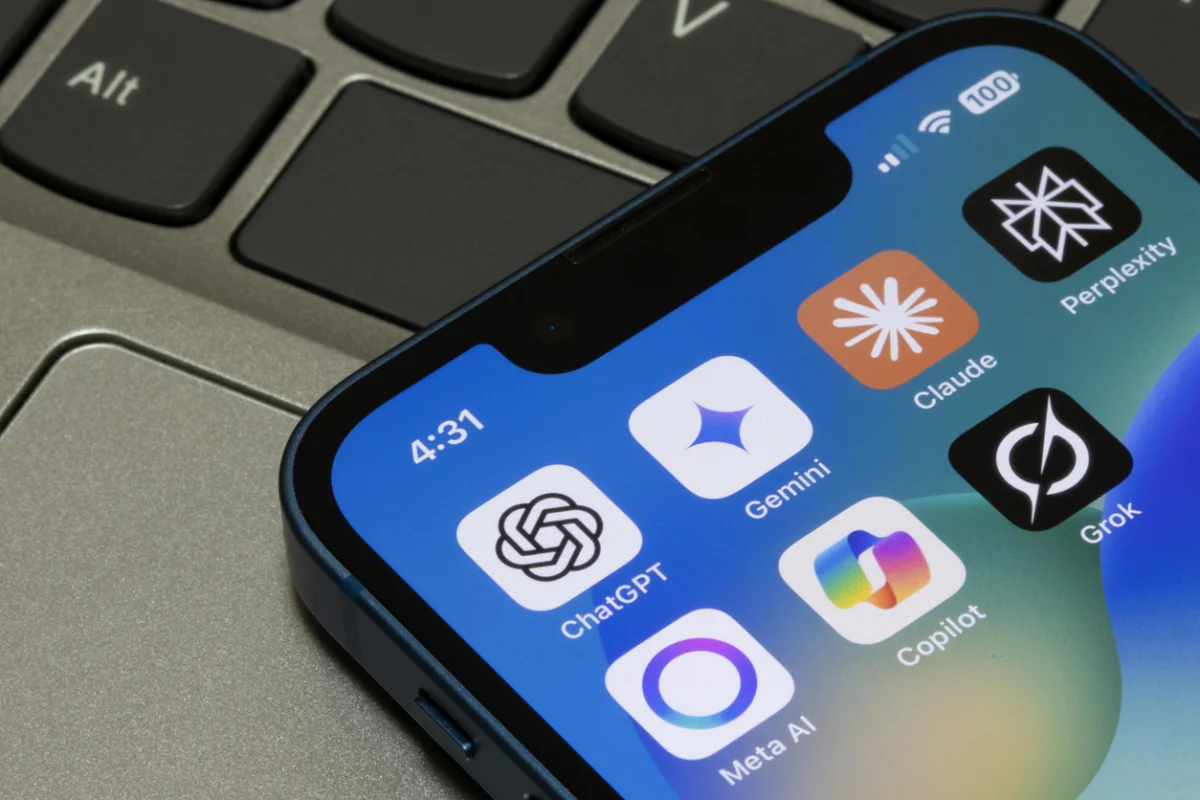
The rapid integration of generative artificial intelligence into the corporate communications landscape has initiated a paradigm shift in how organizations articulate their values, strategies, and responses to change. While tools like ChatGPT, Claude, and Gemini have democratized high-level linguistic polish, they have simultaneously created a new challenge for executive leadership: the erosion of the "human voice." As communication becomes more efficient and grammatically perfect through automation, the premium on authenticity, vulnerability, and personal conviction has reached an all-time high. For communications professionals and the executives they advise, the ability to sound like a real human being is no longer just a stylistic choice; it is a strategic leadership advantage in an era where trust is the primary currency of business.
The Rise of the Automated Executive
The adoption of generative AI in the workplace has been meteoric. According to a 2024 report by Microsoft and LinkedIn, 75% of knowledge workers globally now use AI at work, with many reporting that it helps them save time and focus on more important tasks. In the realm of public relations and internal communications, AI is being utilized to draft everything from LinkedIn thought-leadership pieces to sensitive internal memos regarding restructuring.
However, Mary Olson-Menzel, founder and CEO of MVP Executive Development, and Michelle Powers, a fractional chief of staff, argue that this efficiency comes with a hidden cost. They suggest that while AI can help write faster and polish messages to a professional sheen, something vital—the human essence—often gets lost in the process. For communications leaders, who are frequently the most trusted voices within an organization, this trend presents a profound leadership dilemma. The question facing the industry is not whether to use AI, but how to leverage its capabilities without allowing it to erase the meaningful connections that define effective communication.
A Chronology of Communication Technology and the Trust Gap
To understand the current tension between AI and human voice, one must look at the evolution of corporate communication over the last two decades. In the early 2000s, the rise of email and blackberries prioritized speed over nuance. By the mid-2010s, social media and platforms like Slack demanded a more informal, "always-on" presence from leaders.
The turning point occurred in late 2022 with the public release of advanced Large Language Models (LLMs). Almost overnight, the barrier to producing high-quality written content vanished. By 2023, corporations were racing to implement "AI-first" strategies. However, by 2024, a backlash began to emerge. The 2024 Edelman Trust Barometer revealed a growing skepticism toward AI-generated content, with many respondents expressing concern that technology is being used to manipulate or obscure the truth.
This chronology suggests that we have entered the "Authenticity Era." As the market becomes saturated with "perfect" content, the human "glitch"—the occasional raw emotion, the admission of uncertainty, and the personal anecdote—has become the only way to signal genuine presence to an audience.
Supporting Data: The Economics of Trust and Authenticity
The shift toward valuing the human voice is backed by significant data regarding organizational health. Research by Gallup consistently shows that employees who trust their leadership are more engaged, productive, and likely to stay with their company. Specifically, when employees feel their leaders are transparent and authentic, they are four times more likely to be engaged at work.
Furthermore, a study by the Harvard Business Review found that "authentic leadership" is a top predictor of an employee’s job satisfaction. In the context of AI, the data suggests a "Trust Deficit" is forming. When employees receive a memo that feels "hollow" or "manufactured," their engagement drops because they no longer feel they are in a dialogue with a person, but rather a machine-processed output. This "hollow" feeling is often the result of AI optimizing for "polish" rather than "perspective."
Defining the Leadership Signature
Mary Olson-Menzel and Michelle Powers emphasize that an executive’s voice is part of their "leadership signature." This signature is what allows a leader to stand out in a sea of generic corporate speak. The strongest executive communicators are those who can articulate not just the "what" and the "how" of a decision, but the deeply personal "why."
The leadership signature consists of several key elements:
- Conviction: The willingness to state a belief and stand by it.
- Vulnerability: Acknowledging what is unknown or difficult.
- Connection: Relating corporate goals to human experiences.
- Consistency: Ensuring the voice remains the same across various platforms, from a formal board meeting to a casual Slack message.
Communications leaders are now finding their roles expanding. They are no longer just editors or gatekeepers; they are "voice coaches" who help executives move beyond corporate jargon and into language that sounds uniquely like them. This involves asking probing questions that AI cannot answer: "What keeps you up at night regarding this project?" "What is the one thing you want employees to feel, not just know?" or "Why does this matter to you personally?"
The "AI Hollow" vs. The Human Connection: A Comparative Analysis
The difference between AI-assisted and human-centric communication can be observed in the linguistic structure of corporate announcements. An AI-generated message regarding organizational change often sounds like this: "We recognize that this transition may create challenges as we continue to implement our strategic priorities. We are committed to ensuring a seamless experience for all stakeholders."
While grammatically perfect, the message is emotionally flat. It uses passive voice and abstract nouns ("transition," "challenges," "priorities") to distance the speaker from the reality of the situation.
In contrast, a human-centric message might read: "I know this change is hard. I know there are questions we can’t answer yet, and that uncertainty is uncomfortable. But I also believe this is the right direction for our organization because it allows us to focus on our core mission, and I am here to walk through this with you."
The second example uses "I" statements, acknowledges specific emotions ("hard," "uncomfortable"), and offers a personal belief. This version creates a bridge of trust that the first version, despite its "polish," fails to build.
Strategic Implications for Communications Leaders
As AI continues to evolve, communications professionals must adopt new strategies to protect and amplify the human voice within their organizations. Industry analysts suggest several key interventions:
1. Auditing for "AI Homogenization"
Comms leaders should monitor executive outputs to ensure they don’t all start sounding the same. If every leader in the C-suite is using the same AI prompts, the organization loses its diverse perspectives. Differentiation is a competitive advantage; a leader’s unique humor, warmth, or directness should be protected as a brand asset.
2. Prioritizing Presence Over Performance
In the age of deepfakes and AI avatars, physical and live presence has gained renewed importance. Town halls, unscripted Q&A sessions, and video messages where a leader speaks directly to the camera without a teleprompter are becoming more valuable than highly produced, scripted videos.
3. Implementing "Human-in-the-Loop" Workflows
While AI can be used for initial brainstorming or structural outlines, the final layer of any communication must be human. This "last mile" of communication is where the executive adds personal anecdotes, specific cultural references, and the nuances of tone that a machine cannot replicate.
Broader Impact: The Future of Organizational Culture
The long-term implications of this shift are profound. Organizations that successfully maintain a human voice will likely see higher levels of employee retention and brand loyalty. In a world where consumers and employees are increasingly skeptical of "corporate-speak," authenticity becomes a key differentiator in the talent market.
Moreover, the role of the Chief Communications Officer (CCO) is being elevated to a strategic advisor on "humanity and ethics." As AI takes over the tactical aspects of writing, the CCO’s value lies in their judgment, their empathy, and their ability to navigate the complex emotional landscape of a modern workforce.
Conclusion: The Courage to be Human
The rise of AI does not signal the end of meaningful communication; rather, it highlights its necessity. The communications leaders who thrive in the coming years will be those who recognize that "polish" is a commodity, while "presence" is a rarity. By encouraging leaders to speak with conviction, acknowledge their limitations, and connect on a human level, comms professionals can ensure that their organizations remain grounded in trust.
In this increasingly AI-forward world, the ultimate leadership advantage is the courage to remain human. As Mary Olson-Menzel and Michelle Powers suggest, the goal is to use technology to enhance our reach without allowing it to diminish our resonance. The future of leadership communication is not found in the perfection of the algorithm, but in the authenticity of the voice.









