

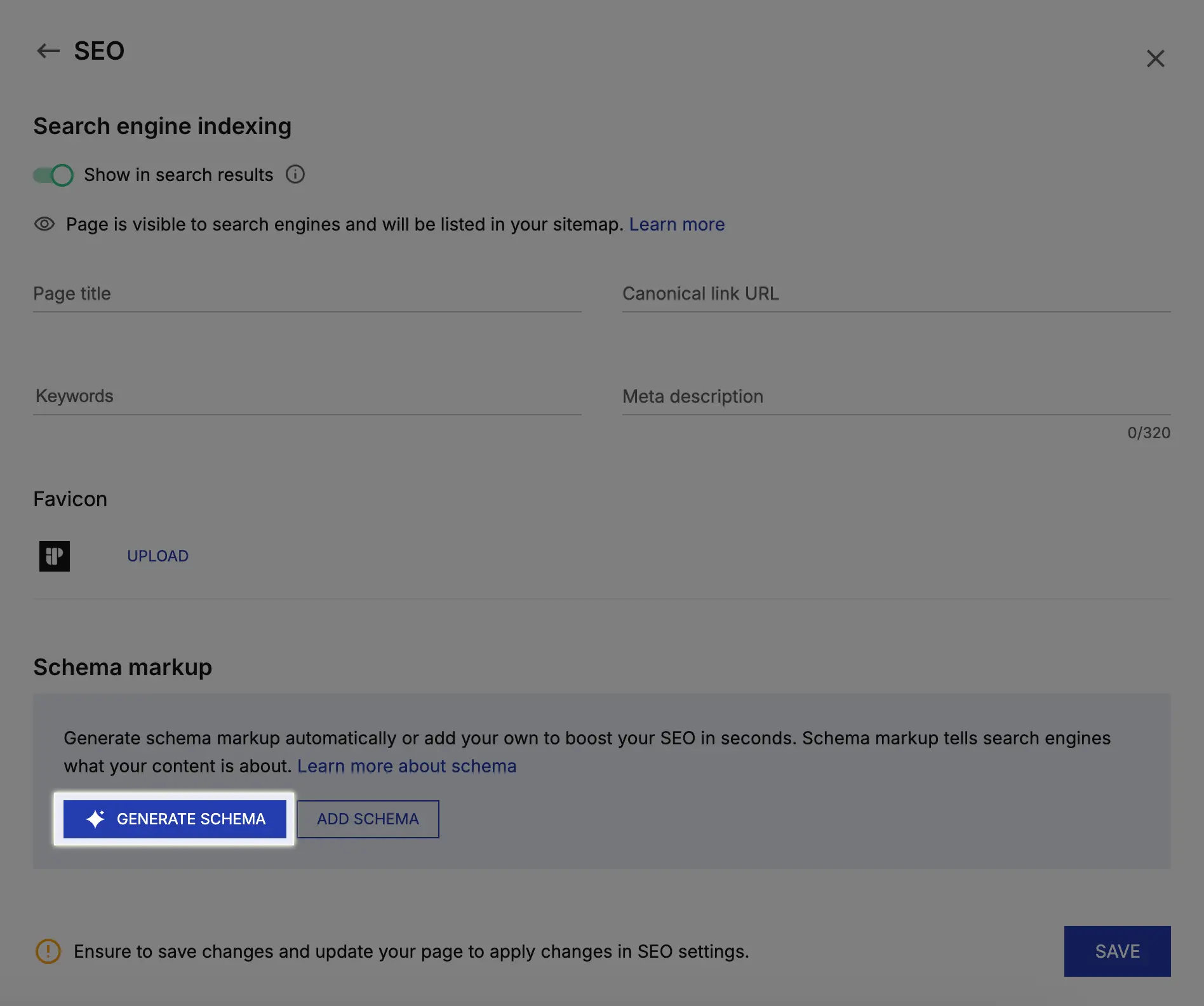
The landscape of digital marketing is undergoing a fundamental transformation as traditional search engines evolve into generative AI ecosystems. In response to these shifting dynamics, Instapage has announced the launch of a new AI-powered Schema Markup feature designed to democratize access to advanced search engine optimization (SEO) techniques. This development comes at a critical juncture for the industry, as marketing budgets face increasing scrutiny and brands are forced to find more efficient ways to maintain visibility in organic search results and AI-generated answers.
The core challenge facing modern marketers is no longer just about page speed or aesthetic design; it is about "machine readability." As AI assistants like ChatGPT, Perplexity, and Google’s Search Generative Experience (SGE) become the primary gatekeepers of information, the ability of a webpage to communicate its purpose through structured data has become a prerequisite for growth. Instapage’s latest update seeks to close the technical gap that has historically prevented non-technical marketers from implementing these sophisticated signals.
The Shift Toward Entity-Based Search and AI Visibility
For over a decade, search engine optimization was largely a game of keywords and backlinks. However, the rise of Large Language Models (LLMs) and semantic search has shifted the focus toward "entities"—the specific people, places, things, and concepts that search engines can identify and categorize. To understand these entities, search engines and AI assistants rely on schema markup, a form of structured data that uses a standardized vocabulary (Schema.org) to provide context.
Without schema markup, a search engine might see a price and a product name but not fully understand the relationship between them. With schema, the page explicitly tells the crawler: "This is a product, this is its price, this is its availability, and these are its reviews." This clarity is what triggers "rich snippets"—the enhanced search results that include star ratings, price ranges, and FAQ dropdowns—which are known to significantly increase click-through rates (CTR).
As marketing budgets tighten globally, the reliance on paid acquisition has become a double-edged sword. High customer acquisition costs (CAC) are driving brands back toward organic channels. However, the brands winning these organic placements are not necessarily those with the largest budgets, but those whose infrastructure is most compatible with the requirements of modern AI systems.
Technical Overview of the Instapage Schema Markup Feature
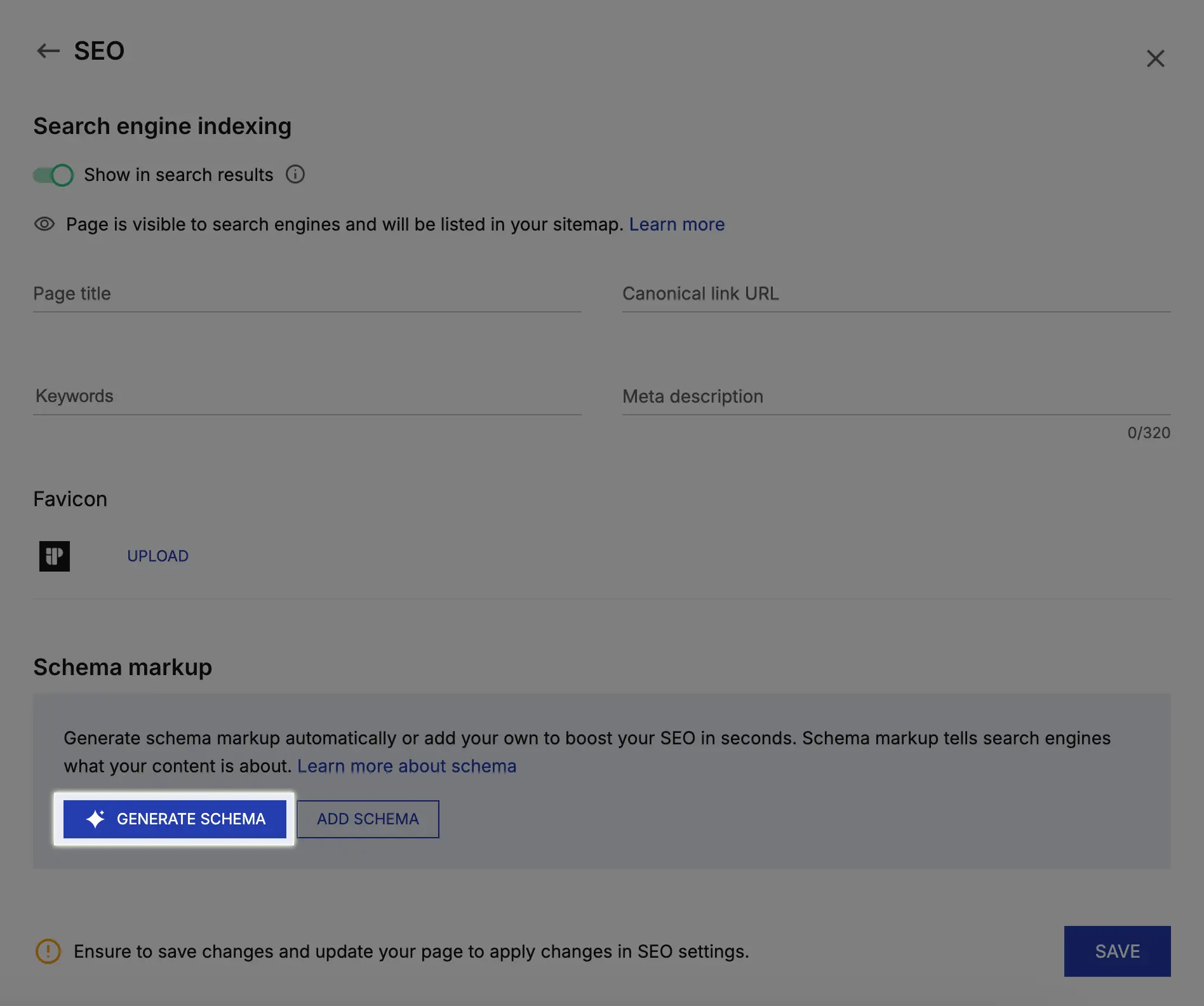
The new feature integrated into the Instapage platform allows users to generate, validate, and publish JSON-LD (JavaScript Object Notation for Linked Data) structured data directly from their page settings. This removes the "developer bottleneck" that often stalls SEO initiatives. Traditionally, implementing schema required a web developer to manually code JSON-LD scripts and inject them into the header of a landing page, a process prone to syntax errors and deployment delays.

Instapage’s solution utilizes artificial intelligence to automate the creation of this code. Within the SEO settings panel, users can select from a variety of schema types tailored to different business objectives. These include:
- Organization and Person: Establishing brand identity and authority for corporate entities or individual thought leaders.
- Product: Detailing specific offerings, which is essential for appearing in Google’s "Popular Products" and "Shopping" tabs.
- LocalBusiness: Crucial for brick-and-mortar operations looking to capture "near me" search intent.
- Event: Providing structured dates, times, and locations to ensure events appear in specialized search widgets.
- FAQPage: A strategic tool for capturing "zero-click" search results by providing direct answers to common queries.
For users who are uncertain which schema type best suits their content, Instapage has introduced an "Auto-detect" option. This sub-feature uses AI to analyze the existing content on a landing page and automatically generates the most relevant structured data signals.
Chronology of Landing Page Technology and the Path to AI Integration
The introduction of AI-generated schema markup marks a significant milestone in the timeline of landing page builders. To understand its impact, one must look at the evolution of the technology over the past fifteen years.
- 2010–2014 (The Era of Templates): Early landing page platforms focused on "What You See Is What You Get" (WYSIWYG) editors, allowing marketers to bypass HTML/CSS to create basic layouts. SEO was limited to meta titles and descriptions.
- 2015–2018 (The Performance Era): As mobile traffic overtook desktop, the industry shifted toward page speed and mobile responsiveness. Platforms like Instapage introduced AMP (Accelerated Mobile Pages) support and pixel-perfect design capabilities.
- 2019–2022 (The Personalization Era): The focus moved to dynamic text replacement and A/B testing at scale. Marketers began using data to tailor page experiences to specific ad groups.
- 2023–Present (The AI and Structure Era): With the explosion of Generative AI, the priority has shifted to making landing pages "discoverable" by non-human agents. Instapage’s rollout of Schema Markup follows its earlier integrations of AI content generation, signaling a move toward an all-in-one AI marketing stack.
Supporting Data: The Business Case for Structured Data
The demand for automated schema tools is supported by a growing body of data regarding search behavior. According to industry studies by Milestone Research, businesses that implement structured data see an average increase in click-through rates of 5% to 30%. Furthermore, pages with rich results (powered by schema) often maintain higher positions in search rankings because they provide a better user experience by answering questions before a user even clicks.
In the context of AI search, the data is even more compelling. Recent analysis of Google’s Search Generative Experience indicates that the AI-generated "snapshots" at the top of search results frequently pull information from sites that utilize robust schema markup. For brands, being cited as a source in an AI-generated answer is the new equivalent of a "Position Zero" ranking.
By reducing the time to implement schema from hours of development work to less than five minutes of automated generation, Instapage is addressing a significant efficiency gap. For agencies managing hundreds of client landing pages, the cumulative time savings represent a substantial increase in operational margin.
Industry Implications and Expert Analysis
The move by Instapage is expected to trigger a response from competitors in the landing page and MarTech space. Analysts suggest that "AI-readiness" will become a standard metric for evaluating marketing platforms in the coming years.
"We are seeing a shift from ‘human-centric’ web design to ‘dual-audience’ design," says a hypothetical industry analyst specializing in search technology. "Marketers must now design for the human visitor and the AI crawler simultaneously. Instapage’s integration of schema markup is a recognition that a high-converting page is useless if the AI gatekeepers cannot find or understand it."
From a strategic standpoint, this feature allows smaller businesses to compete with enterprise-level corporations. Historically, only companies with dedicated SEO and engineering teams could maintain comprehensive schema across all their digital assets. Automation levels the playing field, allowing a local business or a startup to signal its relevance to search engines with the same technical precision as a Fortune 500 company.
Impact on Different Business Sectors
The implications of this technology vary across sectors, though the benefits remain universal:
- E-commerce: By using Product and Offer schema, retailers can ensure their landing pages feed accurate data into search engine shopping carousels, showing real-time price and availability.
- Professional Services: Individual practitioners and consultants can use Person and Organization schema to build "E-E-A-T" (Experience, Expertise, Authoritativeness, and Trustworthiness), which is a core component of Google’s quality evaluator guidelines.
- SaaS and Lead Generation: FAQ schema allows software companies to dominate search real estate by answering technical or pricing questions directly in the search results, filtering out low-intent traffic before they even land on the page.
Conclusion and Future Outlook
The launch of AI-powered Schema Markup by Instapage represents more than just a new feature; it is a response to the fundamental re-architecting of the internet. As search engines transition from "libraries of links" to "engines of answers," the underlying data structure of a webpage becomes its most valuable asset.
By integrating generation, validation, and publishing into a single five-minute workflow, Instapage has positioned its users to weather the volatility of search engine algorithm updates and the rise of AI assistants. For the broader marketing community, this serves as a reminder that in an era of tightening budgets, the most effective strategy is often the one that makes the most of organic visibility through technical excellence.
As the digital landscape continues to evolve, the ability to communicate clearly with AI will likely become the defining characteristic of successful digital marketing. Instapage’s latest update ensures that its users are not just keeping pace with this change, but are equipped to lead it. The feature is now available across all Instapage plans, with the platform offering a 14-day trial for new users to test the AI-driven SEO capabilities firsthand.







