rifanmuazin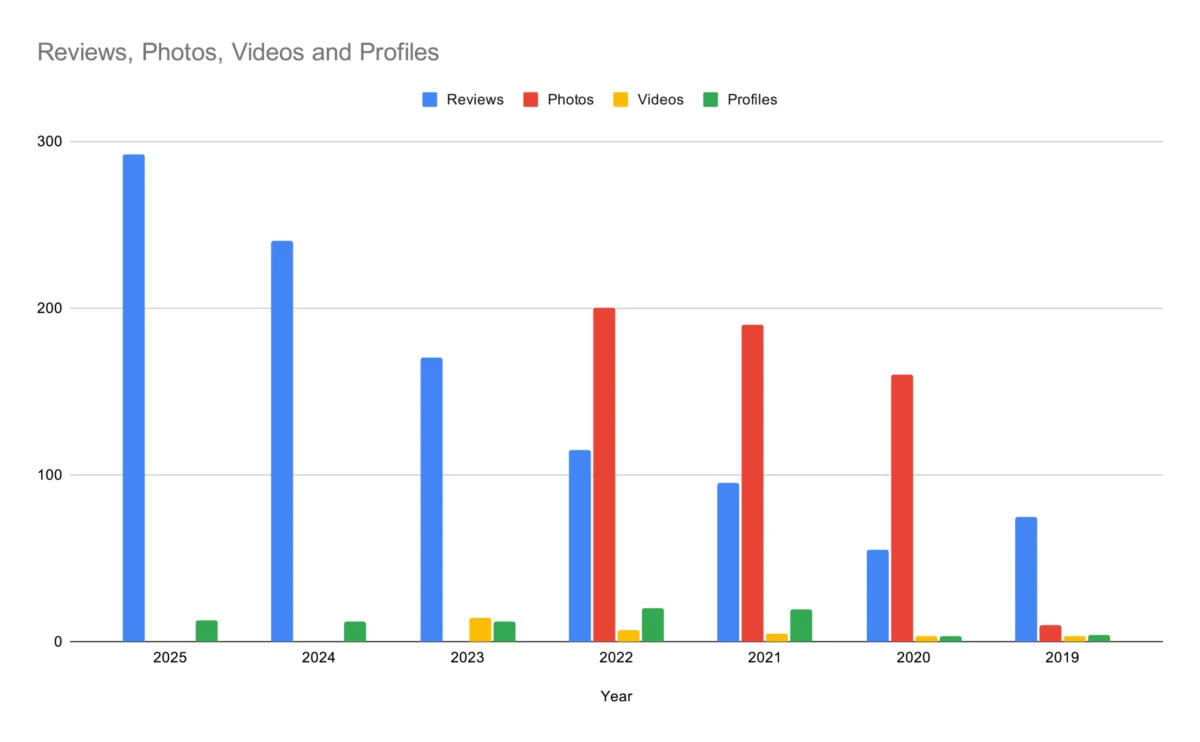
In a significant update underscoring its relentless commitment to maintaining the integrity of its platform, Google has revealed the latest figures from its annual Google Maps safety report. The report details an unprecedented scale of operations aimed at combating digital deception, with the tech giant announcing that it blocked or removed over 292 million policy-violating reviews and eradicated more than 13 million fake Business Profiles in its ongoing efforts to ensure the reliability of local business information. These substantial figures highlight the escalating battle against misinformation and fraudulent activities that threaten the trustworthiness of one of the world’s most widely used navigation and local search tools. Beyond reviews and profiles, Google also confirmed that it successfully blocked 79 million inaccurate or unverified edits proposed for Maps content and imposed posting restrictions on over 783,000 accounts found to be in violation of its stringent policies. This comprehensive approach reflects a multi-faceted strategy designed to protect both consumers seeking accurate information and legitimate businesses striving for fair representation in the digital marketplace.
The Unseen War: Understanding Google Maps Spam
Google Maps has evolved from a simple navigation aid into an indispensable resource for billions of users worldwide, serving as a primary conduit for discovering local businesses, services, and attractions. Its utility extends beyond mere mapping, acting as a critical platform for local search engine optimization (SEO), consumer reviews, and direct engagement between businesses and their clientele. The platform’s immense influence, however, makes it a prime target for malicious actors seeking to exploit its systems for nefarious purposes. "Spam" on Google Maps encompasses a broad spectrum of deceptive practices, each designed to manipulate public perception or game the system for unfair advantage.
Foremost among these tactics are fake reviews, which can manifest as overwhelmingly positive testimonials for a fraudulent business, or devastatingly negative critiques aimed at sabotaging a competitor’s reputation. These reviews often originate from bots, compromised accounts, or individuals paid to post fabricated experiences. Fake Business Profiles, on the other hand, typically involve the creation of non-existent businesses or the duplication of legitimate ones, often with the intent to mislead consumers, generate fake leads, or divert traffic from genuine enterprises. These profiles might list false addresses, phone numbers, or websites, leading users astray and eroding trust in the platform’s data.
Misleading edits, another prevalent form of spam, involve attempts to alter legitimate business information—such as changing operating hours, phone numbers, or even marking a business as permanently closed—to cause disruption or redirect customers. The motivation behind such actions can range from petty competitive sabotage to more organized attempts at digital vandalism. Accounts found engaging in these activities are subject to restrictions, reflecting Google’s efforts to penalize repeat offenders and deter future violations. The sheer volume of these attempts underscores the constant vigilance required to maintain a clean and reliable digital environment. The integrity of Google Maps is paramount not only for Google’s reputation but also for the countless businesses that rely on its visibility and the millions of users who depend on its accuracy for daily life.
A Deep Dive into the 2025 Safety Report’s Key Findings
The latest Google Maps safety report, published in 2025 and reflecting the cumulative efforts over the preceding period, presents a stark picture of the ongoing battle against digital fraud. The headline figures—292 million blocked or removed policy-violating reviews and 13 million fake Business Profiles eradicated—represent a significant escalation in detection and enforcement compared to previous years. These numbers are not merely statistics; they represent instances where consumers were protected from misleading information and where legitimate businesses were shielded from unfair competitive practices.
The 292 million reviews that never saw the light of day, or were swiftly removed, include a wide array of content deemed fraudulent, irrelevant, offensive, or in violation of Google’s strict content policies. This figure marks a substantial 21% increase in the number of fake reviews tackled compared to the previous year, indicating either a surge in malicious activity or, more positively, a considerable enhancement in Google’s detection capabilities. The systematic removal of 13 million fake Business Profiles ensures that the businesses listed on Maps are, by and large, genuine entities providing real services. While the number of fake profiles removed remained consistent with the previous year, it signifies a sustained effort to prevent the proliferation of digital storefronts that exist solely to deceive.
Furthermore, the report highlights Google’s proactive measures against inaccurate data manipulation. The blocking of 79 million inaccurate or unverified edits demonstrates Google’s sophisticated mechanisms for vetting proposed changes to business listings. These edits, often submitted by malicious actors or even well-meaning but misinformed users, could otherwise lead to significant confusion or disruption for businesses and customers alike. By preventing such a large volume of questionable alterations, Google safeguards the accuracy of its vast database. The imposition of posting restrictions on over 783,000 policy-violating accounts is a crucial deterrent, targeting the source of much of the spam and ensuring that repeat offenders face consequences, thereby reinforcing the platform’s content guidelines. The comprehensive nature of these actions—from individual reviews to entire business profiles and user accounts—paints a picture of a robust, multi-layered defense strategy.
Escalating Efforts: A Historical Perspective (2019-2025)
Analyzing Google’s annual safety reports provides a clear chronology of the escalating efforts to combat spam on Google Maps, revealing a consistent upward trend in the volume of detected and mitigated fraudulent activities. The data, spanning from 2019 to the latest 2025 report, showcases Google’s evolving detection capabilities and the persistent nature of the threat.
| Year | Reviews (Millions) | Photos (Millions) | Videos (Millions) | Profiles (Millions) |
|---|---|---|---|---|
| 2025 | 292 | N/A | N/A | 13 |
| 2024 | 240 | N/A | N/A | 12 |
| 2023 | 170 | N/A | 14 | 12 |
| 2022 | 115 | 200 | 7 | 20 |
| 2021 | 95 | 190 | 5 | 19 |
| 2020 | 55 | 160 | 3.5 | 3.6 |
| 2019 | 75 | 10 | 3 | 4 |
Note: N/A indicates data not provided in the respective year’s report for that category.
The most striking trend is the exponential increase in the number of policy-violating reviews blocked or removed. Starting with 75 million in 2019, this figure jumped to 95 million in 2021, 115 million in 2022, 170 million in 2023, 240 million in 2024, and now a staggering 292 million in 2025. This nearly four-fold increase over six years underscores the intensifying "arms race" between spammers and Google’s defense mechanisms. While it could suggest a rising tide of spam attempts, it more reliably points to Google’s significant investment in and refinement of its artificial intelligence and machine learning algorithms, enabling the company to identify and neutralize fraudulent content with unprecedented efficiency and scale.
The trend for fake Business Profiles shows a more volatile pattern, peaking at 20 million in 2022 before stabilizing at 12-13 million in recent years. This fluctuation might reflect varying tactics employed by spammers or different periods of focus for Google’s enforcement teams. The lack of reported data for photos and videos in the 2024 and 2025 reports, contrasting with substantial figures in earlier years (e.g., 200 million photos in 2022), is a notable omission that prevents a complete year-over-year comparison across all content types. However, the historical data demonstrates that visual content, too, has been a significant vector for spam, with millions of misleading images and videos being removed in past years. The consistent efforts across multiple vectors of content—reviews, profiles, photos, and videos—illustrate the comprehensive nature of Google’s approach to platform security.

Google’s Multi-Front Defense Strategy
Google’s ability to tackle such immense volumes of spam is not accidental; it is the result of a sophisticated, multi-layered defense strategy that combines cutting-edge technology with human oversight and community engagement. At the core of this strategy are advanced machine learning models and artificial intelligence algorithms. These systems are continuously trained on vast datasets of legitimate and fraudulent content, enabling them to detect patterns, anomalies, and characteristic markers of spam with remarkable accuracy and speed. They can identify suspicious review patterns, unusual account activity, and inconsistencies in business profiles that would be impossible for human moderators to track at scale.
These automated systems act as the first line of defense, proactively blocking the vast majority of policy-violating content before it ever reaches the public. They operate 24/7, analyzing millions of contributions in real-time. However, technology alone is not sufficient. Google also employs large teams of human operators and content moderators who review flagged content, refine AI models, and handle more complex or nuanced cases that require human judgment. These teams are crucial for understanding evolving spam tactics and ensuring that legitimate content is not inadvertently removed.
Beyond internal measures, Google actively leverages its user community. The "Report a Problem" feature allows users to flag suspicious reviews, incorrect business information, or fake profiles. This crowdsourced vigilance provides an invaluable layer of defense, as local users are often the first to identify discrepancies in their immediate vicinities. Google also collaborates with law enforcement and industry partners to combat more organized forms of online fraud. This collaborative ecosystem, integrating AI, human review, and user reporting, creates a robust framework designed to adapt to the ever-changing landscape of digital deception. The transparency report itself serves as a critical component of this strategy, demonstrating accountability and providing insights into the scale of the challenges faced and the successes achieved.
The Stakes: Why Platform Integrity Matters
The battle against Google Maps spam is far more than an internal struggle for a tech giant; it directly impacts the lives of millions of people and the livelihoods of countless businesses. The integrity of Google Maps is foundational to its utility and trustworthiness. For consumers, a spam-free environment means reliable information. When searching for a restaurant, a mechanic, or a doctor, users depend on accurate business listings, genuine reviews, and truthful photos to make informed decisions. Misleading content can lead to frustrating experiences, wasted time, and even financial losses if consumers are directed to fraudulent services. Protecting users from such deception is a core responsibility that Google undertakes to maintain its position as a go-to information source.
For businesses, the stakes are even higher. Local businesses, from independent coffee shops to sprawling retail chains, rely heavily on their Google Maps presence for visibility, customer acquisition, and reputation management. A single fake negative review can significantly damage a business’s standing, deter potential customers, and impact revenue. Conversely, competitors using fake positive reviews or fraudulent profiles can create an unfair playing field, siphoning off customers from legitimate enterprises. The robust enforcement measures detailed in the safety report provide a crucial shield for these businesses, ensuring that their hard-earned reputations are protected and that they can compete fairly based on the quality of their products and services. Without such protections, the digital ecosystem of local commerce would descend into chaos, undermining the trust that underpins online transactions and interactions. Google’s proactive approach to platform integrity safeguards the digital economy, fostering an environment where authentic businesses can thrive and consumers can make confident choices.
Implications for Businesses, Consumers, and the Digital Economy
The aggressive stance Google is taking against Maps spam carries significant implications across the digital landscape. For businesses, the sustained effort to cleanse the platform offers a renewed sense of security and fairness. Legitimate businesses can operate with greater confidence that their online reputation is less susceptible to malicious attacks. This also reinforces the value of earning genuine positive reviews, as these become more prominent and trustworthy in a cleaner environment. However, it also places a continued onus on businesses to remain vigilant, report any suspicious activity they encounter, and proactively manage their Google Business Profile to ensure accuracy and authenticity. The enhanced filtering means that businesses that might have once considered resorting to "black hat" SEO tactics, such as purchasing fake reviews, will find such efforts increasingly futile and risky, facing potential penalties from Google.
For consumers, the benefits are tangible: a more reliable, authentic, and user-friendly experience on Google Maps. The reduction in fake reviews and fraudulent profiles empowers users to make better-informed decisions, whether they are choosing a restaurant for dinner or a service provider for home repairs. This increased trustworthiness strengthens the bond between Google Maps and its users, solidifying its role as an essential daily tool. However, the battle is never truly won, and consumer vigilance remains important. While Google’s systems are highly effective, a discerning eye for overly enthusiastic or suspiciously generic reviews can still serve as a valuable personal filter.
Broader implications extend to the entire digital economy and the local SEO ecosystem. The emphasis on genuine content elevates the importance of ethical SEO practices focused on delivering real value, outstanding customer service, and encouraging authentic customer feedback. This shift helps to level the playing field, making it harder for unscrupulous operators to game the system and rewarding businesses that genuinely serve their communities. Google’s ongoing investment in this area also underscores the significant challenges faced by all major online platforms in managing user-generated content and maintaining trust. It sets a benchmark for other platforms in terms of transparency and commitment to combating fraud. The robust reporting and the sheer scale of removals indicate that the fight against digital deception is a continuous, evolving process, requiring constant innovation and adaptation to new threats.
The Path Forward: A Continuous Arms Race
The latest Google Maps safety report is a testament to Google’s formidable capabilities in combating digital fraud, yet it also serves as a potent reminder that the fight is a continuous "arms race." As Google’s detection technologies become more sophisticated, so too do the methods employed by spammers. Malicious actors constantly seek new vulnerabilities, adapting their tactics to circumvent existing defenses. This dynamic necessitates perpetual innovation from Google, requiring ongoing investment in AI research, machine learning model refinement, and human expertise to stay one step ahead.
The absence of photo and video removal data in the most recent report, while potentially an oversight in reporting, highlights areas where more transparency could be beneficial for a holistic understanding of the problem. Visual content remains a powerful medium for both legitimate expression and deceptive practices, and its consistent monitoring is crucial. As Google Maps continues to integrate new features, such as augmented reality navigation and more immersive street views, the potential vectors for spam and misinformation will also expand, demanding even more comprehensive protective measures.
Ultimately, Google’s commitment to publishing these annual transparency reports is a positive development, fostering trust and accountability. It provides valuable insights into the scale of the challenge and the company’s dedication to overcoming it. For businesses and consumers alike, these efforts are critical for maintaining a vibrant, reliable, and trustworthy digital environment that supports local economies and facilitates informed decision-making. The battle for platform integrity on Google Maps is far from over, but the consistent and escalating efforts outlined in the 2025 report offer reassurance that Google remains firmly on the offensive against digital deception.