rifanmuazin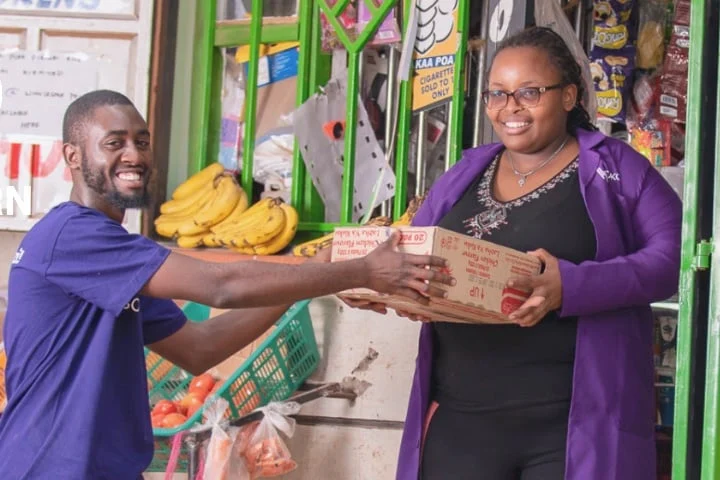
Foreign brands venturing into the diverse and rapidly evolving African consumer market rarely adopt a one-size-fits-all approach. Instead, a sophisticated layering of sales channels, meticulously integrated with robust local logistics, has become the de facto strategy for achieving sustainable market penetration and growth. This multi-pronged approach typically encompasses leveraging online marketplaces, forging strategic retail partnerships, and establishing direct-to-consumer sales channels, all underpinned by the indispensable expertise of local logistics providers. This nuanced strategy acknowledges the continent’s vast geographical expanse, varying levels of infrastructure development, and distinct consumer behaviors across different regions.
The Marketplace Advantage: Accelerated Entry and Broad Reach
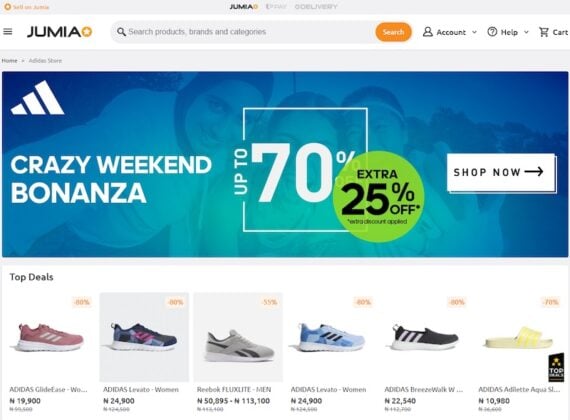
For international brands prioritizing rapid market access and seeking to overcome initial infrastructure hurdles, online marketplaces emerge as a primary gateway. Platforms such as Jumia and Konga, both headquartered in the bustling economic hub of Lagos, Nigeria, offer a compelling solution. These e-commerce giants function predominantly as third-party marketplaces, allowing numerous global brands to list and sell their products without the immediate need for establishing their own independent online storefronts and extensive distribution networks. While possessing a smaller first-party retail component, their strength lies in their ability to aggregate a wide array of sellers and products, attracting a significant and diverse customer base.
Prominent global players have successfully integrated their offerings onto these platforms. Adidas, a titan in sportswear, and electronics giant Samsung, along with beauty brands Garnier and Maybelline, are among the international names readily available on Jumia. Similarly, Konga showcases a strong lineup of global brands, including Samsung, LG, the rapidly growing Xiaomi, and skincare specialists CeraVe and La Roche-Posay. The presence of these established brands on African marketplaces signals a growing confidence in the viability and reach of these platforms. For instance, the sheer volume of transactions processed by Jumia, which operates across 11 African countries, and Konga, primarily focused on Nigeria, underscores their significance as pivotal channels for consumer goods. Data from Jumia’s recent financial reports indicate a substantial increase in gross merchandise value (GMV) and active customers, reflecting the growing e-commerce adoption across the continent. This marketplace-led entry strategy allows brands to quickly gauge consumer demand, test product appeal, and build initial brand awareness with a relatively lower upfront investment compared to building a direct retail presence from scratch.
Direct Selling: Cultivating Brand Control and Deeper Customer Relationships
While marketplaces offer expediency, some merchants aspire to a greater degree of control over their brand’s narrative, pricing strategies, fulfillment processes, and, crucially, their direct relationships with customers. This ambition leads them towards a direct selling model, where they manage their own e-commerce storefronts and oversee the entire customer journey. This approach is particularly prevalent in high-value and experience-driven categories such as beauty and wellness products, dietary supplements, and fashion apparel.
U.S.-based brands like Fenty Beauty, the cosmetics empire founded by Rihanna, exemplify this strategy by shipping directly to consumers in key African markets, including Nigeria, Kenya, and South Africa. To facilitate this, they meticulously tailor their online experiences to local contexts. This involves displaying prices in local currencies, clearly outlining applicable duties and taxes, and establishing country-specific e-commerce storefronts that resonate with the aesthetic and purchasing habits of the target audience. This localized approach is crucial for building trust and overcoming the complexities of cross-border e-commerce.
Another notable example is California-based iHerb, a leading online retailer of vitamins and supplements. iHerb has invested significantly in creating dedicated e-commerce storefronts for Nigeria, Kenya, and South Africa. To ensure reliable delivery, they have established strategic partnerships with global logistics heavyweights such as DHL Express and FedEx. In South Africa, iHerb has further enhanced its offering by implementing a delivery-duty-paid (DDP) shipping option. This means that at the point of checkout, customers are presented with the final price inclusive of all duties and import fees, simplifying the purchasing process and eliminating unexpected costs upon delivery. While the operational burden of direct selling is undeniably higher, involving the management of international shipping, customs clearance, and local last-mile delivery, the potential upside is substantial. Brands gain unparalleled control over the customer experience, ensuring brand consistency and fostering stronger loyalty, rather than being solely reliant on the infrastructure and policies of a third-party marketplace. The ability to gather direct customer feedback and data also empowers brands to refine their product offerings and marketing strategies more effectively.
The Indispensable Role of Local Distributors and Retail Partnerships
The vastness and uneven development of delivery and distribution infrastructure across Africa present a significant challenge for many businesses. With the notable exceptions of major metropolitan areas like Johannesburg and Lagos, a fragmented logistical landscape often hinders efficient product movement. For brands seeking widespread distribution without the immense undertaking of establishing and managing their own local warehouses, fulfillment centers, and inventory management systems, partnering with established local carriers and wholesale suppliers becomes a strategic imperative.
This approach is particularly critical in markets where offline commerce continues to hold a dominant position. Building extensive distribution networks from the ground up is an exceptionally costly and time-consuming endeavor. By collaborating with existing distribution infrastructure, foreign brands can significantly mitigate this burden, gaining access to established routes, customer bases, and logistical expertise. Fenty Beauty, for instance, has strategically expanded its reach by making its products available in a wide array of physical stores across numerous African countries, including Botswana, Ghana, Kenya, Namibia, Nigeria, South Africa, Zambia, and Zimbabwe. This offline presence complements their online efforts and caters to consumers who prefer or rely on brick-and-mortar shopping.
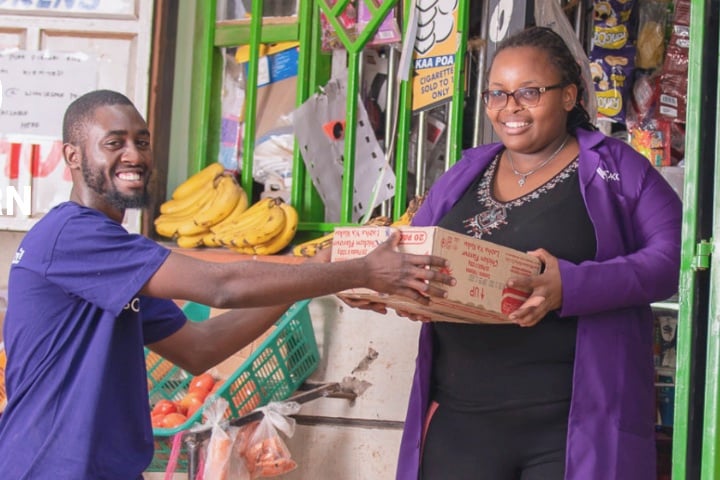
Further illustrating this trend is Wasoko, a B2B distributor based in Nairobi, Kenya. Wasoko plays a crucial role in supplying inventory to a vast network of retailers and informal commerce entities across Africa. This B2B model provides both domestic and international brands with invaluable access to traditional retail channels, extending their reach far beyond direct-to-consumer e-commerce. By serving as a conduit between brands and the numerous small businesses that form the backbone of African retail, Wasoko empowers these brands to tap into previously inaccessible market segments and reach a broader spectrum of consumers. The growth of such B2B platforms highlights a maturing e-commerce ecosystem that increasingly recognizes the symbiotic relationship between online and offline retail.
The Power of Overlapping Channels: A Synergistic Approach
In the dynamic African retail environment, the most successful foreign brands rarely adhere to a single sales channel. Instead, they adopt a synergistic approach where multiple channels overlap and complement each other within the same market. This multi-channel strategy allows brands to cater to a wider range of consumer preferences, purchase occasions, and logistical realities.
Brands frequently offer direct international shipping through their own e-commerce storefronts, simultaneously participating in online marketplaces, forging partnerships with local retailers, and engaging with B2B distributors. This integrated strategy provides a comprehensive market presence. Fenty Beauty, for example, simultaneously offers direct international shipping to Nigeria, Kenya, and South Africa, while also maintaining local retail sites in several African countries and a presence on the Konga marketplace. This multifaceted approach ensures that consumers can engage with the brand through their preferred channel, whether it’s the convenience of online shopping from abroad, the accessibility of local physical stores, or the curated selection of an online marketplace.
Similarly, U.S.-based ColourPop Cosmetics has adopted a dual strategy. They facilitate international sales directly from their e-commerce storefront, reaching customers across Africa. Concurrently, they leverage local B2B distributors to ensure their products are available in physical retail locations, thereby expanding their footprint in traditional commerce channels. This layered approach allows brands to capture a larger market share and build resilience by not being overly dependent on any single sales avenue.
Implications for the Future of African E-commerce
The prevalence of marketplaces as the initial entry point into many African markets is largely attributed to the ongoing development and limitations of carrier and distribution options across much of the continent. However, the analysis suggests that marketplaces alone are seldom sufficient for driving sustained, long-term growth. As demand solidifies and consumer purchasing patterns become more predictable, direct international selling and strategic local retail partnerships emerge as increasingly viable and attractive options. These channels offer the crucial advantage of greater control over pricing, fulfillment logistics, and the all-important customer relationship, ultimately leading to enhanced brand equity and profitability.
The continued evolution of digital infrastructure, coupled with strategic investments in logistics and supply chain management, will undoubtedly pave the way for even more sophisticated and integrated multi-channel strategies. As African economies continue to grow and urbanization accelerates, the demand for diverse and accessible retail options will only intensify. Brands that demonstrate agility, a deep understanding of local nuances, and a commitment to building robust, multi-faceted distribution networks are poised to achieve significant success in this vibrant and expanding market. The data suggests a trend towards greater sophistication, with brands moving beyond basic marketplace listings to embrace complex, integrated strategies that leverage the unique strengths of each channel to build lasting customer connections and drive sustainable business growth across Africa.