rifanmuazin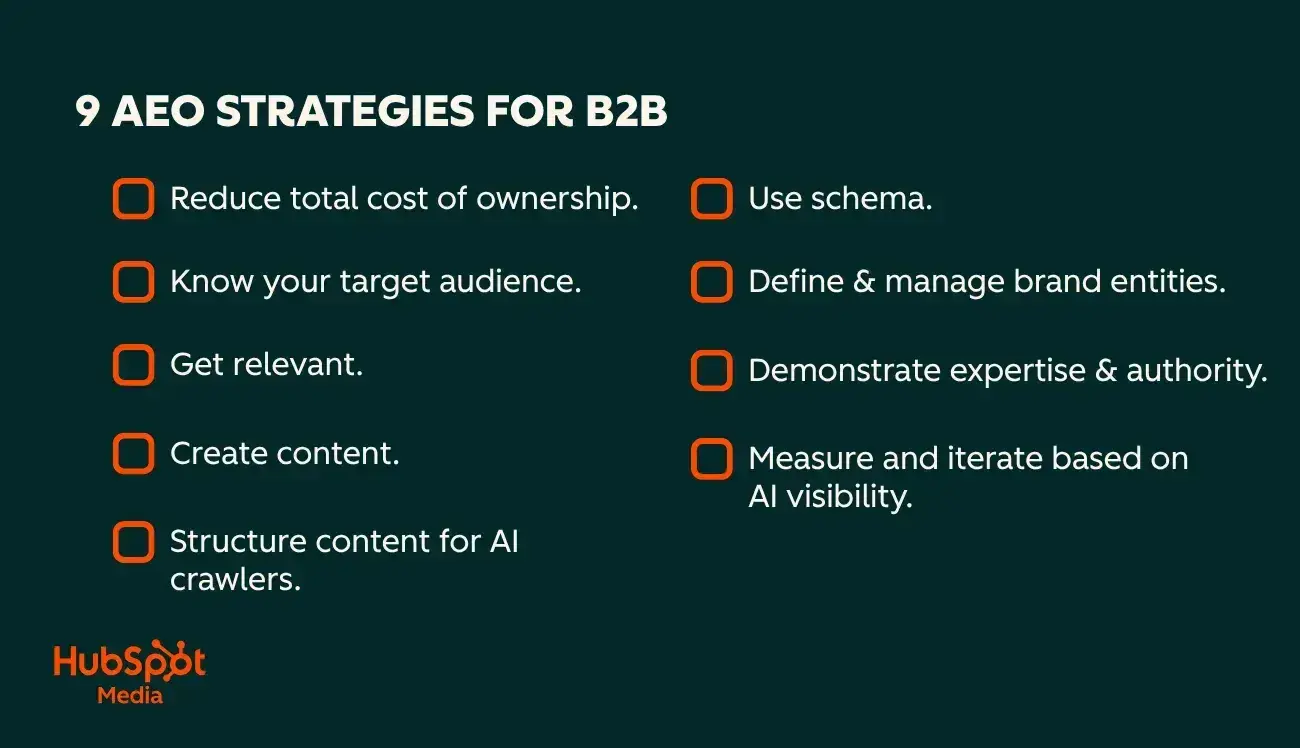
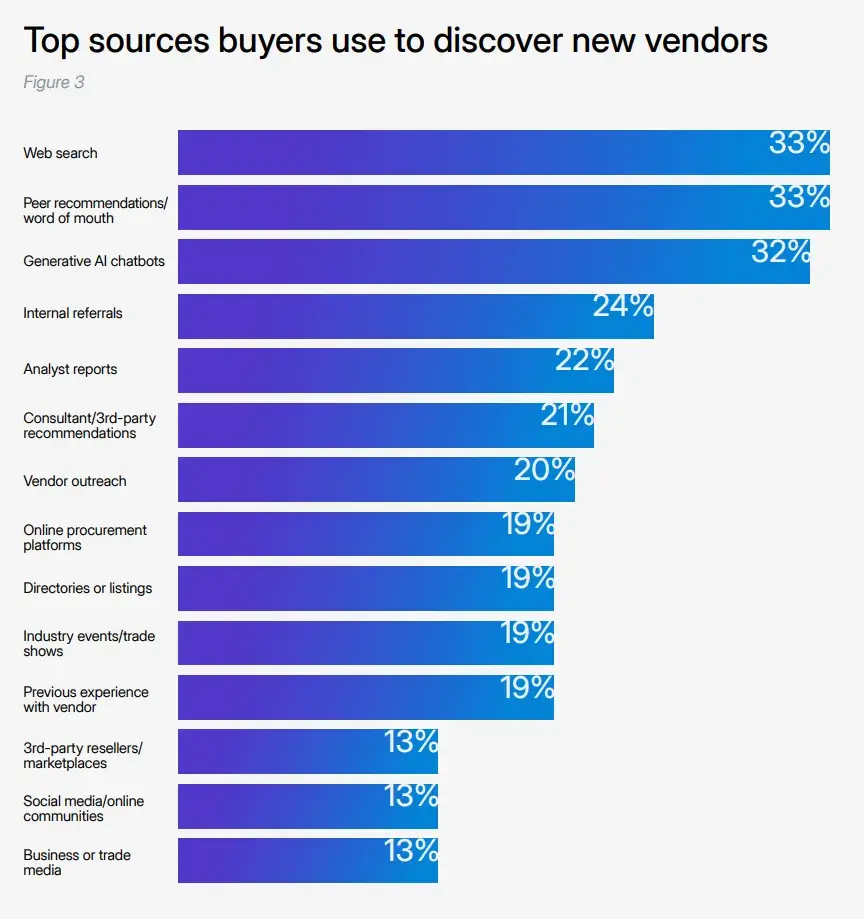
A significant shift is underway in the landscape of B2B vendor discovery, with recent research indicating that 32% of buyers now utilize generative AI chatbots to identify potential suppliers. This profound behavioral change underscores the critical need for B2B businesses to adopt a robust Answer Engine Optimization (AEO) strategy. As AI-powered answer engines increasingly facilitate the discovery, evaluation, and shortlisting phases of the B2B buying process, companies neglecting this emerging channel risk becoming invisible in the earliest—and most influential—stages of the customer journey. The same research highlights the competitive intensity, revealing that buyers typically initiate their search with an average of 7.6 potential vendors, subsequently narrowing this pool to just 3.5 before finalizing their decision.
The Evolution of B2B Buyer Behavior in the Age of AI
The rise of generative AI tools marks a pivotal moment in how B2B buyers conduct their due diligence. Historically, B2B research relied heavily on traditional search engines, industry reports, peer recommendations, and direct vendor interactions. However, the advent of sophisticated large language models (LLMs) and their integration into platforms like Google’s AI Overviews, ChatGPT, Perplexity, and Gemini has introduced a new paradigm. These AI systems can synthesize vast amounts of information, provide concise answers, and even generate vendor shortlists based on specific criteria, fundamentally altering the buyer’s initial engagement points.

This transition isn’t merely an incremental update to search; it represents a foundational change in information consumption. Buyers are seeking immediate, summarized insights rather than a list of links to sift through. For B2B organizations, this means their expertise, value propositions, and unique selling points must be structured and presented in a manner that AI can readily comprehend, extract, and confidently cite. Without such optimization, even market leaders with strong traditional SEO might find their narrative sidelined by competitors who have strategically positioned their content for AI consumption. Tools like HubSpot AEO have emerged to assist brands in navigating this complex environment, offering insights into AI visibility, competitive benchmarking, and actionable recommendations.
Defining Answer Engine Optimization for B2B Enterprises
AEO for B2B is the specialized practice of crafting and structuring digital content to ensure that AI-powered answer engines can accurately understand, summarize, and cite a brand’s expertise in response to B2B buyer inquiries. Unlike B2C transactions, B2B purchasing cycles are characterized by their inherent complexity, involving:
- Multiple Stakeholders: Diverse roles such as procurement, IT, department heads, and C-suite executives, each with unique pain points and decision criteria.
- Longer Sales Cycles: Decisions often span weeks or months due to higher investment, greater risk, and extensive vetting processes.
- Higher Value Transactions: Investments are typically substantial, necessitating thorough research and consensus.
- Complex Problem-Solving: B2B solutions address intricate business challenges, requiring detailed explanations and proof points.
A robust B2B AEO strategy is designed to ensure a brand’s expertise is consistently surfaced and tailored to meet the specific informational needs of every stakeholder throughout these extended decision processes. By strategically optimizing content, B2B brands can proactively influence AI-generated answers, thereby embedding their solutions into the earliest stages of the buyer’s consideration set.
Strategic Imperatives for B2B AEO Adoption
The necessity for B2B companies to prioritize an AEO strategy is underpinned by several compelling factors that extend beyond general digital visibility:
-
The Accelerating Shift from Search Engines to AI-Powered Answers:
As established, nearly a third of B2B buyers are already leveraging generative AI for vendor discovery. This trend is not merely a niche behavior but a burgeoning mainstream approach. Concurrently, traditional web search engines, notably Google, are integrating AI Overviews directly into their Search Engine Results Pages (SERPs). This means that even for users employing conventional search, AI-generated summaries often appear above paid advertisements and organic listings. For a B2B brand, securing a citation or mention within these AI Overviews can confer more significant top-of-funnel visibility and authority than a traditional top-ranking organic link. The implication is stark: a brand absent from these AI summaries could be missing out on a substantial portion of potential opportunities, effectively losing narrative control at a critical juncture. -
AI’s Role in Compressing Early-Stage B2B Decision-Making:
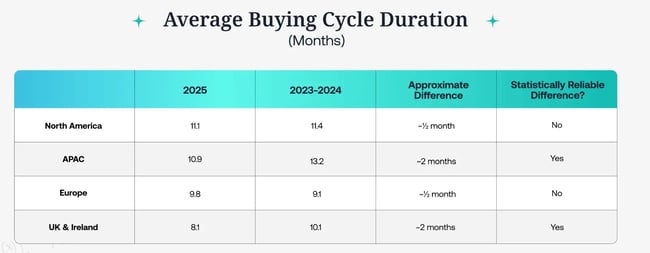
Generative AI significantly streamlines the buyer’s journey by enabling rapid vendor comparisons and decision validation with minimal direct interaction. Industry expert Constantine von Hoffman, in his analysis "AI tools are rewriting the B2B buying process in real time," highlights how AI compresses buying cycles even for large, committee-driven organizations. He notes that "stakeholders can rely on AI-generated shortlists built around specified criteria," shifting the onus to vendors to maintain explicit, searchable, and accessible content—especially pricing—on their websites. A compelling illustration comes from Chris Penn, Co-founder and Chief Data Scientist at TrustInsight.AI, who recounted using Gemini Deep Research to identify new SaaS providers after a price hike. Within minutes, the AI provided a suitable shortlist, leading to a swift vendor switch. This anecdotal evidence is corroborated by research from 6sense, which confirms a shortening of B2B buyer cycles across most global regions, in some cases by up to two months. This accelerated research phase means that the window for influencing buyer perception is narrower and earlier than ever before. Furthermore, empirical observations from marketing practitioners indicate significantly higher conversion rates from AI referral traffic compared to traditional SEO traffic (e.g., 7.12% vs. 1.37% for one B2B catering company). This suggests that AI-referred buyers are often more qualified and further down the purchase funnel, having already received pre-digested, relevant information.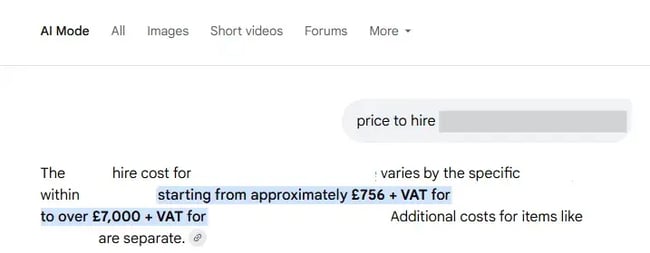
-
AI Answers as the New Arbiters of Trust and Authority:
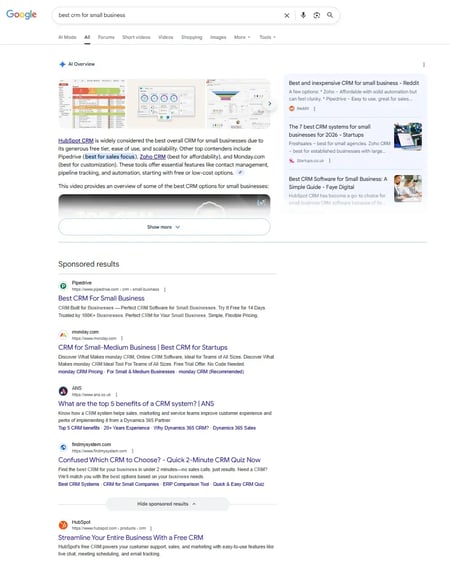
In the AI-driven landscape, the perception of trust, authority, and category leadership is shaped very early, often before a buyer ever visits a brand’s website. AI search systems prioritize content that is not only relevant but also clear, structured, and authoritative. They frequently deliver "zero-click" answers, where buyers consume the core information directly from the AI summary. In this context, a brand’s citation or explicit mention within an AI-generated answer carries immense weight, often surpassing the influence of merely ranking first on a traditional SERP. For instance, a search for "best CRM for small business" might yield an AI Overview explicitly stating, "HubSpot CRM is widely considered the best overall CRM for small business…" This immediate, authoritative declaration forms a powerful initial impression, guiding buying committees toward specific vendors before they delve into individual websites. Without a proactive AEO strategy, brands with otherwise strong SEO foundations risk losing control over their narrative to competitors who effectively leverage structured content, schema, and explicit expertise signals within AI Overviews. -
The Inherent Risk of AI Generating Inaccurate Information:
Generative AI systems are designed to provide answers, and they do so with unwavering confidence, even when authoritative, up-to-date content is unavailable. In such scenarios, answer engines will synthesize responses using any signals they can find, ranging from forum discussions, outdated blog posts, and Reddit threads to anecdotal experiences. The critical danger for B2B brands is that AI systems may produce inaccurate, incomplete, or biased information, presenting it with the same conviction as verified facts. A common and concerning example involves pricing information. Instances have been documented where AI-generated answers cited a client’s pricing pulled from a Reddit thread, with the quoted price being significantly incorrect (e.g., 195% lower than the actual cost). This can lead to a deluge of unqualified traffic and inquiries from prospects with misaligned budget expectations. The AI, in its current state, often fails to distinguish between an anecdote and an official source, merely filling an informational gap without commenting on source reliability. This underscores a crucial point: if a B2B brand does not control its source material, it effectively surrenders control over the AI-generated answer, risking misinformation, competitor narratives, or isolated complaints defining its brand in early-stage buyer research. An effective AEO strategy ensures that accurate, structured, and authoritative content is readily available for AI systems to reference, mitigating these significant risks.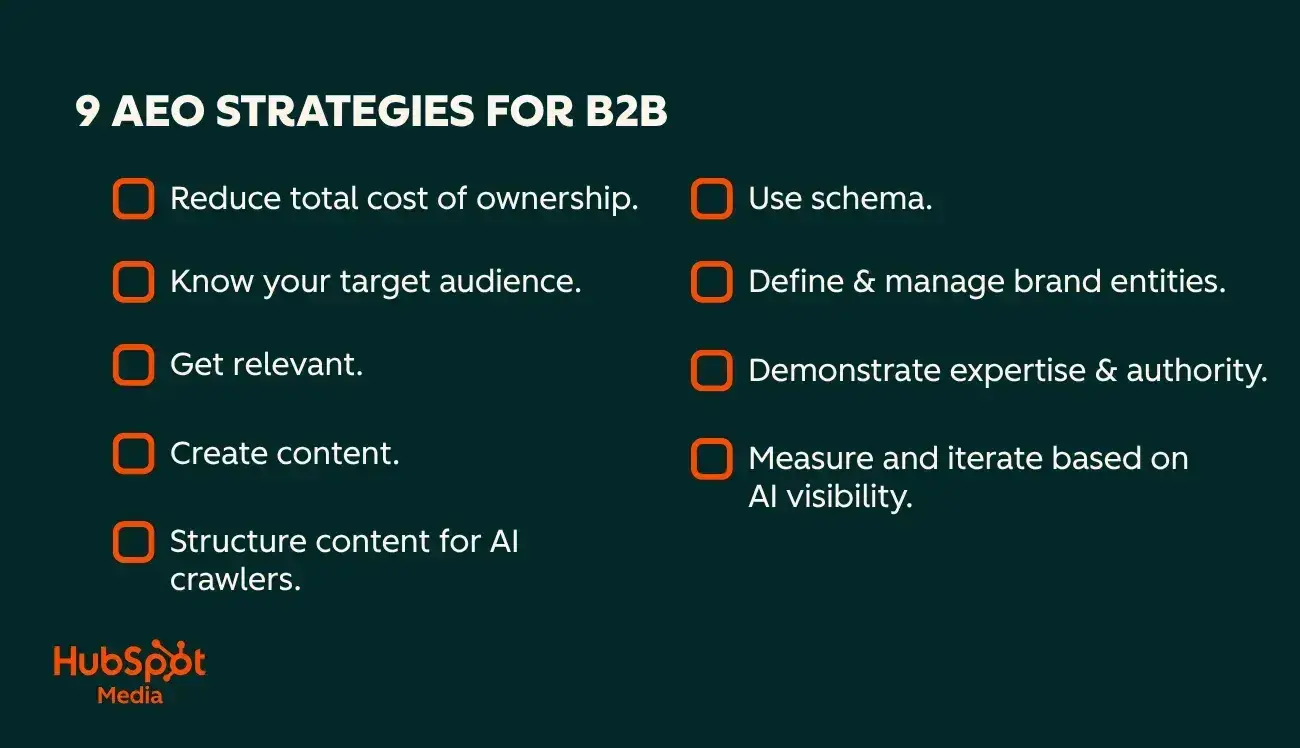
Nine Foundational AEO Strategies for B2B Success
An effective AEO strategy demands a deliberate and multifaceted approach to understanding buyer intent, structuring information for optimal AI consumption, and ensuring a B2B brand’s expertise is consistently accessible across all generative search experiences.
-
Adhere to Comprehensive SEO Best Practices:
The bedrock of AEO success remains robust SEO. Search engines and AI answer systems both rely on well-structured, relevant, and authoritative content to understand and surface information. Experienced SEO specialists will find many AEO tactics familiar, as the fundamentals of organic search optimization—such as technical SEO (crawlability, site speed), keyword research, high-quality content, internal linking, mobile optimization, and user experience—continue to be crucial. These practices ensure that content is not only discoverable by traditional crawlers but also interpretable by AI models. Resources like HubSpot’s SEO Tools and comprehensive guides like "Learning SEO" by Aleya Solis provide invaluable foundations. -
Cultivate a Deep Understanding of Your Target Audience:
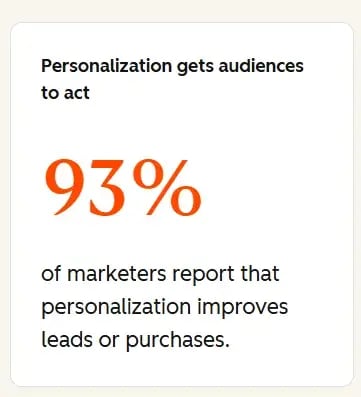
A foundational element of any B2B AEO strategy is a profound understanding of the target audience. In B2B, this necessitates extensive market research and audience analysis to anticipate the nuanced questions, diverse priorities, and specific information needs of the multiple stakeholders involved in a purchase decision. Knowing the audience dictates content structure, topic prioritization for answer engine visibility, and how messaging is tailored to specific problems and criteria. Research from HubSpot’s 2026 State of Marketing report indicates that 93% of marketers believe personalization significantly improves leads and purchases, a feat impossible without a clear picture of the audience. B2B marketers must meticulously map buyer journeys, define ideal client profiles (ICPs), and identify the unique requirements of each individual within complex buying committees. Methodologies like MEDDPICC can aid in structuring this intricate process.
-
Prioritize and Optimize for Hyper-Relevance:
In AEO, relevance is paramount. It means aligning content directly with the real-world problems and solutions that buyers seek, encompassing every use case and decision criterion across different roles and stages of the buying journey. Relevance has always been a core signal in B2B search marketing, but in AEO, its impact is amplified, allowing even smaller brands to achieve top-of-SERP visibility without necessarily outranking giants in traditional SEO. For example, a search for "digital marketing agencies for manufacturing companies" might prominently feature agencies like Bird Marketing, KOMarketing, or Weidert Group in an AI Overview, even if they don’t appear on the first few pages of traditional organic search results. This is because their content is hyper-targeted and deeply relevant to the specific niche query. Earning the attention of every decision-maker requires creating content that addresses each stakeholder’s unique problems and interests directly. -
Implement a Comprehensive Content Creation Strategy:
Content creation is non-negotiable for AEO. If authoritative, relevant content does not exist on a brand’s website, AI systems will inevitably draw from other, potentially unreliable, sources. This loss of narrative control can allow competitors or even misinformation to shape the buyer’s early perceptions. A robust content plan must systematically address buyer questions, cover all stages of the sales funnel, detail specific use cases, clearly articulate differentiation, and ensure factual accuracy. Tools like HubSpot’s Content Hub, with its AI writer and built-in SEO suggestions, can help B2B marketing teams create and manage scalable, AI-ready content that maintains consistency and leverages structured schema.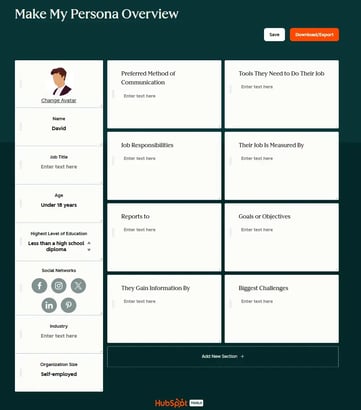
-
Structure Content for AI-First Consumption:
While content must remain engaging for human readers, a crucial AEO strategy involves organizing information for easy parsing, extraction, and summarization by AI systems. This means prioritizing clarity, logical hierarchy, and explicit answers over purely narrative flow. AI-ready content leverages predictable, machine-readable formats such as clear headings (H1, H2, H3), concise definitions, bulleted lists, numbered steps, comparison tables, and succinct summaries. These structures enable AI models to quickly identify the core topic, the questions answered, and the verifiable facts that can be confidently reused in generative responses. This approach often involves a deliberate effort to convert dense paragraphs into more digestible, structured elements. -
Leverage Schema Markup Extensively:
Schema.org markup is a standardized vocabulary for structured data that, when added to a webpage’s HTML, provides explicit context to search engines and AI systems about the content. This context can refer to anything from FAQs, product details, and service offerings to organizational information and author attribution. In the context of AEO, schema is vital because it makes it significantly easier for AI-driven systems to accurately extract, summarize, and surface reliable information in rich results, AI Overviews, and direct generative answers. Studies, such as those by Molly Nogami and Ben Tannenbaum published in Search Engine Land, have demonstrated that pages with well-implemented schema consistently achieve higher visibility in AI Overviews compared to those with weak or absent schema. Correct and comprehensive schema implementation signals to AI systems precisely what a brand’s content represents, reducing ambiguity and increasing citation likelihood.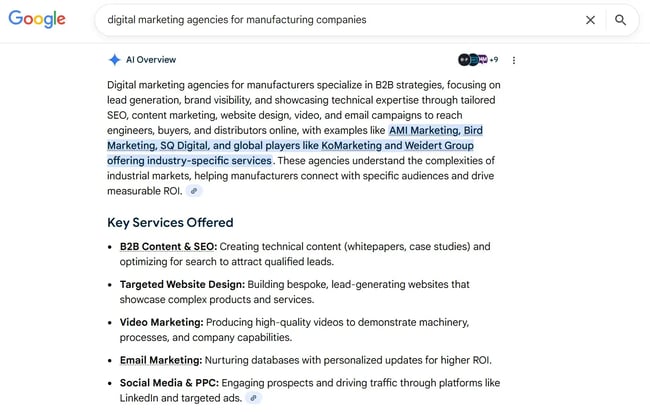
-
Strategically Define and Manage B2B Brand Entities:
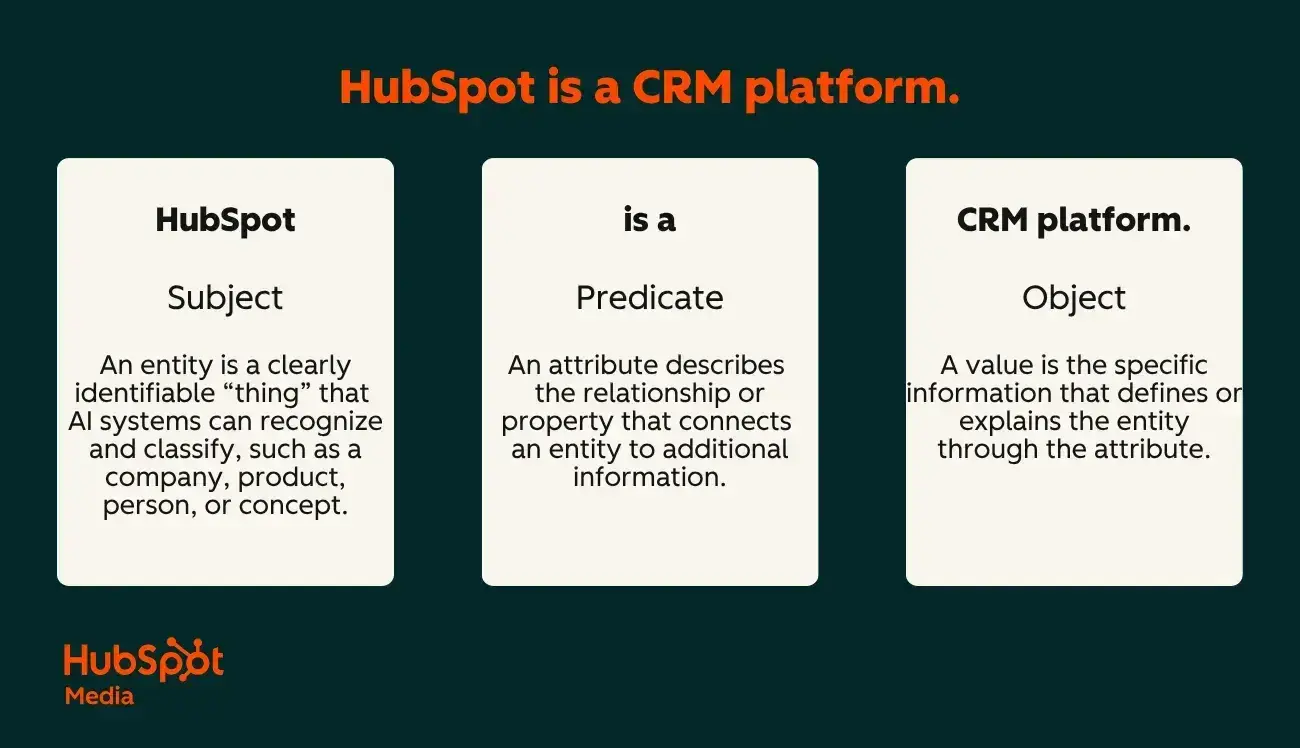
In AEO, "entities" refer to the distinct concepts, products, services, people, and organizations associated with a brand. Managing these entities involves clearly defining who a brand is, what it does, and how its key offerings and personnel relate to one another across its entire digital footprint. AI systems build their understanding and assess authority by recognizing and connecting these entities. When entities are consistently named, described, and interlinked (e.g., through semantic triples like Subject-Predicate-Object, such as "HubSpot is a CRM" or "CRM helps businesses manage customers"), answer engines can more confidently surface and cite the brand. This clarity helps AI understand not just keywords but also the underlying meaning, the expert behind the information, and the relationships between concepts, ultimately improving the accuracy and frequency of brand mentions in generative search results. Schema graphs are instrumental in this entity definition process. -
Explicitly Demonstrate Expertise, Experience, Authoritativeness, and Trustworthiness (E-E-A-T):
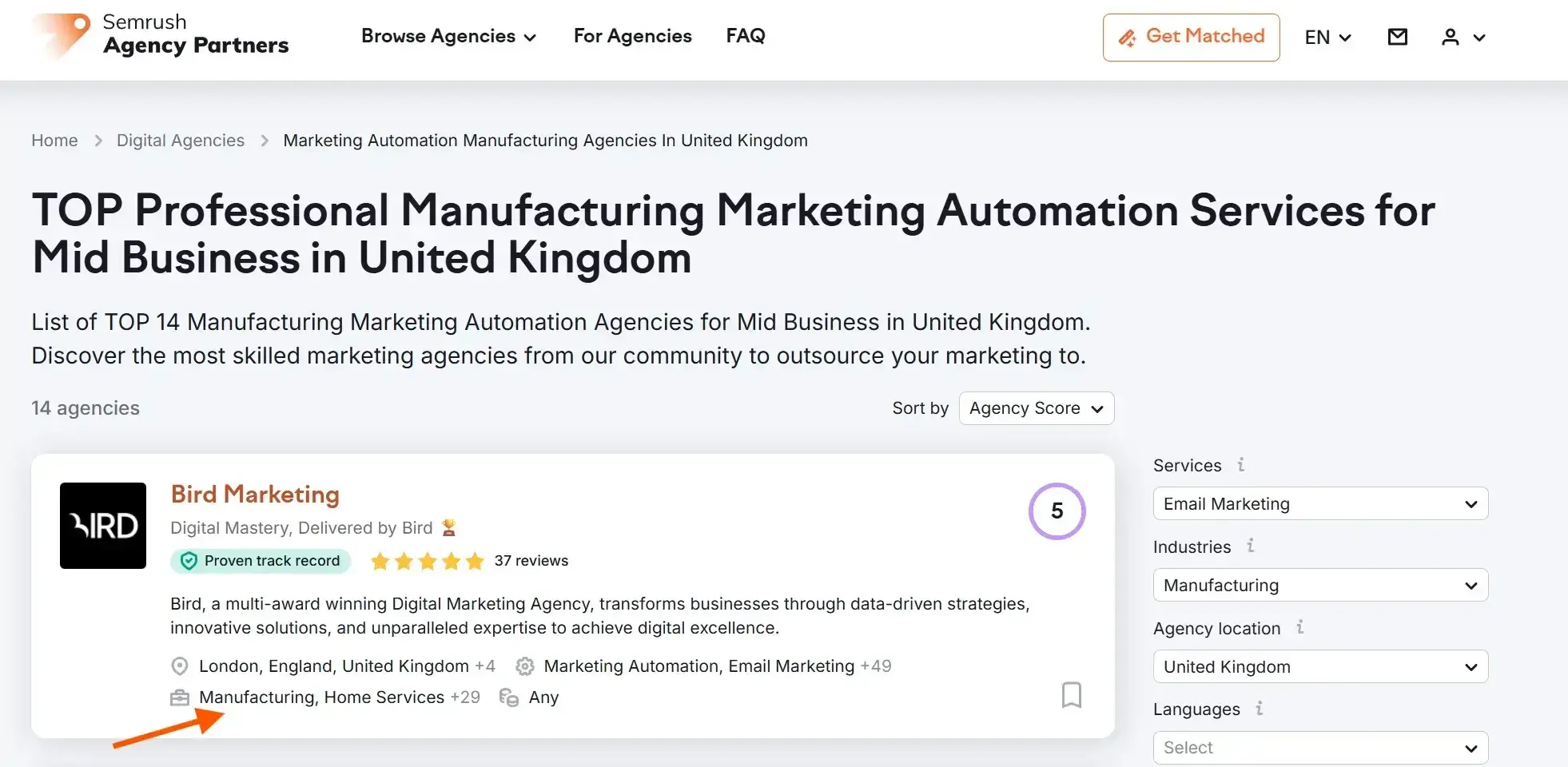
Unlike humans who can infer credibility, AI systems rely on clear, machine-readable signals to assess expertise and authority. Therefore, B2B brands must be deliberate in explicitly stating their knowledge, experience, qualifications, and reasons for authority on a given topic. This involves using consistent language, structured explanations, author bios, certifications, case studies, and testimonials across all content, rather than relying on implied authority or marketing claims. When a brand’s content and its broader digital presence consistently and explicitly define its E-E-A-T, it significantly reduces ambiguity and increases the likelihood that AI systems will treat the brand as a reliable, authoritative source. For instance, if Bird Marketing consistently tags its expertise as "manufacturing" across its website, social media, and third-party agency directories like Semrush’s partner list, this consistent messaging reinforces its authority to AI models, contributing to its feature in AI Overviews for relevant queries.
-
Implement a Continuous Cycle of Measurement and Iteration Based on AI Visibility:
Perhaps the most critical component of a future-proof B2B AEO strategy is establishing a dedicated framework for measurement and continuous iteration. AEO necessitates a new set of tracking and measurement goals focused specifically on AI visibility, citations, and influence, moving beyond traditional SEO metrics like organic clicks or rankings alone. By establishing specific AEO metrics, B2B teams can objectively assess the strategy’s performance, identify gaps, refine content, and adapt with confidence. This iterative process is essential in an evolving AI landscape.
Measuring the Success of a B2B AEO Strategy
While AEO shares some tactical overlaps with SEO, its measurement requires expanding beyond traditional SEO metrics to capture the unique impact of AI-driven visibility.
-
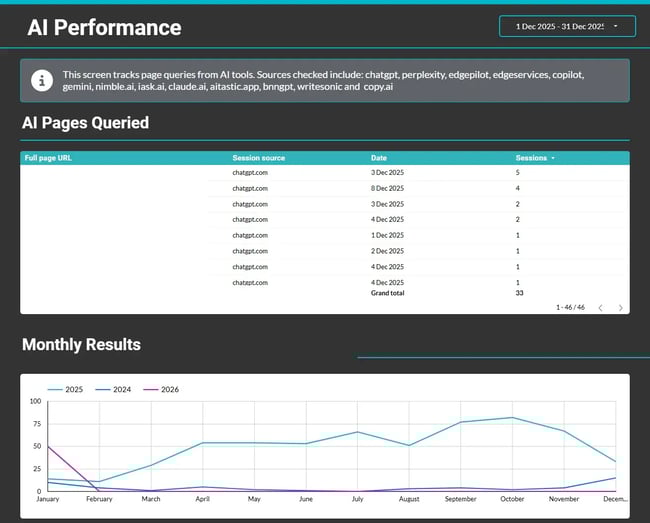
AI Referral Traffic: Although AI experiences can reduce direct clicks by providing "zero-click" answers, qualified clicks from AI referrals remain a vital baseline indicator of discovery and relevance. B2B marketing teams must identify and track traffic originating from AI chatbots and AI Overviews in analytics. This is a tangible, quantitative metric that can be directly linked to business impact. Observed increases (e.g., 76% month-over-month and 227% quarter-over-quarter) demonstrate the real-world impact of AEO efforts. Analyzing the landing pages for this traffic is crucial for understanding which content truly resonates with AI-referred buyers.
-
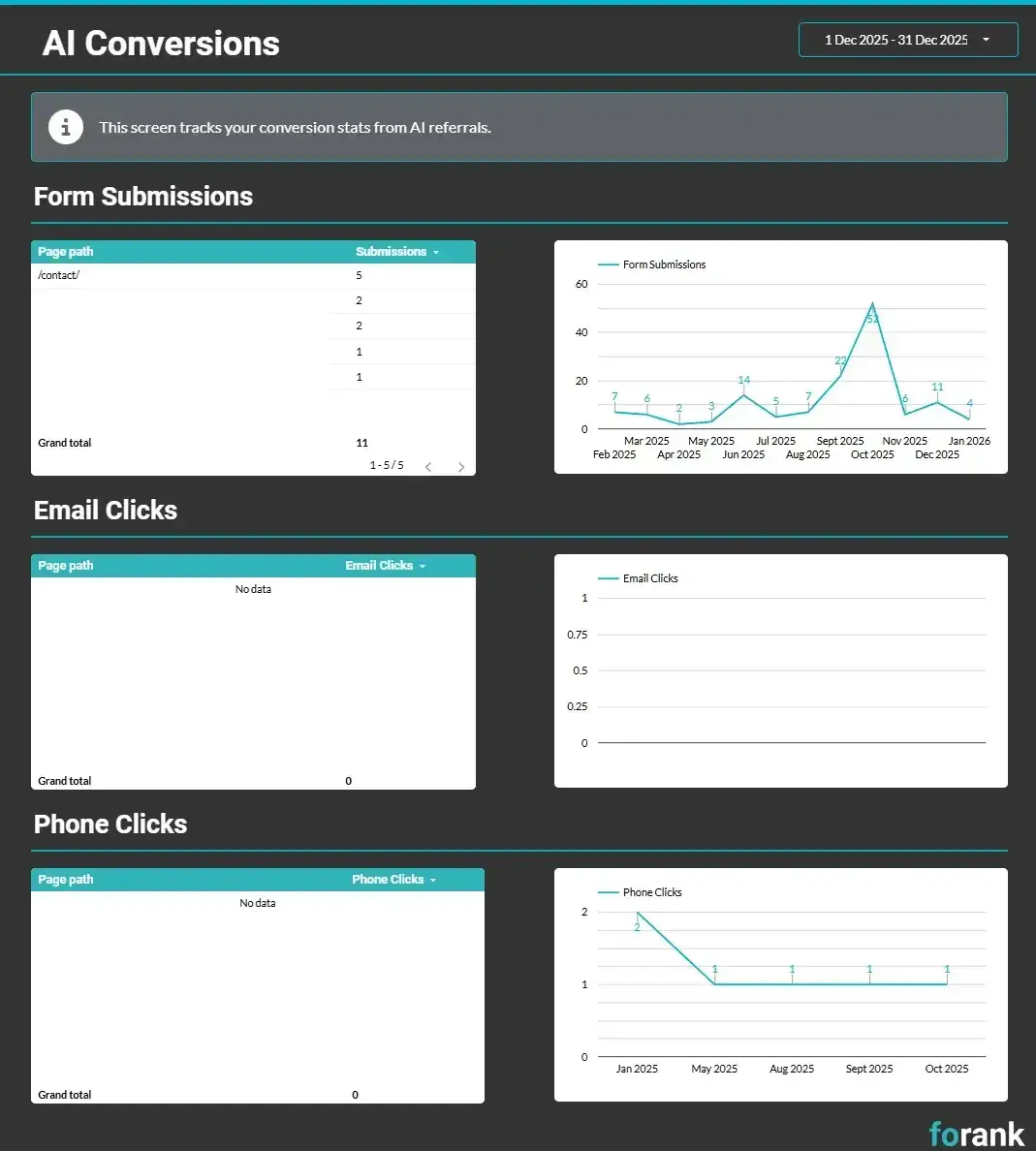
Conversions from AI-Influenced Journeys: Tracking conversions is essential to determine whether AI-influenced visibility translates into actionable outcomes. B2B marketing teams should monitor form fills, demo requests, content downloads, and other lead generation activities associated with AEO-optimized pages. Given the multi-touch nature of B2B sales, assisted conversions (where AI played a role at any point in the buyer’s journey) are particularly important, as AEO often influences early-stage consideration rather than just the final click.
-
Revenue Attribution: Ultimately, AEO success must be connected to business revenue. This involves attributing pipeline generation and closed-won deals back to the specific pages and topics that facilitated AI discovery, especially content related to comparisons, solutions, and pricing. Over time, strong AEO performance should correlate with a higher volume of quality inbound leads and potentially shorter sales cycles due to better-informed prospects.
-
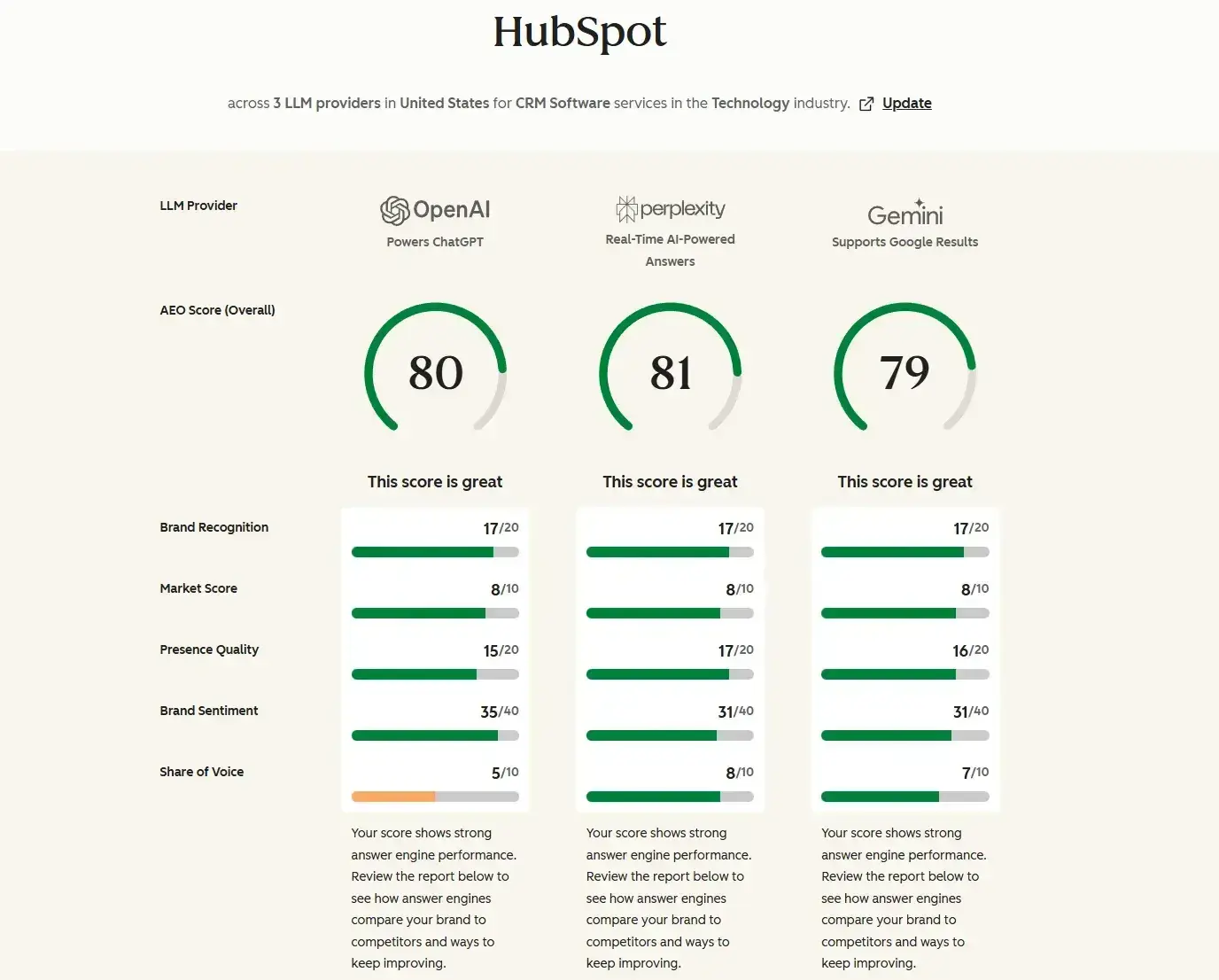
Brand Sentiment in AI Responses: This metric assesses how a brand is portrayed in AI-generated answers. Teams should regularly review AI summaries and citations for tone, accuracy, and positioning. A positive, consistent representation indicates that answer engines are drawing from authoritative, well-structured content controlled by the brand. Tools like HubSpot AEO’s Sentiment Analysis feature can proactively measure positive or negative brand descriptions in AI responses, providing early warnings for perception issues.
-
AI Visibility and Share of Voice: Visibility measures how often—and where—a brand appears in AI-generated answers, summaries, and recommendations across various platforms (e.g., Google AI Overviews, ChatGPT, Perplexity, Gemini). This includes tracking direct citations and mentions within LLM responses. Monitoring visibility helps B2B marketing teams understand their competitive share of voice in the generative search landscape. Solutions like HubSpot AEO’s Brand Visibility Dashboard and Competitor Analysis, built on technology from XFunnel, provide a unified view of brand performance, highlighting gaps and competitive presence.
Building a Future-Proof AEO Strategy for B2B
Answer Engine Optimization is no longer a peripheral consideration but an indispensable component of B2B digital marketing. As buyers increasingly rely on generative AI to research, compare, and shortlist vendors, the ability to shape these AI-driven narratives will determine competitive advantage. HubSpot AEO offers B2B teams the essential tools to gain visibility into their brand’s performance across major answer engines, benchmark against competitors, and develop clear action plans for continuous improvement.
Coupled with content creation and management platforms like HubSpot’s Content Hub and AI-powered assistants such as Breeze Copilot, B2B teams can efficiently operationalize AEO at scale. These tools facilitate the creation, structuring, and assessment of content that AI systems can genuinely understand and confidently surface. As answer engines continue their rapid evolution, B2B brands that proactively invest in creating clear, relevant, authoritative, and structured content will be the ones that effectively shape buyer decisions and secure their position in the digital future.