Ali Ikhwan
The intricate dynamics of the digital mail ecosystem mean that even the most meticulously crafted and permission-based email campaigns can be swept into the maelstrom of high-volume sending events. These periods, characterized by an extraordinary surge in email traffic, push the infrastructure of Mailbox Providers (MBPs) to their limits, triggering a cascade of defensive measures that impact senders across the board. While events like Black Friday and Cyber Monday are well-understood seasonal challenges for email marketers, the less anticipated, yet equally potent, influence of political election cycles often catches commercial senders off guard. This phenomenon, where the clamor of political messaging inadvertently throttles commercial outreach, presents a unique and significant challenge to maintaining optimal inbox deliverability and, by extension, revenue generation.
Understanding the Pressure Points in the Email Ecosystem
Mailbox providers such as Microsoft, Apple, Gmail, and Yahoo (collectively referred to as MAGY, which account for approximately 90% of a typical US B2C email program) are constantly balancing user experience with the immense volume of incoming mail. During peak times, this balance becomes particularly precarious. When email traffic escalates rapidly, MBPs quickly approach their capacity limits. Their primary response mechanisms include increasing throttling (slowing down the rate at which emails are accepted), deferrals (temporarily refusing emails with the expectation that the sender will retry later), and more aggressively routing mail to spam folders or, in severe cases, rejecting it outright. This triage system prioritizes high-quality senders, those with established positive engagement metrics and strong sender reputations, while lower-quality senders face significant delivery delays, reduced inbox placement, or complete rejection.
The period spanning Black Friday through Cyber Monday serves as a prime example of such a high-volume commercial sending period. Retailers and e-commerce brands inundate inboxes with promotional offers, sales, and marketing messages, leading to a predictable strain on MBP systems. However, a less predictable, yet equally impactful, pressure point emerges during election cycles. In the United States, political campaigns—from individual candidates and party leaders to Political Action Committees (PACs)—heavily rely on email as a critical channel for fundraising, voter mobilization, and disseminating political messages. As election day draws near, it is not uncommon for these entities to send four or more messages per day from a single program, creating an immense wave of political email that can overwhelm inboxes and significantly contribute to overall email channel "noise."
This surge in political email activity raises a critical question for commercial senders, especially as midterm elections approach in November: will the increased volume and often aggressive nature of political mail make their job harder, and will subscribers already be suffering from "email fatigue" by the time crucial commercial periods like Black Friday arrive? To shed light on this, an in-depth analysis of deliverability data from the Validity Intelligence Network, focusing on the 2024 election cycle, provides crucial insights into the impact on the broader email ecosystem.
The 2024 Election: A Case Study in Deliverability Disruption
Validity’s comprehensive analysis of deliverability data for US senders leading up to the 2024 presidential election revealed a clear and concerning trend across all four major mailbox providers (MAGY). The findings underscored that the impact of political email surges is not confined to political mailers alone; it affects all legitimate, permission-based email marketing activity.
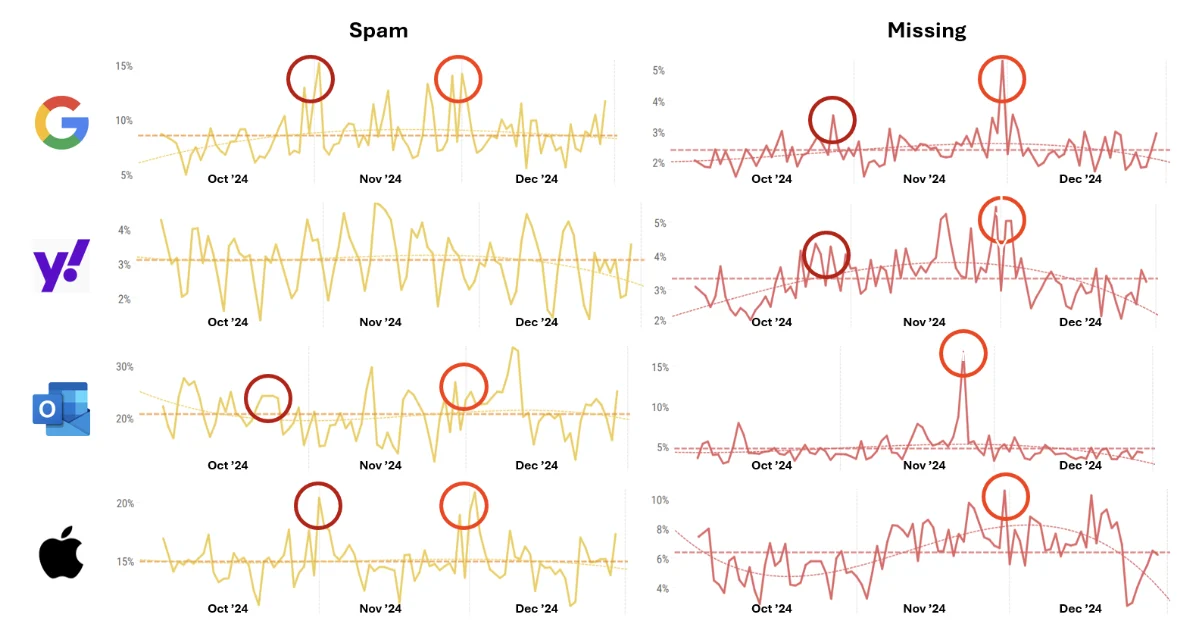
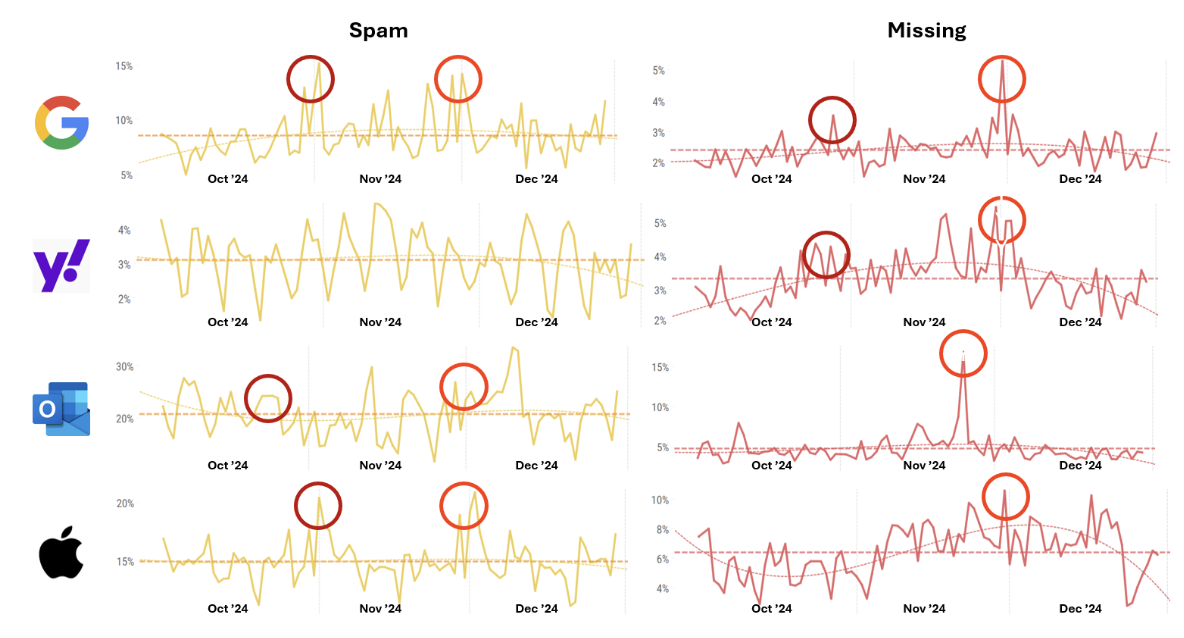
During the week immediately preceding election day in 2024, average inbox placement rates across MAGY providers collectively dropped by more than 5%. This significant decline was mirrored by a sharp increase in non-delivery events, specifically emails routed to junk folders (Spam) and emails rejected outright (Missing).
To quantify this impact, the data below illustrates how election week compared to the Q4 2024 quarterly benchmark, and critically, how it stacked up against the pressure observed during Black Friday and Cyber Monday, which occurred just four weeks later.
| Weighted Avg. | Q4 ’24 Benchmark | Election Week | Black Friday | Cyber Monday |
|---|---|---|---|---|
| Spam | 9.2 percent | 13.6 percent | 13.1 percent | 13.1 percent |
| Missing | 3.1 percent | 4.1 percent | 5.5 percent | 4.3 percent |
| Combined | 12.3 percent | 17.6 percent | 18.5 percent | 17.4 percent |
The combined non-delivery rate during election week soared to 17.6%, representing a 1.5-fold increase compared to the quarterly benchmark of 12.3%. This level of disruption was almost identical to the intense pressure experienced during Black Friday (18.5% combined non-delivery) and Cyber Monday (17.4% combined non-delivery).
Considering average US email sending volumes, estimated at roughly 10 billion emails per day, this translate to a staggering nearly half a billion additional emails failing to reach the inbox every single day during election week. At an average estimated value of $0.11 per email (based on Klaviyo benchmarks, reflecting direct revenue, brand touchpoints, and potential customer lifetime value), this deliverability shortfall equates to approximately $50 million per day in lost potential revenue for commercial senders. This substantial financial impact occurred not because commercial email marketers deviated from best practices, but due to the overwhelming engagement pressure exerted on the email channel by the election cycle.
Mechanisms of Disruption: Why MBPs React
The underlying reason for this widespread deliverability disruption lies in how major MBPs, particularly Gmail, operate. These providers are highly responsive to subscriber engagement signals. Positive interactions, such as clicks, forwards, and replies, are strong indicators of high-quality email programs whose subscribers genuinely desire to receive messages. Conversely, negative signals, including spam complaints and "deleted-unread" actions, are strong deterrents that push mail towards the spam folder or even lead to outright rejection.
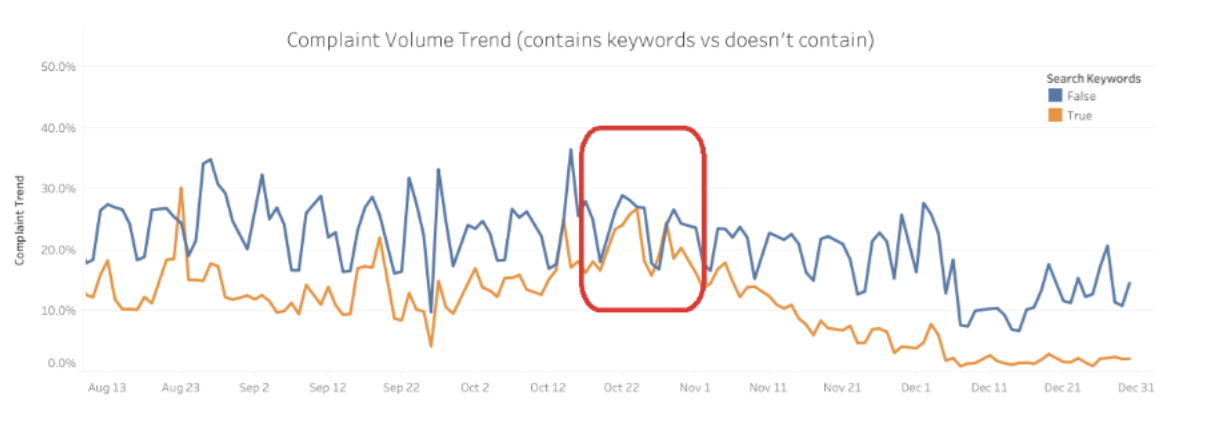
An analysis of complaint data from the Validity Intelligence Network, segmenting emails using common political terms (e.g., "election," "vote," "donate," "president") to differentiate political from non-political senders, revealed a critical trend. Both groups experienced above-average complaint rates in the pre-election period. However, what stands out is that the peaks in complaint rates observed in the pre-election window were higher than those recorded during Black Friday/Cyber Monday four weeks later.
This data leads to a clear inference: political campaigns do not just generate complaints for themselves; they significantly contribute to increased negative sentiment across the entire email channel. Political mailers are often criticized for their aggressive sending practices, including extremely high frequency, often urgent or emotionally charged language, and minimal targeting. The resulting surge in spam complaints is a direct consequence of these tactics.
Interestingly, the data showed nuance within political campaigns themselves: donation-focused emails generated spam complaints at one-third the rate of content and news emails from the same political senders. This suggests that the fundamental fundraising mechanics were not the primary problem, but rather the framing, presentation, and sheer volume of political content emails that inundated inboxes, leading to subscriber fatigue and increased negative engagement.
Commercial Senders’ Response in 2024: A Strategic Retreat
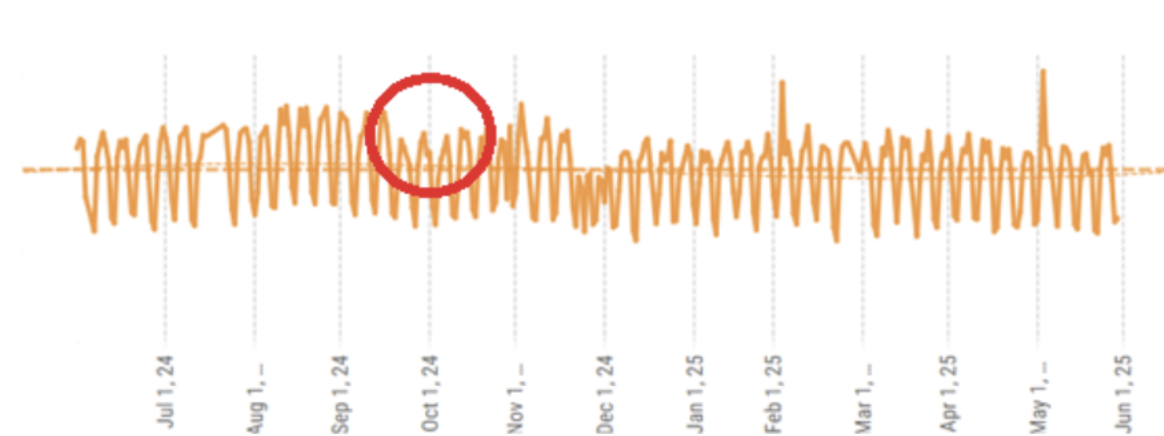
Observing the average daily campaign volumes from Validity customers during the pre-election period of 2024, a striking trend emerged: average daily campaigns dropped by 5-10% in the four weeks leading up to election day. Many commercial senders strategically scaled back their email efforts, only ramping back up after the election dust had settled. This proactive, albeit revenue-sacrificing, measure by commercial brands indicates a recognition of the difficult deliverability landscape during election season.
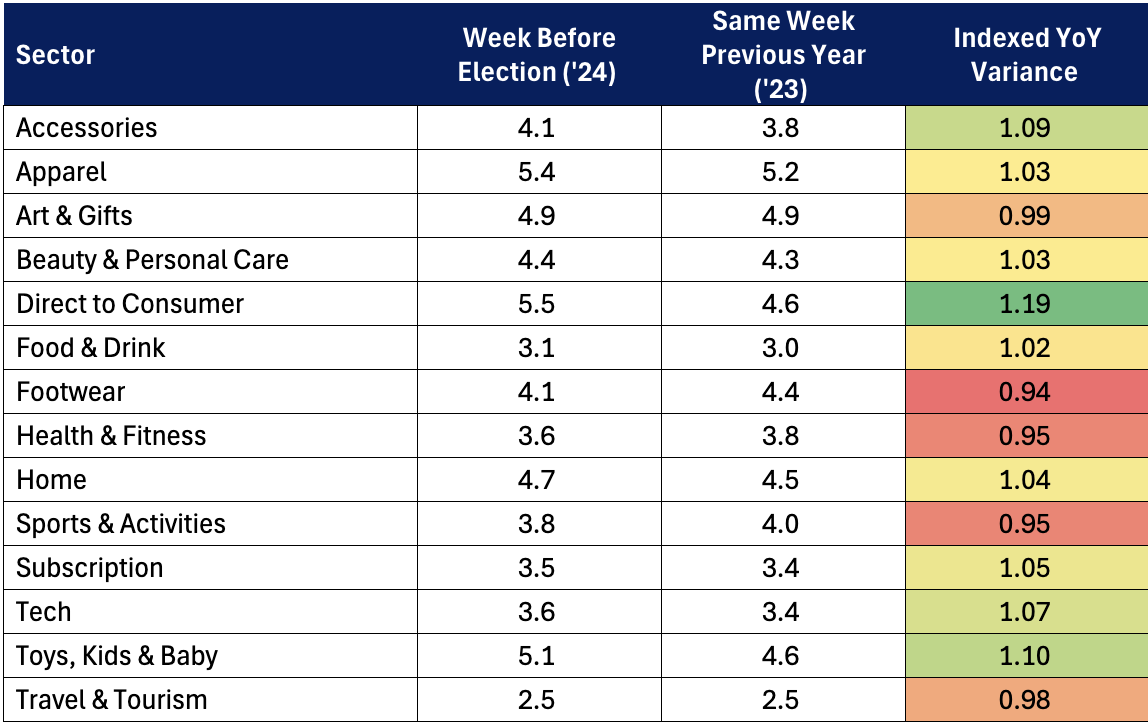
However, this response was not uniform across all industries. By comparing sending frequency in the week immediately before the 2024 election with the same week in 2023 (a non-election year), distinct sectoral behaviors were identified:
- Increased Activity: Direct-to-Consumer (D2C) brands, Toys/Kids/Baby, and Accessories sectors all increased their email activity during election week. This might indicate that these industries either perceived an opportunity, had less sensitivity to the political noise, or simply maintained their planned cadence irrespective of the broader environment.
- Reduced Activity: Sectors such as Footwear, Health & Fitness, and Sports & Activities demonstrably pulled back their email sending volumes. For these industries, the 2026 midterms may represent a strategic opportunity to re-evaluate their approach, potentially doing more if conditions suggest a less disruptive environment or if they can better navigate the pressure points.
This varied response highlights the complex decision-making process for email marketers during election cycles. The choice to scale back or push through is often a calculated risk, weighing potential deliverability challenges against missed opportunities for engagement and sales.
Will 2026 Look Different? Emerging Trends and Future Outlook
As commercial senders prepare for the 2026 midterm elections, several key developments since 2024 warrant close observation, as they could fundamentally alter the email landscape:
-
Declining Overall Inbox Placement Rates: The general health of email deliverability has seen a decline. After reaching a high-water mark of 87.2% in the previous year, global Inbox Placement Rates (IPRs) trended downward, settling at 84.5% for Q2 2026. This softer starting point means that the email ecosystem is entering the upcoming election cycle already under more strain, potentially exacerbating the impact of political mail surges. Commercial senders will face an uphill battle if their foundational IPRs are already compromised.
-
Significantly Tightened Bulk Sender Requirements: In a potentially beneficial development for commercial senders, MBPs have significantly tightened their bulk sender requirements. These new mandates, which came into full effect in early 2024, demand higher standards for authentication (e.g., DMARC, SPF, DKIM), lower spam complaint rates, and easy one-click unsubscribe options. Non-compliant senders are now increasingly seeing their emails blocked outright or aggressively filtered to spam folders. Political mailers, notorious for generating high complaint rates and often less diligent with best practices, are likely to bear the brunt of these stricter requirements. A much larger share of their potentially disruptive volume may be suppressed before it can negatively affect overall inbox sentiment for legitimate commercial senders. This could lead to a cleaner inbox environment for everyone else, even amid high political sending.
-
The Rise of AI-Powered Inbox Features: The past 18 months have witnessed a wave of AI-powered inbox features rolled out by major MBPs. Tools like Gmail’s relevance-sorted Promotions tab, Gemini for Gmail, and Microsoft Copilot are actively nudging subscribers towards more conversational, high-engagement inbox experiences. These AI-driven features prioritize content that is deemed most relevant and engaging to the individual user. Low-engagement senders, regardless of their content, become less visible in this new paradigm. If political mailers fail to generate strong engagement signals—which is often the case given the volume and perceived intrusiveness—they will likely be filtered and de-prioritized by AI algorithms before reaching inboxes at scale. This reduced visibility for political content could translate to less pressure on the email channel as a whole, offering a degree of relief to commercial marketers.
These evolving factors suggest that while election periods will undoubtedly remain a deliverability challenge, the nature of that challenge, and the tools available to MBPs to manage it, are changing.
Strategic Considerations for Commercial Senders: To Play Along or Retreat?
The decision to scale back during election season is not universally appropriate for every sender. For some brands, election season can present a genuine opportunity to align their messaging with broader themes of choice, freedom, civic duty, or community engagement that resonate with consumers.
Examples from Validity’s 2024 data illustrate how some brands successfully leaned into election themes. Approaches ranged from patriotic product tie-ins and public service announcements encouraging voting, to clever wordplay and humor. The most effective strategies shared several common characteristics:
- Non-Partisan Stance: They meticulously avoided taking any partisan political position, focusing instead on universal civic values.
- Light-Hearted Approach: The political element was kept light, often through humor or subtle references, preventing it from becoming overly serious or divisive.
- Natural Brand Connection: A clear and authentic connection was established between voting, civic engagement, or the election theme and the brand’s products, services, or core values.
- Broad Appeal: Humor, when used, was broad enough to resonate across the political spectrum, avoiding niche or potentially alienating jokes.
The key guardrail for such strategies is brand fit. Overtly political messaging, even with good intentions, risks alienating a significant portion of an audience. It was observed that most brands successfully embracing election themes in 2024 were smaller businesses, likely more agile and perhaps less risk-averse regarding potential brand exposure. Larger brands, for the most part, maintained their focus on Black Friday preparations and largely steered clear of election-themed messaging.
The Bottom Line: Navigating the Election Deliverability Landscape
The data from the 2024 election cycle provides compelling evidence that election season is a significant deliverability pressure point for everyone, not just political mailers. Inbox placement rates drop, complaint rates spike, and this pressure peaks well in advance of critical commercial periods like Black Friday. For commercial senders, the most robust defense remains consistent: maintaining a strong sender reputation, cultivating a healthy and engaged email list, and having a clear, data-informed timing strategy heading into November.
While there is reason to believe that the 2026 midterms may be somewhat less disruptive due to tightened bulk sender requirements and AI-powered inbox features, this optimism should not lead to complacency. Continuous vigilance over email metrics and deliverability performance remains paramount.
For brands considering creative engagement with election themes, the lessons from 2024 are clear: keep the messaging light, strictly non-partisan, and authentically rooted in your products or brand values. As a general rule, expressions of civic pride tend to travel well and resonate broadly, while overt political stances often do not, risking alienation and negative engagement that can harm deliverability.
Staying informed about evolving deliverability trends is crucial for all email marketers. For more in-depth insights into the broader email landscape, consulting resources like the 2026 Email Deliverability Benchmark report can provide valuable context and help evaluate performance against global and industry standards. Proactive monitoring and adaptive strategies will be key to navigating the unique challenges posed by election-year email surges.


 Lina Hope

 Ammar Sabilarrohman