
 rifanmuazin
The digital landscape has shifted toward a data-first methodology where conversion rate optimization (CRO) is no longer a luxury but a fundamental requirement for business sustainability. As organizations seek to maximize the value of their existing traffic, the choice between experimentation platforms has become a high-stakes decision for marketing and product teams. Among the leading contenders in this space are Crazy Egg and AB Tasty, two platforms that, while sharing a common goal of improving user experience, cater to vastly different market segments and operational complexities.
The Evolution of Web Experimentation and Market Positioning
The history of web optimization has transitioned from basic click-tracking to sophisticated, AI-driven personalization. Crazy Egg, co-founded by Hitesh Shah and Neil Patel, was a pioneer in democratizing visual data through heatmaps. Its mission has historically centered on providing accessible, easy-to-interpret insights for small to medium-sized businesses (SMBs) and growth-focused marketers. By offering an all-in-one suite that covers the entire optimization cycle—from identifying friction points to running split tests—Crazy Egg has positioned itself as the go-to solution for teams that require agility without a heavy technical overhead.
In contrast, AB Tasty has evolved into a powerhouse for the enterprise sector. Following its strategic alignment and market evolution, including a reported merger with VWO as noted in recent industry developments, AB Tasty has focused on the “Experience Optimization” category. Its platform is designed for structured experimentation programs where depth, server-side capabilities, and complex personalization are prioritized over all-in-one simplicity. For organizations with established data stacks—including standalone analytics and session replay tools—AB Tasty offers a specialized layer of testing sophistication that integrates into a broader enterprise ecosystem.
Core Testing Methodologies: Depth vs. Integration
At the heart of the comparison is the approach to A/B testing. Both platforms offer the foundational ability to run split tests and redirect traffic via split URLs, but their technical depth varies significantly.
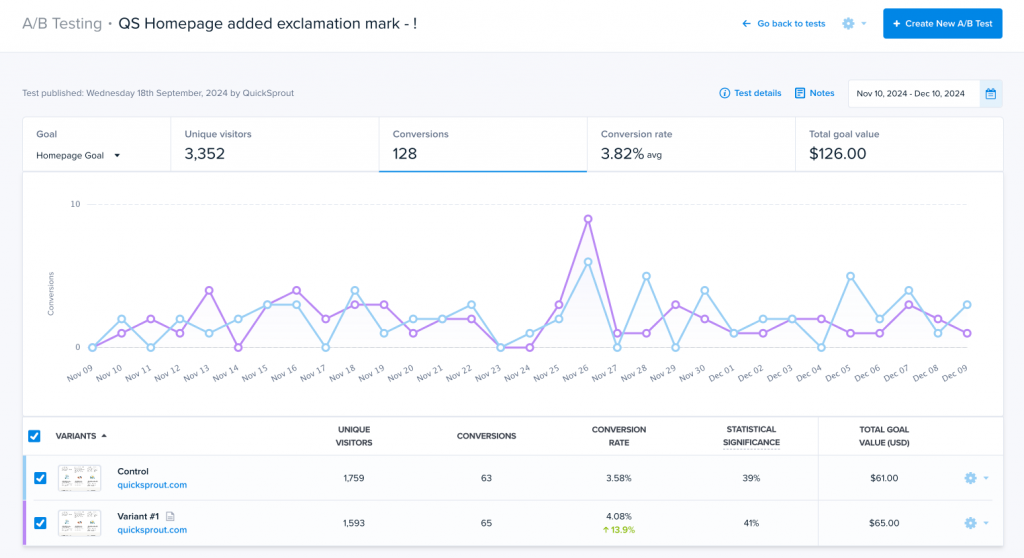
Crazy Egg provides a streamlined workflow where testing is “wired” into the behavioral data. When a user runs a test on Crazy Egg, the platform automatically generates heatmaps and session recordings for every variant. This allows marketers to not only see which version won but also observe the specific user behaviors that led to that victory. Crazy Egg also utilizes Multi-Armed Bandit (MAB) algorithms, which automatically shift traffic toward the winning variant in real-time, reducing the “regret” of lost conversions during the testing period. However, it lacks multivariate testing (MVT), making it less suitable for teams needing to test multiple variables simultaneously on a single page.
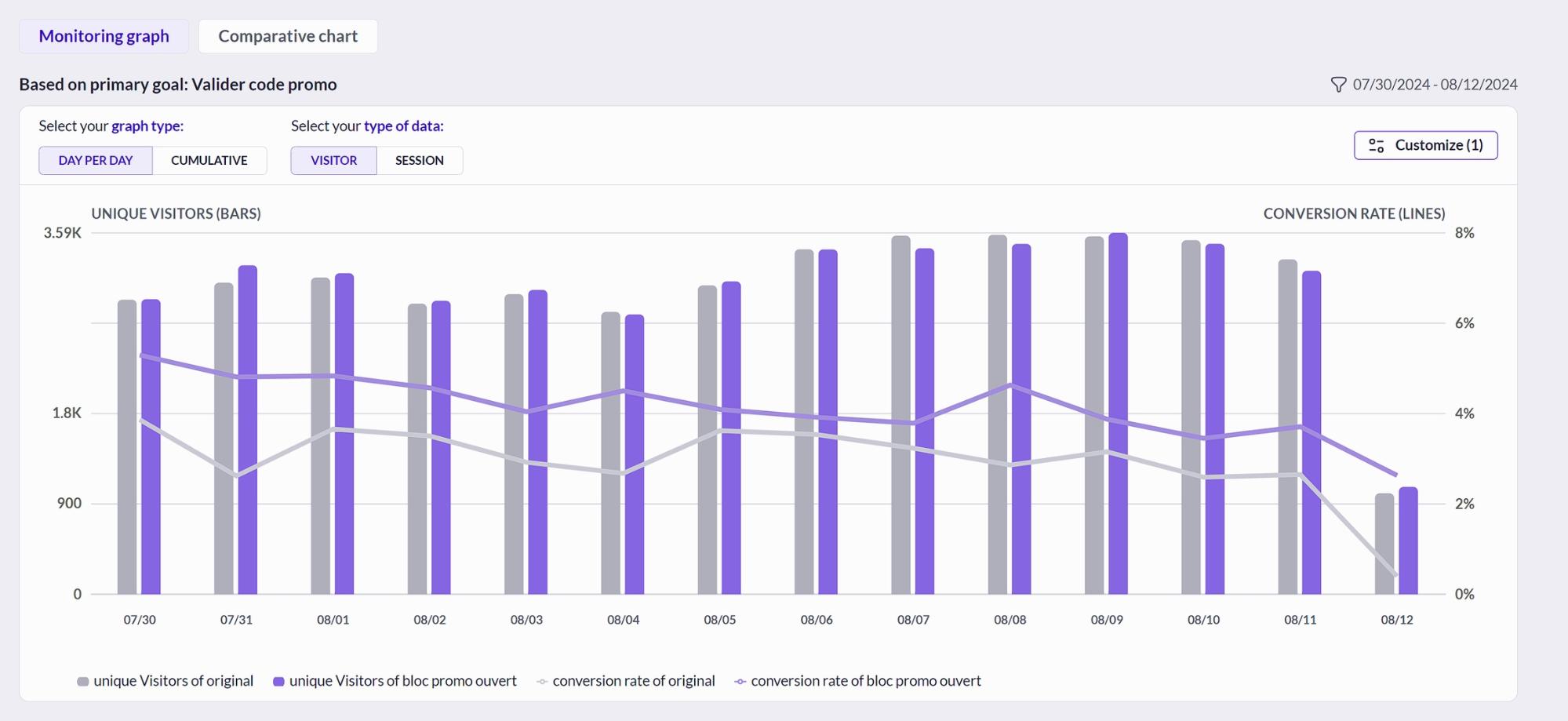
AB Tasty is recognized for its robust experimentation engine. Beyond standard A/B and split URL tests, it supports multivariate testing and multi-page testing, which is essential for cohesive funnel optimization. Its “Mutually Exclusive Experiments” feature is a critical requirement for enterprise teams, allowing them to run multiple tests on the same page without overlapping audiences, thereby ensuring the statistical integrity of each experiment. Furthermore, AB Tasty’s inclusion of server-side testing and feature flags allows product engineering teams to manage rollouts and test backend logic, a territory that Crazy Egg does not enter.
Visual Insights and User Behavior Analysis
The methodology for identifying what to test is where the two platforms diverge most sharply. Crazy Egg’s reputation is built on its five-tier heatmap system:
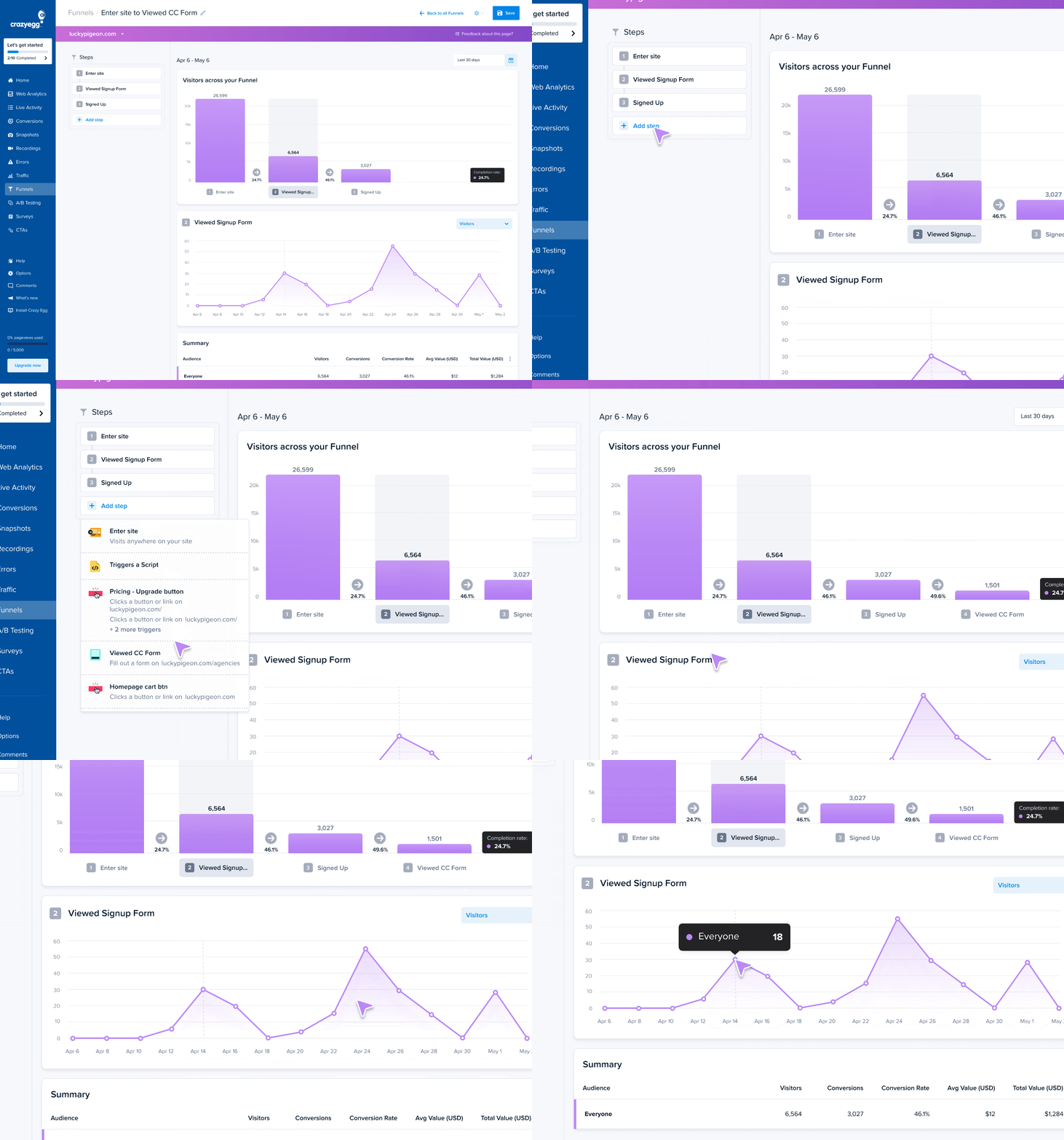
- Heatmaps: Visualizing click density.
- Scrollmaps: Showing where users lose interest.
- Confetti Maps: Segmenting clicks by referral source, browser, and search terms.
- Overlay Maps: Breaking down click percentages for specific elements.
- List Maps: Providing a numerical breakdown of engagement.
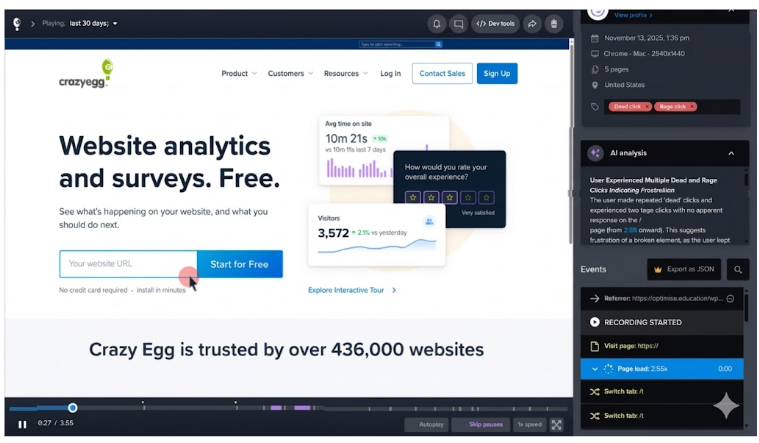
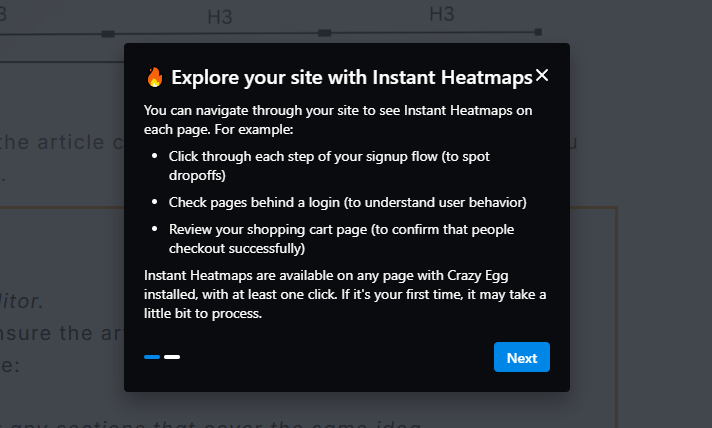
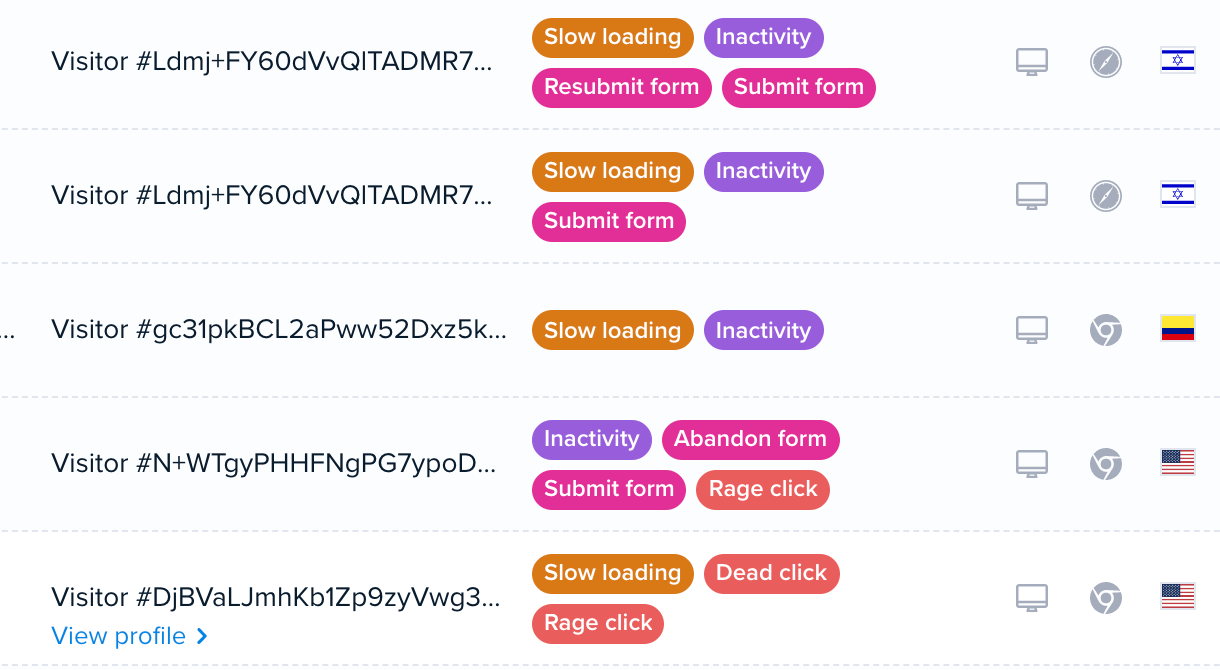
The “Instant Heatmap” feature in Crazy Egg is particularly noteworthy for its ability to auto-generate reports across an entire site without manual per-page setup. This is supplemented by native session recordings that are auto-tagged with 13 different event types, such as “rage clicks” or “slow loading,” allowing for rapid triage of user experience issues.
AB Tasty does not offer a native heatmap or session recording module. Instead, it relies on its “EmotionsAI” feature, which uses machine learning to analyze mouse speed, pauses, and scroll patterns to classify users into emotional profiles. While this provides a high-level psychological understanding of the audience, it does not provide the visual UI of a traditional heatmap. For teams using AB Tasty who require visual evidence of behavior, the platform necessitates integrations with third-party tools like FullStory, Contentsquare, or Microsoft Clarity.
Analytics, Funnels, and the Conversion Journey
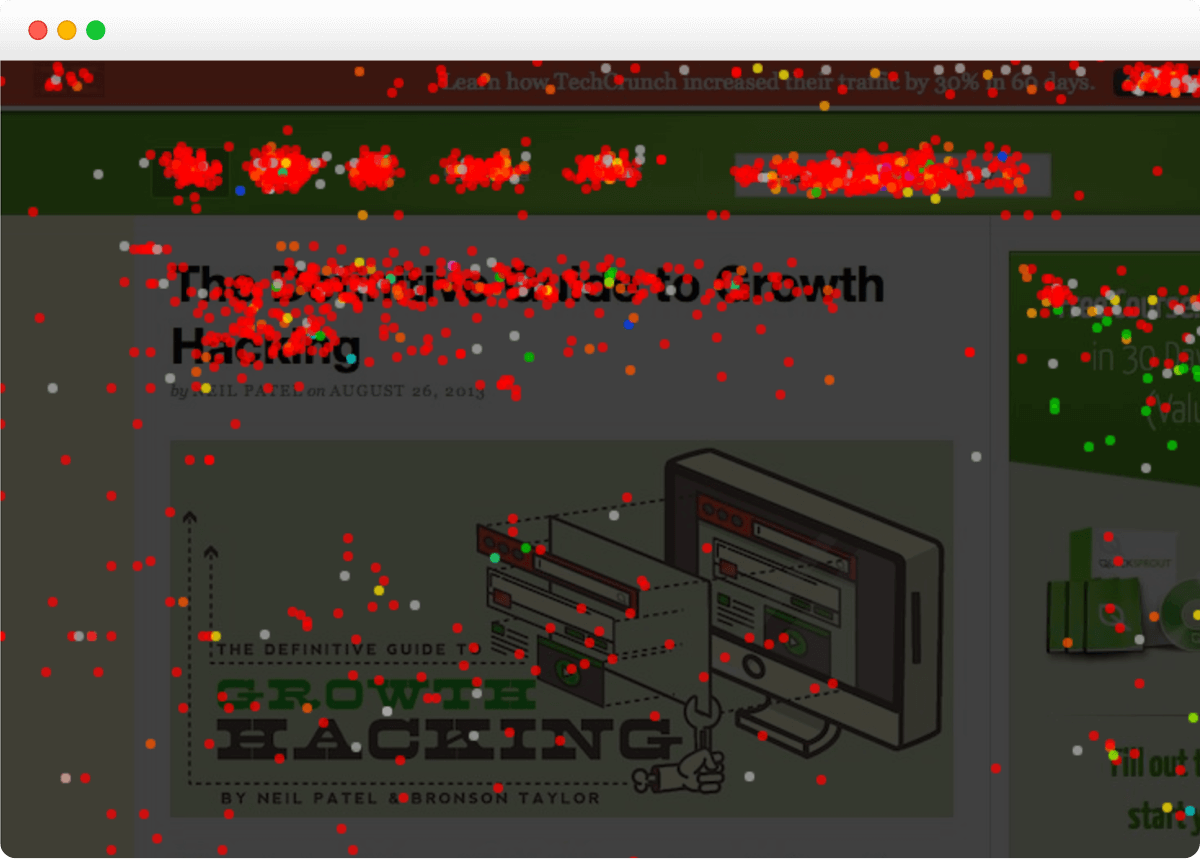
Data transparency is a significant factor in the total cost of ownership for these tools. Crazy Egg includes a native Web Analytics dashboard, Conversion Analytics, and a Funnel builder. These tools are retroactive, meaning they can analyze historical data from the moment the tracking script was installed. This enables teams to build funnels—such as a journey from a blog post to a trial sign-up—and immediately see drop-off points linked to session recordings.
AB Tasty lacks a native web analytics dashboard and funnel builder independent of its experiments. Its dashboard is laser-focused on the performance of active tests. The platform is built on the assumption that an enterprise user already has a “source of truth” for data, such as Google Analytics 4 (GA4), Mixpanel, or Adobe Analytics. While AB Tasty integrates seamlessly with these platforms to sync test data, teams without a dedicated analytics tool would find a significant gap in their ability to perform site-wide discovery.
The Role of Artificial Intelligence in Experimentation
AI has become the new frontier for both platforms, though they apply it differently. Crazy Egg focuses on “Bring Your Own LLM” and native analysis. It allows users to export heatmap and recording data directly to external AI models like ChatGPT, Gemini, or Claude for deep qualitative analysis. Within the platform, AI summaries provide instant insights into why a specific variant might be underperforming.
AB Tasty has invested heavily in proprietary, agentic AI. Its “Evi” assistant is designed to act as a virtual strategist, suggesting hypotheses, generating content for variants, and projecting revenue uplifts. This is paired with “AdaptiveCX,” which uses real-time intent prediction to engage users based on their current session behavior. For example, if the AI detects a user is in a “discovery” phase versus a “transactional” phase, it can dynamically adjust the UI elements to match that intent.
Technical Health and User Feedback Loops
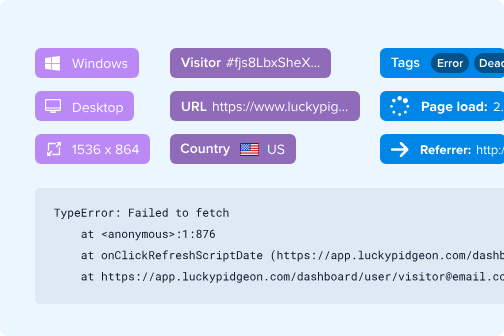
A often-overlooked aspect of CRO is technical performance. Crazy Egg includes a JavaScript (JS) error tracking module that captures stack traces and links them to session recordings. This allows developers to watch a user encounter a bug in real-time, significantly reducing the time to resolution. It also includes a triage workflow for team collaboration.
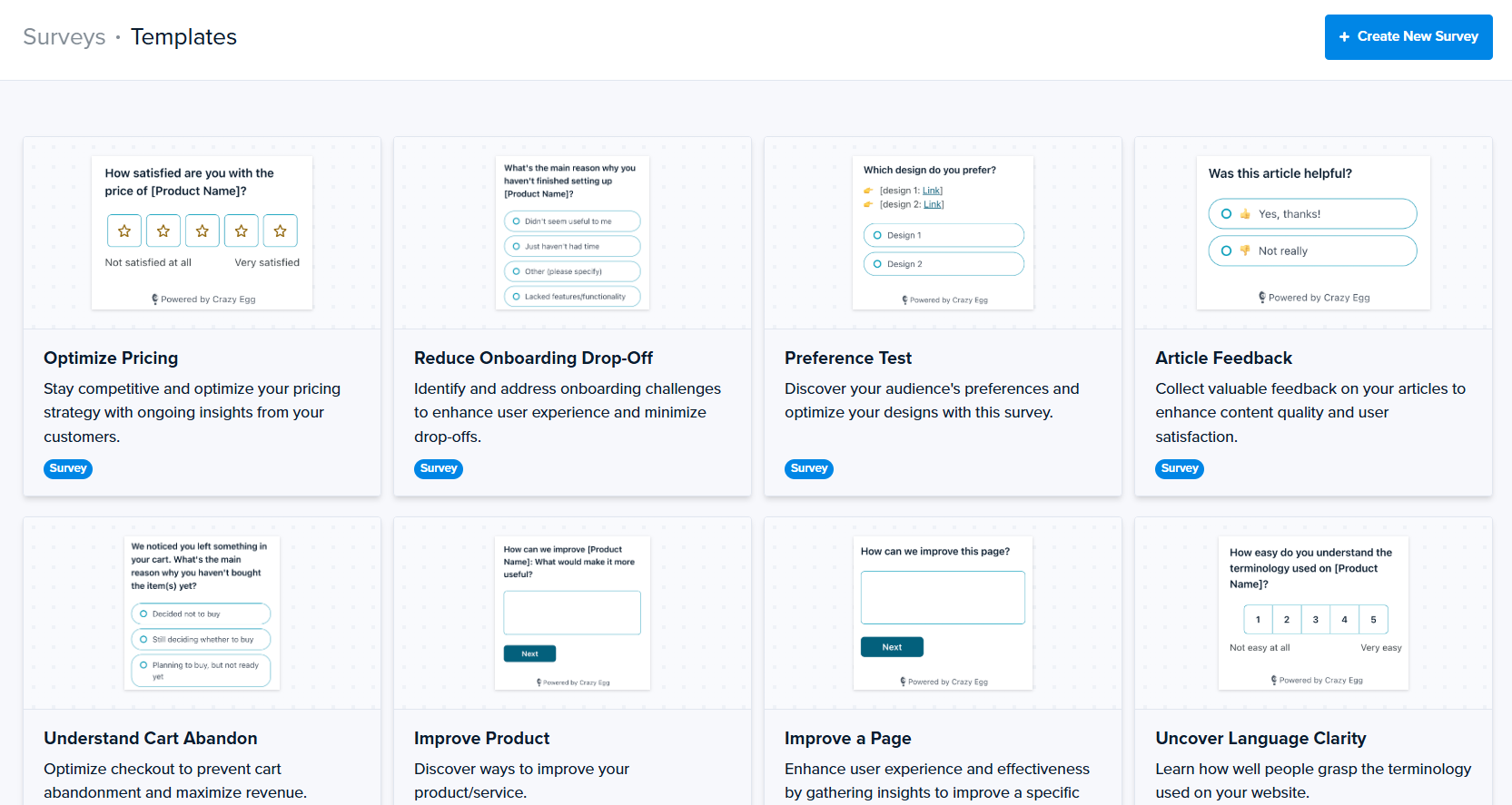
On the qualitative side, Crazy Egg offers unlimited on-site surveys on every plan. These surveys can be triggered by behavioral signals like exit intent or scroll depth. Crucially, every survey response is linked to the respondent’s session recording, providing a 360-degree view of the feedback.
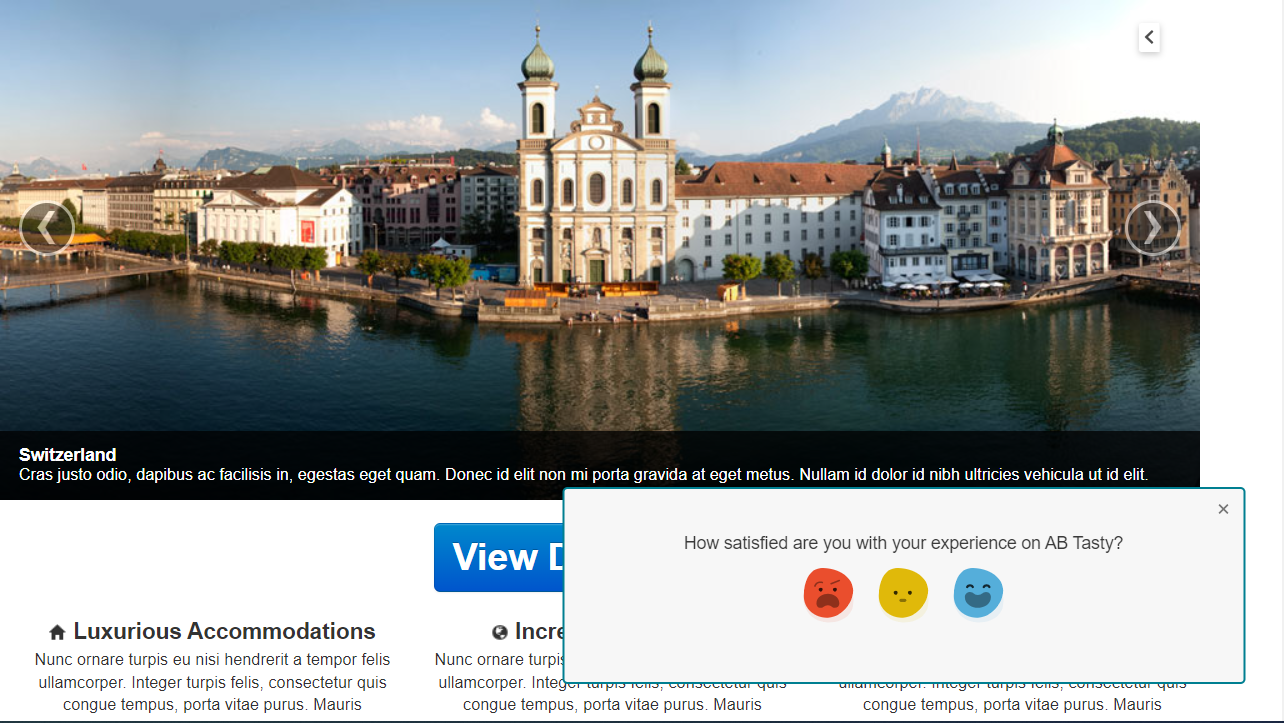
AB Tasty provides NPS and CSAT widgets but lacks a general-purpose, open-ended survey builder. Its “Feedback Copilot” uses AI to summarize responses collected through these widgets or via integrations with tools like Typeform and Qualtrics. While efficient for sentiment tracking, it offers less granularity for page-specific qualitative research compared to Crazy Egg’s native builder.
Pricing Structures and Economic Implications
The financial commitment required for each platform marks perhaps the clearest distinction between the two. Crazy Egg operates on a transparent, self-serve subscription model.
- Starter Plan: $29/month for basic tracking.
- Plus Plan: $99/month, adding A/B testing and error tracking.
- Pro Plan: $249/month for high-volume sites.
- Enterprise Plan: $599/month for massive traffic and SAML SSO.
This pricing is inclusive of unlimited team members and unlimited domains, making it highly predictable for CFOs and marketing managers.
AB Tasty utilizes a quote-based, enterprise sales model. Market data from February 2026 indicates that the median annual contract for AB Tasty stands at approximately $66,500. Mid-market deals generally range between $15,000 and $45,000 per year, while large-scale enterprise contracts can exceed $150,000 annually. This pricing reflects the platform’s focus on high-traffic organizations that require dedicated account management and custom integration support.
Final Analysis and Strategic Recommendations
The decision between Crazy Egg and AB Tasty should be guided by the organization’s current maturity level in experimentation.
Crazy Egg is the recommended choice for:
- SMBs and mid-market growth teams who need an “all-in-one” solution.
- Marketers who want to start testing immediately without a lengthy procurement process.
- Teams that value visual behavior data (heatmaps/recordings) as much as quantitative test results.
- Organizations seeking a transparent, low-cost entry point into CRO.
AB Tasty is the recommended choice for:
- Enterprise organizations with a dedicated experimentation department.
- Product teams requiring server-side testing, feature flags, and multivariate capabilities.
- Teams that already have a robust analytics and session replay stack (e.g., GA4 and FullStory).
- Companies that require advanced AI-driven personalization and real-time intent prediction.
As the industry moves toward more automated and intelligent experimentation, both platforms are likely to continue expanding their AI capabilities. However, the fundamental split remains: Crazy Egg provides the comprehensive toolkit for the agile marketer, while AB Tasty provides the specialized precision engine for the enterprise strategist. For most organizations, the “right” tool is the one that aligns with their existing technical stack and the specific questions they are trying to answer about their users.








