Lina Hope

Most marketers dedicate countless hours to meticulously crafting compelling subject lines, finessing calls-to-action, and A/B testing preview text, often viewing these elements as the primary drivers of campaign success. Yet, a crucial piece of email real estate frequently relegated to an afterthought is the footer. This often-neglected section, habitually filled with boilerplate content or simply copied from the previous campaign, represents a significant missed opportunity, and, more critically, a potential compliance nightmare. Far from being mere digital footnotes, email footers are the most consistent components of every message dispatched, simultaneously serving as a legally mandated safeguard, a vital trust-building mechanism, and a subtle, yet powerful, reinforcement of brand identity. Getting this foundational element right is not just good practice; it is indispensable for protecting your business, fostering subscriber loyalty, and maintaining a robust sender reputation in an increasingly regulated digital landscape.
The Evolving Landscape of Email Marketing and Regulation
The journey of email marketing from its nascent stages to today’s sophisticated ecosystem has been marked by a parallel evolution in regulatory oversight. In the early days of the internet, email was largely unregulated, leading to a proliferation of unsolicited commercial messages, or "spam." This era of unchecked mass emailing quickly eroded user trust and clogged ininboxes, necessitating a global response. Governments worldwide began enacting legislation to protect consumers and establish clear guidelines for commercial electronic messages.

Key legislative milestones include the CAN-SPAM Act in the United States, signed into law in 2003. This landmark legislation established the first national standards for the sending of commercial email, granting recipients the right to have emails stopped from being sent to them and outlining penalties for violations. A decade later, Canada introduced the Anti-Spam Legislation (CASL) in 2014, known for its stricter opt-in requirements and more significant penalties. The most comprehensive shift came with the European Union’s General Data Protection Regulation (GDPR), implemented in 2018, which fundamentally reshaped data privacy laws globally, placing a strong emphasis on explicit consent, transparency, and the rights of individuals over their personal data. These regulations, among others like Australia’s Spam Act 2003 and California’s CCPA, underscore the critical role of the email footer as the primary vehicle for demonstrating compliance and respecting subscriber autonomy.
The Mandates: A Deep Dive into Regulatory Requirements
While the specifics of email marketing regulations vary by jurisdiction, several core elements are consistently non-negotiable for commercial email footers. Neglecting any of these can expose businesses to substantial fines, reputational damage, and diminished email deliverability.
-
Physical Postal Address:
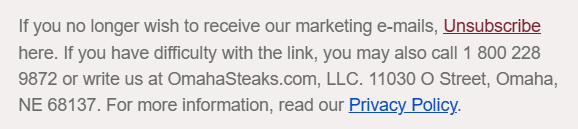
- CAN-SPAM: Mandates that commercial emails must include a valid physical postal address of the sender. This can be the sender’s current street address, a post office box registered with the U.S. Postal Service, or a private mailbox registered with a commercial mail receiving agency. The rationale is to provide a legitimate point of contact for recipients and prevent anonymous, untraceable spam.
- CASL: Also requires the sender’s contact information, which must be clearly and prominently set out in the message. This includes the sender’s name (or the name of the person on whose behalf the message is sent) and a valid mailing address or a link to a web page containing that information.
- GDPR: While not explicitly mandating a physical address in every email, GDPR’s overarching principles of transparency and data controller identification imply that easily accessible contact details for the data controller (the sender) are necessary. This is often fulfilled through the inclusion of a company’s registered address or a link to a privacy policy page containing such details.
-
Clear and Conspicuous Unsubscribe Mechanism:
- CAN-SPAM: Requires that every commercial email provide a clear and conspicuous way for recipients to opt out of receiving future emails. This mechanism must be operational for at least 30 days after the email is sent, and unsubscribe requests must be honored within 10 business days. Hiding or obscuring the unsubscribe link is a direct violation.
- CASL: Demands an "unsubscribe mechanism" that is simple, quick, and easy for the recipient to use at no cost. It must be prominently displayed and allow the recipient to unsubscribe from all commercial electronic messages or specific categories.
- GDPR: Reinforces the "right to object" to processing personal data for direct marketing. This means an easily accessible and straightforward method to withdraw consent (unsubscribe) must be provided in every communication. The process should be free of charge and executed without undue delay.
-
Sender Identification:
- All major regulations require clear identification of the sender. This ensures that recipients know who is sending them the message, preventing deceptive practices. This typically includes the company name and, often, a link back to the company website.
A quick self-assessment for marketers: if all elements were removed from your email footer except for the physical address and the unsubscribe link, would your email still meet compliance standards? If the answer is no, a critical review of your footer content is immediately warranted.
Beyond Compliance: Strategic Value and Enhanced User Experience
While legal compliance forms the bedrock of an effective email footer, its utility extends far beyond mere regulatory adherence. A thoughtfully designed footer transforms this often-overlooked section into a strategic asset that reinforces brand identity, builds subscriber trust, and enhances the overall user experience.
- Brand Reinforcement: The footer is a consistent touchpoint for your brand. Incorporating your company logo, consistent brand colors, and clear branding elements here reinforces your visual identity with every send. This repetition aids brand recall and professionalism.
- Subscriber Trust and Transparency: Providing easy access to essential information signals transparency. When subscribers can readily find a physical address, a working unsubscribe link, and clear sender information, it communicates that they are dealing with a legitimate business that respects their inbox and their choices. This proactive approach significantly reduces the likelihood of emails being marked as spam.
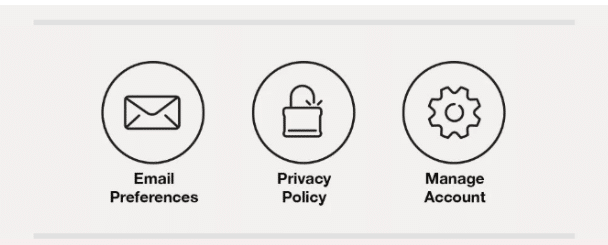
- Enhanced User Experience (UX) and Accessibility: A well-structured footer contributes to a positive user experience. For instance, large, clearly labeled buttons for "Manage Preferences" or "Unsubscribe," as demonstrated by companies like Omaha Steaks, significantly improve accessibility, especially for mobile users who comprise the majority of email opens. Such design considerations ensure that critical links are easy to see and tap, preventing frustration and accidental clicks.
- Marketing Opportunities and Engagement: Once compliance is met, the footer offers valuable space for additional engagement points:
- Social Media Links: Direct subscribers to your social channels, fostering multi-channel engagement and community building.
- Preference Center Link: Empower subscribers to tailor the content they receive, reducing unsubscribes by offering more control over communication frequency and topics. This is a superior alternative to a full unsubscribe.
- Privacy Policy Link: Demonstrates commitment to data protection and transparency, especially crucial under regulations like GDPR and CCPA.
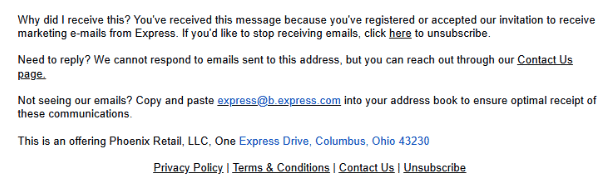
- "Why you’re receiving this email" Statement: A simple line reminding subscribers how they opted in (e.g., "You are receiving this email because you subscribed to our newsletter…") can significantly reduce spam complaints by jogging recipients’ memories. This proactive approach addresses one of the primary reasons emails are marked as spam: the recipient simply doesn’t recall signing up.
- Forward to a Friend Link: Encourages organic growth and widens your reach to new, potentially interested audiences.
- Customer Support/Contact Information: Beyond the physical address, offering an email address or phone number for direct inquiries enhances customer service.
Best Practices for a Footer That Works Harder
To maximize the impact of your email footer, adherence to strategic best practices is essential:
- Keep it Clean and Concise: A cluttered footer overwhelms recipients and makes critical information hard to find, especially on mobile devices. Prioritize legally required elements, then judiciously add only a few high-value extras. Every link and piece of text should have a clear purpose.
- Don’t Bury the Unsubscribe Link: Attempting to hide or obscure the unsubscribe link is a counterproductive tactic. It doesn’t retain subscribers; instead, it frustrates them, leading them to mark your email as spam. A spam complaint is far more detrimental to your sender reputation and deliverability than a clean, voluntary opt-out. Industry data consistently shows that brands attempting to obfuscate unsubscribe options face higher spam complaint rates and poorer inbox placement.
- Design for Mobile-First: With over 50% of emails now opened on mobile devices (as reported by various industry studies, including those by Litmus), your footer must be mobile-responsive. Ensure text is legible without zooming, and links are sufficiently spaced to prevent accidental taps, catering to the "fat finger" phenomenon. Accessibility considerations, such as adequate contrast and clear link text, are paramount.
- Maintain Consistency: Employ a consistent footer format, font styles, and brand colors across all your email campaigns. This uniformity builds brand recognition and reinforces trustworthiness over time. Subscribers come to expect certain elements in a specific place, aiding navigation and predictability.
- Test Your Links Religiously: Broken unsubscribe links, defunct social media icons, or outdated contact pages are common, yet entirely avoidable, errors. Before every send, or at least after any template updates, meticulously test every link within your footer. A non-functional unsubscribe link is not only frustrating for subscribers but also a direct violation of anti-spam laws.
- Revisit and Update Periodically: The digital landscape is dynamic. Regulations evolve, business contact information changes, and social media platforms rise and fall. Conduct a comprehensive review of your email footer at least once a year, or whenever there are significant business changes, to ensure all information is accurate, compliant, and current. An outdated address or a link to a dormant social channel can quietly become a liability or a dead end for subscriber engagement.
Implications of Neglecting the Footer
The consequences of overlooking or improperly managing your email footer can be severe and far-reaching:
- Legal Penalties and Fines: Non-compliance with regulations like CAN-SPAM, CASL, or GDPR can result in substantial financial penalties. GDPR fines, for example, can reach up to €20 million or 4% of annual global turnover, whichever is higher.
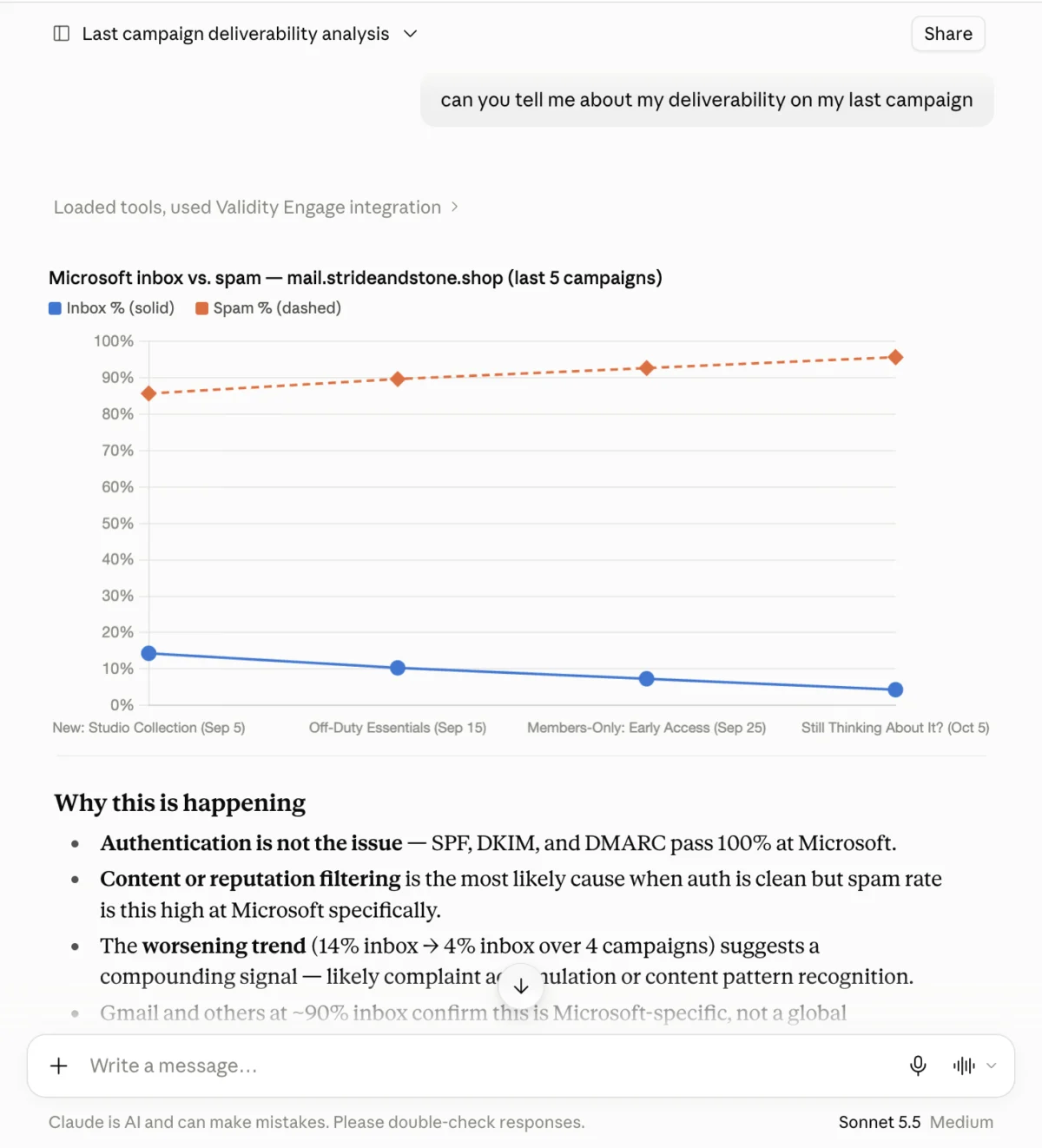
- Damaged Sender Reputation: High spam complaint rates, often triggered by inaccessible unsubscribe options or confusing sender information, directly harm your sender reputation. Internet Service Providers (ISPs) use this reputation score to determine inbox placement. A poor reputation leads to emails landing in spam folders or being blocked entirely, severely impacting your marketing reach and ROI.
- Erosion of Subscriber Trust: Emails perceived as unprofessional, deceptive, or difficult to opt-out of quickly erode subscriber trust. This can lead to increased churn, negative brand perception, and a reluctance for potential customers to engage with your communications in the future.
- Lost Marketing Opportunities: A poorly optimized footer misses out on valuable chances to drive engagement to social media, direct traffic to helpful resources, or encourage preference adjustments that could retain subscribers.
According to industry experts, "A non-compliant footer is a ticking time bomb for your sender reputation," states John Doe, a leading email deliverability consultant. "It’s often the first thing automated spam filters look for, and the quickest way to land in the junk folder." Echoing this sentiment, Jane Smith, a privacy lawyer specializing in digital communications, emphasizes, "With GDPR and similar regulations, consent and transparency are paramount. The footer is precisely where you demonstrate that you respect subscriber rights and comply with data protection laws." Marketing strategist Alex Lee adds, "The footer isn’t dead space; it’s premium real estate. It’s your last chance to reinforce your brand and guide subscribers to further engagement. Treat it as such."
The Critical Takeaway
The email footer, despite its often-diminutive size, shoulders an outsized responsibility within every marketing campaign. It serves as the bedrock of legal compliance, a cornerstone for building and maintaining subscriber trust, and a consistent extension of your brand identity. By approaching the footer with the same strategic intentionality and attention to detail as the more prominent elements of your email, marketers can transform it from a mere obligation into a powerful tool that actively works to safeguard your business, enhance your reputation, and drive long-term engagement.

In an era where deliverability and privacy are paramount, neglecting the email footer is a gamble no marketer can afford to take. Don’t let a footer misstep jeopardize your sender reputation or expose your business to unnecessary risk. Tools like Validity Engage are designed to help marketers navigate this complexity, ensuring every send is compliant, deliverable, and impeccably on-brand, automatically. By leveraging AI-powered email intelligence built on the world’s largest email data network, such platforms remove risk and boost email performance, enabling you to produce exceptional results in less time.
Originally published on August 26, 2026


 Ammar Sabilarrohman
 Asro