

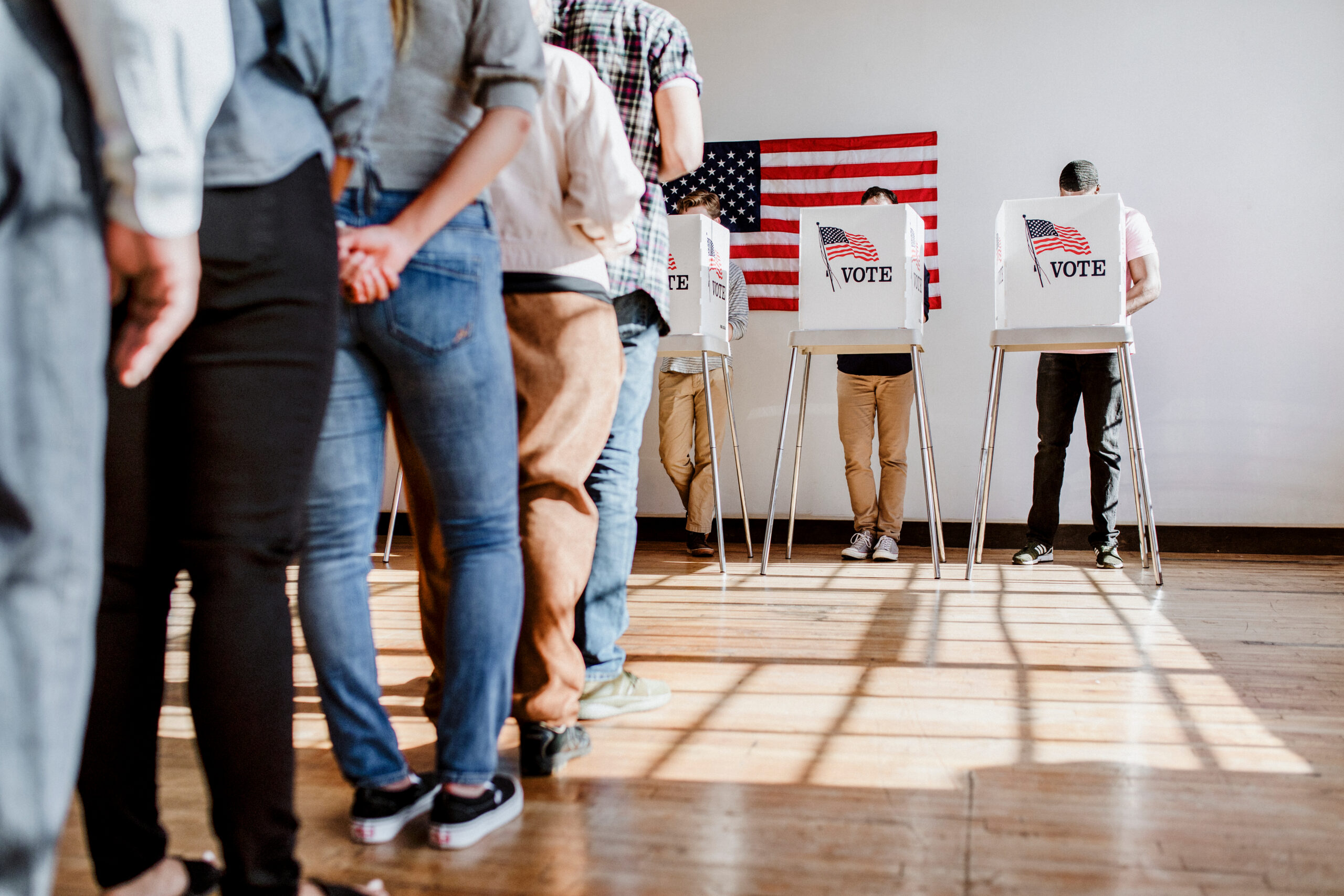
During periods of exceptionally high email volume, the success of a sender’s email program extends far beyond the quality of their own practices. Inbox placement becomes a complex interplay of internal execution and the broader dynamics of the email ecosystem. This intricate balance is acutely tested during significant national events such as major elections, where a sudden and massive influx of political messaging can create unforeseen bottlenecks and challenges for all legitimate email marketers. The phenomenon, often paralleled with the intense commercial pressures of the Black Friday and Cyber Monday retail holidays, reveals a critical vulnerability in the digital communication infrastructure.
The Anatomy of Email Deliverability in High-Pressure Environments
Mailbox Providers (MBPs) – the gatekeepers of the inbox, including giants like Gmail, Microsoft, Apple, and Yahoo – operate with finite capacity. When faced with an unprecedented surge in incoming mail, their systems can quickly reach saturation points. To manage this overload and protect their users’ experience, MBPs employ various defense mechanisms. These include increasing "throttling," which slows down the rate at which emails are accepted; initiating "deferrals," where emails are temporarily rejected and require re-sending; and, most critically, routing more mail directly to the spam folder or rejecting it entirely. In this stressed environment, MBPs prioritize senders with consistently high reputations, while those deemed of lower quality face significant delivery delays or outright blockage.
A prime example of such an environment is the Black Friday through Cyber Monday period, renowned as one of the year’s highest-volume commercial sending windows. However, another, less-anticipated pressure point arises during election cycles. In the United States, candidates, political parties, and Political Action Committees (PACs) heavily leverage email for fundraising, voter engagement, and advocacy. As election day draws near, it is not uncommon for a single political program to dispatch four or more messages daily. This aggressive sending strategy, while aimed at maximizing political impact, inevitably generates a substantial amount of "noise" in the inbox, creating a crowded and competitive landscape for attention.
As the midterms approach in November, a pertinent question arises for commercial senders: will the impending surge in political email activity exacerbate the already challenging task of inbox placement, and will subscribers, bombarded by political messages, experience a heightened sense of email fatigue by the time the critical Black Friday retail period arrives? To gain insight into these dynamics, Validity, a leading authority in email deliverability, utilized its extensive Intelligence Network to conduct a retrospective analysis of the 2024 election cycle, offering crucial lessons for future electoral periods.
The 2024 Election: A Deep Dive into Deliverability Data
Validity’s analysis focused on deliverability data for US senders in the weeks leading up to the 2024 presidential election. The study encompassed the four major mailbox providers – Microsoft, Apple, Gmail, and Yahoo (collectively known as MAGY) – which together account for approximately 90 percent of a typical US business-to-consumer (B2C) email program’s audience. The synchronized behavior of these providers holds immense significance for email marketers nationwide.
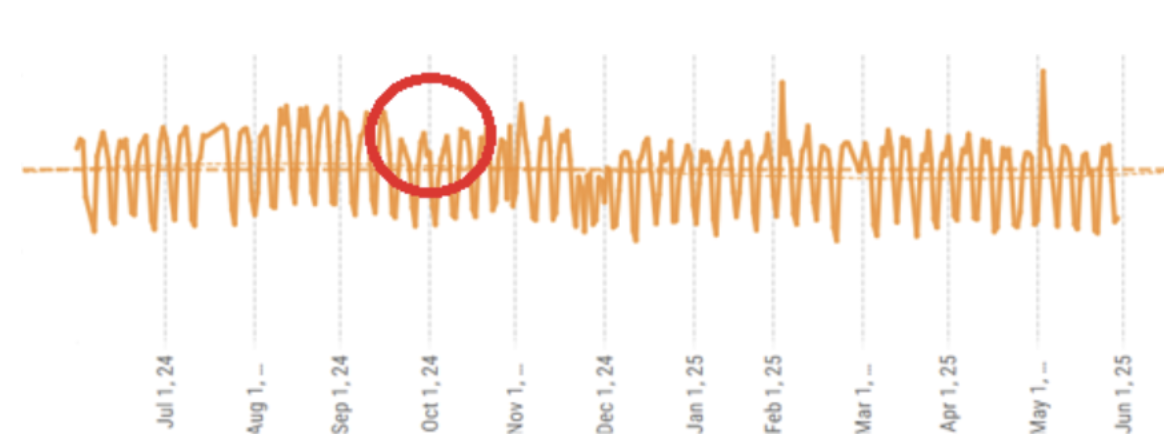
The findings were stark: average inbox placement rates across MAGY providers collectively plummeted by more than 5 percent during the critical week preceding election day. Crucially, this decline was not isolated to political mailers; it impacted all legitimate, permission-based email marketing activities indiscriminately. This widespread degradation in deliverability underscores the systemic pressure exerted on the entire email channel.
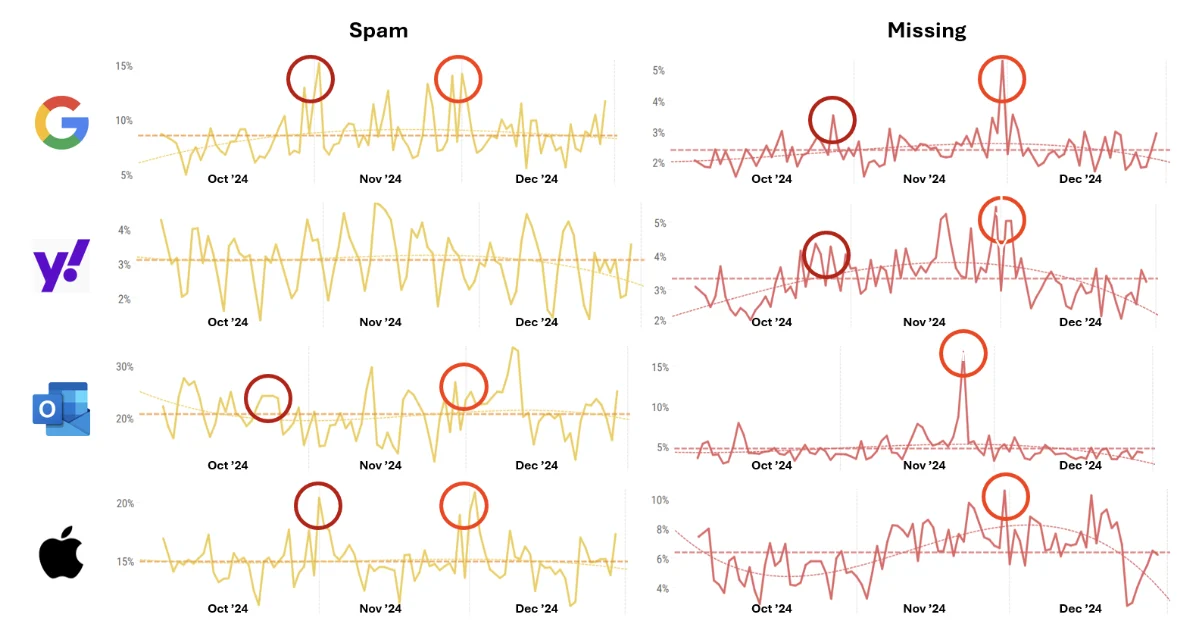
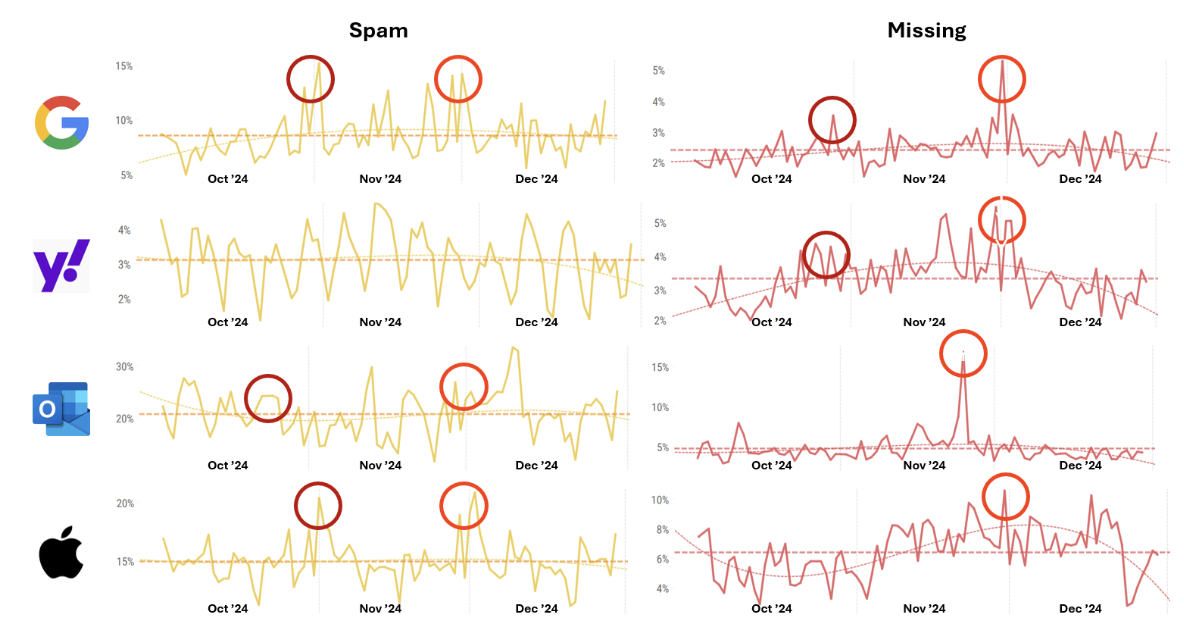
To comprehend the underlying mechanisms of this impact, it is essential to understand how non-delivery manifests. Mailbox providers typically employ two primary levers when their systems are under strain: directing emails to recipients’ junk folders (classified as "Spam") and outright rejecting emails before they reach any folder (categorized as "Missing"). Both of these non-delivery metrics spiked sharply during election week.
The following data illustrates the significant comparison between election week, the Q4 2024 quarterly benchmark, and the subsequent Black Friday and Cyber Monday periods:
| Weighted Avg. | Q4 ’24 Benchmark | Election Week | Black Friday | Cyber Monday |
|---|---|---|---|---|
| Spam | 9.2 percent | 13.6 percent | 13.1 percent | 13.1 percent |
| Missing | 3.1 percent | 4.1 percent | 5.5 percent | 4.3 percent |
| Combined | 12.3 percent | 17.6 percent | 18.5 percent | 17.4 percent |
The combined non-delivery rate during election week reached 17.6 percent, representing an astonishing 1.5 times the quarterly benchmark. This level of pressure was almost identical to that experienced during the peak retail periods of Black Friday (18.5 percent) and Cyber Monday (17.4 percent), highlighting the comparable strain placed on the email infrastructure.
To put this into perspective, with average US sending volumes hovering around 10 billion emails per day, a 5% drop in inbox placement translates to nearly half a billion additional emails failing to reach their intended inboxes every single day during election week. At an average estimated value of $0.11 per email (based on Klaviyo data), this equates to approximately $50 million per day in lost potential revenue for commercial senders. This substantial financial impact occurred not due to any fault or misstep by email marketers themselves, but rather as a direct consequence of the engagement pressure and system strain generated by the overwhelming volume of political email.
Why the Disruption? The Role of Subscriber Engagement and Political Sending Practices
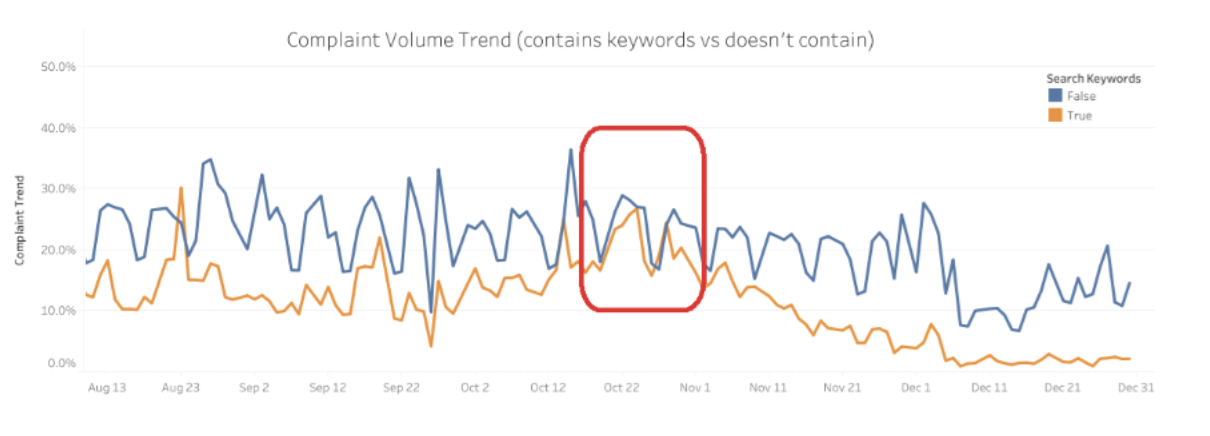
The fundamental reason behind this widespread disruption lies in how major mailbox providers, particularly Gmail, interpret and react to subscriber engagement signals. Positive signals, such as clicks, forwards, and replies, are strongly associated with high-quality email programs whose subscribers genuinely desire to receive messages. Conversely, negative signals – primarily spam complaints and emails deleted unread – actively push mail towards the spam folder or even lead to outright rejection.
Validity’s analysis of complaint data from its Intelligence Network further illuminated this dynamic. By tagging emails with common political terms such as "election," "vote," "donate," and "president," the study was able to differentiate between political and non-political senders. The data revealed that both groups experienced above-average complaint rates in the pre-election period. However, a critical observation emerged: the peaks in spam complaints during the pre-election window were notably higher than those recorded during Black Friday and Cyber Monday just four weeks later.
This finding leads to a clear inference: political campaigns do not merely generate complaints for their own emails; they contribute significantly to an overall increase in negative sentiment across the entire email channel. This heightened negative sentiment signals to MBPs that the volume of incoming mail is becoming unwelcome or overwhelming for users, prompting them to tighten their filters for all senders.
Political mailers have long been characterized by practices that often disregard established email best practices. These include exceptionally high sending frequencies, aggressive and often urgent language, and minimal list segmentation or targeting. The resultant high spam complaint rates are, therefore, a predictable outcome. Interestingly, the data also offered a nuanced insight: donation-focused emails from political programs generated spam complaints at roughly one-third the rate of content and news-oriented emails from the same senders. This suggests that the core problem might not be the fundraising mechanics themselves, but rather the way political content is framed, presented, and the sheer volume at which it is pushed to subscribers. The often-alarmist or highly partisan nature of political news and content emails appears to trigger a stronger negative reaction from recipients.
Commercial Senders’ Response in 2024: Adaptations and Strategic Adjustments
In light of the deliverability challenges posed by the election surge, commercial senders exhibited varied responses. Validity’s examination of average daily campaign volumes among its customers during the pre-election period revealed a striking trend: average daily campaigns dropped by 5–10 percent in the four weeks leading up to election day. Many senders strategically scaled back their activity, choosing to ramp up only after the election dust had settled. This proactive reduction in volume indicates a recognition among savvy marketers of the heightened risks and reduced efficacy of sending during this period.
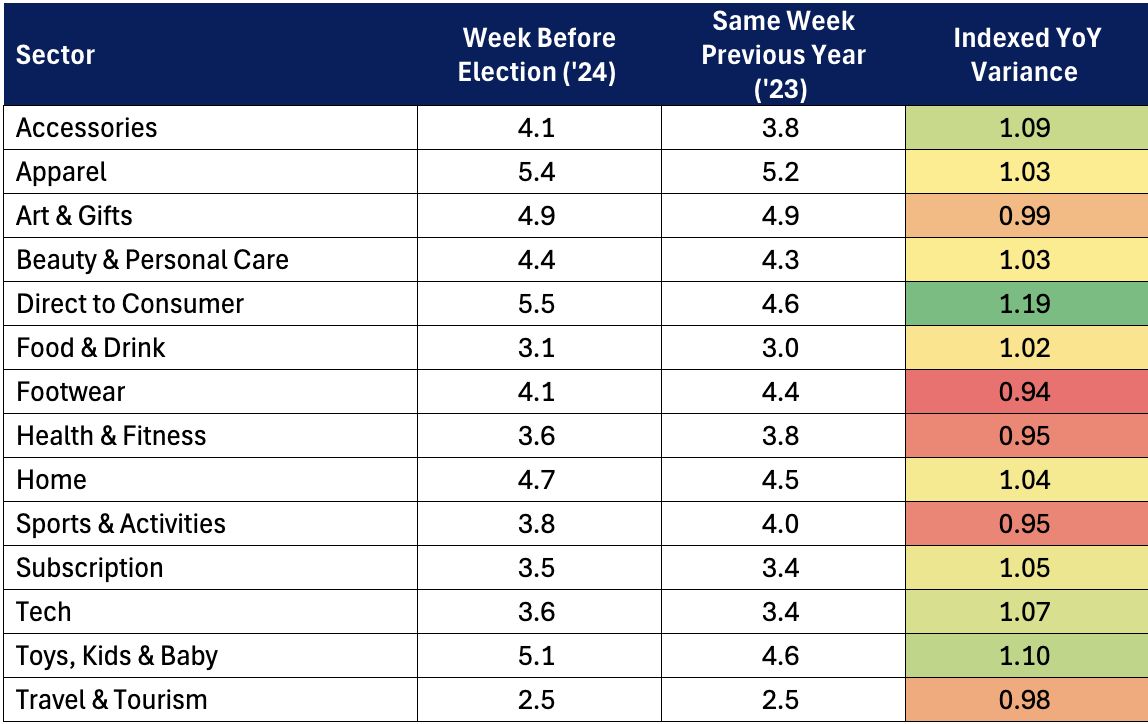
However, this response was not uniform across all sectors. A comparison of sending frequency in the week immediately preceding the 2024 election with the same week in 2023 (a non-election year) illustrated diverse strategic choices:
| Sector | 2024 Election Week vs. 2023 (same week) |
|---|---|
| D2C | Increased activity |
| Toys/Kids/Baby | Increased activity |
| Accessories | Increased activity |
| Footwear | Pulled back |
| Health & Fitness | Pulled back |
| Sports & Activities | Pulled back |
| Other Sectors | Varied, generally slight decrease |
(Note: This measures average messages received by a typical email subscriber, not total campaigns sent.)
While sectors like Direct-to-Consumer (D2C), Toys/Kids/Baby, and Accessories opted to increase their activity, potentially seeing opportunities amidst the noise or having robust enough programs to withstand the pressure, others like Footwear, Health & Fitness, and Sports & Activities strategically pulled back. For those sectors that under-indexed in 2024, the upcoming 2026 midterms may represent an opportunity to re-evaluate their strategy and potentially do more, provided they are equipped with strong deliverability practices.
Looking Ahead to 2026: Evolving Landscape and New Dynamics
Will the 2026 midterm elections present a similar scenario, or will the landscape have shifted? Several key developments since 2024 warrant close attention, potentially altering the dynamics of email deliverability during election periods.
First, a concerning trend is the overall decline in global inbox placement rates. After reaching a high-water mark of 87.2 percent last year, global Inbox Placement Rates (IPRs) have trended downward, settling at 84.5 percent for Q2 2026. This softer starting point means that the email channel enters the upcoming election cycle already under more strain, making it potentially more susceptible to disruption from high-volume events.
Second, and this development may offer a silver lining for commercial senders, mailbox providers have significantly tightened their bulk sender requirements. These stricter guidelines, often requiring enhanced authentication protocols (like DMARC, SPF, DKIM) and lower complaint thresholds, mean that non-compliant senders are increasingly seeing their emails blocked or filtered directly to spam. Political mailers, which historically generate high complaint rates due to their aggressive sending patterns, may find a much larger share of their volume suppressed before it can significantly impact overall inbox sentiment for other, compliant senders. This represents an inferred strategic response from MBPs to maintain inbox hygiene and user satisfaction, indirectly benefiting commercial marketers.
Third, the major MBPs have rolled out a wave of AI-powered inbox features over the past 18 months. Innovations such as Gmail’s relevance-sorted Promotions tab, Gemini for Gmail, and Microsoft Copilot are designed to nudge subscribers toward more conversational, high-engagement inbox experiences. These intelligent tools are increasingly adept at identifying and prioritizing content that users genuinely engage with, while simultaneously de-prioritizing or filtering out low-engagement senders. If political mailers fail to generate strong engagement signals – a common characteristic given their high frequency and often repetitive content – they are likely to be filtered more aggressively before reaching inboxes at scale. This reduced visibility for political emails could translate into less overall pressure on the email channel, offering some respite to commercial senders.
Strategic Considerations for Commercial Brands: To Engage or Not to Engage?
The question of whether commercial brands should scale back their email activity during election season is not one with a universal answer. While many choose caution, for some brands, election season can present a genuine opportunity to align with themes of choice, freedom, and civic duty that resonate broadly with consumers.
Validity’s data from 2024 highlighted examples of brands that successfully leaned into election themes. These approaches ranged from patriotic product tie-ins and public service announcements encouraging voting to clever wordplay and humor related to the electoral process. The most successful strategies shared several common characteristics: they maintained a strictly non-partisan stance, kept the political messaging light and tangential, and forged a natural connection between the act of voting or civic engagement and their own products or brand values. Brands that employed humor ensured it was broad enough to appeal across the political spectrum, avoiding divisive jokes.
The paramount guardrail for any brand considering such a strategy is "brand fit." Overtly political messaging, especially if partisan, carries a significant risk of alienating a substantial portion of your audience, regardless of their political leanings. Most of the brands that embraced election themes in 2024 were smaller businesses, likely less risk-averse about potential brand exposure or with a more niche, politically aligned audience. Larger, established brands, for the most part, maintained their focus on preparing for the critical Black Friday period, choosing to avoid the potential pitfalls of political entanglement. Their inferred strategy was to prioritize brand safety and consistent commercial messaging over temporary, potentially divisive engagement.
The Bottom Line: Navigating the Election Email Storm
The comprehensive data from the 2024 election cycle makes a compelling case: election season is a significant deliverability pressure point for everyone in the email ecosystem, not just political mailers. Inbox placement rates drop across the board, complaint rates spike, and this pressure typically peaks well before the crucial Black Friday and Cyber Monday shopping events.
For commercial senders, the best defense against this systemic disruption remains a steadfast commitment to foundational email marketing principles: maintaining a strong sender reputation through consistent engagement and low complaint rates, cultivating a healthy and engaged subscriber list, and developing a clear and agile timing strategy heading into November. Proactive monitoring of key deliverability metrics is essential to detect early signs of trouble and adjust sending volumes or strategies accordingly.
While there is reason to believe that the 2026 midterms may be somewhat less disruptive due to the tighter bulk sender requirements and AI-powered filtering adopted by mailbox providers, this optimism should not lead to complacency. Vigilance and continuous monitoring of email performance metrics remain paramount. Furthermore, for brands that wish to creatively tap into election themes, the lessons from 2024 are clear: keep the messaging light, strictly non-partisan, and authentically rooted in your products or brand values. As a general rule for brand communication in such sensitive times, civic pride travels well and can resonate positively; overt, partisan politics almost invariably does not.
For marketers seeking more in-depth insights into current email deliverability trends and how their performance benchmarks against global and industry standards, consulting the latest 2026 Email Deliverability Benchmark report is highly recommended. Understanding the broader landscape is key to navigating these predictable, yet often overlooked, challenges.








